Navigating the Deluge: Waymo Restarts Robotaxi Operations in San Antonio Following Software Overhaul
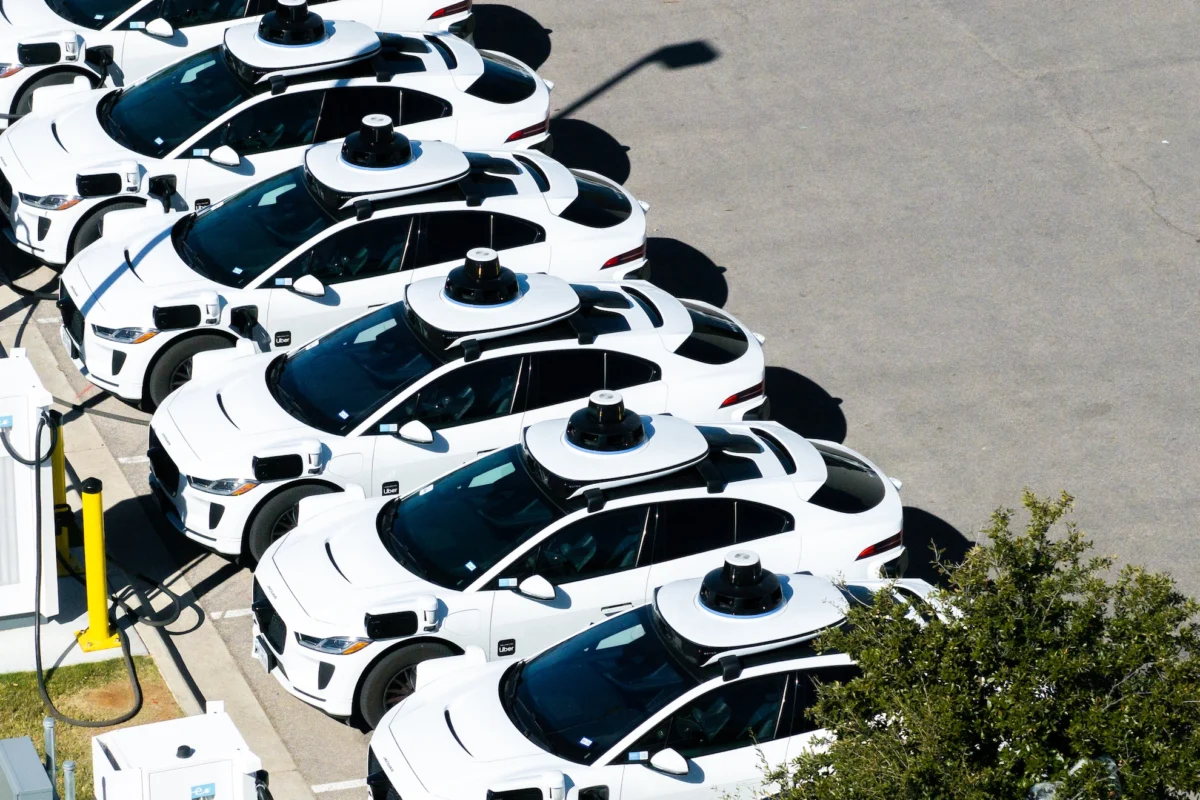
The hum of autonomous electric vehicles has returned to the streets of San Antonio, Texas. Five months after a high-profile incident involving flash floods forced a total suspension of services, Waymo, the Alphabet-owned autonomous driving subsidiary, has officially resumed its robotaxi operations in the "River City." This relaunch is not merely a return to the status quo; it represents a pivotal moment for the autonomous vehicle (AV) industry as it grapples with "edge cases"—unpredictable, extreme weather events that challenge the limits of artificial intelligence.
The return to San Antonio follows a rigorous period of software recalibration and safety testing. Waymo’s fleet, once sidelined by the unpredictable nature of Texas weather, is now back on the road, offering paid rides to a public that remains both fascinated and cautious regarding the future of driverless transportation.
Main Facts: A Controlled Relaunch in a Strategic Market
Waymo’s resumed service in San Antonio is significant in both scale and technological scope. According to reports first surfaced by the San Antonio Express-News, the company has deployed dozens of its Jaguar I-PACE vehicles across a 60-square-mile service area. This geographic footprint is strategically chosen, encompassing high-traffic zones including the bustling downtown corridor and the San Antonio International Airport (SAT).
Key highlights of the restart include:
- Operational Scope: The service area covers approximately 60 square miles, focusing on the urban core and transit hubs.
- Revenue Model: Unlike early pilot programs, this relaunch involves fully paid rides, signaling Waymo’s confidence in the commercial viability and safety of the updated system.
- Technological Updates: The primary catalyst for the restart was a comprehensive software update designed to enhance the "Waymo Driver’s" ability to detect, assess, and avoid standing water and flooded roadways.
- National Context: San Antonio is one of 15 U.S. cities where Waymo is currently operating or testing, reinforcing the company’s lead in the domestic robotaxi race following the temporary retreat of competitors like Cruise.
Chronology: From the April Floods to the Autumn Relaunch
The journey back to the streets of San Antonio was necessitated by a series of events in early 2024 that highlighted a critical vulnerability in autonomous sensing technology.
April 2024: The Flash Flood Crisis
In mid-April, San Antonio was struck by a series of severe thunderstorms that led to rapid flash flooding—a common but dangerous occurrence in the region’s low-lying areas. During this period, multiple Waymo vehicles became trapped in rising waters. In the most publicized incident, a robotaxi was swept away by a current after failing to recognize the depth and velocity of the water on a submerged street. While no passengers were on board at the time, the imagery of a high-tech vehicle rendered helpless by nature sparked an immediate safety review.
May 2024: The Voluntary Recall
In response to the April incidents, Waymo issued a voluntary software recall in May. This was not a physical recall in the traditional sense but an "Over-the-Air" (OTA) update coordinated with the National Highway Traffic Safety Administration (NHTSA). The recall addressed a specific failure in the software logic: the vehicles’ sensors were detecting water but were not accurately calculating the risk of "hydroplaning" or the structural danger of entering deep standing water.
June – August 2024: Testing and Geofencing
During the summer months, Waymo paused operations in San Antonio and several other Texas locations to implement "hard geofencing" in flood-prone zones. Engineers worked to map out "low-water crossings"—areas where San Antonio roads are designed to allow water to flow over them during heavy rain. These zones were marked as strictly "no-go" areas during inclement weather alerts.
September 2024: The Resumption
After months of simulated testing and internal validation, Waymo began a phased rollout in San Antonio. By late September, the service was fully restored for public use, integrated with the Waymo One app, and supported by a more robust weather-response protocol.
Supporting Data: Safety Metrics and Technical Evolution
To understand why Waymo felt confident returning to San Antonio, one must look at the data driving their safety frameworks. Autonomous vehicles rely on a "sensor suite" consisting of LiDAR (Light Detection and Ranging), Radar, and high-resolution cameras.
The Problem with Water
Data from the April incidents revealed a specific technical hurdle. LiDAR, which uses laser pulses to create a 3D map of the environment, often struggles with highly reflective surfaces like standing water. The laser can bounce off the surface of a puddle or be absorbed, making it difficult for the AI to distinguish between a wet road and a deep pool.
The Software Solution
Waymo’s updated software now utilizes a "multi-modal" approach to water detection:
- Reflectivity Analysis: Enhanced algorithms to interpret "specular reflections" from cameras to identify puddles.
- Weather Integration: Real-time synchronization with local meteorological data. If San Antonio’s flash flood warnings are triggered, the vehicles automatically adjust their routing to avoid known flood-prone sectors.
- Depth Estimation: Improved radar processing to "see" through rain and estimate the depth of objects submerged in water.
Safety Comparisons
Despite the April setbacks, Waymo maintains a safety record that it claims is superior to human drivers. According to Waymo’s 2023 safety report, their vehicles experienced an 85% reduction in any-injury-causing crashes compared to human-driven benchmarks over millions of miles. The San Antonio incident, while a significant "edge case," resulted in property damage rather than human injury, which Waymo uses as a metric for the success of their "fail-safe" protocols (e.g., the car slowing down and stopping rather than accelerating into the unknown).
Official Responses: A Focus on "Continuous Learning"
The response from Waymo and local authorities has been one of cautious optimism, emphasizing that autonomous driving is an iterative process.
Waymo Corporate Statement:
In a statement provided to the San Antonio Express-News, a Waymo spokesperson emphasized the importance of the software updates: "Our goal is to provide the safest, most reliable transportation. The lessons learned from the weather events in San Antonio have been integrated into the Waymo Driver. We have made significant strides in how our system perceives and reacts to standing water, ensuring our fleet can navigate the unique environmental challenges of Texas."
NHTSA and Regulatory Oversight:
Federal regulators have kept a close eye on Waymo’s recall process. The NHTSA has encouraged the voluntary recall model, noting that the ability to update safety protocols via software allows for faster response times than traditional mechanical recalls. However, regulators continue to monitor "unexpected behavior" in AVs, especially in complex weather scenarios.
Local San Antonio Officials:
While the city of San Antonio has generally been welcoming to tech investment, local transit advocates have called for increased transparency. "We want to see the innovation, but we also need to ensure that our streets are safe for everyone—pedestrians, cyclists, and other drivers—especially when the weather turns bad," noted a representative from a local urban planning group.
Implications: The Future of AVs in Extreme Climates
The San Antonio restart has broader implications for the global autonomous vehicle industry. It highlights the transition from "fair-weather testing" to "all-weather deployment."
1. The Challenge of Climate Change
As extreme weather events—including flash floods, heatwaves, and heavy snow—become more frequent, AV companies cannot afford to operate only in perfect conditions. The San Antonio incident serves as a case study for how AI must evolve to handle "low-probability, high-impact" events. If robotaxis are to replace personal car ownership, they must be as capable as a human driver (or better) in a thunderstorm.
2. The Dominance of "The Waymo Driver"
With Cruise (owned by GM) still recovering from its own set of safety controversies and Tesla’s "Full Self-Driving" (FSD) still requiring human supervision, Waymo is positioning itself as the only viable "Level 4" autonomous service. Their ability to recover from a safety incident, issue a recall, and restart service within five months demonstrates a robust operational maturity that investors and city planners are watching closely.
3. Economic Impact on San Antonio
By including the airport and downtown in its service area, Waymo is targeting the lucrative business travel and tourism market. This provides a boost to the local "tech-forward" image of San Antonio, potentially attracting more AI and robotics firms to the region. It also offers a data-rich environment for Waymo to study how autonomous fleets interact with heavy pedestrian traffic and complex urban infrastructure.
4. Public Perception and Trust
The ultimate hurdle for Waymo remains public trust. While the technical fix may be complete, the "psychological fix" takes longer. Every time a robotaxi is seen navigating a rainstorm successfully, it builds a "trust equity" that is vital for the industry’s survival. Conversely, another high-profile failure could lead to stricter legislative crackdowns on autonomous testing.
Conclusion
Waymo’s return to San Antonio is more than just a business resumption; it is a testament to the resilience of autonomous technology. By facing the literal and figurative "washout" of the April floods, the company was forced to solve one of the most difficult problems in robotics: environmental uncertainty. As dozens of Waymo vehicles once again navigate the 60-mile stretch between the San Antonio International Airport and the historic downtown, they carry with them the latest in AI safety logic—logic that will soon be applied to cities across the globe. The "River City" has served as a demanding proving ground, and the results of this relaunch will likely set the standard for how the world’s robotaxis handle the storms of the future.