Navigating the Labyrinth of Memory: An In-Depth Look at ‘The Last Exam’

The landscape of independent video games has increasingly become a sanctuary for deeply personal, narrative-driven experiences that explore the complexities of the human psyche. At this year’s Gamescom, one of the most evocative titles to emerge from the indie circuit was The Last Exam, a hand-painted point-and-click adventure that transcends the traditional boundaries of its genre. Developed with a keen eye for atmospheric storytelling, the game centers on Ryan, a young man trapped in a recurring dream that begins with the mundane but slowly unravels into a surreal exploration of suppressed memory and existential transition.
As players navigate the blurred lines between Ryan’s domestic reality and his shifting dreamscape, The Last Exam presents a poignant meditation on what it means to move on from the past when the past refuses to let go.
Main Facts: A New Vision in Point-and-Click Adventure
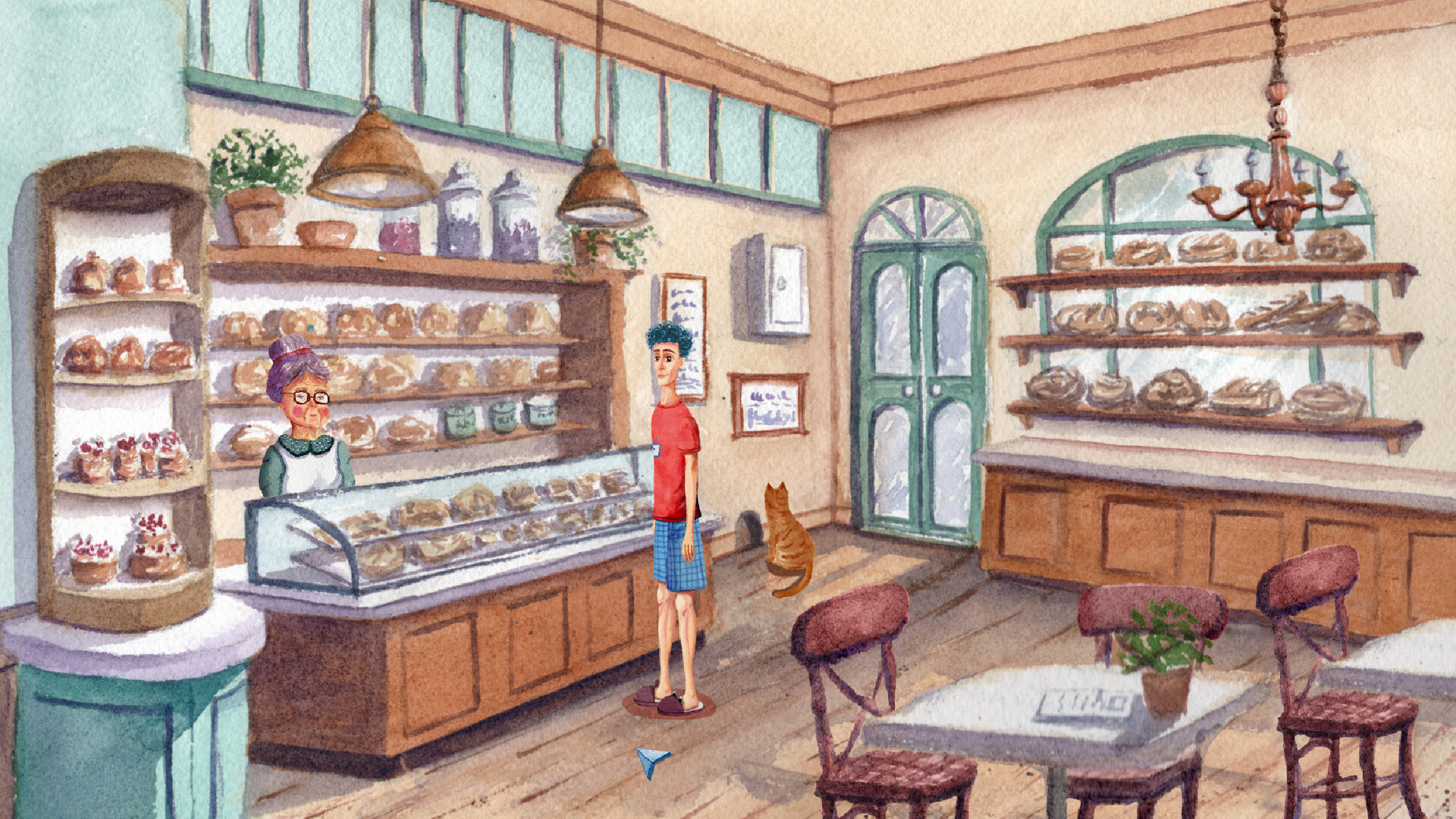
The Last Exam distinguishes itself through its aesthetic and its thematic weight. While many adventure games rely on high-stakes conflict or convoluted "moon logic" puzzles, this title prioritizes immersion, emotional resonance, and a painterly art style that feels like a living canvas.
The Core Premise
The game follows Ryan, whose life is currently defined by a singular, recurring dream. The dream starts with the ultimate relatable anxiety: preparing for "the last exam." Initially, the dream mirrors a standard morning routine—waking up, performing household chores, and preparing for a day of academic reckoning. However, with each repetition, the dream environment shifts. Details change, rooms expand, and the logic of the world begins to warp, reflecting Ryan’s internal state and his history.
Key Features
- Artistic Direction: Every frame of the game is hand-painted, offering a soft, ethereal quality that perfectly captures the fleeting nature of dreams.
- Narrative Structure: The game employs a loop-based narrative where repetition is not a mechanic for failure, but a vehicle for discovery.
- The Dream Diary: A central gameplay mechanic where players document findings, drawing connections between the dream world and the protagonist’s waking life.
- Exploration and Interaction: Players move beyond the confines of Ryan’s room into a town populated by characters who feel strangely familiar, yet remain just out of reach of clear memory.
Chronology: The Evolution of a Dream
The experience of The Last Exam is structured around the progression of Ryan’s subconscious. To understand the game is to understand the chronological descent from the familiar into the unknown.
The First Cycle: The Illusion of Normalcy
In the initial stages of the game, players are introduced to Ryan’s world through a lens of domesticity. You wake up, brush your teeth, and interact with the objects in your room. The tasks are simple, designed to ground the player in the character’s physical space. The "exam" looms in the distance as a goal, representing a final hurdle before adulthood or a new chapter of life.
The Second Cycle: The Creeping Uncanny
As Ryan returns to the dream, the subtle shifts begin. Perhaps a door that was locked is now ajar; perhaps the view from the window has changed from a suburban street to a landscape of fragmented memories. It is here that the game introduces its "observation-based" puzzles. Players must notice what is different and why those differences matter. The environment becomes a character in itself, reacting to Ryan’s presence and his increasing awareness of the loop.
The Expansion: Beyond the Bedroom
As the narrative progresses, the dream world expands. Ryan is no longer confined to his house. He ventures into his town, which serves as a repository for his past. Here, the game introduces NPC interactions. Meeting townspeople becomes a psychological exercise; their dialogue is often cryptic, hinting at events Ryan has tried to forget or has simply outgrown. The chronology of the game follows Ryan as he "unpacks" these hidden truths, moving closer to the source of his recurring vision.
Supporting Data: Mechanics and Aesthetic Philosophy
The Last Exam stands on a foundation of specific design choices that support its narrative goals. Unlike traditional point-and-click games that can sometimes feel static, the data gathered from the Gamescom demo suggests a highly reactive world.
The Dream Diary as a Cognitive Tool
The most significant gameplay innovation is the Dream Diary. In many adventure games, a "journal" simply tracks quests. In The Last Exam, the diary is an active space for reflection. Players use words and drawings to interpret the symbolism of their dreams. This mechanic serves two purposes: it reinforces the game’s themes of self-reflection, and it provides the player with a tangible way to track the "shifting" nature of the world. It transforms the player from a passive observer into an active participant in Ryan’s therapy.
Pacing and Puzzle Design
The puzzles in The Last Exam are intentionally designed to be non-obstructive. According to early impressions, the puzzles focus on observation rather than inventory combinations. For example, a puzzle might involve recognizing a pattern in the way light hits a wall or identifying a recurring symbol across different dream cycles. This "low-friction" design ensures that the emotional momentum of the story is never halted by frustration, maintaining a state of "flow" that is essential for an immersive narrative experience.
Visual and Auditory Immersion
The hand-painted art style is complemented by a minimalist, atmospheric soundtrack. The visual data provided by the trailers shows a palette that shifts from warm, nostalgic ambers to cold, isolating blues as the dream world becomes more distorted. This sensory experience is the primary "data point" for the player, signaling the emotional temperature of the scene without the need for heavy-handed exposition.
Official Responses and Developer Context
While the developers have remained somewhat enigmatic regarding the specific "secret" at the heart of the game, their presentation at Gamescom highlighted a commitment to "emotional honesty."
Developer Intent
The team behind The Last Exam has stated that the game is intended to be a "safe space for difficult memories." The goal was to create a game that feels relatable to anyone who has ever felt "stuck" in a certain period of their life. The "Last Exam" itself is a metaphor for the final tests we face when trying to leave our childhood or our past selves behind.
The Gamescom Reception
During the demo sessions at Gamescom, the response from the press and public was overwhelmingly focused on the game’s "cozy-yet-haunting" atmosphere. Critics noted that while the game shares DNA with titles like Night in the Woods or Oxenfree, it carves out its own niche by focusing on the interiority of the dream state rather than external supernatural threats.
Implications: The Psychological Narrative Trend
The emergence of The Last Exam points to a larger trend within the gaming industry: the use of the medium as a tool for psychological exploration.
Addressing Mental Health through Metaphor
Games are uniquely positioned to simulate the feeling of being "trapped" in a thought pattern. By using the point-and-click mechanic—where the player must literally "point" at and "click" on their problems—The Last Exam gamifies the process of introspection. This has significant implications for how games can be used to discuss mental health, trauma, and the process of aging.
The Future of the Genre
For the point-and-click genre, The Last Exam represents a shift away from the "inventory-heavy" past toward a "narrative-heavy" future. It proves that there is a significant audience for games that prioritize mood and theme over mechanical complexity. As the line between the dream world and the real world blurs for Ryan, so too does the line between "game" and "interactive literature" for the player.
Conclusion and Availability
The Last Exam is currently in a state of high anticipation. While a definitive release date has yet to be announced, the game’s presence at Gamescom and its availability for wishlisting on Steam suggest a project that is nearing its final stages of polish. For players seeking an experience that is as intellectually stimulating as it is visually beautiful, Ryan’s journey through the "Last Exam" promises to be a mandatory study in the power of memory.
In an era of high-octane blockbusters, The Last Exam invites us to slow down, pick up a pen, and look closely at the dreams we keep having—and the reasons we keep having them.