Navigating the Labyrinth of Time: A Centenarian’s Plea for Present-Moment Consciousness in an Age of Digital Echoes
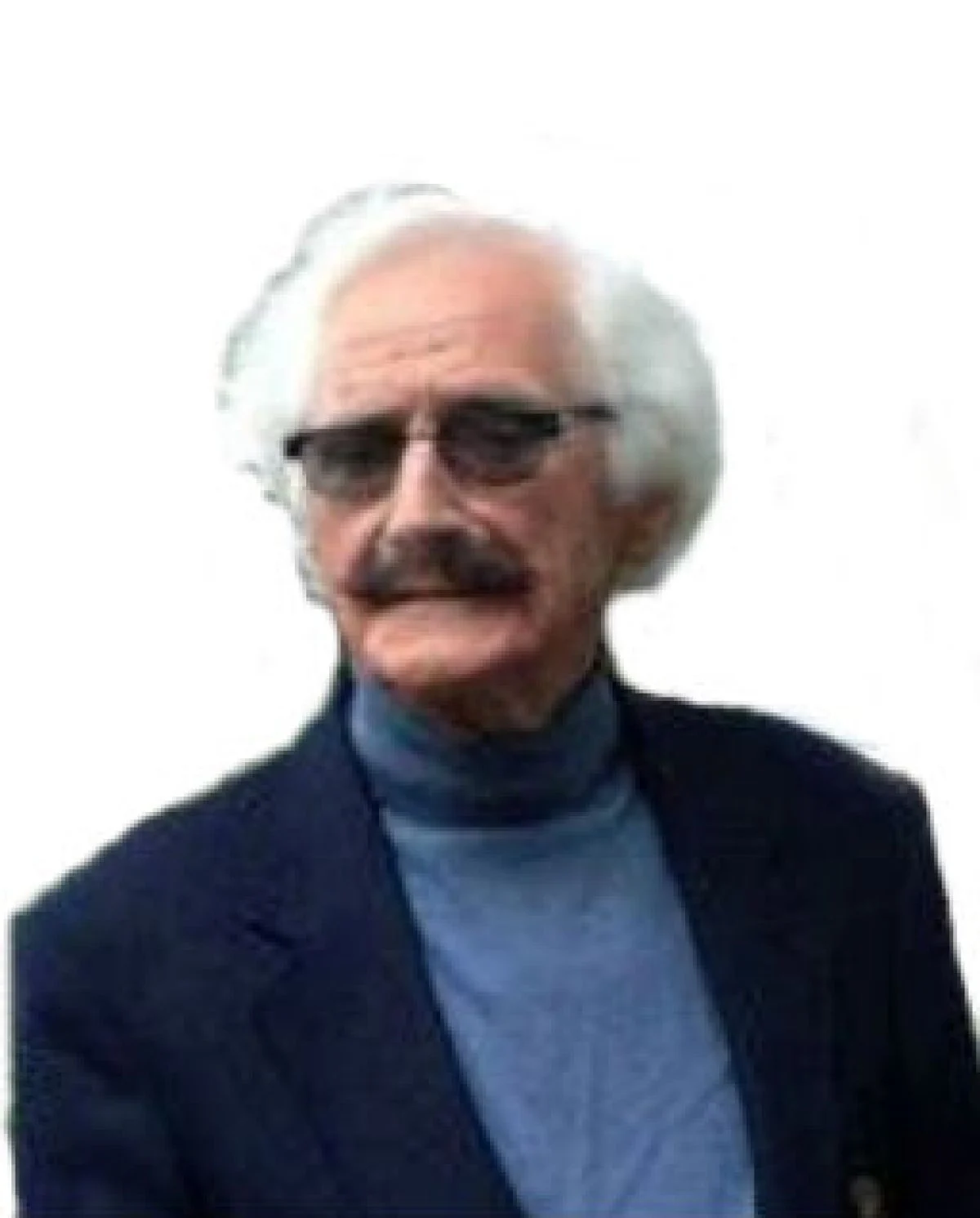
As humanity hurtles forward, driven by technological innovation and the ceaseless march of progress, a profound question emerges from the twilight years of a remarkable life: are we losing ourselves in the echoes of the past and the allure of the digital future, at the expense of the vibrant present? This timely reflection comes from a distinguished individual, nearing their 94th birthday, who offers a poignant perspective on the nature of consciousness, memory, and the critical importance of engaging with the world around us. Their insights, gleaned from a lifetime of experience, serve as a powerful call to action for a society increasingly susceptible to the siren song of digital distraction and the gravitational pull of recollection.
The Dual Nature of Consciousness: Memory, Meaning, and the Present Moment
At the heart of this centenarian’s contemplation lies a nuanced understanding of human consciousness, which they describe as functioning on two fundamental levels. The first is our immediate, sensory engagement with the external world – the factual happenings of life that we perceive and react to in real-time. This is the raw data of our existence, the tangible experiences that shape our immediate reality.
The second, equally crucial, level is our internal, reflective capacity. This is where we process the significance of external events, imbuing them with meaning and purpose. It is through this internal reflection that our individual experiences coalesce into a coherent narrative, adding depth and richness to our existence. This interplay between external input and internal interpretation, the author argues, is the very bedrock of our individuality.
However, as we age, a natural inclination arises to lean heavily on the first level, the realm of memory and contemplation. This can lead to a phenomenon where past experiences, and the emotions they evoke, begin to dominate our present attitude. The constant revisiting of "Been There; Seen This; Done That" scenarios, while a natural function of a well-developed memory, can inadvertently diminish the significance and appeal of the unfolding present. The mind, in its tendency to "wander off," can become a prisoner of its own history, a passive observer of its own recollections rather than an active participant in current reality.
The author’s personal journey, as they approach their 94th birthday, highlights this challenge. While acknowledging the vital role of memory in shaping who we are, they stress the necessity of consciously resisting the urge to let past memories completely dictate their current outlook. This is not a rejection of the past, but rather a deliberate effort to ensure that the vibrant tapestry of the present is not overshadowed by the well-worn threads of yesterday.
The Elusive Goal of Individuation: A Psychological Perspective
This delicate balance between outward engagement and inner reflection is, according to the author, intrinsically linked to the concept of "individuation," a psychological goal that describes the process of becoming a fully realized, integrated self. Individuation, as understood by psychologists, involves the harmonious integration of our conscious and unconscious minds, leading to a unique and authentic sense of identity.
The author posits that maintaining both the sensory response to the external world and the reflective processing of its significance is the sole pathway to achieving a substantial level of self-realization. This involves existing as oneself within the tangible world of time and space, while simultaneously cultivating a rich inner life where meaning and purpose are forged. This "mental duality," this capacity for both external participation and internal contemplation, is the engine of individuation.
To illustrate this point, the author draws upon the wisdom of esteemed literary figures from the past. Samuel Johnson, the renowned English lexicographer, lamented this very tendency when he observed, "No mind is much employed upon the present; recollection and anticipation fill up almost all our moments." His words, penned centuries ago, resonate with a timeless truth about the human condition.
Similarly, the poet-philosopher John Dryden articulated a vision of happiness rooted in present-moment living: "Happy the man, and happy he alone,/ He who can call today his own/ He who, secure within, can say,/ Tomorrow do thy worst, for I have lived today." Dryden’s lines encapsulate the ideal of a life lived fully in the present, unburdened by the anxieties of the future or the regrets of the past.
The Digital Deluge: A Modern Threat to Present-Moment Consciousness
The author then pivots to a critical observation about the contemporary human way of life, suggesting that it is actively disrupting this vital balance. The advent of computer technology and its pervasive influence, they argue, has fundamentally altered our engagement with reality. Instead of direct, sensory experiences, our interaction with the world has become increasingly mediated by screens.
The "normally varied daily round of events and actual physical happenings in time and space" are now often reduced to mere visual experiences on a digital interface. There is a distinct lack of "hands-on" engagement, the kind that imprints our senses with genuine meaning and significance. This abstract mode of living, the author warns, is a departure from the embodied experiences that foster deep understanding and personal growth.
This detachment from tangible reality, this reliance on mediated experiences, poses a significant threat to the pursuit of personal individuation. It can even, the author suggests, erode our capacity to ponder fundamental existential questions like "who" and "why" we are on this journey of life. When our interactions are primarily with curated digital representations, the visceral, life-affirming experiences that prompt such deep inquiry can become increasingly rare.
A Prophetic Warning from the Past: The Erosion of Human Attributes
The author’s concern is further amplified by a passage from their own earlier work, "What the Hell Are the Neurons Up To?". In this book, written some years ago, they express a prescient anxiety about the trajectory of the Electronic Age:
"If the time should ever come, as the Electronic Age progresses and we become more and more its victims (automatons in our own right), pursuing a totally extroverted life, we may reach the stage when the word human will no longer qualify the word being. In which case Darwin’s statement that ‘the moral senses of wonder and conscience are the most important and noble of all human attributes, and that to be without them renders us more akin to the lower animals’ will assume the nature of a prophetic truth."
This chilling prophecy speaks to a potential future where our immersion in technology, and a life lived primarily in an outward-facing, digitally-driven manner, could lead to a fundamental erosion of what it means to be human. The author invokes Charles Darwin’s profound observation about the importance of "wonder and conscience." These are not merely intellectual faculties, but deeply ingrained moral and emotional attributes that connect us to our humanity and to each other. To lose them, Darwin suggested, would be to regress, to become "more akin to the lower animals."
The centenarian’s reflection serves as a stark reminder that while technology offers unparalleled connectivity and access to information, it can also foster a superficial engagement with life. The genuine awe inspired by witnessing a sunset with one’s own eyes, the empathy felt when connecting with another person face-to-face, the deep satisfaction of a task completed with one’s own hands – these are experiences that build character and foster a profound sense of being alive.
The Path Forward: Reclaiming the Present and Nurturing the Inner Life
The author’s message is not one of despair, but a powerful plea for conscious action. The challenge posed by our technologically saturated lives and the natural tendencies of aging demands a deliberate effort to cultivate present-moment awareness. This involves actively seeking out experiences that engage our senses, foster genuine connection, and encourage introspection.
Key takeaways and actionable insights for navigating this modern dilemma include:
- Mindful Engagement: Consciously direct your attention to the present moment. When engaging with digital media, be aware of its influence and seek to balance it with real-world interactions.
- Sensory Richness: Prioritize experiences that engage your senses. This could involve spending time in nature, cooking a meal, engaging in physical activity, or appreciating art and music in their tangible forms.
- Deep Connection: Cultivate meaningful relationships through face-to-face interactions. Prioritize conversations that go beyond superficial exchanges and foster genuine understanding and empathy.
- Reflective Practice: Carve out time for introspection. Journaling, meditation, or simply quiet contemplation can help process experiences and imbue them with meaning.
- Balance is Key: Recognize that memory and future planning have their place, but they should not eclipse the richness of the present. Strive for a harmonious integration of past, present, and future.
- Question the Digital Narrative: Critically assess the information and experiences presented through digital channels. Understand their potential limitations and seek out authentic, unfiltered realities.
As we stand on the precipice of further technological advancement, the wisdom of a life well-lived, nearing its century mark, offers an invaluable compass. It reminds us that true fulfillment and genuine self-realization lie not in the endless pursuit of novelty or the comfortable embrace of the past, but in the courageous and conscious act of living fully, presently, and authentically in the world. The centenarian’s plea is a powerful reminder that the essence of our humanity is forged in the vibrant, unmediated moments that make up the tapestry of our lives, and it is our responsibility to ensure these moments are not lost in the digital ether.