Nuart Aberdeen Ignites the Streets with a Poetic Revolution: A Festival Redefining Urban Art
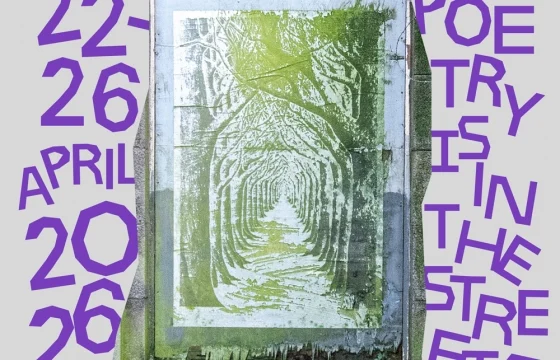
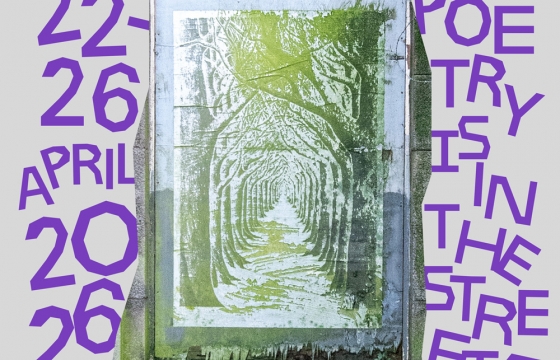
Aberdeen, Scotland – April 22-26, 2026 – The vibrant city of Aberdeen is set to transform into an open-air gallery as Nuart Aberdeen unveils its highly anticipated 2026 edition. This year, the acclaimed international street art festival embarks on a groundbreaking mission, dedicating its focus primarily to poetry and text-based art. In a bold departure from the dominant visual landscape of large-scale figurative murals, Nuart Aberdeen aims to democratize the street art scene, fostering a new generation of creators by emphasizing accessible and evocative forms of expression.
The Genesis of a Textual Transformation
Nuart Aberdeen has long been a beacon for innovative urban art, consistently pushing the boundaries of what is possible on the city’s canvas. While acknowledging and celebrating the power of colourful, expansive murals, the festival’s curators, Martyn Reed and his team, have observed a critical aspect of street art culture that often goes underserved: its potential for direct public engagement and inspiration.
"Over the years, for better or worse, the large scale colourful figurative mural has come to dominate the culture we work with," states Martyn Reed, Nuart Founder and Curator. "And although it’s an aspect of the culture we support, due to the resources required to produce murals, they’re perhaps also the least democratic form of art on the streets. As curators, researchers and producers working in ‘festival’ culture, we have a responsibility to not only showcase and celebrate the most interesting and technically competent works of our time, but to also ensure the culture’s development and survival."
Reed elaborates on the core philosophy driving this shift: "The only way to do this is to inspire and encourage those without the privilege of a fine art degree or access to the arts, to have a go themselves. This has always been Nuart’s primary goal, not just to produce art, but to also inspire and produce the next generation of artists. A lofty goal, particularly as it’s often in conflict with the stated needs of sponsors and partners, on paper at least, and no one stands in front of a Tower block mural and thinks, ‘I’ll pop home and have a go myself on the gable end of Gran’s house.’"
The festival’s reorientation towards text-based art is rooted in a profound understanding of street art’s grassroots origins. The team has observed that smaller, more intimate interventions – stencils, paste-ups, and direct textual expressions – possess a unique power to ignite creative sparks. "What we do have evidence for, is that the smaller, more human scale works – the stencils and paste ups and interventions – do have this effect," Reed explains. "You could say that the ease of copying a Banksy stencil, which requires no more than a craft knife, a piece of cardboard and an idea, is the very foundation of this culture. We’ve seen this happen time and time again. Indeed, several of the producers and artists joining us this year, started their artistic journey as assistants and volunteers at Nuart."
This year’s festival seeks to recapture that foundational spirit, channeling the raw energy of creative impulse into poetic narratives and thought-provoking statements that resonate with a broader audience.
A Chronology of Creative Evolution: From Murals to Manuscripts
Nuart Aberdeen’s journey has been marked by a consistent evolution, moving beyond a singular artistic paradigm to embrace a more holistic vision of urban art. While the festival has consistently featured prominent muralists, its underlying ethos has always been to explore the city as a multifaceted canvas.
"At Nuart, we’ve always prided ourselves on not only showcasing the BIG names in muralism, but on also using the festival as a place to explore and experiment with new forms and ideas that engage with the idea of the whole city as a canvas, and not just the wall," Reed emphasizes. "In this respect, Nuart Aberdeen have been fortunate enough to have the support of some of the most thoughtful and progressive partners that an event such as Nuart could possibly have, and this year is no different."
The inspiration for this year’s poetic focus can be traced to two pivotal moments in urban art history and philosophy. Reed recounts his contemplation of a city devoid of public artistic expression, a stark vision that led him to recall a powerful slogan from the 1968 Paris student uprising: "La poésie est dans la rue" – "Poetry is in the Streets." This iconic declaration, born from a period of intense social and creative upheaval, resonated deeply, suggesting a potent avenue for revitalizing the street art landscape.
Further solidifying this concept was a recollection of pioneering UK graffiti writer Mode2’s insights into the accessibility of graffiti culture in the 1980s. Mode2 highlighted how graffiti democratized art creation, allowing individuals who might not have excelled in traditional art classes to participate through the fundamental act of writing the alphabet. "He was discussing how graffiti culture had taken hold and blossomed in the UK in the 1980s, and in a throwaway quip had said, the reason it took hold was because regardless of how interested you were in making art at school, if you couldn’t draw or paint realistically, you were bottom of the class. Then graffiti came along, and it struck everyone that all you had to know to create and engage with it, was your ABC’s."
These two seemingly disparate yet profoundly connected observations – the inherent power of street poetry and the foundational accessibility of the written word – converged to form the bedrock of Nuart Aberdeen’s 2026 theme. The festival now stands as a testament to the belief that creative expression, particularly through text, is a universal language, capable of igniting imagination and fostering a sense of artistic ownership among the public.
Supporting Data: The Power of the Pen and the Pixel
The shift towards text-based art is not merely a thematic choice; it is supported by a growing body of evidence demonstrating the profound impact of words in public spaces. While visually arresting murals can capture immediate attention, text offers a unique opportunity for deeper engagement, reflection, and personal connection.
Research in urban studies and public art consistently points to the power of accessible artistic forms to foster community identity and civic pride. Unlike monumental murals that can sometimes feel imposing or exclusive, text-based interventions, whether stenciled slogans, poetic installations, or narrative street art, invite contemplation and dialogue. They can introduce new perspectives, challenge established narratives, and humanize the urban environment.
The ease with which text can be disseminated and replicated is also a significant factor. As highlighted by the example of Banksy’s stencils, the barrier to entry for creating text-based art is significantly lower than for large-scale mural painting. This accessibility is crucial for Nuart’s mission to inspire the next generation of artists. By providing a platform for artists who utilize words, Nuart Aberdeen is actively lowering the threshold for participation in the creative process.
Furthermore, the rise of social media has amplified the reach and impact of text-based art. Shareable quotes, poignant verses, and thought-provoking statements can travel globally, sparking conversations and fostering a sense of shared experience across geographical boundaries. This digital resonance complements the physical presence of the art on Aberdeen’s streets, creating a multi-layered engagement with the festival’s themes.
The curated list of artists participating in Nuart Aberdeen 2026 underscores this commitment to diverse textual expression. The lineup includes:
- Alisa Oleva (UK): Known for her subtle yet impactful interventions that often weave personal narratives into the urban fabric.
- Ciarán Glöbel (SCT): A Scottish artist whose work frequently explores themes of identity and place through potent text-based pieces.
- dr.d AKA Subvertiser (UK): A prolific artist whose politically charged and often humorous text-based works challenge societal norms.
- HICKS (UK): An artist whose distinctive lettering and wordplay bring a unique energy to the street.
- James Klinge (SCT): A Scottish artist whose contributions are anticipated to add a local narrative to the festival’s textual landscape.
- KMG (SCT): Another Scottish artist contributing to the local voice within the international conversation.
- Molly Hankinson (UK): An artist whose work often blends poetic text with intricate visual elements.
- Remi Rough (UK): A renowned figure in the urban art scene, expected to bring his signature style and insightful commentary.
- Robert Montgomery (SCT): A celebrated poet whose large-scale text-based installations have garnered international acclaim.
- The Rebel Bear (SCT): Known for his distinctive characters and accompanying poignant messages.
- The Writing Is On The Wall (UK): A collective or artist whose name suggests a direct engagement with impactful textual art.
- Trackie McLeod (SCT): A Scottish artist likely to infuse local dialect and culture into his textual contributions.
- V2k | (LT – SCT): An artist whose participation suggests a cross-cultural dialogue through text.
This diverse group represents a spectrum of approaches to text-based art, from the deeply personal to the overtly political, ensuring a rich and multifaceted experience for festival-goers.
Official Responses: Embracing the Poetic Urban Canvas
The decision to pivot Nuart Aberdeen towards poetry and text-based art has been met with encouraging support from the city council and various partners. This backing signifies a growing recognition of the diverse and accessible forms that public art can take.
"Thank you as ever to all of our sponsors, partners and to the city council, for allowing us once again to make a contribution to what we believe is a magical and inspiring city," states Martyn Reed, underscoring the collaborative spirit that makes Nuart Aberdeen possible.
Local authorities and cultural bodies have often found murals to be a straightforward way to beautify public spaces. However, the nuanced approach of Nuart Aberdeen, focusing on text, presents an opportunity to engage citizens on a more intellectual and emotional level. The accessibility of such art forms can foster a sense of ownership and participation, transforming passive observers into active interpreters and potential creators.
City officials have expressed optimism that this thematic shift will not only enhance the aesthetic appeal of Aberdeen but also contribute to its cultural dynamism. By embracing poetry and text, Nuart Aberdeen is positioning itself as a leader in exploring the evolving landscape of street art, demonstrating that impactful public art can be achieved through a variety of mediums, not solely through large-scale visual spectacles. This progressive stance is likely to attract a wider range of visitors and further solidify Aberdeen’s reputation as a hub for contemporary art and culture.
Implications: A New Chapter for Street Art and Public Expression
The 2026 edition of Nuart Aberdeen carries significant implications for the future of street art, both locally and internationally. By championing poetry and text-based works, the festival is actively challenging the established hierarchy of urban art forms and advocating for greater inclusivity and accessibility.
One of the most profound implications is the potential to democratize artistic creation. The festival’s emphasis on accessible techniques, such as stenciling and direct textual intervention, aims to inspire individuals who may have previously felt excluded from the art world. This can lead to a burgeoning of local talent and a more vibrant, participatory street art scene. As Martyn Reed aptly puts it, "The only way to do this is to inspire and encourage those without the privilege of a fine art degree or access to the arts, to have a go themselves."
Furthermore, Nuart Aberdeen’s focus on text can foster deeper civic engagement and dialogue. Words have the power to provoke thought, challenge assumptions, and connect people on a profound level. By integrating poetic narratives and thought-provoking statements into the urban environment, the festival encourages introspection and conversation, enriching the cultural fabric of the city. This can transform public spaces into sites of intellectual and emotional exchange, fostering a stronger sense of community.
The festival also serves as a model for other urban art events seeking to innovate and broaden their appeal. By demonstrating the artistic merit and public resonance of text-based art, Nuart Aberdeen is paving the way for a more diverse and inclusive street art landscape globally. This shift acknowledges that the power of art lies not only in its visual impact but also in its ability to communicate ideas, evoke emotions, and inspire action through the potent force of language.
As Aberdeen braces itself for this poetic transformation, the message is clear: the streets are alive with words, waiting to be discovered, interpreted, and perhaps, to inspire the next generation of storytellers and artists. Nuart Aberdeen 2026 is not just a festival; it is a declaration that poetry is, indeed, in the streets, and its potential to shape our urban experience is boundless.