
Nvidia Ignites a New Era for Windows PCs with RTX Spark: A Creative Revolution on the Horizon?
The perennial "Mac vs. Windows" debate, a cornerstone of the creative industry, has long been fueled by perceptions of performance, efficiency, and user experience. For years, Apple’s MacBooks, particularly following their transition to in-house silicon with the M1 chip, have been lauded for their potent blend of power and battery life, often positioning them as the go-to for demanding creative workflows. While Windows laptops offer a vast landscape of choice, powered by an array of processors from Intel, AMD, and increasingly ARM-based solutions, they have historically struggled to consistently match Apple’s benchmark for sustained creative performance.
Now, Nvidia, a titan in the graphics processing unit (GPU) arena, is poised to dramatically alter this established dynamic. With the unveiling of its groundbreaking RTX Spark platform, the company isn’t just introducing a new laptop chip; it’s boldly proclaiming a reinvention of the personal computer, specifically tailored for the burgeoning age of personal AI and demanding creative tasks. This ambitious move signals a significant shift in Nvidia’s strategy and raises a critical question for creatives worldwide: could RTX Spark fundamentally change the laptop you choose for your next project?
The Genesis of RTX Spark: Challenging the Status Quo
The launch of RTX Spark is not an isolated event but rather a calculated response to the evolving technological landscape and the growing demand for localized AI processing power and uncompromising creative performance. For years, the computing world has been dominated by the x86 architecture, a complex instruction set computing (CISC) model that, while powerful, can be power-hungry and generate significant heat. In parallel, ARM’s reduced instruction set computing (RISC) architecture, championed by Apple’s M-series chips, has demonstrated remarkable efficiency and performance gains, particularly in mobile and now increasingly in laptops.
While Windows has seen advancements in ARM-based processors, notably from Qualcomm’s Snapdragon line, these have often fallen short in delivering the robust graphics performance essential for many creative professionals. Nvidia, with its unparalleled expertise in GPU technology, recognized this gap. The RTX Spark platform represents their ambitious endeavor to bridge this divide, aiming to deliver a Windows PC experience that not only rivals but potentially surpasses existing benchmarks for both raw power and AI capabilities, all while maintaining impressive energy efficiency.
RTX Spark: A Technological Powerhouse Unveiled
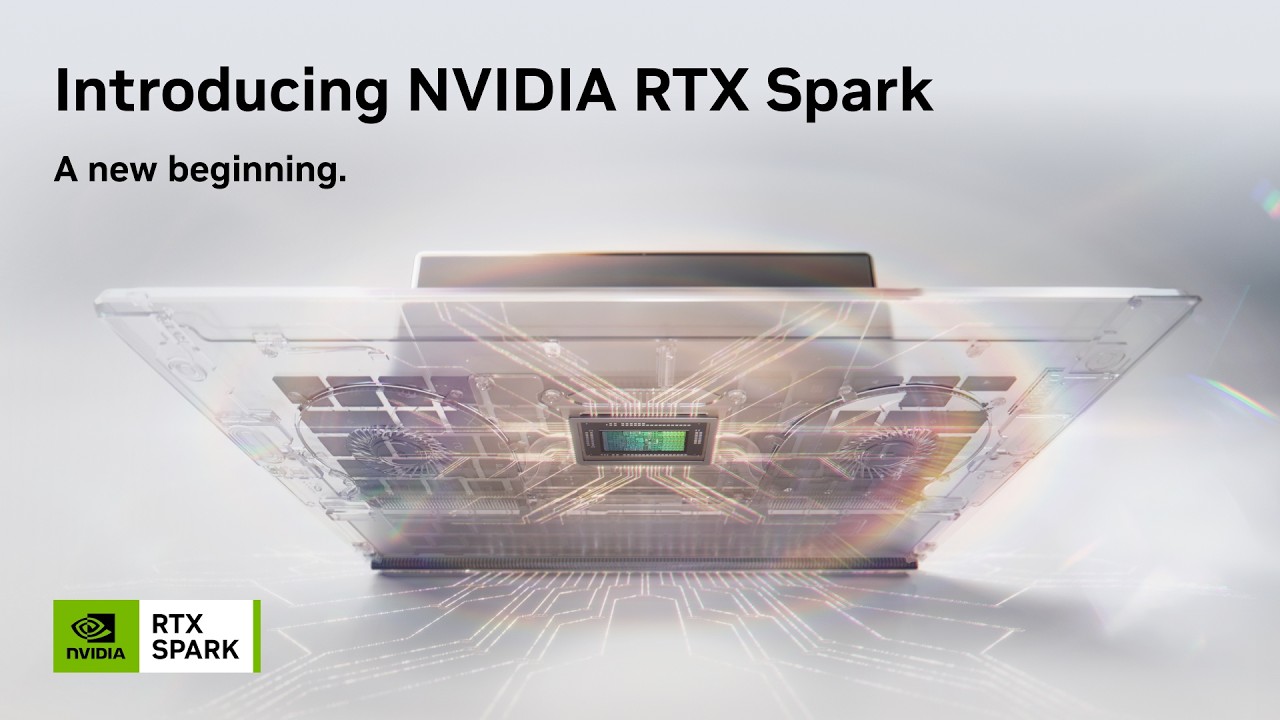
At the heart of Nvidia’s RTX Spark platform lies a formidable combination of cutting-edge technology designed to redefine personal computing. Nvidia is billing this superchip as the "most efficient PC chip ever built," and the specifications certainly lend credence to this bold claim.
The Core Components: A Fusion of CPU and GPU Excellence
The RTX Spark integrates a state-of-the-art Nvidia Blackwell RTX GPU, boasting an impressive array of up to 6,144 CUDA cores. These cores are the workhorses for parallel processing, crucial for everything from rendering complex 3D scenes to accelerating video editing workflows. Complementing the GPU are fifth-generation Tensor Cores, specifically engineered for AI acceleration and featuring advanced FP4 precision. This focus on AI is a defining characteristic of RTX Spark, designed to bring sophisticated AI tasks directly to the user’s device, bypassing the need for constant cloud connectivity.
Crucially, these powerful GPU components are seamlessly integrated with a high-performance, 20-core Nvidia Grace CPU. This CPU, designed in collaboration with MediaTek, leverages the efficiency of ARM architecture. The connection between the CPU and GPU is facilitated by NVLink-C2C, a proprietary chip-to-chip interconnect technology developed by Nvidia. This high-speed link ensures minimal latency and maximum bandwidth between the processing units, enabling them to work in concert with unprecedented efficiency.
Memory and Performance Benchmarks: A Glimpse into the Future
Nvidia has equipped RTX Spark with configurations offering up to a substantial 128GB of unified LPDDR5X memory. This unified memory architecture is a key advantage, allowing both the CPU and GPU to access the same pool of high-speed memory, further enhancing performance and efficiency.
While specific, independent benchmarks are still forthcoming, Nvidia claims that the integrated graphics processing capabilities of RTX Spark will rival that of a discrete RTX 5070 Laptop GPU. This is a significant assertion, as discrete GPUs have traditionally offered superior performance in graphics-intensive tasks. Furthermore, the platform boasts an astounding 1 petaflop of AI performance, a metric that underscores its potential for revolutionizing AI-driven applications on personal computers.
Reshaping the Windows Ecosystem: AI Agents and Optimized Applications
Nvidia’s vision for RTX Spark extends beyond mere hardware prowess. The platform is intrinsically linked to the concept of "personal AI agents," intelligent software entities designed to assist users with a myriad of tasks. Nvidia is collaborating closely with Microsoft to embed these RTX Spark-powered Windows agents directly into the operating system, making them accessible via the taskbar user interface. This integration promises a more intuitive and seamless AI experience, moving beyond standalone applications to a more pervasive and integrated form of digital assistance.
For creatives, the implications are profound. Nvidia anticipates that over 1,000 applications and games will be optimized for RTX Spark chips. This includes industry-standard software vital for creative professionals, such as DaVinci Resolve Studio, Blender, and Adobe’s flagship applications like Photoshop and Premiere Pro. This optimization means users can expect significant performance enhancements in their daily workflows.
Nvidia highlights specific use cases that showcase the platform’s capabilities:
- 3D Rendering: Users will be able to render ultralarge 3D scenes with enhanced speed and fidelity, leveraging Nvidia’s OptiX ray tracing engine and DLSS (Deep Learning Super Sampling) technology.
- Video Editing: The platform will support the editing of 12K 4:2:2 video, powered by the efficient NVIDIA Blackwell decoder. This capability is particularly relevant for high-end video production and post-production workflows.
- Large Language Models (LLMs): RTX Spark is engineered to run large language models with up to 120 billion parameters and a context window of 1 million tokens locally. This means users can experiment with and utilize advanced AI models without relying on cloud infrastructure, offering greater privacy and speed.
- Gaming: For gamers, RTX Spark promises AAA titles at 1440p resolution with frame rates exceeding 100 frames per second, complete with ray tracing, DLSS, and Reflex technologies for an immersive and responsive experience.
Beyond existing technologies, RTX Spark will also be instrumental in powering new RTX capabilities. This includes DLSS 4.5 Ray Reconstruction, featuring a second-generation transformer model, which will be integrated into Blender 5.3. Additionally, RTX Video with 4x Frame Generation will be available for ComfyUI, further enhancing visual fidelity and performance.
The Hardware Landscape: First Wave of RTX Spark Laptops
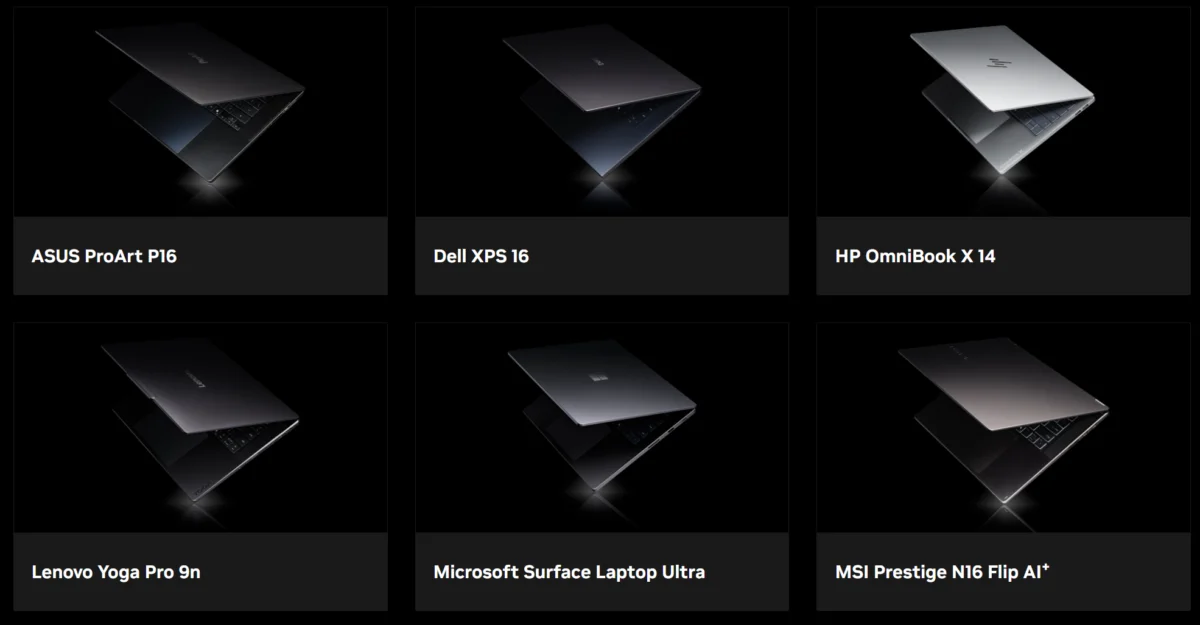
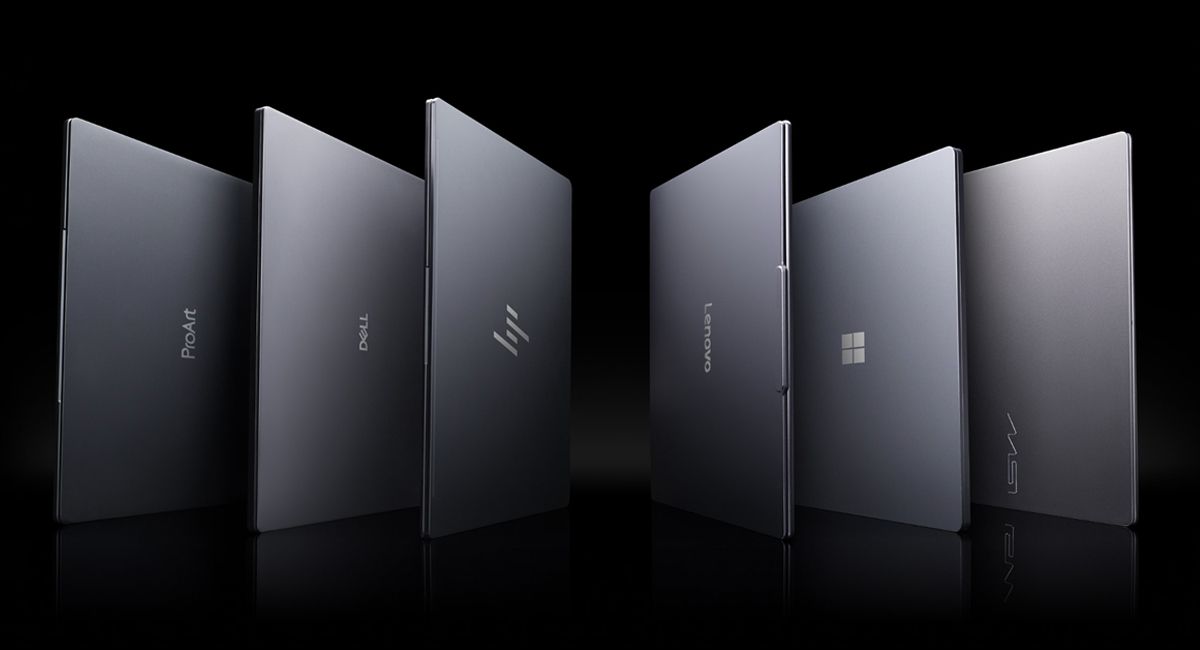
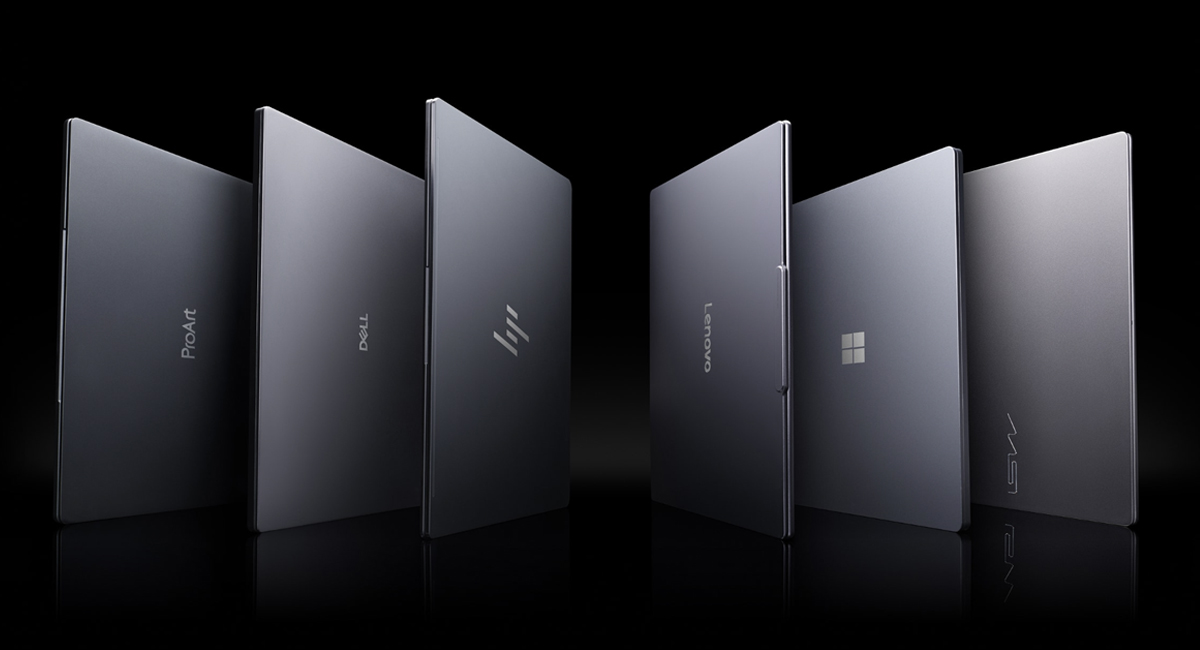
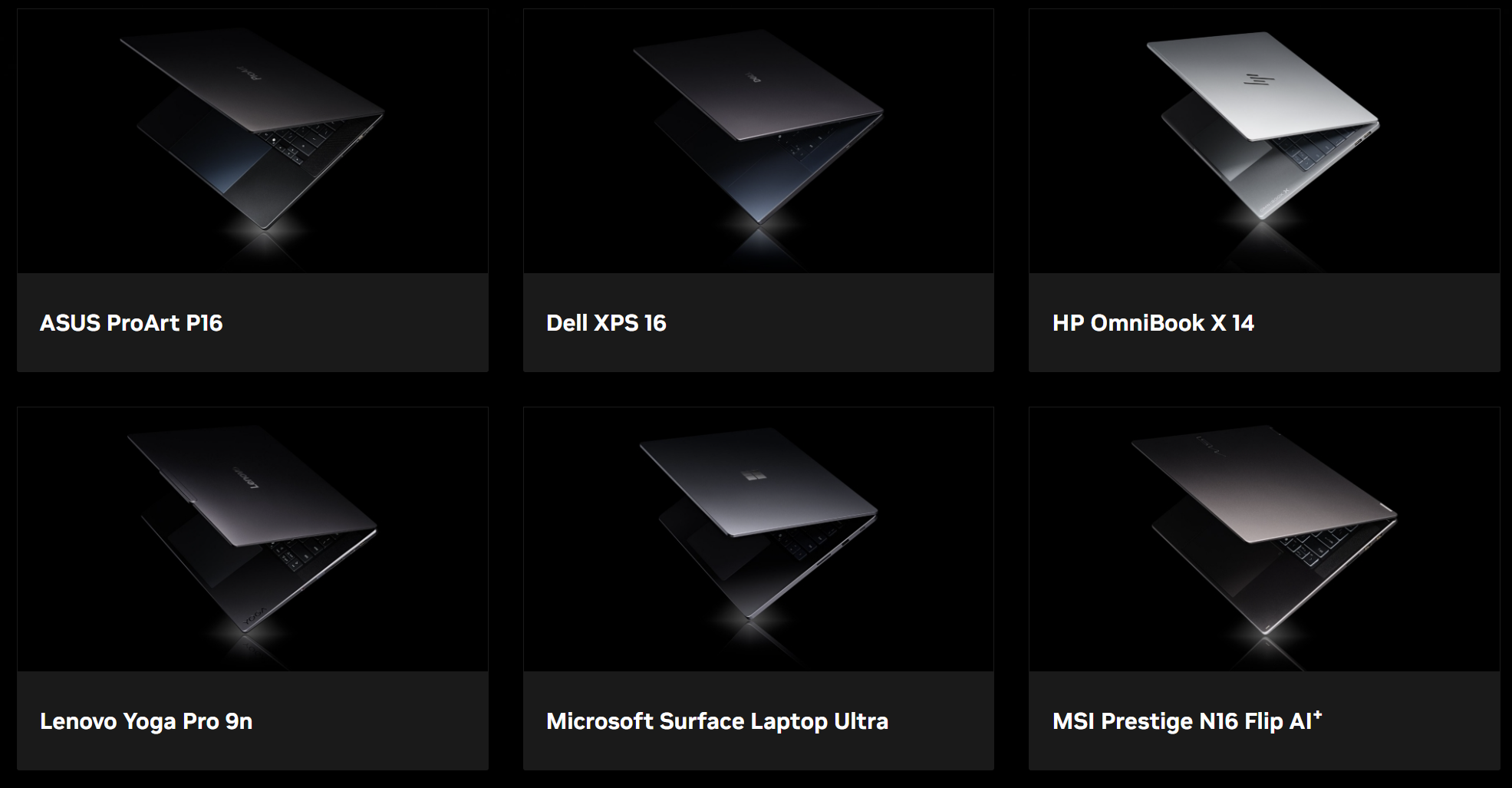
The introduction of RTX Spark is not just a theoretical leap; it’s accompanied by a tangible lineup of devices designed to bring this technology to market. Six RTX Spark laptops have been officially confirmed, representing a diverse range of manufacturers and form factors.
Among the initial wave are upcoming iterations of the Asus Pro Art 16, a laptop already recognized for its prowess in creative applications and frequently featured in guides for the best laptops for CAD and animation. This suggests a direct targeting of high-end professional users.
Other notable RTX Spark-powered laptops include:
- Dell XPS 16: A premium ultrabook known for its sleek design and strong performance, now enhanced with Nvidia’s latest silicon.
- HP OmniBook X 14: A more portable option, indicating Nvidia’s intention to bring its advanced technology to a wider range of form factors.
- Lenovo Yoga Pro 9n: The Yoga line is typically associated with versatility and premium build quality, suggesting an aim at users who demand both power and flexibility.
- MSI Prestige N16 Flip AI: This model’s "Flip" designation suggests a convertible design, catering to users who might appreciate tablet-like functionality alongside powerful computing.
- Microsoft Surface Laptop Ultra: Microsoft itself has embraced RTX Spark, describing the Surface Laptop Ultra as "the most powerful thing we’ve ever made." This endorsement from Microsoft signals strong confidence in the platform’s potential and its integration within the Windows ecosystem.
The launch of these devices, particularly the Microsoft Surface Laptop Ultra, underscores the collaborative effort between Nvidia and its hardware partners to usher in this new era of computing.
The Price of Innovation: A Premium Proposition
While the technological advancements of RTX Spark are undeniable, the cost of this cutting-edge innovation is a significant factor that will shape its adoption. Nvidia’s strategy with RTX Spark appears to be targeting the premium segment of the market first, mirroring Apple’s initial approach with its high-end M-series chips.
Pricing for RTX Spark laptops is expected to start in the range of $2,000 to $2,500. For configurations pushing the upper limits, such as the 128GB memory variant, the price could ascend to as high as $6,000. This positions RTX Spark firmly in the professional and enthusiast bracket, a stark contrast to the $1,000 starting price of the MacBook Air when Apple launched its M1 chip in 2020.
This premium pricing strategy invites direct comparison with Apple’s highest-end offerings. For instance, a top-tier 16-inch MacBook Pro equipped with an M5 Max chip, 128GB of unified memory, and 2TB of internal storage currently retails for $5,399. The question for many creatives will be whether the performance and AI capabilities of Nvidia’s RTX Spark justify a potentially higher or comparable investment compared to a fully specced MacBook Pro.
The success of this gamble will likely hinge not only on Nvidia’s hardware execution but also on Microsoft’s ability to deliver a refined and seamless operating system experience that fully leverages the capabilities of RTX Spark. A smooth, intuitive, and well-designed ecosystem is paramount to convincing users to invest in a premium Windows platform that challenges the established dominance of macOS in the creative space.
The Road Ahead: Competition and Future Implications
Nvidia’s RTX Spark is not entering a vacuum. The landscape of AI-accelerated computing is rapidly evolving, with other major players also making significant strides. Intel, for instance, is planning to ship its own AI-focused chip later this year, which reportedly utilizes more cost-effective memory and cooling technologies. This suggests that the competition in the AI chip space for personal computers will be fierce.
The introduction of RTX Spark represents a significant turning point for Windows laptops. It has the potential to shift the focus of the Mac vs. Windows debate from a simple discussion of raw performance to a more nuanced evaluation of price, ecosystem integration, and specialized AI capabilities. While it may not definitively end the long-standing rivalry, RTX Spark is undeniably set to shake up the competitive landscape and offer creatives a compelling new set of choices. The ultimate impact will depend on how effectively Nvidia and its partners can deliver on the promise of this transformative technology, and whether consumers are willing to embrace a premium Windows experience that aims to redefine personal computing for the AI era.




Leave a Comment