
StarCraft: Brood War – A Masterclass in Galactic Conflict and Shifting Allegiances
Introduction
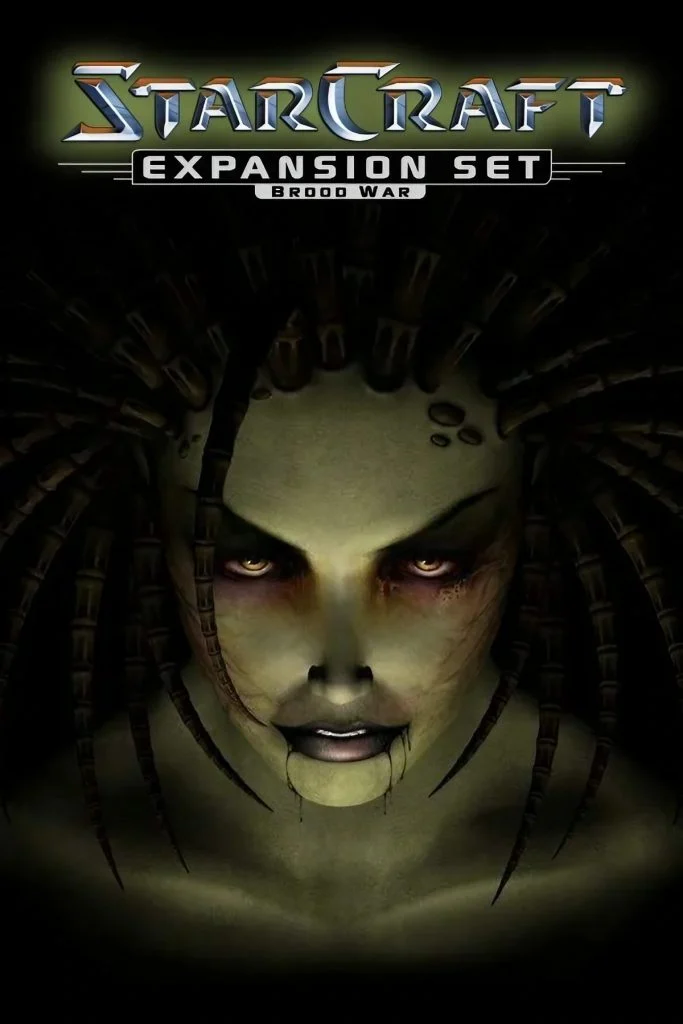
Released in 1998 as the highly anticipated expansion pack to Blizzard Entertainment’s seminal real-time strategy game, StarCraft, Brood War transcended the typical add-on to deliver a narrative of unprecedented depth and complexity. Set in the immediate aftermath of the cataclysmic Great War, StarCraft: Brood War plunges players back into the Koprulu Sector, where the three dominant species – the Terrans, Protoss, and Zerg – find themselves in precarious states of disarray. Far from a mere continuation, Brood War presents a standalone epic across three interwoven campaigns, meticulously detailing the Protoss refugees’ desperate flight from their ravaged homeworld, the dramatic arrival of the United Earth Directorate (UED) Expeditionary Fleet, and the terrifying, calculated ascent of Sarah Kerrigan to absolute power as the Queen of Blades. It is widely regarded as one of the finest narratives ever crafted within the RTS genre, setting a benchmark for storytelling in video games.
Main Facts: A Galaxy Reshaped by Aftermath
StarCraft: Brood War is not merely an expansion; it’s a narrative crucible that forged the future of the StarCraft universe. The original game concluded with a decisive, if bittersweet, victory for the Protoss, but left all factions severely weakened and vulnerable. Brood War capitalizes on this instability, introducing new players and escalating the stakes beyond anything seen before.
At its core, the expansion chronicles three major developments:
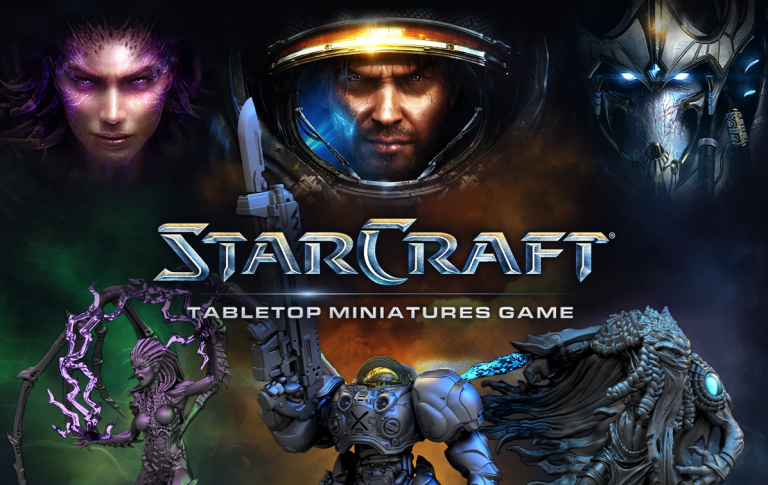
- The Protoss Exodus and Internal Strife: The proud Protoss, reeling from the loss of Aiur to the Zerg Swarm, embark on a perilous journey to Shakuras, the homeworld of the outcast Dark Templar. This forced alliance between long-divided factions tests their resolve and traditions.
- The United Earth Directorate’s Intervention: A formidable new force emerges from the depths of space – the UED. Representing the unified government of Earth, their expeditionary fleet arrives with a clear, ruthless agenda: to reclaim the Koprulu Sector and subjugate all its inhabitants, including the burgeoning Zerg Swarm, for the benefit of humanity.
- Kerrigan’s Ruthless Ascent: Freed from the Overmind’s direct control, Sarah Kerrigan, the former Ghost turned Zerg Cerebrate, begins a brutal and brilliant campaign of manipulation and conquest. Her objective: to become the undisputed sovereign of the Zerg Swarm and inflict vengeance upon all who wronged her.
The expansion’s narrative is renowned for its moral ambiguities, shocking betrayals, and the tragic downfall of once-noble characters. It presents a world where alliances are fleeting, and power is the ultimate arbiter, culminating in a dramatic struggle for supremacy that permanently alters the balance of power in the Koprulu Sector.
Chronology: The Unfolding Saga of Brood War
The narrative of Brood War is expertly structured into three distinct campaigns, each offering a unique perspective on the escalating conflict and the motivations of its primary protagonists.
The Protoss Campaign: Flight, Alliance, and Sacrifice
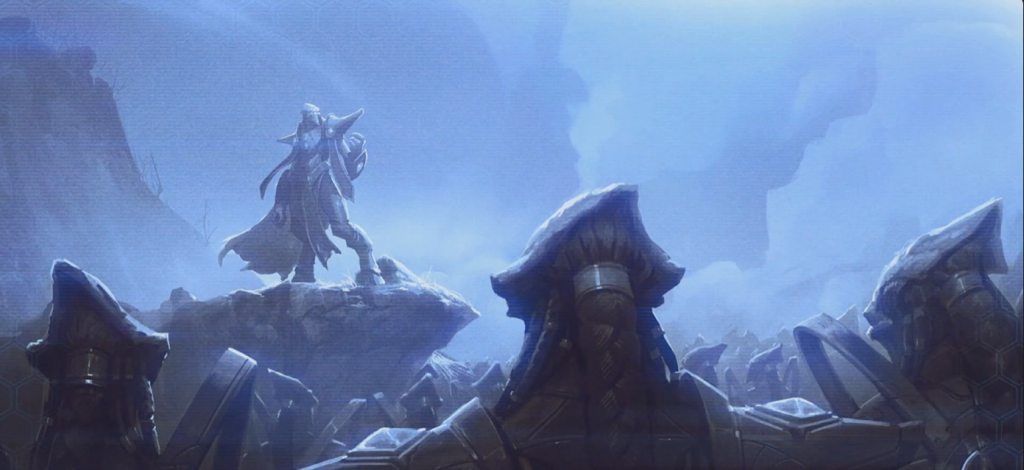
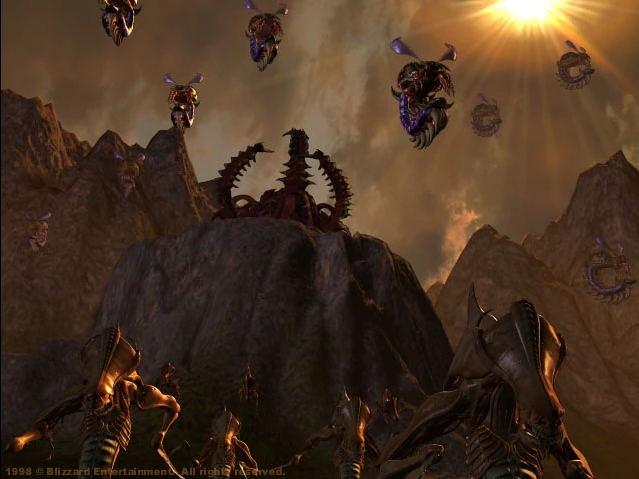
Following the death of the Zerg Overmind on Aiur, the alien world becomes a chaotic battleground. Lacking unified direction, the Zerg degenerate into primal, instinct-driven beasts, allowing the remnants of the Protoss forces to regroup. Despite their hard-won victory in the Great War, Aiur is irreversibly corrupted and overrun. Under the leadership of Executor Artanis and Praetor Fenix, the surviving Protoss initiate a desperate evacuation to Shakuras, the hidden homeworld of the Dark Templar, led by Zeratul and Matriarch Raszagal. Their escape is fraught with peril, battling through the last vestiges of organized Zerg resistance, notably the Cerebrate Daggoth, who relentlessly pursues them.
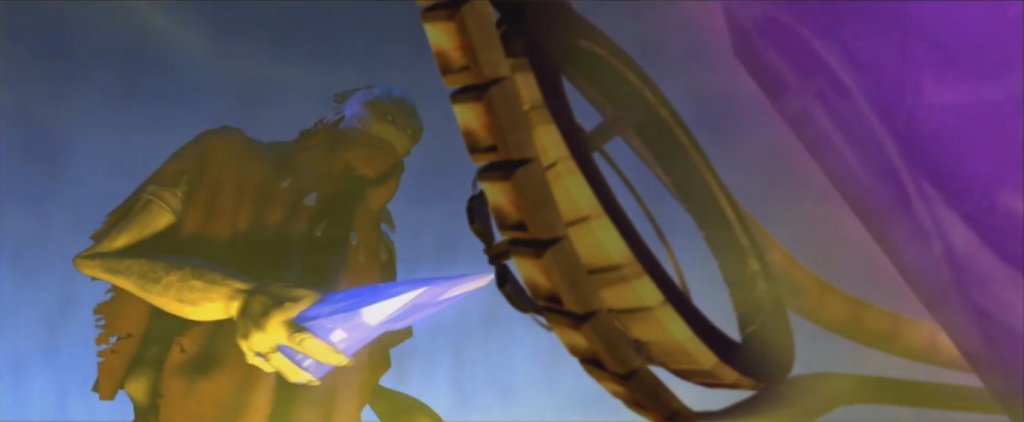
Upon their arrival on Shakuras, a new, unsettling alliance is forged. Sarah Kerrigan, whose free will has been restored with the Overmind’s demise, approaches the Protoss. She reveals Daggoth’s insidious plan to cultivate a new Overmind and warns that if unchecked, she too would eventually fall back under its influence. Kerrigan offers a Faustian bargain: in exchange for Protoss aid in destroying Daggoth and his nascent Overmind, she would help them retrieve two ancient Xel’Naga crystals infused with immense psionic energy. These artifacts, once activated at the Xel’Naga temple on Shakuras, held the power to purge the entire planet of its Zerg infestation. Facing annihilation, the Protoss, albeit reluctantly, accept.
Their quest for the crystals takes Protoss forces to the worlds of Braxis and Char. During these expeditions, they encounter a formidable new Terran adversary: the United Earth Directorate Expeditionary Fleet. Back on Shakuras, tensions rise. The conservative Judicator Aldaris grows increasingly suspicious of the Dark Templar and Kerrigan’s influence. His investigations uncover a horrifying truth: Matriarch Raszagal has fallen under Kerrigan’s insidious mental control, a fact concealed from the rest of the Protoss. Aldaris, loyal to the ancient traditions, rallies his remaining forces and declares war on the returning fleet, accusing them of heresy. Raszagal, compelled by Kerrigan, demands Aldaris’s execution for treason, deeply troubling Artanis and Zeratul, who remain oblivious to their Matriarch’s true condition. Cornered by Protoss forces, Aldaris attempts to expose Kerrigan’s manipulation, but before he can fully articulate his revelations, he is brutally slain by Kerrigan herself. Zeratul and Artanis, appalled, demand Kerrigan’s departure, which she mockingly grants, revealing that the Protoss have unwittingly served her agenda by eliminating many of the Zerg Cerebrates who opposed her rise to power.
Despite the chilling realization that activating the crystals plays directly into Kerrigan’s hands, the Protoss are left with no alternative. Shakuras teeters on the brink of being completely overrun by the Zerg. The combined Protoss forces fight their way to the ancient Xel’Naga temple and, with a heavy heart, activate the crystals. A massive psychic shockwave erupts, devastating much of Shakuras’s surface and obliterating the Zerg infestation, securing a temporary reprieve at a profound moral cost.
The Terran Campaign: Earth’s Ambition and Betrayal
The Terran campaign introduces a fresh perspective with the arrival of the United Earth Directorate (UED). Having clandestinely monitored the distant Koprulu Sector for years, the UED recognized the weakness of the local Terran Dominion and the vulnerability of the fledgling Zerg Swarm. Driven by a desire to restore order and exploit the sector’s resources, Earth dispatches its formidable Expeditionary Fleet, commanded by the honorable Admiral Gerard DuGalle and the astute Vice Admiral Alexi Stukov. Their primary mission: to capture and pacify the new Zerg Overmind, thereby gaining control of the Swarm, and to dismantle Arcturus Mengsk’s Terran Dominion.
The UED’s initial foray sees them clashing with Protoss forces on Braxis, who are engaged in their own crystal retrieval mission. After a brief skirmish, the UED withdraws, refocusing on a strategic objective: the planet’s capital, Boralis. Their plan is to seize Boralis’s intranet network to gather crucial intelligence on the Dominion and establish a foothold in the sector. They find an unexpected ally in Samir Duran, a former Ghost operative of the now-defunct Confederacy, who leads Confederate resistance forces. With Duran’s assistance, Boralis falls, though Stukov harbors deep suspicions regarding Duran’s true loyalties.
Armed with invaluable data from Boralis, the UED launches a series of decisive strikes. On Tarsonis, they secure a prototype Psi-Disruptor, a device designed to suppress psionic energy, the inverse of the Psi-Emitter’s function. Simultaneously, a full-scale assault is launched on Korhal, the capital of the Terran Dominion. Admiral DuGalle’s forces nearly capture Emperor Arcturus Mengsk, but he is narrowly rescued by the unlikely duo of Jim Raynor and Praetor Fenix. Kerrigan, having alerted them to the UED’s plan, convinced them that saving Mengsk was a necessary evil for the greater good. The UED pursues the escapees to Aiur, but just as they prepare an ambush, their position is overwhelmed by a sudden Zerg assault, forcing a strategic withdrawal.
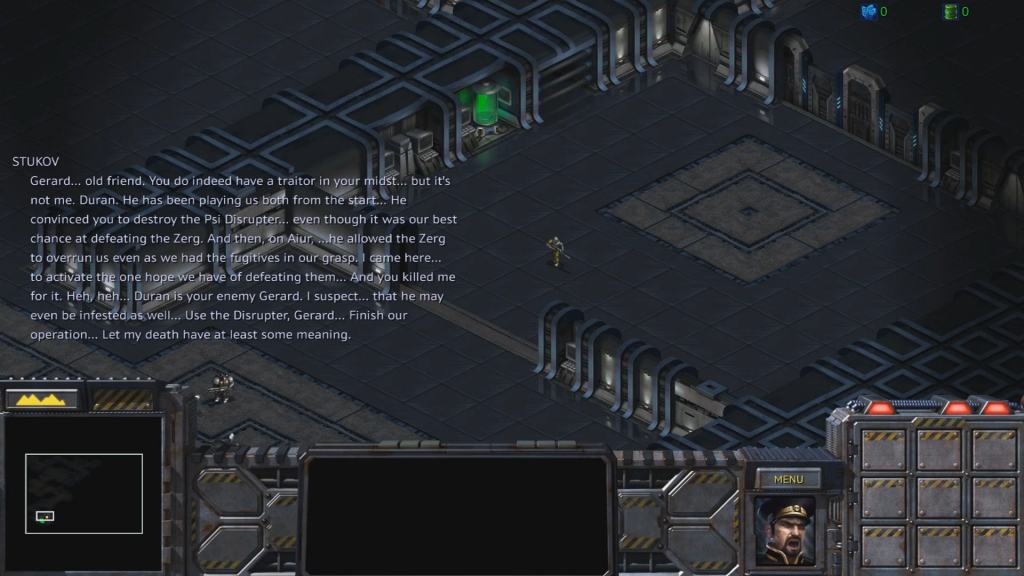
Stukov, increasingly convinced of Duran’s treachery, returns to Boralis. Duran, however, manipulates DuGalle into believing Stukov is the traitor. DuGalle dispatches a team, led by Duran, to apprehend Stukov. They confront Stukov, and Duran, in a shocking act, shoots him. With his dying breath, Stukov reveals Duran’s true nature as an infested Zerg agent intent on sabotaging the Psi-Disruptor. The UED swiftly realizes Stukov’s warning is true and races to prevent the disruptor’s destruction amidst a reactor meltdown. While Stukov seemingly perishes on Boralis, a bonus mission from the Nintendo 64 release of StarCraft hinted at his capture and subsequent Zerg infestation, setting the stage for his recurring role in future installments. This sequence underscores Brood War‘s recurring theme of betrayal and the tragic loss of trusted allies.
With their strategy solidified, the UED makes its move to capture and enslave the new Zerg Overmind. They travel to Char, the Overmind’s location, and activate the now-operational Psi-Disruptor, severing the Zerg hive mind’s cohesion. This creates a critical window for attack. The UED forces systematically destroy the three Cerebrates guarding the site, then employ psychoactive drugs to successfully capture and pacify the nascent Overmind, bringing the Zerg Swarm under Earth’s control.
The Zerg Campaign: The Queen of Blades’ Ascendancy
Freed from the Overmind’s influence, Kerrigan, the Queen of Blades, harbors a burning desire for revenge against all who have wronged her. Her ambition is singular: to seize absolute control of the Zerg Swarm and make the Koprulu Sector pay for her suffering. As the Zerg campaign commences, Kerrigan’s intricate web of manipulations begins to coalesce.
Working alongside the enigmatic Samir Duran, Kerrigan consolidates Zerg broods under her command. She then reaches out to Jim Raynor and Fenix, who still protect the recently rescued Arcturus Mengsk. Kerrigan proposes a new, cynical alliance: in exchange for a Psi-Emitter to gather more Zerg and their assistance in destroying the UED’s Psi-Disruptor, she would help Mengsk retake Korhal. With no other viable options, Mengsk, Fenix, and Raynor reluctantly agree. With their help, Kerrigan significantly bolsters her forces and successfully destroys the Psi-Disruptor, freeing the Zerg from UED control.
True to her word, Kerrigan launches a devastating assault on Korhal. Her revitalized Swarm, augmented by Terran Dominion forces under General Edmund Duke and Protoss warriors led by Fenix, overwhelms and annihilates the UED occupation. However, in a shocking act of betrayal immediately following the battle, Kerrigan turns on her former allies. She mercilessly strikes down both General Duke and Praetor Fenix, shattering their respective factions’ strength and eliminating potential future threats to her dominion. This ruthless act deeply scars Jim Raynor, transforming his hope for Kerrigan’s redemption into bitter hatred.
Leaving Korhal, Kerrigan and Duran plot their next move. To permanently destroy the enslaved UED Overmind, they require the unique abilities of the Dark Templar. Conveniently, they hold a powerful Dark Templar under their sway: Matriarch Raszagal. Traveling to Shakuras, Kerrigan and Duran capture Raszagal, drawing the immediate pursuit of Zeratul. Kerrigan offers Zeratul a chilling deal: help her kill the Overmind, and she would return his Matriarch. Raszagal, still under Kerrigan’s control, convinces Zeratul of the Overmind’s threat to the Protoss, and Zeratul, despite his profound misgivings about Kerrigan’s manipulations, agrees. With the Dark Templar’s psionic might, Kerrigan’s forces breach the UED lines on Char and Zeratul delivers the killing blow to the UED’s enslaved Overmind, forever ending its threat.
When the time comes to honor her side of the bargain, Raszagal, despite Kerrigan’s feigned release, refuses to return with Zeratul. Zeratul realizes the Matriarch remains enslaved and attempts to escape with her in stasis. However, Zerg forces overwhelm his outpost. Faced with the unbearable prospect of his leader becoming a permanent puppet for the Zerg, Zeratul makes the agonizing choice to kill Raszagal himself. With her dying breath, Raszagal thanks him, making him the rightful leader of the Dark Templar before succumbing. This tragic moment solidifies the theme of ultimate sacrifice and the devastating consequences of Kerrigan’s ambition.
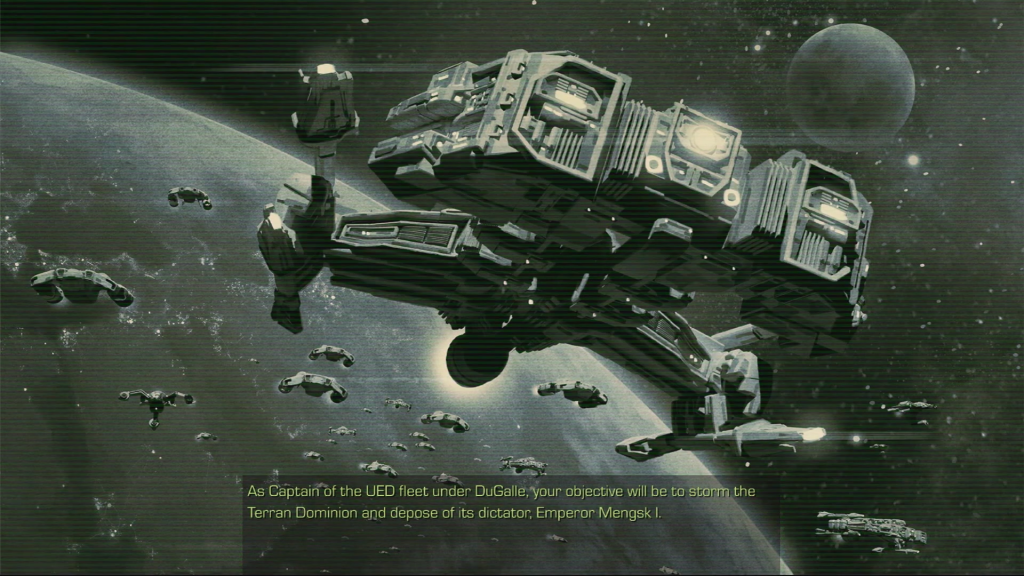
Meanwhile, high above Char, three formidable fleets converge: an Artanis-led Protoss fleet, a Mengsk-commanded Dominion fleet, and DuGalle’s UED fleet. All have set aside their bitter differences for a singular, desperate mission: to eliminate Kerrigan. Now in total command of the entire Zerg hive mind, Kerrigan relishes the challenge. She confronts the three fleets in an orbital station above Char, systematically defeating each one. She spares Mengsk and Artanis, allowing them to flee, but shows no mercy to the UED. She taunts DuGalle for his arrogance, even offering him a head start back to Earth before unleashing the Swarm. Realizing the futility of escape, DuGalle takes his own life, a final act of despair in the face of absolute defeat.
Though the Zerg Swarm suffers massive casualties during the Brood War, Kerrigan, the Queen of Blades, emerges as the undisputed victor and the most dangerous entity in the galaxy. The Zerg retreat into the shadows to recover, but Kerrigan’s reign has only just begun.
Dark Origins: The Seeds of a Greater Threat
Unbeknownst to Kerrigan, and indeed the entire Koprulu Sector, Samir Duran harbors a far deeper agenda. After the final battle of Char, Duran discreetly vanishes, his true motives and allegiances remaining shrouded in mystery. His actions cast doubt on the initial assumption that he was merely an infested Zerg agent.
Zeratul, however, is not so easily deterred. He relentlessly pursues Duran across the galaxy, eventually tracking him to an uncharted, desolate moon. There, he uncovers a clandestine research facility, protected by a legion of mercenaries, containing horrifying specimens of both Zerg and Protoss. Fighting his way through the base, Zeratul finally confronts Duran and witnesses the culmination of his horrifying work: a hybrid creature, part Zerg, part Protoss, suspended in stasis. Zeratul, horrified, demands to know if this is Kerrigan’s doing. Duran, with chilling detachment, reveals that he serves "far greater powers" than the Queen of Blades. When Zeratul presses him for his true identity, Duran cryptically states that he has been known by many names over millennia and that the hybrid before them represents the "completion of a cycle" long in the making.
Zeratul, understanding the existential threat these hybrids pose, destroys the creature before making his escape. Duran, undeterred, mocks him, claiming that he has already seeded hybrids on countless worlds and that it is too late to stop him. Zeratul obliterates the base, and Duran once again vanishes into the shadows. His true identity, his shadowy master, and the ultimate purpose of the hybrids remain unclear, but they hint at a cosmic threat far beyond the comprehension of the warring factions, a danger unlike anything the galaxy has ever faced.
Supporting Data: Themes, Characters, and Narrative Acumen
StarCraft: Brood War‘s narrative brilliance lies not just in its intricate plot, but in its masterful character development and thematic depth. As Bernhardt’s commentary highlights, the expansion truly shines in its "thematic throughline," presenting a consistent exploration of betrayal, power, and moral ambiguity.
The Weight of Betrayal: Betrayal is the central motif of Brood War. From Kerrigan’s calculated manipulation of the Protoss and her brutal double-crossing of her Terran and Protoss allies (Fenix, Duke), to Duran’s ultimate revelation as a multi-millennial deceiver, the narrative constantly challenges the player’s perception of alliances and trust. The deaths of Aldaris and Stukov, both victims of misdirection and treachery, underscore the high cost of this galactic power play. Even Zeratul is forced into the ultimate betrayal – killing his own Matriarch – to prevent her further exploitation. This relentless focus on betrayal makes Kerrigan’s character particularly potent; she is not simply "evil" due to Zerg corruption (a narrative choice that would later be debated in StarCraft II), but a calculated, traumatized individual who, having been betrayed by everyone, decides to inflict that suffering upon the galaxy.
Character Arcs and Development:
- Aldaris: His arc, from a judgmental irritant to a principled, albeit doomed, truth-teller, provides a tragic depth to the Protoss campaign.
- Artanis: While Bernhardt notes his future role as "The Only Important Protoss," in Brood War, he is presented as a capable, noble Executor grappling with impossible choices and the moral complexities of his people’s survival.
- Stukov: A pragmatic and honorable military leader, Stukov’s suspicion of Duran proves prophetic, and his ultimate sacrifice (and later, twisted return) adds a layer of personal tragedy to the UED’s ambitious campaign.
- Kerrigan: The undisputed star of Brood War, her transformation into the ruthless Queen of Blades is compelling. Her actions, while villainous, are portrayed with a chilling logic, driven by a desire for control and vengeance. Her character, as Bernhardt aptly points out, "earned Raynor’s hatred" through sheer, calculated ruthlessness, a quality later diluted by StarCraft II‘s redemption arc.
RTS Storytelling Redefined: In an era where real-time strategy games often prioritized gameplay mechanics over narrative, Brood War stood out. It demonstrated that an RTS could deliver a cinematic, emotionally resonant story with complex characters and a sprawling plot worthy of a high-budget sci-fi epic. The way it seamlessly wove the three campaigns, showing events from different perspectives and revealing layers of deception, was revolutionary for its time.
Official Responses and Critical Acclaim
Upon its release, StarCraft: Brood War was met with universal critical acclaim, cementing its place as one of the greatest video game expansions of all time. Critics lauded its innovative gameplay additions, enhanced balance, and most notably, its profound and engaging storyline. Gaming publications frequently cited Brood War‘s narrative as a gold standard for the RTS genre, praising its mature themes, character development, and shocking plot twists.
While official developer commentaries on the specific narrative choices are not widely published in the original article, the quality of the storytelling itself serves as an implicit "official response" to the perceived limitations of RTS narratives. Blizzard Entertainment, through Brood War, demonstrated a clear intent to elevate the genre beyond simple mission briefings and into the realm of complex, character-driven drama. The game’s success validated this approach, influencing subsequent RTS titles and setting a high bar for narrative ambition within the genre. The sheer popularity and enduring legacy of characters like Kerrigan, Zeratul, and Raynor speak volumes about the impact of the game’s story on its audience.
Implications: A Legacy Etched in the Stars
StarCraft: Brood War‘s narrative implications are vast and long-lasting, fundamentally shaping the StarCraft universe for decades to come.
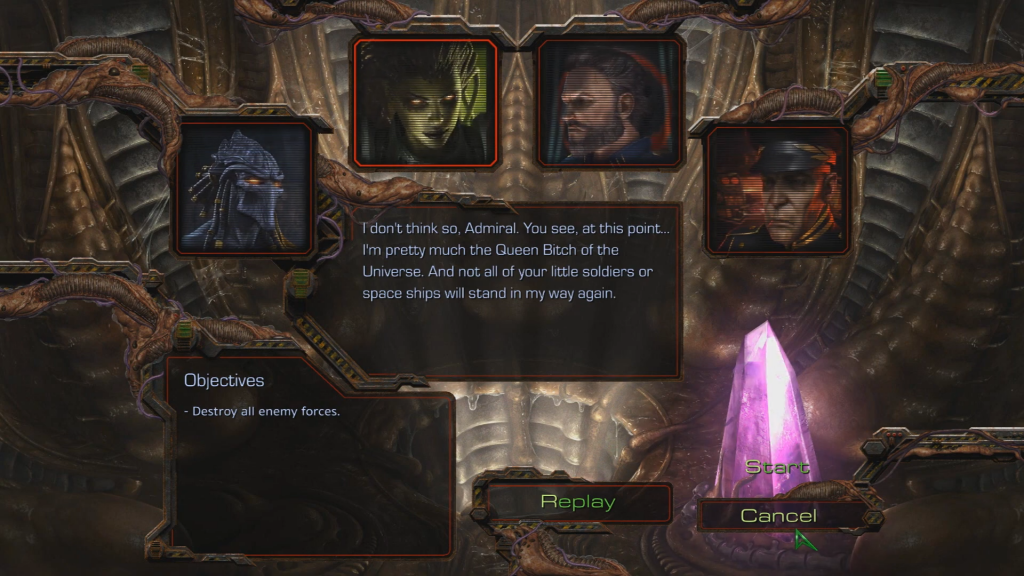
Firstly, Kerrigan’s unchallenged ascendancy as the Queen of Blades established her as the dominant force and primary antagonist of the sector. Her absolute control over the Zerg Swarm transformed the galactic threat from a mindless force of nature into a calculating, vengeful empire, forever altering the dynamics between the three races.
Secondly, the UED’s humiliating defeat marked the end of Earth’s direct intervention in the Koprulu Sector, leaving the local Terran Dominion, Protoss remnants, and Zerg Swarm to grapple with their own destinies, albeit under Kerrigan’s shadow. The UED’s failure also highlighted the dangers of underestimating the "primitive" inhabitants of the sector.
Thirdly, the fractured state of the Protoss after the events on Shakuras and the death of Raszagal under Zeratul’s hand left them vulnerable and forced to confront their ancient schisms. Zeratul’s ascension as leader of the Dark Templar, burdened by his tragic choices, set him on a solitary quest for knowledge and redemption that would define his character in future installments.
Finally, and perhaps most significantly, the revelation of the Hybrids and Duran’s true master in the "Dark Origins" bonus mission introduced an overarching, cosmic threat that dwarfed all previous conflicts. This cryptic foreshadowing of the Xel’Naga and a grand, millennia-old cycle of creation and destruction provided a tantalizing glimpse into the deeper lore of the StarCraft universe, laying the groundwork for the epic saga of StarCraft II and its exploration of the ancient species’ legacy. While StarCraft II‘s narrative choices, particularly regarding Kerrigan’s redemption, would later become a point of contention for fans and critics alike, the foundational elements of its story – the Hybrid threat, the search for the Xel’Naga, and the lingering consequences of Brood War‘s betrayals – were all firmly established by this seminal expansion.
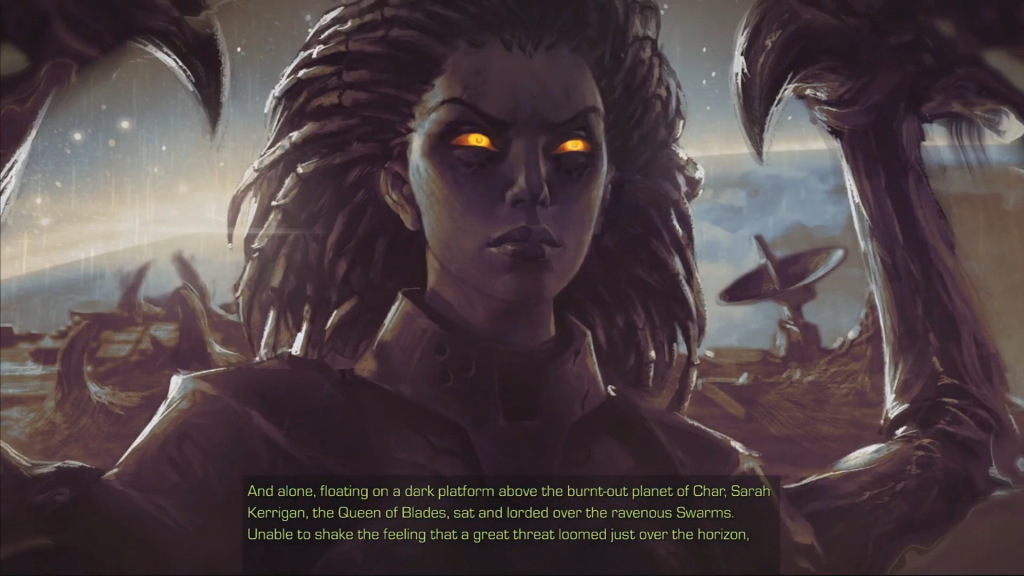
StarCraft: Brood War remains a monumental achievement in video game storytelling, a testament to how deep and engaging narratives can be woven into the fabric of a real-time strategy game. Its legacy endures, not just in its gameplay, but in the unforgettable characters and the sprawling, tragic saga it unfurled across the stars.



Leave a Comment