Object Impermanence: A Mind-Bending Puzzle Game Challenges the Very Nature of Existence
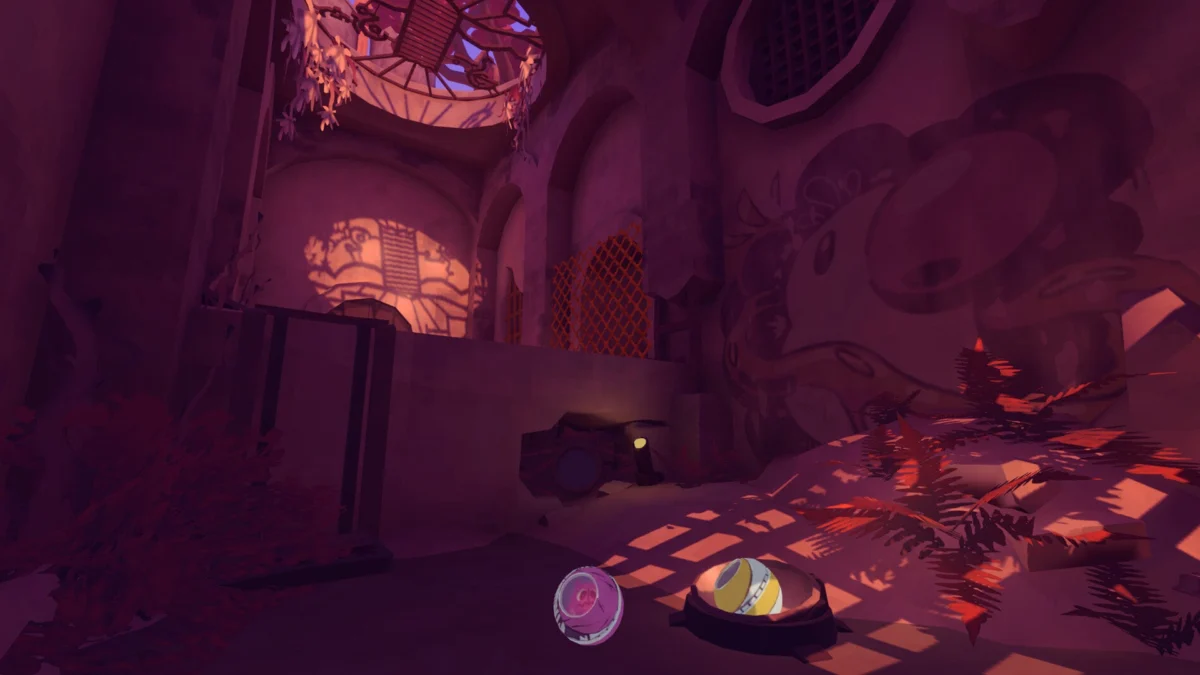
A new puzzle game, "Object Impermanence," is set to redefine player interaction by introducing a core mechanic that challenges the fundamental concept of object permanence. Inspired by a baby’s struggle to grasp that objects continue to exist even when out of sight, this upcoming title from Slugware promises a unique and often disorienting gameplay experience where reality itself is contingent on the player’s gaze.
The Core Concept: Existence Through Observation
At its heart, "Object Impermanence" is a first-person puzzle game that cleverly weaponizes the psychological principle of object permanence. For infants, the realization that a hidden object still exists is a significant developmental milestone. In "Object Impermanence," this struggle is amplified and gamified. The central premise is stark: an object ceases to exist the moment it leaves the player’s line of sight. This seemingly simple rule unlocks a cascade of complex challenges and innovative puzzle design, forcing players to constantly re-evaluate their surroundings and their own perception.
The game’s narrative is rooted in a science fiction premise. Players assume the role of a member of a science expedition that crash-lands on an uncharted alien planet. While investigating the ruins of a seemingly long-extinct civilization, players uncover the planet’s peculiar physical laws, the very foundation of which is the impermanence of objects. This narrative backdrop provides a compelling reason for the game’s unique mechanics, weaving the gameplay into the unfolding mystery of this lost world.
A Chronicle of Ingenuity: From Concept to Gameplay
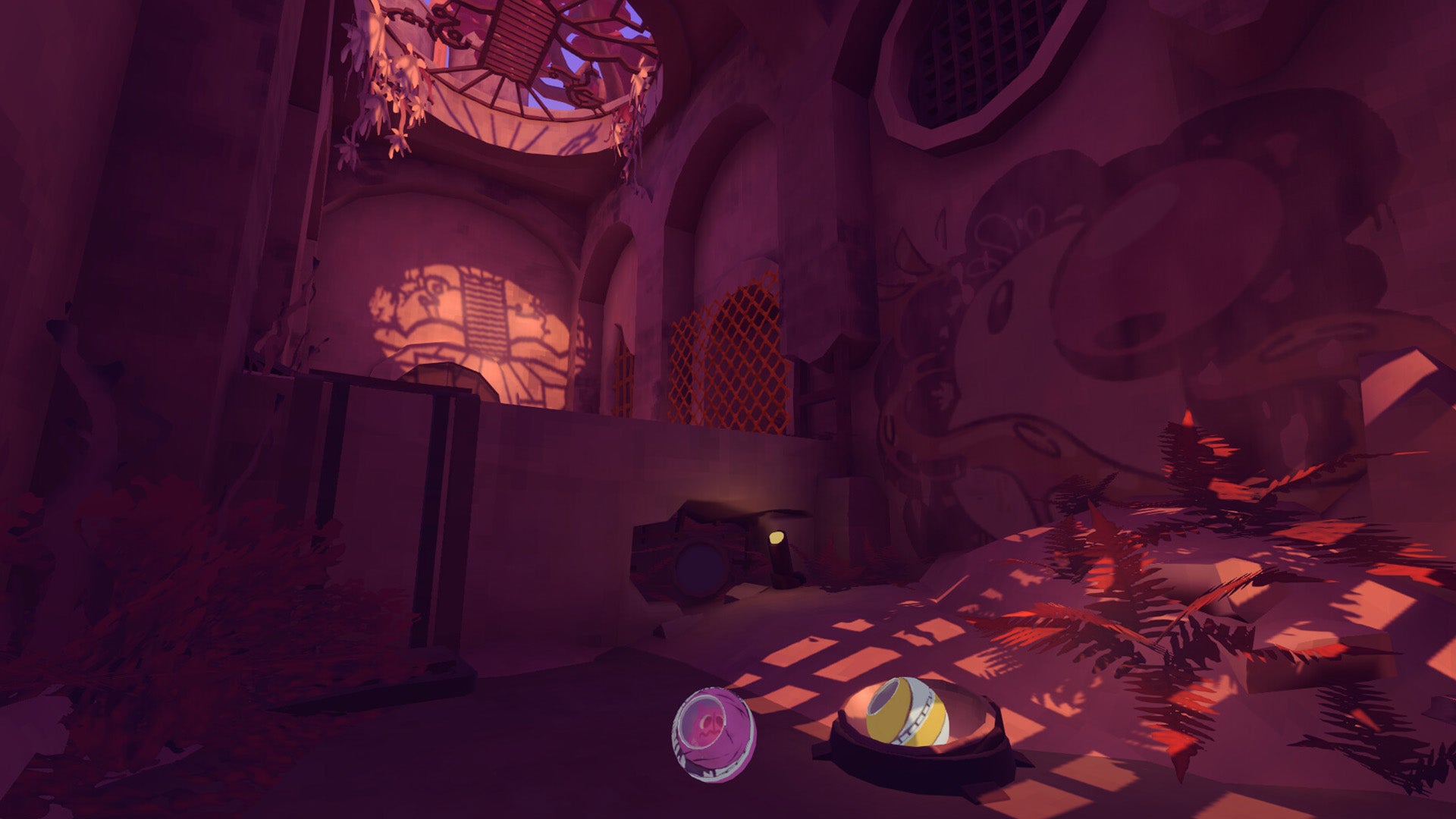
The inspiration for "Object Impermanence" appears to draw a direct line from the acclaimed puzzle game "Portal." Much like "Portal" utilized its iconic portal gun to manipulate spatial relationships and solve environmental puzzles, "Object Impermanence" employs the player’s gaze as its primary tool. Puzzles often revolve around manipulating objects, such as peculiar alien spheres, to trigger mechanisms like opening doors. However, the twist is that these spheres, and indeed many other elements within the game world, will vanish if not actively observed.
This mechanic has profound implications for how players approach even the most basic actions. For instance, a puzzle might require a player to roll a sphere through a pipe. If the player’s attention wavers, or if they are unable to maintain direct visual contact through the pipe’s openings, the sphere will simply cease to exist mid-roll. This forces a meticulous and often nerve-wracking approach to problem-solving, where even a fleeting distraction can reset progress.
The game’s developer, Slugware, has demonstrated a keen understanding of how to escalate the complexity of this core concept. Beyond simple object manipulation, the "impermanence" extends to environmental obstacles. A particularly striking example highlighted in the game’s reveal trailer involves a sewer grate. Normally an impassable barrier, the grate can be circumvented by the player turning their back to it. By choosing to not see the grate, it effectively ceases to exist, allowing the player to walk backward through the space it previously occupied. This demonstrates a creative application of the game’s central tenet, encouraging players to think laterally and exploit the very limitations imposed upon them.
The reveal trailer also offers a glimpse into the more action-oriented and suspenseful applications of the mechanic. In one scene, a speeding train car appears to be on a collision course with the player. However, by quickly averting their gaze, the player can effectively "un-exist" the train car, narrowly avoiding disaster. This suggests that "Object Impermanence" will not solely be a cerebral puzzle experience but will also incorporate elements of reflex and quick thinking, adding another layer of tension and engagement.
Supporting Data: The Psychological Underpinnings and Design Philosophy
The concept of object permanence is a cornerstone of developmental psychology, first extensively studied by Jean Piaget. His work demonstrated that infants typically develop this understanding between the ages of 8 and 12 months. Before this stage, an object that is hidden from view is effectively gone from the infant’s world. "Object Impermanence" taps into this fundamental human developmental process, transforming a childlike cognitive hurdle into a sophisticated gameplay challenge for adults.
Slugware’s design philosophy appears to be centered on leveraging this psychological principle to create a unique and memorable player experience. The decision to make the player’s gaze the primary interactive element is a bold one, eschewing traditional control schemes in favor of a more intuitive, albeit disorienting, method of interaction. This approach has the potential to create moments of genuine awe and frustration, as players grapple with the tangible consequences of their own perception.
The game’s visual aesthetic, as seen in the provided imagery, complements its conceptual foundation. The dilapidated, quaint, and distinctly alien architecture suggests a world that is both familiar in its decay and utterly foreign in its construction. This visual style likely serves to further immerse players in the game’s peculiar reality, where the very fabric of existence is uncertain. The use of carefully crafted environments, with specific vantage points and visual cues, will be crucial for the game’s puzzle design, guiding players towards solutions while simultaneously reinforcing the core mechanic.
Official Responses and Developer Insights
While direct quotes from Slugware are not yet extensively available, the game’s reveal trailer and Steam page provide a clear indication of their intentions. The trailer itself acts as a narrative and gameplay exposition, highlighting the core mechanics and hinting at the game’s thematic depth. The developer’s decision to embrace a concept as abstract as object permanence suggests a commitment to pushing the boundaries of puzzle game design.
The inclusion of a demo on Steam, alongside the ability to wishlist the game, indicates a proactive approach to community engagement. This allows players to experience the core mechanics firsthand and provide feedback, which can be invaluable in the development process, particularly for a game with such an unconventional premise. The rough release window of Q4 2026 suggests a development cycle focused on refining these unique mechanics and ensuring a polished final product.
Implications: A New Frontier for Interactive Entertainment
"Object Impermanence" has the potential to leave a significant mark on the puzzle game genre and, by extension, the broader landscape of interactive entertainment.
- Rethinking Player Agency: The game challenges the traditional notion of player agency, where actions have predictable and consistent outcomes. In "Object Impermanence," the outcome of an action can be dictated by the player’s own perception, introducing an element of self-imposed limitation that is rarely explored.
- Augmented Reality and VR Potential: The core mechanic of gaze-based interaction is remarkably well-suited for future applications in virtual reality (VR) and augmented reality (AR). Imagine a VR experience where the player’s head movements directly control the existence of objects in the virtual world. This could lead to incredibly immersive and mind-bending experiences.
- Cognitive Engagement: By directly engaging with a fundamental aspect of human cognition, "Object Impermanence" offers a unique form of intellectual stimulation. It encourages players to think about perception, reality, and the very nature of existence in new and profound ways.
- Narrative Integration: The sci-fi narrative provides a strong framework for the game’s mechanics, demonstrating how innovative gameplay can be deeply intertwined with storytelling. This approach can elevate puzzle games from mere exercises in logic to more emotionally resonant and thematically rich experiences.
- A Test of Patience and Perception: The game is likely to be a significant test of player patience and their ability to adapt to a world that defies conventional understanding. The moments of frustration when an object vanishes, followed by the triumph of finding a solution through careful observation, will likely be highly rewarding.
As "Object Impermanence" progresses towards its anticipated release, it stands as a testament to the power of conceptual innovation in game design. By daring to question the fundamental rules of reality, Slugware is poised to deliver an experience that is not only challenging and engaging but also thought-provoking and potentially paradigm-shifting. Players eager to explore the boundaries of their own perception and unravel the mysteries of a world where existence is a matter of sight will undoubtedly find "Object Impermanence" a compelling destination.