Oblivion Remastered: Optimizations for Switch 2 Hint at Potential PC and Console Fixes Amidst Lingering Issues
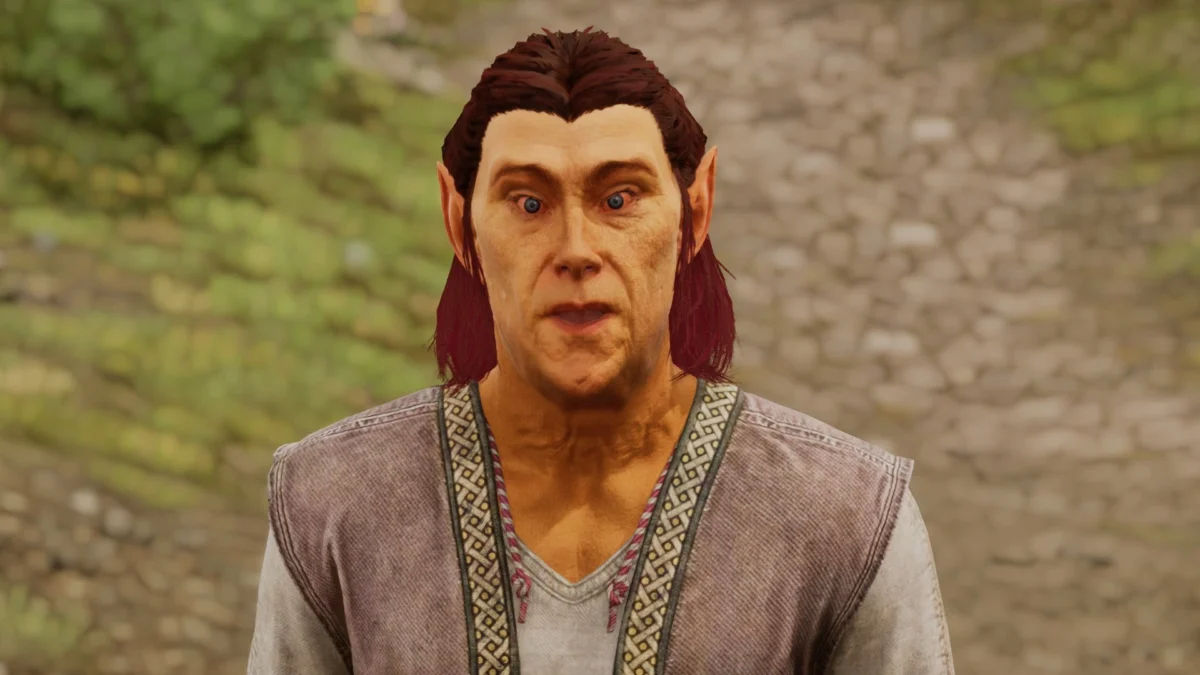
A year after its release, Bethesda’s ambitious overhaul of The Elder Scrolls IV: Oblivion continues to grapple with persistent technical challenges. While no immediate PC patch has been confirmed, the studio has revealed that optimizations developed for the upcoming Nintendo Switch 2 port may eventually find their way to other platforms, offering a glimmer of hope for frustrated players.
The gaming world is a dynamic landscape, constantly evolving with new hardware and ambitious re-releases. Yet, sometimes, the past casts a long shadow, and even the most anticipated remasters can find themselves battling the ghosts of their original iterations. Such is the case with Oblivion Remastered, the ambitious project that aimed to breathe new life into Bethesda’s beloved 2006 RPG, The Elder Scrolls IV: Oblivion. While the game received a significant patch, Update 1.2, just over a year ago—intended to bolster performance and address a litany of bugs that had plagued the initial launch—progress has since been conspicuously silent. This extended period without substantial updates has left many players questioning the long-term support for the title, especially in light of ongoing issues that continue to surface.
However, in a recent development that has sparked cautious optimism within the community, Bethesda has acknowledged that optimizations being implemented for the forthcoming Nintendo Switch 2 port of Oblivion Remastered could potentially be extended to PC and other console versions in the future. This revelation comes amidst a broader discussion about the studio’s communication strategy and its ongoing commitment to its player base.
The Lingering Shadows of Launch: A Year of Persistent Problems
The release of Oblivion Remastered was met with a mixture of excitement and trepidation. On one hand, the prospect of experiencing the vast, intricate world of Cyrodiil with modern graphical enhancements and improved performance was a tantalizing one. On the other, the specter of Oblivion‘s original technical quirks, which were famously extensive and often humorously game-breaking, loomed large.
Indeed, the initial launch of Oblivion Remastered did not entirely escape these concerns. While Update 1.2, released approximately twelve months ago, represented a substantial effort to rectify these issues, it appears that not all problems were definitively vanquished. Reports and analyses from various gaming outlets, including Digital Foundry, have highlighted that Oblivion Remastered has, in many respects, remained "broken" even a year post-release. This persistence of bugs and performance inconsistencies has understandably led to a degree of player dissatisfaction and a decline in the game’s reception over time.
The nature of these persistent issues can range from minor visual glitches to more significant gameplay impediments. Players have reported instances of quest progression being halted due to improperly spawned items, AI pathfinding anomalies, and the ever-present threat of frame rate drops in demanding areas. While the original Oblivion was celebrated for its emergent gameplay and the often-unpredictable, humorous consequences of its complex systems, a remaster is generally expected to iron out the most egregious technical flaws, allowing the core experience to shine without undue disruption. The continued presence of these issues in Oblivion Remastered has, for many, undermined the very purpose of a modern re-release.
A Glimmer of Hope: Switch 2 Optimizations on the Horizon?
The most significant recent development regarding Oblivion Remastered‘s future support comes from a direct exchange between Bethesda and prominent YouTuber MrMattyPlays. In anticipation of the game’s release on the Nintendo Switch 2 on August 11th, MrMattyPlays posed a crucial question regarding any planned patches or fixes specifically for this new port, and by extension, for other platforms.
Bethesda’s response, while not a definitive promise of an immediate PC patch, offered a significant piece of information. The studio stated that "the team working on remasters is focused on the Switch 2 launch, which has optimisations we hope to bring back to console/PC." This statement is a crucial indicator of the studio’s intentions. It suggests that the development team is actively working on improving the game’s performance and stability, with the Switch 2 port serving as a proving ground for these enhancements.
The implication here is that the work undertaken to ensure a smooth and enjoyable experience on Nintendo’s next-generation handheld console will not be siloed. If successful, these "optimisations" are intended to be ported back to the existing PC and console versions of Oblivion Remastered. This approach, while potentially extending the wait for PC players, demonstrates a commitment to leveraging the development efforts for the Switch 2 port to benefit the wider player base.
It’s important to note that this is not a concrete declaration of an imminent PC patch. The phrasing "we hope to bring back" suggests a degree of uncertainty, and the timeline for such a transfer remains undefined. However, for a game that has been largely without major updates for a year, this statement represents a tangible sign that Oblivion Remastered is not being abandoned. It is, as the original article notes, "something"—a crucial piece of information that offers a potential pathway towards a more polished and stable experience.
Chronology of Support and Development: A Timeline of Oblivion Remastered
To better understand the current situation, a chronological overview of Oblivion Remastered‘s development and support is beneficial:
- Initial Release of Oblivion Remastered: The game launches, aiming to modernize the classic Elder Scrolls IV: Oblivion. Early player feedback and critical reviews highlight persistent technical issues and bugs.
- Release of Update 1.2 (Approximately 12 months ago): This significant patch is deployed with the stated goal of improving performance and fixing a substantial number of bugs. For a period, this update appears to be the primary focus of the development team’s efforts.
- Period of Silence (Post-Update 1.2 to Present): Following the release of Update 1.2, Oblivion Remastered experiences a prolonged period without major content updates or significant bug fixes. Player concerns about the game’s ongoing stability and support begin to mount.
- Confirmation of Switch 2 Port and Optimization Plans (Recent): Bethesda confirms the upcoming release of Oblivion Remastered on the Nintendo Switch 2, scheduled for August 11th. Crucially, they reveal that optimizations for this port are being developed with the intention of bringing them to PC and other consoles.
- Bethesda’s Broader Communication Strategy Shift: Alongside the news about Oblivion Remastered, Bethesda also addresses the recent "here’s what we’re working on" communication post, indicating a long-contemplated shift in their approach to transparency.
This timeline underscores the extended period of relative quiet following Update 1.2, making the recent announcement regarding Switch 2 optimizations particularly noteworthy.
Supporting Data: The Case for Further Fixes
The ongoing need for fixes and performance improvements in Oblivion Remastered is well-documented. Several key indicators support this assertion:
- Persistent Technical Issues: As mentioned, outlets like Digital Foundry have continued to report on the game’s technical shortcomings, even a year after its release. These reports often delve into specific performance metrics and graphical anomalies, providing concrete evidence of the game’s unpolished state.
- Mixed Steam Reviews: A glance at the Steam store page for Oblivion Remastered reveals that player reviews remain "mixed." This categorization is a strong indicator that a significant portion of the player base is experiencing issues that detract from their enjoyment of the game. Mixed reviews typically reflect a division of opinion, with many players encountering problems that overshadow the positives.
- Player Anecdotes and Community Feedback: Online forums, social media, and gaming communities are replete with player anecdotes detailing their experiences with Oblivion Remastered. These firsthand accounts often describe specific bugs, quest failures, and performance drops, reinforcing the notion that the game requires further attention. For example, the original article references the potential for players to be "locked out of a key faction quest" due to a bug, a scenario that severely compromises the integrity of the game’s narrative progression.
- The Question of Remaster Value: The ongoing issues raise a pertinent question about the value proposition of playing a remastered version over the original. If players must resort to "old tricks" or community patches to avoid game-breaking bugs, the benefit of a professionally developed remaster diminishes significantly. This is particularly relevant given Bethesda’s recent confirmation of remasters for Fallout 3 and Fallout: New Vegas, suggesting a pattern of revisiting older titles.
Official Responses and Communication Strategy
Bethesda’s recent statements offer insight into their current priorities and their evolving approach to public communication. The response to MrMattyPlays regarding the Switch 2 optimizations is a clear indication that the development team is actively engaged in improving Oblivion Remastered. The intent to bring these optimizations to other platforms suggests a strategic approach to development, where advancements made for one platform are considered for wider deployment.
Furthermore, the studio’s commentary on their recent comprehensive "here’s what we’re working on" post is also significant. Bethesda stated that this was emblematic of "a shift in our approach to communications that Bethesda Game Studios has been contemplating for some time now." This suggests a deliberate move towards greater transparency and proactive engagement with the player base.
While the timing of this communication shift, coinciding with recent shifts in leadership and strategy within Microsoft (Bethesda’s parent company) and subsequent widespread layoffs, might lead some to draw conclusions, Bethesda attributes it to an internal, long-standing contemplation. Regardless of the exact catalysts, the studio appears to be acknowledging the importance of keeping players informed about their development roadmaps and future plans.
As the original article author points out, this type of response is often expected in such situations. However, the fact that it’s being rolled out concurrently with broader company-wide changes does lend credence to the idea that a "reset" might be influencing these communication strategies. The ultimate truth of the situation may be a blend of internal reflection and external pressures.
Implications for the Future: What This Means for Players
The announcement regarding Switch 2 optimizations for Oblivion Remastered carries several significant implications for players:
- Potential for a More Stable Experience: The most immediate and hopeful implication is that players on PC and other consoles may eventually experience a more stable and performant version of Oblivion Remastered. If the optimizations are successful on the Switch 2, they have the potential to address some of the long-standing bugs and performance issues that have plagued the game.
- Extended Support, But Uncertain Timeline: This news confirms that Oblivion Remastered is not a forgotten project. However, it also implies that players eager for immediate fixes might have to wait. The development is currently focused on the Switch 2 launch, and the subsequent transfer of optimizations to other platforms will naturally take time.
- Bethesda’s Evolving Communication: The studio’s stated intention to be more transparent is a positive development for the gaming community. Greater clarity on development roadmaps and support plans can help manage player expectations and foster a stronger sense of trust.
- Impact on Future Remasters: The success or failure of these optimization efforts for Oblivion Remastered could have a bearing on how Bethesda approaches future remasters, such as those planned for Fallout 3 and Fallout: New Vegas. Lessons learned from Oblivion Remastered‘s development and support cycle will likely inform their strategies moving forward.
- A Cautious Optimism: Ultimately, the situation calls for cautious optimism. While the prospect of further fixes is encouraging, the lack of a concrete timeline and the history of persistent issues mean that players should temper their expectations. The focus on the Switch 2 port is a step in the right direction, but the true impact will be seen when and if these optimizations are successfully implemented across all platforms.
In conclusion, Oblivion Remastered‘s journey since its release has been a testament to the challenges of bringing beloved classics into the modern era. While the game continues to grapple with technical imperfections, the recent revelation about optimizations for the Nintendo Switch 2 port offers a ray of hope. This development, coupled with Bethesda’s stated commitment to improved communication, suggests a potential for a more polished and enjoyable experience for players in the future. However, the path forward remains to be seen, and the community will undoubtedly be watching closely for the tangible results of these ongoing efforts.