The Overrated Allure of the Blank Slate: Why Pre-Defined Characters Often Steal the Show
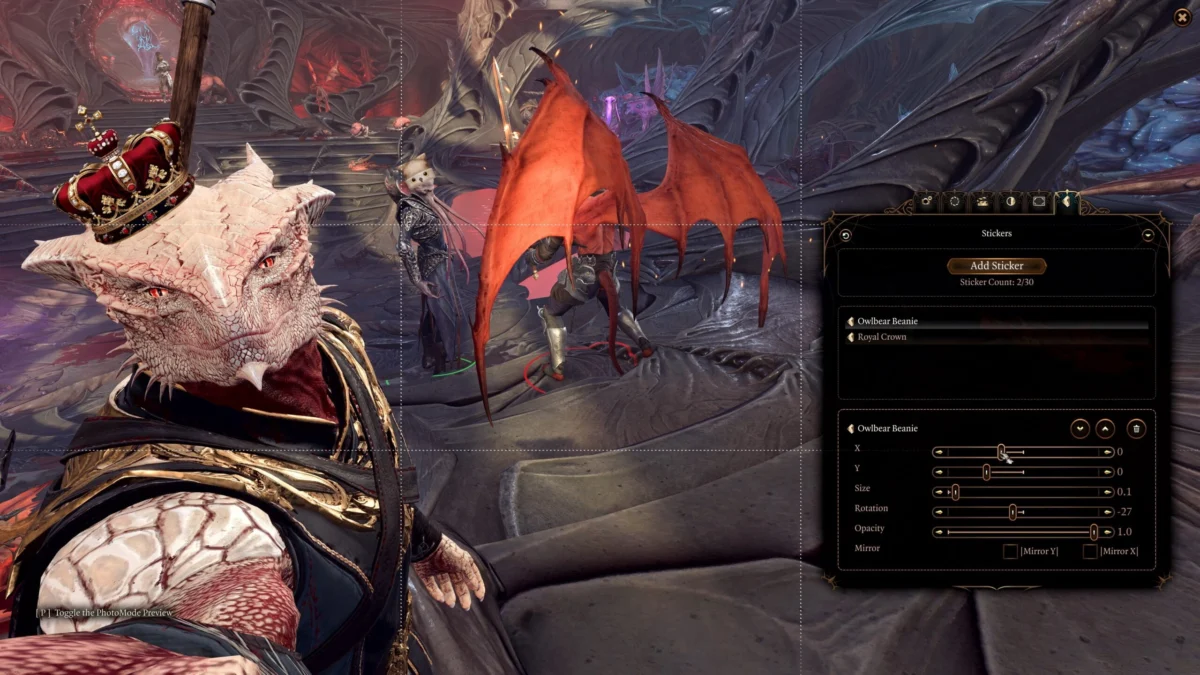
For decades, character creators have been a cornerstone of video game design, particularly in genres like RPGs and MMOs. They offer players a powerful tool for self-expression, allowing them to craft avatars that range from idealized fantasies to grotesque parodies of themselves. This perceived integral feature, however, is arguably overvalued. A compelling argument can be made that, in at least ninety percent of cases, players would be better served by embracing characters meticulously crafted by developers, as these pre-defined protagonists often foster deeper narrative engagement and a more resonant gaming experience.
The Illusion of Uniqueness: Beyond Cosmetic Customization
While the ability to meticulously sculpt one’s in-game persona holds undeniable appeal, the emphasis on purely cosmetic customization often overshadows more crucial narrative elements. The freedom to alter Commander Shepard’s appearance, for instance, allows for a personalized aesthetic, but does it fundamentally alter the player’s connection to the character’s journey? The core of the argument lies not in denying players the visual control they crave, but in questioning whether this control truly translates into a more meaningful or impactful gameplay experience.
The advent of games like Baldur’s Gate 3 has brought this debate into sharp focus. The game boasts a remarkably robust character creator, even extending to minute physical details. Yet, it also starkly highlights the dichotomy between player-created characters and those with pre-established narrative anchors. The "Tav," the archetypal blank slate adventurer, stands in contrast to the "Dark Urge" (or "Durge"), a character with a pre-existing, albeit mysterious, backstory. This comparison serves as a potent illustration of how even a minimal narrative framework can profoundly enrich a character’s presence within a game world.
The Narrative Anchor: Why Being "Somebody" Matters
The strength of a pre-defined character often lies in their inherent narrative stake within the game’s universe. Unlike Tav, who is essentially a newcomer thrust into a world with little prior connection, the Durge possesses a built-in internal conflict and a past that actively shapes their present. While Tav’s journey begins with a similar premise – acquiring a tadpole and meeting key companions – their narrative arc lacks the depth and resonance afforded to the Durge.
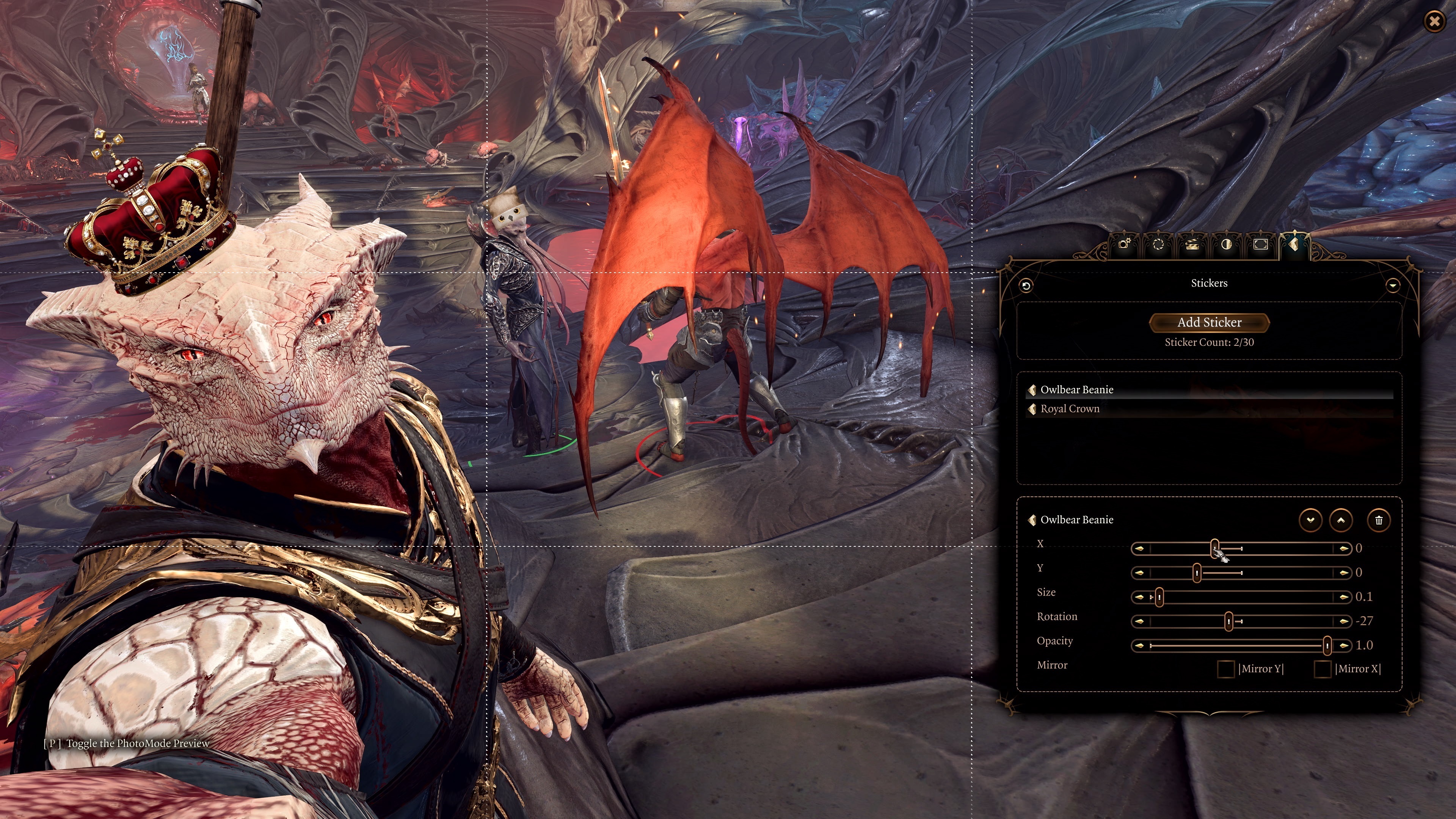
As Baldur’s Gate 3‘s story progresses, the significance of having a defined identity becomes increasingly apparent. By Act 3, the Durge is privy to unique cutscenes, dialogue options, and even a climactic personal transformation, all stemming from their established narrative. Tav, conversely, experiences a more generalized progression, often lacking the same level of personalized emotional weight. This isn’t to say Tav’s journey is devoid of player agency; players still make critical decisions that shape their character’s alignment and actions. However, these decisions are often reactive, responses to external events rather than intrinsic character development driven by a pre-existing narrative. The Durge, despite having a more constrained set of ultimate narrative outcomes, benefits from those options being exceptionally fleshed out, providing players with a deeper root in the story and pre-existing relationships that enhance immersion.
The Challenge of the Blank Slate: Crafting a Coherent Identity
The fundamental challenge with a "blank slate" character is the inherent difficulty in writing a protagonist who can be anyone while simultaneously possessing pre-existing ties to established factions or individuals. Such characters are akin to a fully formed human being brought into existence the day before the main plot commences, with no prior history or connections.
Cyberpunk 2077 offers a partial attempt to address this with its initial origin choices. However, even with these limited options – Nomad, Street Kid, or Corpo – the narrative integration isn’t always seamless. The Corpo background, for instance, often draws criticism for feeling disconnected from the broader narrative, despite some players finding enjoyment in it. This illustrates the inherent tension: the implied freedom of a blank slate character can clash with the need for a satisfying backstory and established connections. Developers are forced to impose some level of pre-defined identity to make the character feel grounded, yet this can, in turn, feel restrictive to players seeking ultimate freedom. The limited nature of these origin stories in games like Cyberpunk 2077 demonstrates the significant development effort required to imbue even a few narrative roots into a player-created character.
Commander Shepard: A Pre-Defined Canvas with Player-Driven Reactions
The enduring popularity of Commander Shepard from the Mass Effect series is often cited as an example of a player-created character’s success. However, Shepard can also be viewed through the lens of a pre-defined character with a flexible framework for player reaction. While players can alter Shepard’s appearance drastically, the core identity and narrative trajectory remain largely consistent. Shepard is a BioWare creation, a hero with a few potential backstories that are rarely explored in depth. Their chosen class, while impacting gameplay, has minimal bearing on the overarching narrative.
The player’s agency in Mass Effect primarily manifests through their decisions to be a paragon of virtue or a ruthless renegade. These choices, however, are largely reactive, responses to the world and the events that unfold. While it’s "your Shepard" who decides to spare the Rachni Queen, this decision doesn’t necessarily equate to a unique character in the same way that a pre-written narrative arc does. The character is still fundamentally Shepard, a figure defined by BioWare’s narrative design, with player choices acting as modifications to that pre-existing persona.
The Enduring Appeal of Well-Crafted Narratives
The success of games like Metro Exodus often sparks debate when they offer limited character customization. The controversy surrounding Exodus‘s protagonist, Jun, being largely fixed in appearance (beyond gender and minor cosmetic changes), can be seen as an overreaction. The most impactful and memorable characters in gaming history have often been the product of dedicated teams of writers and designers. Figures like Geralt of Rivia (The Witcher series), Arthur Morgan (Red Dead Redemption 2), Aloy (Horizon Zero Dawn), and Kratos (God of War) are testaments to the power of well-developed, pre-defined protagonists.
Conversely, the number of truly iconic, purely player-created, blank-slate characters who leave a lasting impression is remarkably small. Dragon Age: Origins stands out as a notable exception, with BioWare investing significant resources into creating unique introductory sequences based on the player’s chosen race and class. This level of narrative integration, while brilliant, has been rarely replicated since, suggesting the immense development cost and complexity involved. The current trend often favors simpler customization options that don’t necessitate such extensive branching narratives.
Gameplay Freedom vs. Narrative Depth: A Balancing Act
The argument for blank-slate characters often finds its strongest footing in gameplay mechanics. Bethesda’s Elder Scrolls series, and FromSoftware’s Soulsborne titles like Dark Souls, Bloodborne, and Elden Ring, exemplify how character creators can brilliantly serve gameplay diversity. Elden Ring, in particular, with its vast open world and build variety, arguably benefits from a robust creator, allowing players to experiment with numerous character builds and playstyles.
However, even in these cases, the pursuit of absolute gameplay freedom doesn’t always translate to a superior overall experience. FromSoftware’s Sekiro: Shadows Die Twice is often lauded as their magnum opus, largely due to its tightly focused combat system and singular protagonist, Wolf. A game like Sekiro simply wouldn’t function with the same level of build freedom; allowing players to exploit "cheese" strategies or endlessly powerful magic would undermine the carefully designed combat encounters. While players are certainly within their rights to seek out such strategies, it doesn’t inherently make the experience better. The "freedom" offered by a blank slate, when unconstrained by narrative or design, can sometimes lead to a less focused and potentially less rewarding gameplay loop.
The Tangible Impact of Pre-Defined Characters
The allure of the blank slate – the idea that your creation can directly influence and shape the game world – is undeniably compelling. It offers a sense of ownership and uniqueness that games with pre-established characters might not immediately provide. However, gaming is more than just an experience that feels unique; it’s also about the stories we share and the emotional impact of carefully crafted narratives.
Consider the discussions around the endings of Red Dead Redemption 2 or the pivotal Battle for Kaer Morhen in The Witcher 3: Wild Hunt. These are moments of shared cultural significance within the gaming community, driven by the strength of their pre-written narratives and beloved characters. While comparing the unique decisions made in a story with friends is enjoyable, the focus here is on the characters themselves. It’s rare for players to spend more than a fleeting moment describing a self-created character beyond their aesthetic oddities. The lasting impressions are often left by the Geralts, Arthurs, and Aloys of the gaming world, characters who are deeply ingrained in their narratives and resonate with players long after the credits roll.
While I am not advocating for the complete eradication of character creators, it is time to acknowledge their limitations. The immense weight placed on player-created characters often overshadows the profound impact that well-written, pre-defined protagonists can have. The current gaming landscape frequently prioritizes cosmetic customization over the narrative depth that truly binds players to a game’s world and its inhabitants. Perhaps, by embracing the vision of skilled developers, we can unlock richer, more emotionally resonant gaming experiences, where the character’s journey is not just a canvas for our own creation, but a compelling story in its own right.