Netflix Bets Big on Theatrical for Animated "Charlie vs. The Chocolate Factory" with Landmark 47-Day Global Release
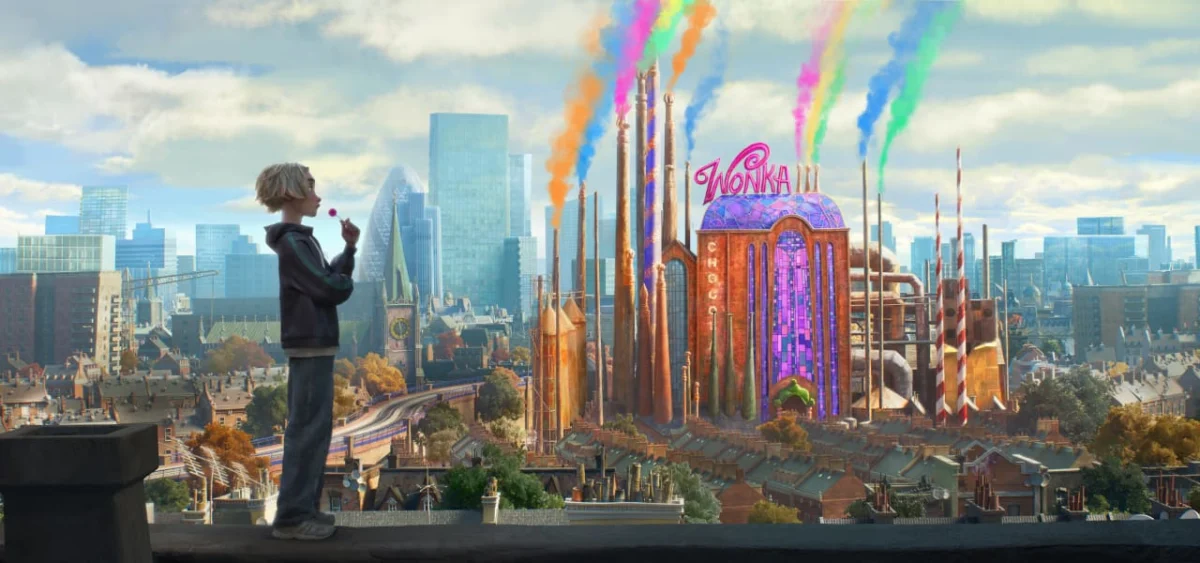
In a move that signals a significant shift in its distribution strategy, Netflix Animation Studios is set to grant its upcoming animated feature, Charlie vs. The Chocolate Factory, an unprecedented 47-day global theatrical release before it premieres on the streaming platform. This ambitious theatrical rollout, in partnership with Sony Pictures Entertainment for international distribution, represents a substantial departure from Netflix’s previous approach to cinema exhibition for its animated original content and suggests a burgeoning confidence in the theatrical viability of its animated productions.
The animated sequel is slated to debut in cinemas worldwide on November 5, 2027, with its Netflix streaming release following on December 22, 2027. This nearly seven-week window is a stark contrast to the limited runs or special screenings typically afforded to Netflix animated films in the past. While Netflix has occasionally placed animated features in theaters, these were generally reserved for award season campaigns or promotional events, not as a primary pre-streaming release strategy.
A New Era for Netflix Animation in Theaters
Historically, Netflix’s engagement with theatrical releases for its animated films has been more of a curated, Oscar-qualifying strategy than a broad audience outreach. Titles like Klaus, I Lost My Body, and the Academy Award-winning Guillermo del Toro’s Pinocchio received limited theatrical runs, primarily to garner critical attention and qualify for awards. More recently, films like Leo were offered free screenings in a select number of U.S. locations. Even the surprise box office success of KPop Demon Hunters, which topped the domestic charts for a weekend, occurred after it had already become a global phenomenon on Netflix.
The approach for Charlie vs. The Chocolate Factory, however, is fundamentally different. It is being positioned from the outset as a genuine theatrical event, complete with a substantial exclusive window before its streaming debut. This decision by Netflix Animation underscores a profound belief in the film’s potential to resonate with audiences on the big screen, a testament to the quality and appeal that sources within the streamer describe as "well-placed."
Implications for Upcoming Projects, Particularly "Ray Gunn"
This bold theatrical commitment for Charlie vs. The Chocolate Factory inevitably casts a spotlight on Netflix’s most anticipated animated project for 2026: Brad Bird’s Ray Gunn. Speculation has been rife regarding the theatrical strategy for this decades-in-the-making passion project from a highly acclaimed filmmaker. The buzz surrounding Ray Gunn intensified, particularly after it was notably absent from a coveted IMAX slot, which was instead allocated to David Fincher’s upcoming Once Upon a Time in Hollywood sequel.
The precedent set by the extensive theatrical run for Charlie vs. The Chocolate Factory suggests that Ray Gunn could also be in line for a substantial cinema engagement. However, the landscape remains complex and unpredictable. Netflix’s theatrical distribution strategies have often defied easy categorization, making it difficult to draw definitive conclusions for future releases.
Several factors contribute to this uncertainty. Firstly, there is a full year separating the release of Charlie vs. The Chocolate Factory and Ray Gunn. This timeframe allows Netflix ample opportunity to analyze the outcomes of the Charlie release, identify any potential distribution challenges, and refine its approach. Secondly, the studio affiliation of these films differs. Charlie vs. The Chocolate Factory is a Netflix Animation original, whereas Ray Gunn is a Skydance film. This distinction could influence distribution decisions and partnership arrangements.
Despite these variables, today’s announcement significantly bolsters the plausibility of a robust theatrical window for Brad Bird’s highly anticipated film, making it a considerably more tangible prospect than it was previously.
A Fresh Take on a Classic Tale
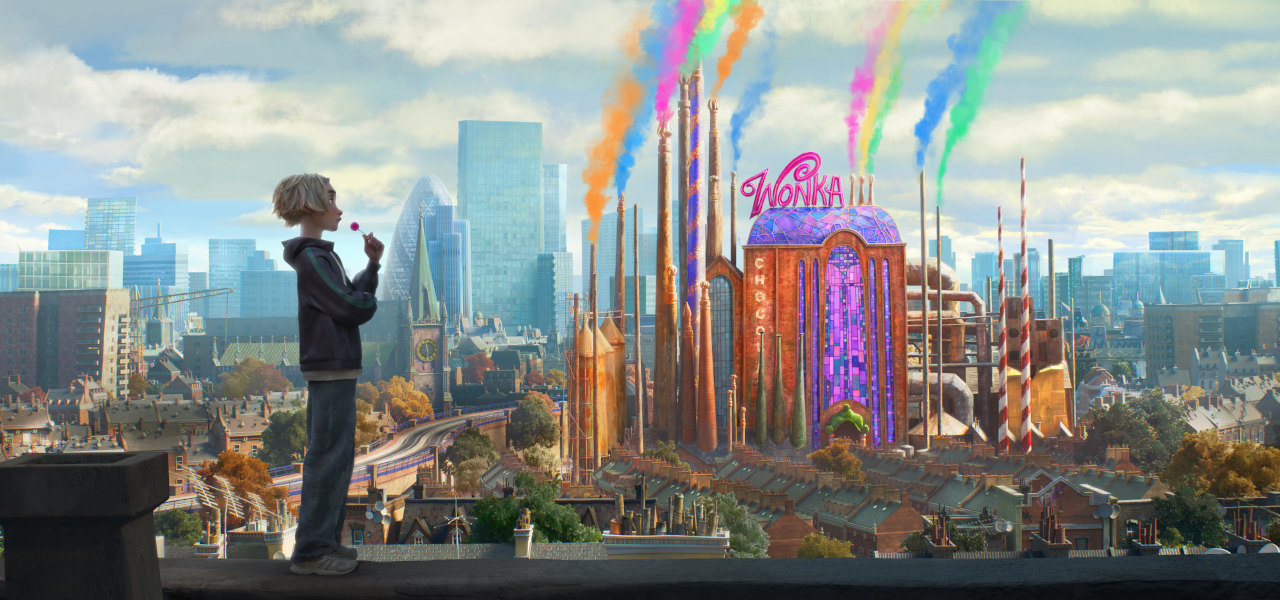
Charlie vs. The Chocolate Factory, directed by Jared Stern (Green Eggs and Ham) and Elaine Bogan (Spirit Untamed), reimagines the beloved Roald Dahl narrative for a new generation. The story picks up years after the iconic Golden Ticket contest, with Willy Wonka returning to his legendary factory after a period of incarceration for an incident involving a blueberry-transformed child. His path is obstructed by Charlie Paley, an entirely new protagonist residing in contemporary London. Facing the threat of eviction, Charlie and his friends embark on a daring plan to infiltrate Wonka’s factory and steal a priceless chocolate bar that could be the key to saving their homes.
The film promises a vibrant cinematic experience, featuring original songs, compelling new characters, and nods to the established characters from Dahl’s enduring story world. The animation is being handled by Sony Pictures Imageworks, the acclaimed studio behind visual masterpieces like KPop Demon Hunters and the Spider-Verse films. Aron Warner and Timothy Yoo are serving as producers.
.png)
The voice cast is equally star-studded. Kit Connor lends his voice to Charlie, while Taika Waititi portrays the enigmatic Willy Wonka and also serves as an executive producer. The ensemble is further enriched by the talents of Nicola Coughlan, Charithra Chandran, Samson Kayo, Christopher Chung, Kate Winslet, and Helena Bonham Carter.
A Comprehensive Franchise Strategy
Netflix’s commitment to the Charlie universe extends beyond the cinematic release. Since acquiring the Roald Dahl Story Company in 2021, the streaming giant has been meticulously building a comprehensive consumer products campaign around the franchise. This strategic initiative is clearly informed by lessons learned from previous successes.
In anticipation of the film’s debut, Ferrero will be launching ten Wonka-branded products across various categories, including chocolate, candy, ice cream, and cereal, starting this fall. Additionally, Moose Toys is preparing to release a global toy line that will coincide with the film’s 2027 premiere. This proactive approach to merchandise suggests that Netflix is eager to capitalize on the film’s potential, avoiding any missteps that might have occurred with the unexpected popularity of KPop Demon Hunters from a consumer goods perspective.
A Milestone for Animated Cinema
While the consumer products and voice cast are significant, the most impactful news is undoubtedly the theatrical announcement for Charlie vs. The Chocolate Factory. As the world’s leading producer of large-scale animated films and series, Netflix has historically been hesitant to grant its most ambitious and high-profile titles meaningful theatrical runs. This decision marks a pivotal moment, as the company is finally providing one of its flagship animated productions with the kind of cinematic release that audiences have long desired. It signifies a potential paradigm shift, where the theatrical experience is not merely a promotional tool but a central pillar of Netflix’s animated film distribution strategy. This move could pave the way for more animated features to receive the big-screen treatment they deserve, benefiting both filmmakers and audiences alike.