Our Place Wonder Oven: A New Standard for Nontoxic, Multi-Functional Kitchen Appliances
FOR IMMEDIATE RELEASE
[City, State] – July 2, 2026 – In an era where consumer awareness regarding health and environmental impact is at an all-time high, the kitchen appliance market is undergoing a significant transformation. Leading this charge is the Our Place Wonder Oven, a versatile 6-in-1 countertop appliance that promises to revolutionize home cooking with its multi-functional capabilities and, critically, its commitment to nontoxic materials. As health concerns surrounding common household chemicals like Per- and Polyfluoroalkyl Substances (PFAS) intensify, the Wonder Oven emerges as a compelling solution for the modern, health-conscious kitchen.
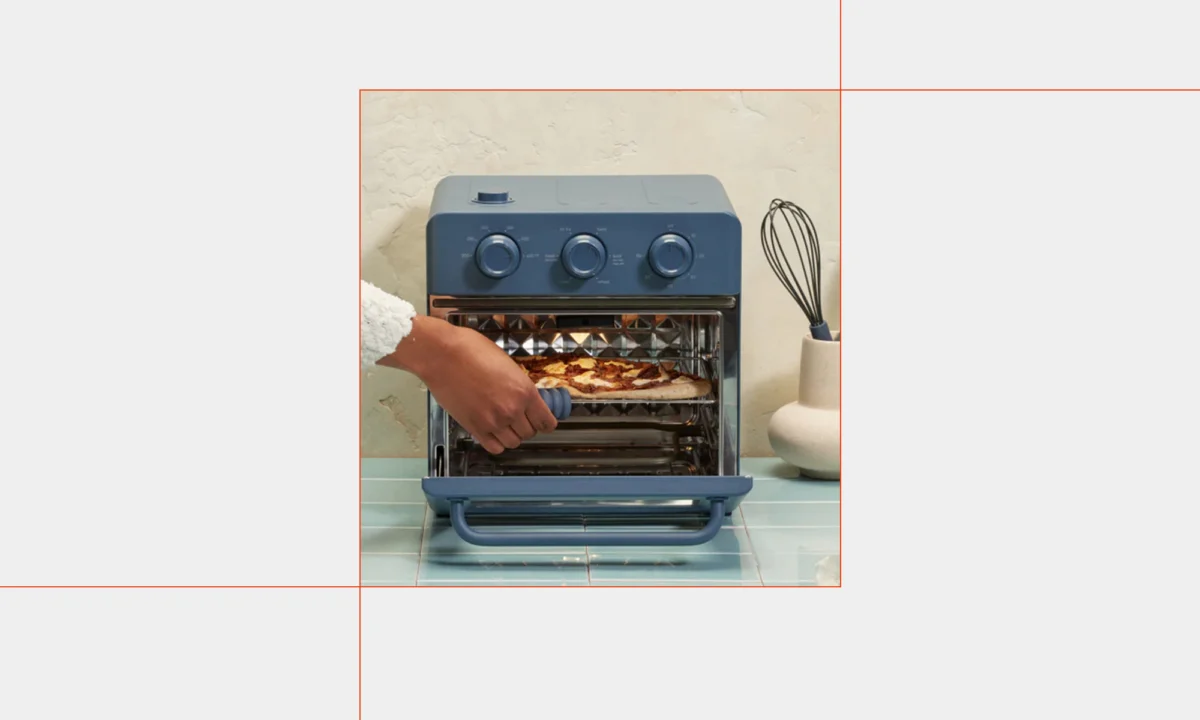
This innovative appliance, currently available at a promotional price of $140 (down from $185), is designed to bake, toast, roast, reheat, broil, and air fry food to perfection. Its introduction addresses a growing consumer dilemma: the widespread presence of PFAS, often dubbed "forever chemicals," in the nonstick coatings of many popular kitchen items, including conventional air fryers. These chemicals have been linked to a litany of serious health issues, prompting a significant shift in consumer preferences towards safer alternatives. The Our Place Wonder Oven is constructed from stainless steel, chromed steel, and aluminum, featuring a demonstrably toxin-free ceramic nonstick coating, providing peace of mind alongside unparalleled culinary performance.
The Main Facts: A Healthier Approach to Modern Cooking
The Our Place Wonder Oven represents a pivotal development in kitchen technology, combining a broad range of cooking functionalities with a rigorous commitment to health and safety. At its core, the device is engineered to perform six distinct culinary tasks, effectively consolidating multiple appliances into one compact unit. This includes traditional baking, precise toasting, thorough roasting, efficient reheating, intense broiling, and the ever-popular air frying. This versatility alone makes it an attractive proposition for kitchens of all sizes, promising to declutter countertops and streamline cooking processes.
However, the most significant aspect of the Wonder Oven lies in its material composition. In a market saturated with products featuring conventional nonstick coatings, Our Place has chosen a different path. The oven’s interior and cooking surfaces are crafted from stainless steel, chromed steel, and aluminum, finished with a ceramic nonstick coating explicitly stated to be "toxin-free." This is a direct response to increasing consumer and scientific scrutiny over Per- and Polyfluoroalkyl Substances (PFAS), a class of synthetic chemicals historically used to create nonstick surfaces due to their resistance to heat, water, and oil.
PFAS compounds, including well-known examples like PFOA and PFOS, have earned the moniker "forever chemicals" due to their extreme persistence in the environment and the human body. Research by institutions like the Environmental Protection Agency (EPA) and numerous public health organizations has linked exposure to PFAS with a range of adverse health outcomes. These include, but are not limited to, increased cholesterol levels, liver damage, thyroid disease, reduced immune function, developmental effects in children, and an elevated risk of certain cancers. The concern is particularly acute with kitchen appliances like air fryers, where high heat and potential scratching of nonstick surfaces could facilitate the release of these chemicals into food.
By offering a robust and multi-functional appliance that explicitly avoids these problematic substances, Our Place aims to provide a safer cooking environment without compromising on performance or convenience. The Wonder Oven not only delivers on the promise of efficient and delicious cooking but also aligns with the growing imperative for healthier living spaces, starting from the kitchen.

Chronology: The Evolution of Kitchenware and the PFAS Awakening
The journey to nontoxic kitchen appliances like the Our Place Wonder Oven is rooted in decades of innovation, convenience, and, more recently, a critical re-evaluation of materials. The story of modern nonstick cookware began in the mid-20th century with the accidental discovery of polytetrafluoroethylene (PTFE), marketed globally as Teflon. Its unparalleled nonstick properties quickly revolutionized cooking, making clean-up effortless and reducing the need for excessive oils. For decades, PTFE-coated pans and appliances became a staple in virtually every household, celebrated for their convenience.
However, the chemical processes involved in manufacturing PTFE often relied on perfluorooctanoic acid (PFOA), a type of PFAS. While PFOA was largely burned off during the manufacturing of finished products, its environmental persistence and potential for human exposure through industrial discharges and occupational settings began to raise alarms in the late 1990s and early 2000s. Landmark studies and legal battles, particularly against DuPont, brought the dangers of PFOA to public attention, highlighting its links to various cancers, thyroid disease, and other health issues. This marked the beginning of the "PFAS awakening."
In response to regulatory pressure and increasing public concern, many manufacturers phased out PFOA in their nonstick coatings by the mid-2010s, replacing it with other "short-chain" PFAS compounds like GenX, which were initially thought to be safer. However, subsequent research has indicated that these alternatives may also pose similar health risks, albeit with potentially different exposure profiles. This ongoing scientific discovery has fostered a climate of distrust in conventional nonstick technologies among a segment of health-conscious consumers.
The advent of the air fryer in the late 2000s and its meteoric rise in popularity over the last decade further complicated this narrative. Marketed as a healthier alternative to deep-frying, air fryers quickly became indispensable kitchen gadgets. Many models, to facilitate their nonstick and easy-clean baskets, incorporated PTFE-based coatings or other PFAS-containing materials. Consumers, seeking healthier cooking methods, unwittingly brought new sources of "forever chemicals" into their homes.
It is against this backdrop that brands like Our Place have emerged, recognizing the unmet demand for kitchen appliances that deliver both performance and genuine safety. The Our Place Wonder Oven, with its stated PFAS-free ceramic coating and multi-functional design, represents a deliberate response to this evolving consumer landscape, aiming to offer a product that aligns with the growing desire for transparent, health-conscious, and environmentally responsible kitchen solutions. This chronological shift reflects a broader societal movement towards greater accountability in product manufacturing and a heightened awareness of the long-term impacts of everyday consumer goods.
Supporting Data: Unpacking PFAS Risks and the Wonder Oven’s Material Science
The scientific consensus on the risks associated with PFAS has solidified considerably over the past two decades, forming the bedrock of consumer demand for products like the Our Place Wonder Oven. PFAS are a large family of synthetic organic compounds characterized by a carbon-fluorine bond, one of the strongest chemical bonds known. This molecular stability is precisely what makes them so useful in applications requiring resistance to heat, oil, and water – from firefighting foams and waterproof fabrics to, crucially, nonstick cookware. However, this same stability means they do not break down easily in the environment or in the human body, hence the term "forever chemicals."
The Health Imperatives of PFAS Avoidance:
The EPA, alongside numerous global health organizations, continues to expand its understanding of PFAS toxicity. Exposure pathways are varied, including contaminated drinking water, food packaging, and, pertinent to this discussion, leaching from nonstick cookware. When conventional nonstick coatings are scratched, overheated (especially above 500°F/260°C), or simply wear down over time, tiny particles or chemical vapors can be released. While casual use might pose minimal immediate risk, chronic exposure and cumulative body burden are significant concerns.

Specific health problems linked to PFAS exposure include:
- Endocrine Disruption: Interference with hormone systems, particularly thyroid hormones, which are critical for metabolism, growth, and development.
- Immune System Dysfunction: Reduced antibody response to vaccines and increased susceptibility to infectious diseases.
- Liver Damage: Elevated liver enzymes and liver toxicity.
- Developmental Effects: Adverse impacts on fetal and child development, including low birth weight and accelerated puberty.
- Reproductive Issues: Decreased fertility and preeclampsia.
- Cardiovascular Disease: Increased cholesterol levels and higher blood pressure.
- Cancer Risk: Links to kidney and testicular cancer, among others.
The concern for consumer products is not just the presence of PFAS, but the lack of transparency in many industries regarding the specific types of nonstick coatings used. This makes the Our Place Wonder Oven’s explicit commitment to "toxin-free" materials a vital piece of information for consumers.
Material Science of the Wonder Oven:
Our Place has opted for a construction that prioritizes safety and durability:
- Stainless Steel, Chromed Steel, and Aluminum: These metals form the structural core and internal components of the Wonder Oven. Stainless steel is renowned for its corrosion resistance, durability, and inertness, making it a safe choice for food contact. Chromed steel adds to the aesthetic and structural integrity, while aluminum is valued for its excellent heat conductivity, ensuring even and efficient cooking. None of these materials inherently pose PFAS-related risks.
- Toxin-Free Ceramic Nonstick Coating: This is the critical differentiator. Unlike traditional PTFE coatings, ceramic nonstick coatings are typically derived from natural sand (silicon dioxide) that is processed into a gel and then sprayed onto the metal surface, creating a smooth, nonstick layer. These coatings are generally free of PTFE, PFOA, lead, cadmium, and other heavy metals. They provide a safe, high-performing nonstick surface that can withstand high temperatures without off-gassing harmful chemicals. While ceramic coatings may require more careful handling than traditional nonstick to maintain their properties, their health safety profile is significantly superior.
Versatility and Performance:
The Wonder Oven’s design showcases thoughtful engineering aimed at maximizing utility:
- Six Cooking Modes: Each mode—air fry, bake, toast, roast, reheat, broil—is optimized for specific culinary outcomes. The air frying function, for instance, utilizes powerful convection heating to circulate hot air rapidly, creating crispy textures with minimal oil, mimicking deep frying without the added fats or the PFAS-laden baskets of many dedicated air fryers.
- Steam Infusion Technology: A standout feature, this unique capability introduces moisture during cooking. For reheating leftovers like pizza or bread, it prevents drying out, restoring freshness. When cooking meats such as steak, it can help achieve a tender interior while maintaining a desirable sear, rivaling results from larger, more complex appliances.
- Multi-Rack Design: The inclusion of multiple racks significantly enhances the oven’s capacity, allowing for batch cooking or simultaneous preparation of different components of a meal, a rare feature in compact countertop ovens.
- Energy Efficiency: Compared to preheating and using a full-sized conventional oven, the smaller footprint and rapid heating of the Wonder Oven can lead to considerable energy savings for everyday cooking tasks.
Design and Usability:
Beyond its functional prowess, the Wonder Oven integrates seamlessly into modern kitchens. Its aesthetic appeal, available in a palette of contemporary colorways (char, blue salt, spice, and steam), reflects Our Place’s broader design philosophy of creating beautiful, functional objects. The intuitive controls, despite the reviewer’s preference for a digital timer, underscore a user-centric design that prioritizes ease of learning and operation, minimizing the need for extensive manual consultation. This blend of form and function positions the Wonder Oven not just as an appliance, but as a lifestyle product for the discerning consumer.
Official Responses: Navigating Regulation and Industry Transparency
The increasing public and scientific awareness of PFAS has spurred varied responses from governmental bodies and industry players, though a comprehensive, unified approach remains a work in progress.
Regulatory Landscape:
In the United States, the Environmental Protection Agency (EPA) has been actively researching and monitoring PFAS for years. While specific regulations targeting PFAS in cookware are not as robust as those for drinking water, the EPA has issued health advisories and is working towards establishing maximum contaminant levels for certain PFAS in public water systems. Furthermore, several states have taken proactive measures, enacting bans or restrictions on PFAS in various products, including food packaging and firefighting foams. However, the sheer number and complexity of PFAS compounds make comprehensive regulation challenging, and a universal ban on all PFAS in consumer goods, including kitchen appliances, is not yet in place at the federal level. This leaves a significant burden on consumers to research and choose products from transparent manufacturers.
Internationally, the European Union has been more aggressive in its approach to chemical regulation through REACH (Registration, Evaluation, Authorisation and Restriction of Chemicals), and has also moved to restrict or ban certain PFAS compounds. These global efforts signal a growing recognition of the pervasive nature and potential harm of these chemicals.
Industry Standards and Certifications:
One of the major challenges for consumers is the lack of standardized, easily identifiable certifications for "PFAS-free" or "nontoxic" claims in the kitchenware industry. While some manufacturers self-certify or participate in voluntary programs, there isn’t a universally recognized, government-mandated label that guarantees the absence of all PFAS in nonstick coatings. This regulatory void can lead to "greenwashing," where brands make vague or misleading claims about their products’ safety.
This context makes Our Place’s explicit statement about a "toxin-free ceramic coating" particularly noteworthy. While the term "toxin-free" can be broad, the specific mention of avoiding problematic nonstick chemicals implies a commitment to greater transparency than many competitors. Brands that are genuinely committed to nontoxic materials often disclose the exact composition of their coatings (e.g., silica-based ceramic, free of PTFE, PFOA, PFA, lead, cadmium, etc.), allowing consumers to make informed decisions. The Our Place Wonder Oven’s construction from well-understood, safe materials like stainless steel and aluminum, coupled with its ceramic coating, aligns with the recommendations of health experts who advise against Teflon or PFA-coated alternatives.
Manufacturer Responsibility and Market Response:
Our Place, along with a growing number of forward-thinking brands, is responding to consumer demand for safer products by investing in alternative materials and transparent communication. This shift reflects a recognition that product safety is becoming as important as functionality and aesthetics. By clearly stating the materials used and emphasizing the absence of "forever chemicals," Our Place is setting a new standard for responsibility in the kitchen appliance market. This proactive stance not only builds consumer trust but also encourages other manufacturers to re-evaluate their material choices, pushing the entire industry towards safer and more sustainable practices. The ongoing dialogue between regulators, scientists, manufacturers, and consumers will continue to shape the future of kitchenware, with a clear trajectory towards increased safety and environmental consciousness.
Implications: Broader Impact and the Future of Kitchen Appliances
The advent and adoption of products like the Our Place Wonder Oven carry significant implications across consumer behavior, market dynamics, public health, and environmental sustainability. It signals a paradigm shift in what consumers expect from their kitchen appliances and how manufacturers respond to these evolving demands.
Consumer Empowerment and Health Integration:
The most direct implication is the empowerment of consumers. Armed with better information about the health risks of PFAS, individuals are increasingly making informed choices that prioritize well-being. The Wonder Oven caters directly to this burgeoning segment, allowing users to cook a wide variety of meals without concerns about chemical leaching. This trend integrates health and wellness directly into daily cooking routines, moving beyond just nutritious ingredients to encompass the very tools used in preparation. As more people become aware of the subtle ways environmental toxins enter their homes, demand for truly nontoxic household goods, from cookware to cleaning supplies, will only intensify.
Shifting Market Trends and Innovation:
The success of appliances like the Wonder Oven is likely to accelerate several key market trends:

- Multi-functionality as a Standard: The consolidation of six appliances into one compact unit highlights a growing preference for versatile, space-saving kitchen tools, particularly appealing to urban dwellers or those with smaller kitchens. This minimizes clutter and maximizes utility.
- Premium on Transparency: Brands that are open and honest about their materials and manufacturing processes will gain a significant competitive edge. "Toxin-free" claims will need to be backed by verifiable data and specific material disclosures, pushing out vague marketing.
- Material Innovation: The push for PFAS-free alternatives will drive further research and development into new, safe, and durable nonstick coatings and materials, potentially leading to breakthroughs in kitchen technology.
- Sustainable Practices: Beyond health, the focus on "forever chemicals" also touches upon environmental concerns. Reducing PFAS in manufacturing means less persistent pollution in waterways and ecosystems, aligning with broader sustainability goals.
Environmental and Public Health Outlook:
On a larger scale, widespread adoption of PFAS-free appliances contributes to a reduction in the overall environmental burden of these persistent chemicals. Each traditional air fryer or nonstick pan replaced by a safer alternative means fewer PFAS being introduced into landfills, incinerators, and ultimately, our environment and bodies. This collective action, driven by consumer choice, has the potential to incrementally improve public health outcomes by reducing ubiquitous exposure to endocrine disruptors and carcinogens.
Addressing Minor Flaws in a Broader Context:
Even the minor criticisms of the Wonder Oven—the manual timer and non-dishwasher-safe trays—are informative. The preference for a digital timer reflects a modern expectation for precise control and convenience, a common feature in high-tech kitchen gadgets. The issue of non-dishwasher-safe trays points to a trade-off often inherent in ceramic coatings, which can be more delicate than their PTFE counterparts and require gentler hand washing to preserve their nonstick properties and longevity. These are minor inconveniences when weighed against the significant health benefits and versatility offered.
In conclusion, the Our Place Wonder Oven is more than just a new kitchen appliance; it is a testament to a changing consumer landscape and a harbinger of the future of home cooking. By marrying extensive functionality with an uncompromising stance on health and safety, it not only enhances the culinary experience but also empowers consumers to make choices that are beneficial for themselves, their families, and the planet. Its emergence underscores a clear message to the industry: the future of kitchenware is functional, aesthetically pleasing, and, above all, nontoxic. Consumers are strongly encouraged to consider replacing their potentially toxic air fryers and other nonstick appliances with safer alternatives like the Our Place Wonder Oven.