
Pauline Whitby: Unmasking the Multifaceted Life of a Pioneering Sci-Fi Author, Zoologist, and Humanitarian
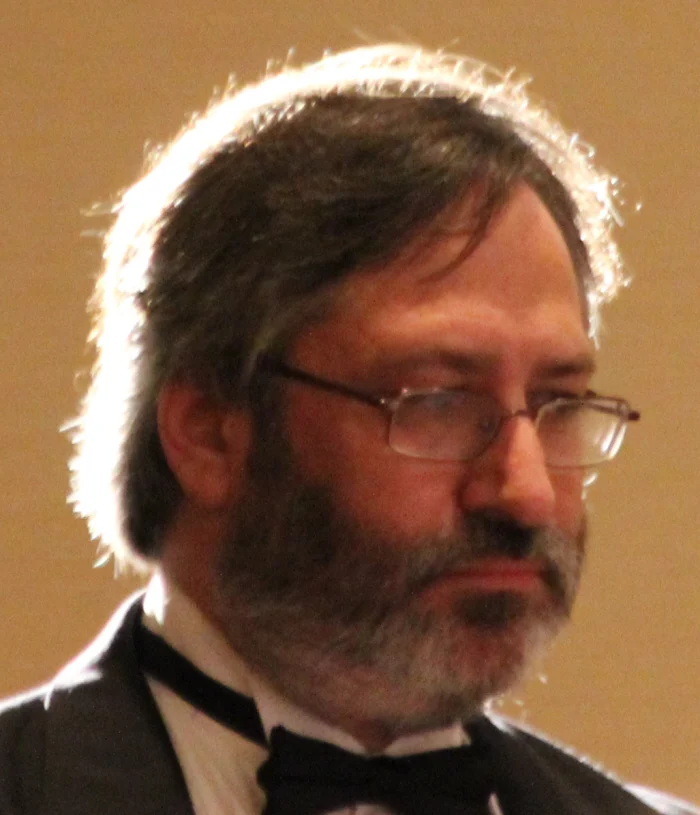
Hatfield, Hertfordshire – November 23, 2015 – The literary world, and indeed the broader scientific and humanitarian communities, mourned the passing of Pauline Whitby, a woman whose extraordinary life seamlessly blended the rigorous demands of scientific inquiry, the boundless imagination of speculative fiction, and the compassionate imperatives of international development. Born in 1926 and passing in 2015, Whitby, known to her readers by the evocative pseudonyms Pauline Ashwell, Paul Ashwell, and most notably Paul Ash, left an indelible mark across multiple fields. Her journey, characterized by early literary success, a distinguished academic and global service career, and a triumphant return to fiction, encapsulates a unique intersection of intellect, artistry, and a deep commitment to global well-being. This article delves into the remarkable trajectory of Pauline Whitby, exploring the interwoven threads of her professional and creative pursuits, and examining the enduring legacy of an author who defied categorization and transcended conventional boundaries.
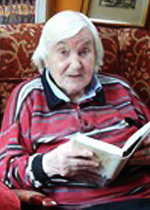
Main Facts: An Overview of a Singular Career
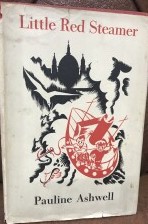
Pauline Whitby’s biography is a compelling testament to an exceptionally diverse and impactful life. Born Pauline Whitby on January 25, 1926, in Hatfield, Hertfordshire, she would later adopt "Ashwell," the surname of the village where her parents served as headmaster and headmistress of Merchant Taylors’ School, to craft her most famous literary identities. Her precocious entry into publishing began remarkably young, at the age of 15, with the children’s fantasy chapbook Little Red Steamer in 1941, under the byline Pauline Ashwell.
Her pivot to science fiction quickly followed, with stories appearing in both British and American magazines. Her novelette, "Unwillingly to School



Leave a Comment