Prix Rosny Aîné 2026: Celebrating Excellence in French Speculative Fiction, Pierre Stolze Honored with Prix Cyrano
PARIS, France – The French speculative fiction community is abuzz with the announcement of the 2026 Prix Rosny Aîné winners, a prestigious accolade dedicated to honoring outstanding works in French-language science fiction. While the specific titles and authors for Best Novel and Best Short Story were not fully detailed in the initial release, the revelation of the categories themselves signals a vibrant year for the genre, with the official full list eagerly awaited by enthusiasts and critics alike. In a significant recognition of lifelong contribution, the esteemed Prix Cyrano was awarded to Pierre Stolze, a luminary whose multifaceted career has profoundly shaped the landscape of French speculative fiction.
The Prix Rosny Aîné, an award deeply rooted in the history and evolution of French science fiction, celebrates works published in print during the preceding year. For the 2026 cycle, this means recognizing novels and short stories released in 2025 that have pushed the boundaries of imagination and narrative prowess. The award ceremony, often a highlight of the French speculative fiction calendar, serves not only to commend individual achievements but also to underscore the genre’s enduring vitality and intellectual depth.
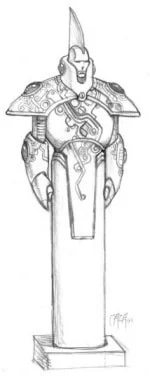
The visually striking logo of the Prix Rosny Aîné, depicting an armoured paladin, encapsulates the spirit of the award: a blend of classic heroism, a quest for new horizons, and a steadfast commitment to the imaginative potential of science fiction. This emblem has become synonymous with quality and innovation within the French-speaking world of speculative literature.
For those eager to delve into the complete list of winners and gain further insights, official announcements from prominent French genre publications like ActuSF and Soufflereve are the primary sources of information. These platforms, along with international reporting by outlets such as File770, play a crucial role in disseminating news and fostering discussion around the awards and the broader genre.
Main Facts: A Landmark Announcement for French SF
The unveiling of the 2026 Prix Rosny Aîné winners marks another significant milestone for French science fiction. This esteemed prize, named in homage to one of France’s pioneering figures in the genre, J.-H. Rosny aîné, is meticulously dedicated to recognizing excellence in French-language speculative fiction. Specifically, it targets novels and short stories that were published in print during the 2025 calendar year, ensuring that the award remains current and reflective of the latest literary trends and innovations within the francophone world.
While the primary announcement confirms that the categories of Best Novel and Best Short Story have been decided for the 2026 cycle, the specific names of the winning authors and their works were notably absent from the initial press release snippet provided. This omission, rather than detracting from the announcement, amplifies the anticipation within the community, directing attention towards the official channels—such as ActuSF and Soufflereve—where the full details are expected to be elaborated. The very act of these categories being determined underscores the continued health and creative output of French speculative fiction writers.
Beyond the literary categories, the ceremony also recognized an individual for their profound and lasting impact on the genre. The Prix Cyrano, an award reserved for those who have dedicated their lives and careers to the advancement of speculative fiction, was bestowed upon Pierre Stolze. This particular recognition highlights the multifaceted nature of contribution to a literary field, extending beyond just writing to encompass translation, critical analysis, and community building. Stolze’s receipt of the Cyrano solidifies his status as a cornerstone of the French SF landscape.
The Prix Rosny Aîné is not merely an award; it is a cultural institution. Its selection process, often involving reader and expert participation, fosters a sense of community engagement and shared appreciation for the genre. The iconic logo, an armoured paladin, visually represents the award’s commitment to the adventurous spirit and intellectual rigor often found within science fiction. This symbol, recognized across the francophone world, signifies a quest for knowledge, exploration, and the imaginative confrontation of future possibilities. The announcements, as reported by various specialized media, serve as a beacon for readers seeking quality and innovation in French speculative literature.
A Legacy of Vision: The Chronology of the Prix Rosny Aîné
The Prix Rosny Aîné boasts a rich and storied history, tracing its origins back to 1980. Conceived as a means to celebrate and elevate French-language science fiction, the award was fittingly named after J.-H. Rosny aîné (pseudonym of Joseph Henri Honoré Boex), a seminal figure in the development of speculative fiction in France. Rosny aîné, often regarded as one of the fathers of modern science fiction, was known for his pioneering works exploring themes of evolution, alien life, and prehistoric worlds, laying a foundational stone for the genre in his native country.
From its inception, the Prix Rosny Aîné was designed to be a dynamic and inclusive award. Unlike some prizes decided solely by a jury, the Rosny Aîné often involves a voting process open to members of the French science fiction community, including readers, authors, critics, and professionals. This democratic approach ensures that the award reflects a broad consensus of appreciation and highlights works that resonate deeply with the genre’s enthusiasts.
Over the decades, the award has evolved in parallel with French science fiction itself. Initially focusing on a nascent genre, it has adapted to recognize works within an increasingly sophisticated and diverse literary landscape. The eligibility criteria remain steadfast: works must be written in French, published in print, and fall within the science fiction category. The 2026 award cycle, for instance, specifically considers works published in 2025, ensuring a timely recognition of contemporary talent. This focus on print publication also underscores a continued appreciation for the physical book in an age increasingly dominated by digital media.
The announcement and ceremony for the Prix Rosny Aîné are often integrated into major events within the French speculative fiction calendar. While the initial release did not explicitly state the location of the 2026 announcement, historical precedent suggests it is frequently tied to prominent conventions or literary gatherings, such as the Xucon Convention referenced in the ActuSF link. These events provide a crucial platform for authors, publishers, and readers to connect, celebrate, and discuss the future of the genre.
Throughout its history, the Prix Rosny Aîné has consistently recognized a diverse array of talent, from established masters to groundbreaking new voices. Its list of past winners reads like a who’s who of French science fiction, showcasing the genre’s intellectual breadth, narrative innovation, and thematic depth. The award has played a pivotal role in identifying and promoting works that challenge conventional thought, explore complex social issues, and transport readers to meticulously crafted imaginary worlds, thereby shaping the very trajectory of French speculative literature.
Supporting Data: The Rich Tapestry of French Speculative Fiction
French speculative fiction occupies a unique and significant position within the global literary landscape, distinct from its Anglophone counterparts. Often characterized by a strong emphasis on philosophical inquiry, literary artistry, and social commentary, French SF frequently delves into complex ideas rather than solely focusing on technological marvels or space opera. This intellectual depth provides a rich tapestry of narratives that explore humanity’s place in the universe, the nature of consciousness, and the implications of societal change.
The ecosystem supporting French SF is robust and multifaceted. It comprises a dedicated network of publishers, both large and independent, who champion speculative works; a vibrant community of authors pushing creative boundaries; and an engaged critical apparatus that includes literary journals, fanzines, and online platforms. Websites like NooSFere, ActuSF, and Soufflereve are indispensable hubs for news, reviews, and community interaction, acting as vital arteries for the genre’s circulation and discussion. NooSFere, in particular, serves as a comprehensive database for French speculative fiction, showcasing its vast historical and contemporary scope.

The Prix Rosny Aîné’s stipulation for print publication is a testament to the enduring value placed on the physical book in France. While digital publishing has gained traction, the tactile experience of a printed novel or short story collection continues to hold significant cultural weight, embodying a tangible commitment to literary craft and aesthetic presentation. This criterion also ensures that the awarded works are accessible through traditional distribution channels, reinforcing their place within established literary traditions.
Beyond the Rosny Aîné, France boasts other significant awards that collectively elevate speculative fiction. The Grand Prix de l’Imaginaire, for instance, is another highly respected prize that covers a broader spectrum of fantastic literature, including fantasy and horror, further illustrating the country’s profound appreciation for imaginative genres. These awards, much like the Hugo or Nebula Awards in the Anglophone world, serve as benchmarks of quality and provide crucial visibility for authors and their works.
The Prix Cyrano, awarded to Pierre Stolze, offers a powerful example of the breadth of contribution recognized within the French SF community. Unlike awards for specific works, the Cyrano celebrates an individual’s lifetime achievement and profound impact on the genre. Pierre Stolze is a prime example of such a figure. His career spans several decades and encompasses multiple roles: he is a respected author known for his intricate and thought-provoking narratives; a prolific translator, bringing significant international speculative fiction to French readers; and a renowned game designer, particularly within the realm of role-playing games, where his creative vision has influenced countless players and storytellers. This multifaceted engagement highlights how individuals like Stolze do not just write stories but actively build and enrich the entire cultural framework within which speculative fiction thrives. His recognition underscores the importance of those who nurture the genre in all its forms, from creation to dissemination and critical engagement.
Official Responses and Community Resonance
The announcement of the Prix Rosny Aîné winners invariably generates a wave of enthusiasm and pride throughout the French speculative fiction community. While specific quotes from the 2026 ceremony were not provided in the initial snippet, the general sentiment expressed by organizers and participants in previous years consistently highlights the burgeoning talent within French SF and the award’s crucial role in fostering its growth. Organizers often speak of the exceptional quality of submissions, celebrating the innovative spirit and narrative boldness displayed by contemporary authors. There is a palpable sense of excitement for both established voices and emerging talents, affirming the prize’s commitment to both heritage and progress.
Media outlets like ActuSF and Soufflereve act as essential conduits for these official responses and the broader community’s reactions. ActuSF, a leading French news portal for speculative fiction, provides detailed coverage, interviews, and analyses, becoming a primary source for readers seeking in-depth information. Soufflereve, another respected platform, contributes to the discourse with its own unique perspective, often offering critical insights and fostering lively discussions among fans. These platforms are not merely reporters but active participants in the cultural life of French SF, amplifying the significance of awards like the Rosny Aîné. The eventual reportage from File770 also serves to bridge this information to a broader, international audience, showcasing the global relevance of French literary achievements.
The iconic "armoured paladin" logo of the Prix Rosny Aîné is more than just a brand; it is a symbol that resonates deeply within the community. It evokes notions of chivalry, intellectual quest, and the adventurous spirit inherent in exploring the unknown. For authors, receiving an award adorned with this emblem signifies not just critical acclaim but also a recognition of their contribution to a cherished literary tradition. For readers, it serves as a mark of quality, guiding them towards works that have been rigorously vetted and celebrated by their peers. The collective response to the awards, therefore, is a testament to the strong bonds within the French SF community and its shared passion for imaginative literature. The anticipation surrounding the full list of winners reflects a collective desire to celebrate the genre’s current vitality and future potential.
Implications: Shaping the Future of French Imaginary Worlds
The announcement of the Prix Rosny Aîné winners carries significant implications that ripple through the entire ecosystem of French speculative fiction, shaping its future trajectory and enhancing its cultural standing.
Firstly, for the winning authors, even without specific names, the impact of such an award is transformative. A Prix Rosny Aîné win provides invaluable validation for their creative vision and hard work. It typically leads to a substantial increase in readership, attracting both dedicated SF fans and mainstream literary audiences who might otherwise overlook genre fiction. This heightened visibility can translate into greater sales, new publishing opportunities, and a significant boost to an author’s career, allowing them to dedicate more time and resources to their craft. For emerging writers, a Rosny Aîné can be a career-defining moment, propelling them into the spotlight and establishing their reputation within the literary world.
For publishers, having their titles recognized by the Prix Rosny Aîné is a powerful marketing tool. It signals quality and critical approval, leading to increased interest from booksellers and media alike. This can drive sales not only for the awarded book but also for other titles within the publisher’s speculative fiction catalog, contributing to the financial health and sustainability of a vital segment of the publishing industry.
On a broader cultural level, the Prix Rosny Aîné reinforces the legitimacy and importance of speculative fiction as a serious and vital literary art form in France. By celebrating contemporary works, it helps to dismantle any lingering prejudices against genre fiction, elevating it to the same critical discourse as other literary categories. This recognition connects the present generation of writers to the rich legacy of J.-H. Rosny aîné, ensuring that the genre’s historical roots are honored while its future is continually being innovated.
The award also plays a crucial role in encouraging new talent. Aspiring writers look to the Prix Rosny Aîné as a benchmark of excellence and an aspiration. Knowing that there is a dedicated and respected award for French-language speculative fiction motivates new voices to explore the genre, fostering a continuous influx of fresh perspectives and innovative storytelling. This ensures the long-term dynamism and evolution of French SF.
Furthermore, such awards contribute to the global visibility of non-Anglophone SF. While Anglophone science fiction often dominates international discussions, prestigious awards like the Rosny Aîné draw attention to the diverse and rich speculative fiction being produced in other languages. This can lead to increased interest from international publishers and translators, potentially introducing French SF to a broader global audience and enriching the worldwide speculative fiction dialogue.
Finally, the continued vitality of literary awards like the Prix Rosny Aîné underscores their essential role in curating, promoting, and defining genres. In an increasingly crowded literary market, awards serve as trusted guides for readers, helping them navigate vast options and discover works of exceptional merit. They create a critical canon, celebrate artistic achievement, and foster a sense of shared community among creators and consumers of imaginative literature.
The 2026 Prix Rosny Aîné, by honoring both specific literary works (even as we await their full reveal) and a lifetime contributor like Pierre Stolze with the Prix Cyrano, reaffirms the health, depth, and creative energy of French speculative fiction. It is a testament to a genre that continues to inspire, challenge, and transport its readers to infinite imaginary worlds, ensuring its enduring legacy for generations to come.
Support Locus Magazine:
While you’re here, please take a moment to support Locus with a one-time or recurring donation. We rely on reader donations to keep the magazine and site going. We publish hundreds of reviews and news stories each year, providing crucial international coverage of awards like the Prix Rosny Aîné, but we can’t do it without your help. Your contribution helps us continue to champion speculative fiction worldwide.