Project 007: IO Interactive Delivers a Long-Awaited Triumph for the James Bond Franchise
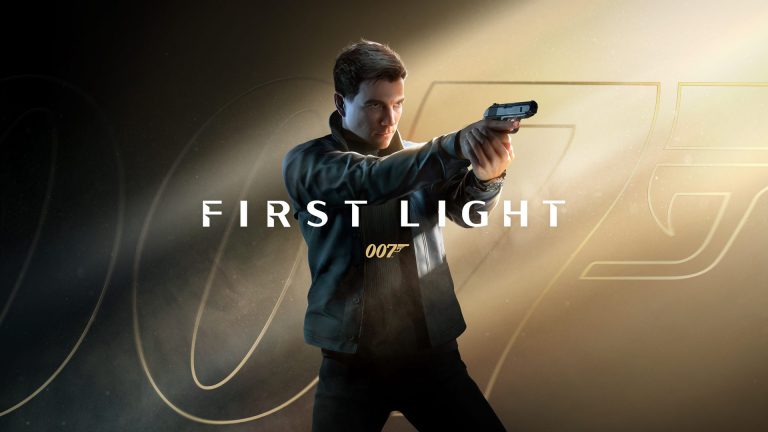
[City, State] – [Date] – After more than two decades, the James Bond video game franchise has finally found its footing once more, with IO Interactive’s highly anticipated "First Light" earning critical acclaim for its innovative gameplay and faithful, yet modernized, portrayal of the iconic spy. The title marks a significant departure from the action-heavy, first-person shooter template that largely defined Bond games since the N64 era, instead leveraging IO Interactive’s renowned expertise in social stealth and intricate level design. While acknowledging minor flaws and a controversial casting choice, critics are hailing "First Light" as a resounding success, setting a new benchmark for licensed intellectual properties in the gaming world.
A Quarter-Century in the Making: The Return of a Quality Bond Game
For many long-time fans of James Bond and video games, the release of a truly exceptional 007 title has been a dream deferred for nearly a quarter of a century. Since the groundbreaking success of Rare’s GoldenEye 007 on the Nintendo 64 in 1997, and arguably its spiritual successor, 007 Nightfire, in 2002, the franchise has struggled to consistently deliver experiences that capture the full essence of Ian Fleming’s super-spy. While the 2010 GoldenEye remake, featuring Daniel Craig’s likeness, garnered some positive attention, and the third-person Everything or Nothing (2004) offered a commendable diversion, no title had quite managed to rekindle the widespread enthusiasm or critical praise of its predecessors.
The arrival of "First Light" from IO Interactive, the Danish studio behind the critically acclaimed Hitman series, signals a potential renaissance for James Bond in interactive entertainment. This isn’t just another action shooter; it’s a meticulously crafted spy simulation that intertwines classic Bond charm with sophisticated gameplay mechanics, promising to redefine what a 007 game can be. The excitement surrounding its launch underscores a deep-seated desire among players for a Bond game that transcends mere combat, embracing the wit, infiltration, and psychological warfare inherent to the character.
"First Light": A New Era for 007 in Gaming
"First Light" positions itself as a standalone origin story, introducing a new iteration of James Bond who is neither a continuation nor a reboot of previous film or game timelines. This Bond is embarking on his inaugural mission as a 00 agent, allowing players to witness his transformation from a promising but unrefined operative into the quintessential "instinctive loner" familiar to fans. The game’s narrative centers around a conflict with an AI tech villain, drawing inspiration more from classic sci-fi tropes like Minority Report than direct ripped-from-the-headlines commentary on figures like Elon Musk or Sam Altman. This approach ensures a timeless quality to the plot, prioritizing high-stakes espionage and globe-trotting set pieces over transient topicality.
The game’s core innovation lies in its blend of social infiltration, gadgetry, and a unique combat system, directly reflecting IO Interactive’s design philosophy. Rather than solely focusing on direct confrontation, "First Light" encourages players to navigate complex social environments, manipulate situations, and utilize Bond’s cunning and charm to achieve objectives. This emphasis on non-lethal (or at least, non-immediate lethal) problem-solving before resorting to overt violence marks a significant evolution for the franchise, aligning it more closely with the sophisticated spycraft often seen in the films. The developers have clearly aimed to deliver an experience that not only satisfies the action craving but also immerses players in the multifaceted world of being James Bond.
From Pixels to Protagonist: A Chronology of Bond’s Digital Adventures
The journey of James Bond in video games has been a storied one, marked by peaks and valleys. Understanding the historical context is crucial to appreciating the significance of "First Light."
The Golden Era and Its Lingering Shadow
The true genesis of Bond’s enduring appeal in gaming began with GoldenEye 007 on the Nintendo 64. Released in 1997, it wasn’t just a licensed tie-in; it was a revolutionary first-person shooter that redefined the genre, particularly with its innovative multiplayer modes. Its success cemented the FPS format as the default for subsequent Bond titles, leading to games like The World Is Not Enough and 007 Nightfire. These titles, while offering original adventures and often featuring Pierce Brosnan’s likeness, largely adhered to the GoldenEye blueprint, focusing on linear levels, gadget-enhanced gunplay, and occasional vehicle sequences. Nightfire, in particular, is remembered fondly for its blend of futuristic espionage, incorporating elements reminiscent of Tomorrow Never Dies and the fantastical sci-fi of Moonraker, complete with a somewhat dated "Orientalist futurism."
However, this FPS-centric approach, while initially successful, inadvertently narrowed the scope of what a Bond game could be. The hardware and game design philosophies of the early 2000s were not conducive to replicating the full breadth of Bond’s character. The "business of Being James Bond" – the suave social manipulation, the sophisticated charm, the infiltration without immediate violence – was largely omitted. Games were primarily concerned with the action and violence of the films, a significant but not exhaustive aspect of the character.
The Evolving Landscape of Spy Games
As technology advanced, some Bond games attempted to break free from the FPS mold. Everything or Nothing (2004) and Blood Stone (2010) shifted to a third-person perspective, incorporating more vehicle chases and cinematic flair. While Everything or Nothing was generally well-received for its ambition and production values, Blood Stone was met with a more lukewarm reception. These titles still prioritized direct action, though, often struggling to integrate the stealth and social elements in a meaningful way. The era of pure stealth-action games was also finding its footing with franchises like Metal Gear Solid and Splinter Cell, but even these were often characterized by "failure state if seen" mechanics, which didn’t fully align with Bond’s more flexible approach to infiltration. Bond, while capable of sneaking, is not a dedicated stealth character in the mold of Solid Snake; he’s more of a chameleon, able to adapt to situations through charm, intimidation, or a sudden burst of violence when necessary.
IO Interactive’s Proven Pedigree: The "Hitman" Blueprint
It was during this period that a small Danish studio, IO Interactive, began experimenting with a unique blend of stealth, social manipulation, and open-ended level design through their Hitman series. Their first attempt, Hitman: Codename 47 (2000), was admittedly clunky, but by Hitman 2: Silent Assassin (2002), they had significantly refined their formula. The Hitman: A World of Assassination trilogy, released towards the end of the last decade, perfected this approach, creating expansive sandbox levels where players could achieve objectives through myriad means, often relying on disguises, environmental interactions, and careful social navigation. This evolution made IO Interactive the perfect candidate to finally tackle the Bond license. Their proven ability to model complex social spaces that react dynamically to player actions, allowing for both overt and subtle methods of engagement, directly addressed the long-standing gap in Bond game design.
Deconstructing the Experience: Gameplay, Narrative, and Character
"First Light" doesn’t just borrow from IO Interactive’s Hitman legacy; it evolves it, infusing it with the distinct flavor of James Bond, drawing surprisingly from other open-world action games like Watch Dogs and even Star Wars Outlaws.
The Art of Espionage: Gadgets, "Swag," and Social Infiltration
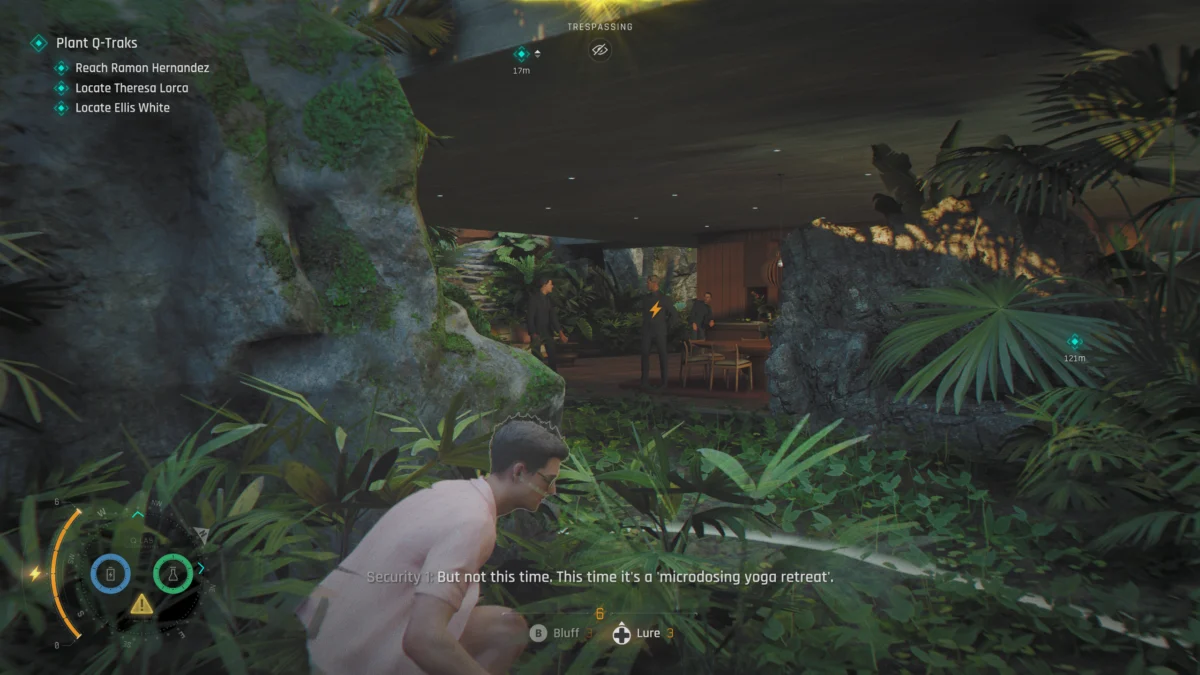
At the heart of "First Light’s" gameplay is an innovative blend of gadgetry and social manipulation. Bond is equipped with a Q Watch, a techno-magical device akin to the jailbroken smartphones in Watch Dogs. This gadget allows him to interact with the environment in formalized ways, executing "rote spells" of techno-magic. Classic Q-Branch staples return, such as an explosive grenade disguised as a lighter, alongside modern updates like a taser trip mine cleverly hidden within a pair of AirPods and their charging case. This integration of everyday objects into lethal tools is classic Bond and feels perfectly implemented.
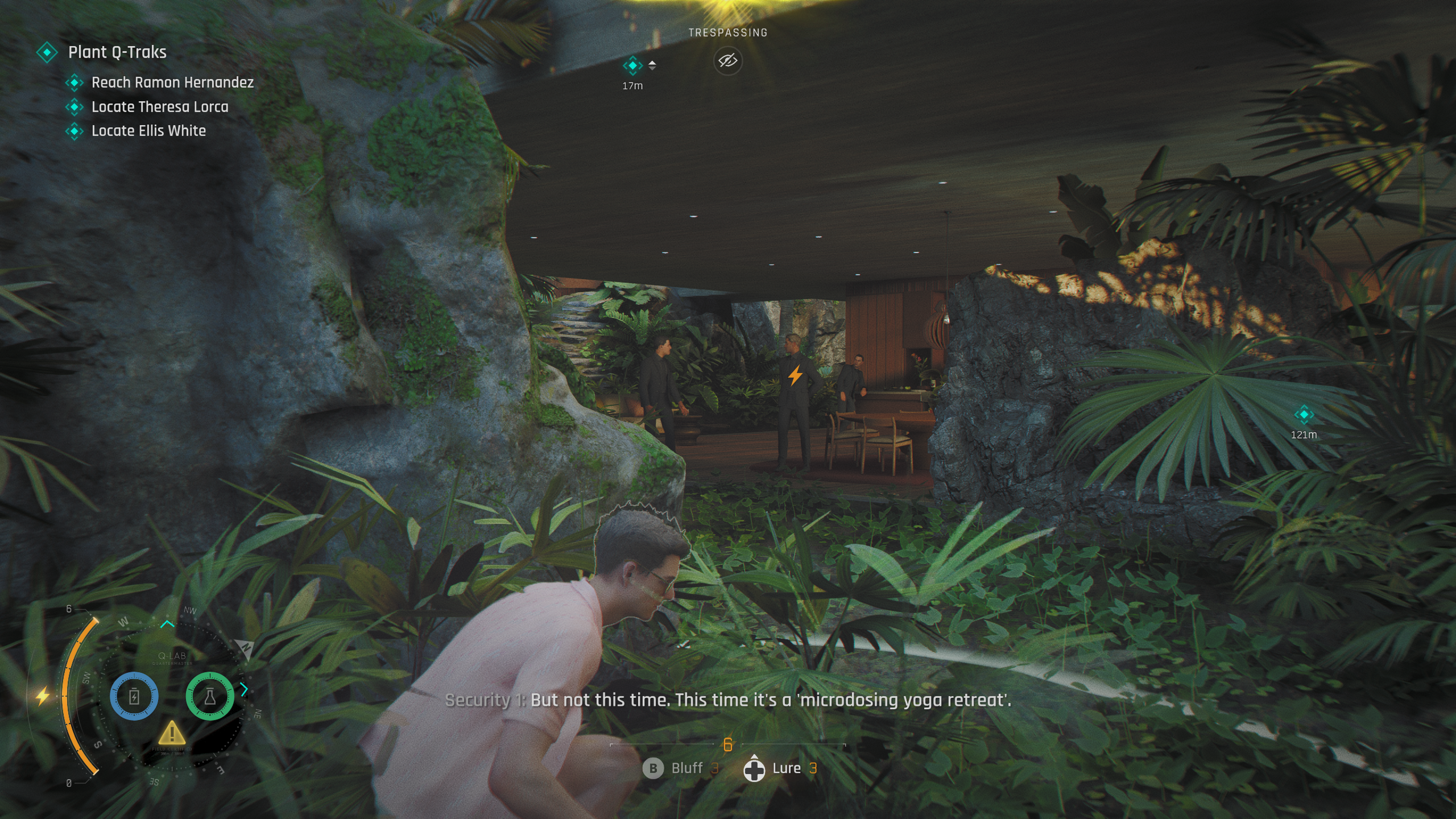
Layered on top of this gadget system is the "Energy" meter, essentially Bond’s "swag" bar. This resource is earned by performing stylish actions, such as elegant takedowns, completing incidental side quests, or achieving optional goals in a "Bond-ish" manner within social areas. The accumulated "swag" can then be spent on various social actions:
- Lure (3 Energy): Functions similarly to the "knock" or "whistle" mechanics in Metal Gear or other stealth games, drawing an enemy to Bond’s concealed position for an easy, silent dispatch.
- Bluff (6 Energy): Allows Bond to engage a guard in a boutique, location-specific dialogue exchange, temporarily disabling the guard’s alert meter and enabling Bond to walk past unhindered. This requires quick thinking and an understanding of the environment. While effective against most, specific "Watchers," denoted by a white dot on the HUD, are immune to this trick. These elite guards require alternative methods of circumvention, such as traditional distractions, poison darts (a non-lethal variant that prompts the victim to urgently seek a toilet, reminiscent of Hitman), or more elaborate social engineering like acquiring the correct keycard, press pass, or disguise.
This intricate system allows for a flexible and dynamic approach to infiltration, truly embodying Bond’s ability to navigate high-stakes environments through cunning and charisma as much as brute force.
License to Kill: A Signature Combat Mechanic
While social infiltration is a primary mode of engagement, "First Light" acknowledges that Bond eventually goes loud. However, it does so with a distinct Bondian flair, introducing the "License to Kill" mechanic. Crucially, Bond is not permitted to shoot first. Players will find their firearm unusable until an enemy attempts to use a gun on Bond. Once this threshold is crossed, a "License to Kill" banner appears, signaling the transition to open combat.
This mechanic brilliantly captures the character’s reactive nature and his preference for non-lethal solutions until directly threatened. It means players often start missions in a stealth or social capacity, only escalating to firefights if spotted or forced. When combat erupts, it’s a brutal and visceral affair. Bond’s primary response is often to disarm and utilize enemy weapons. Pistol rounds might be ineffective against heavily armored "juggernaut SWAT" enemies, but throwing the pistol at their head can stun them long enough for Bond to initiate a finisher combo, disarm the fallen guard, and turn their powerful shotgun against the rest of the team. This constant exchange of weapons and adaptation to the battlefield is a refreshing take on cover-based shooting.
Brawling with Panache: Hand-to-Hand Combat Prowess
"First Light" elevates hand-to-hand combat to a powerful and satisfying gameplay pillar. Despite facing multiple armed opponents, Bond gains a significant advantage in close quarters. The brawling system is dynamic, featuring satisfying environmental interactions. Objects like coffee mugs, bricks, or hammers can be picked up and hurled to create openings for finishers. A robust block and dodge system allows Bond to counter strikes and grabs, leading to brutal grapples that often conclude with Bond slamming his foe’s head into tables, walls, or electrical circuit breakers.
Boss characters introduce a more strategic "rock-paper-scissors" dynamic to combat, requiring players to utilize terrain and identify specific attack vulnerabilities. The overall feel of combat, whether stealthy takedowns, frenetic gunfights, or visceral brawling, is consistently polished and impactful.
Vehicle sections, though present, are not a primary focus. They serve largely as "extended playable exposition dumps," particularly the Land Rover sequences in Africa. While well-executed, they are infrequent, allowing the core gameplay loop of infiltration, stealth-action, and combat to dominate the experience. The game’s length is substantial, with a reported 14+ hours for a thorough playthrough, extending to 25 hours on Steam for those who explore and experiment. A "modular run-based mission mode," drawing lessons from Hitman, promises significant post-launch replayability, allowing players to revisit areas with different modifiers and objectives.
Beyond the Action: Story, Protagonist, and Supporting Cast
The narrative of "First Light" is designed for a broad audience – those who "like James Bond fine" – rather than catering exclusively to ardent superfans or staunch detractors. It’s a brand-new iteration of the character, existing in his own self-contained universe, free from the constraints of previous continuities or the "codename" theories. This allows for a fresh start without alienating the core audience. The plot, centered on an AI tech villain, is described as generally well-done but "unremarkable as far as Bond plots go," serving primarily to move the player through diverse set pieces and encounters. Its political commentary on generative AI, while present and "correct" regarding reliability, remains secondary to the action and intrigue.
This Bond is presented as a "standard-issue Bond": straight, white, cis male, engaging in casual liaisons. This choice reflects a strategic decision by IO Interactive, likely influenced by the IP holder, to maintain the character’s established persona, recognizing these as "loadbearing pillars" of his identity and relationship with MI6 and the broader British Empire. Visually, the actor cast for Bond has been noted for a resemblance to "Cal Lightsaber from over in the Jedi Survivor franchise," possessing a generic yet appealing "face."
The story meticulously tracks Bond’s evolution from an "unpolished twerp" in the tutorial to the "recognizably modern-Bond instinctive loner" by the game’s conclusion. Notably, this Bond avoids the darker, more psychopathic tendencies occasionally exhibited by Daniel Craig’s iteration in Casino Royale prior to Vesper Lynd’s influence, a conscious decision that is generally lauded. The writing, while relying heavily on spectacle and execution, is consistently "good and very occasionally great."
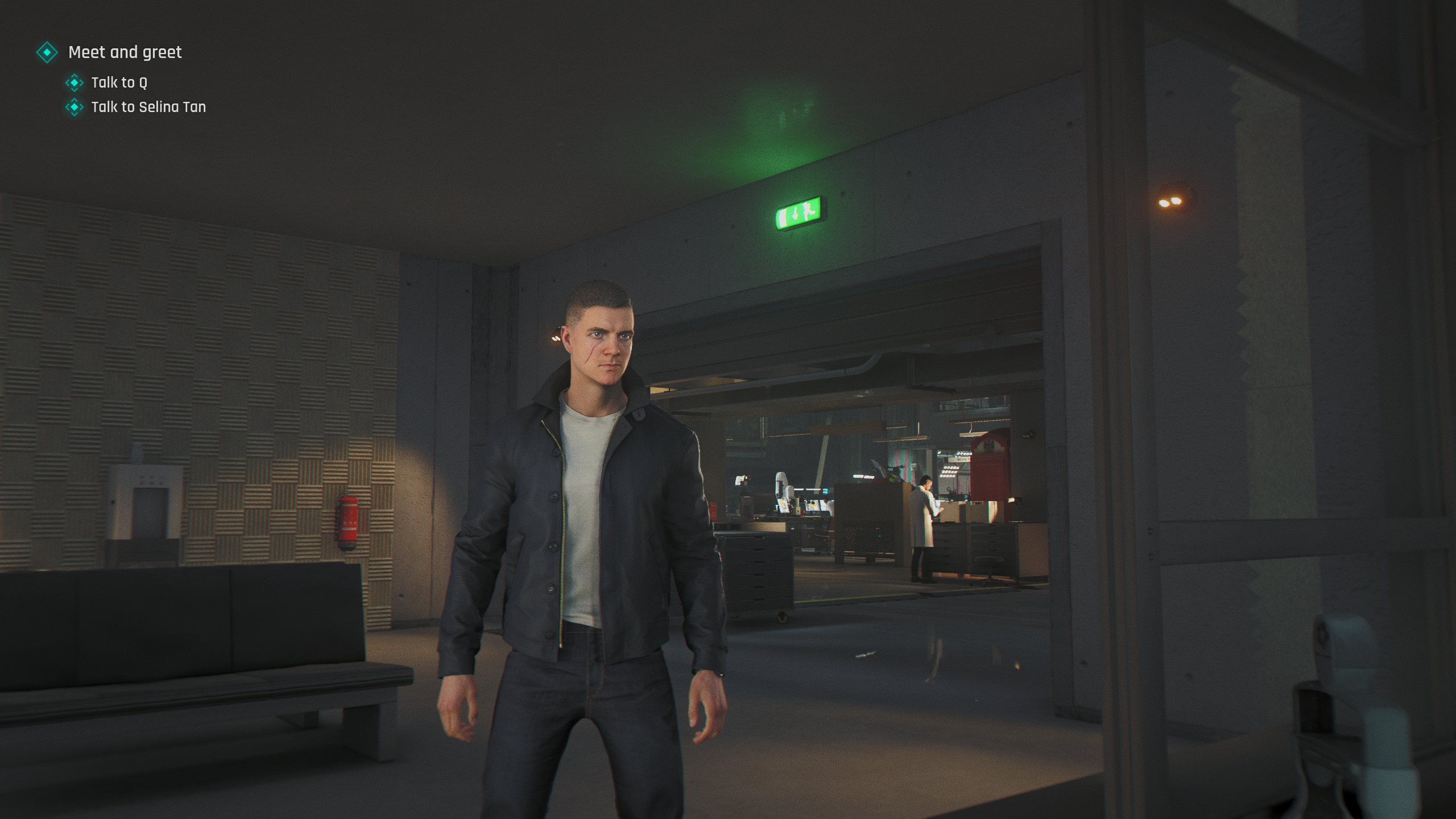
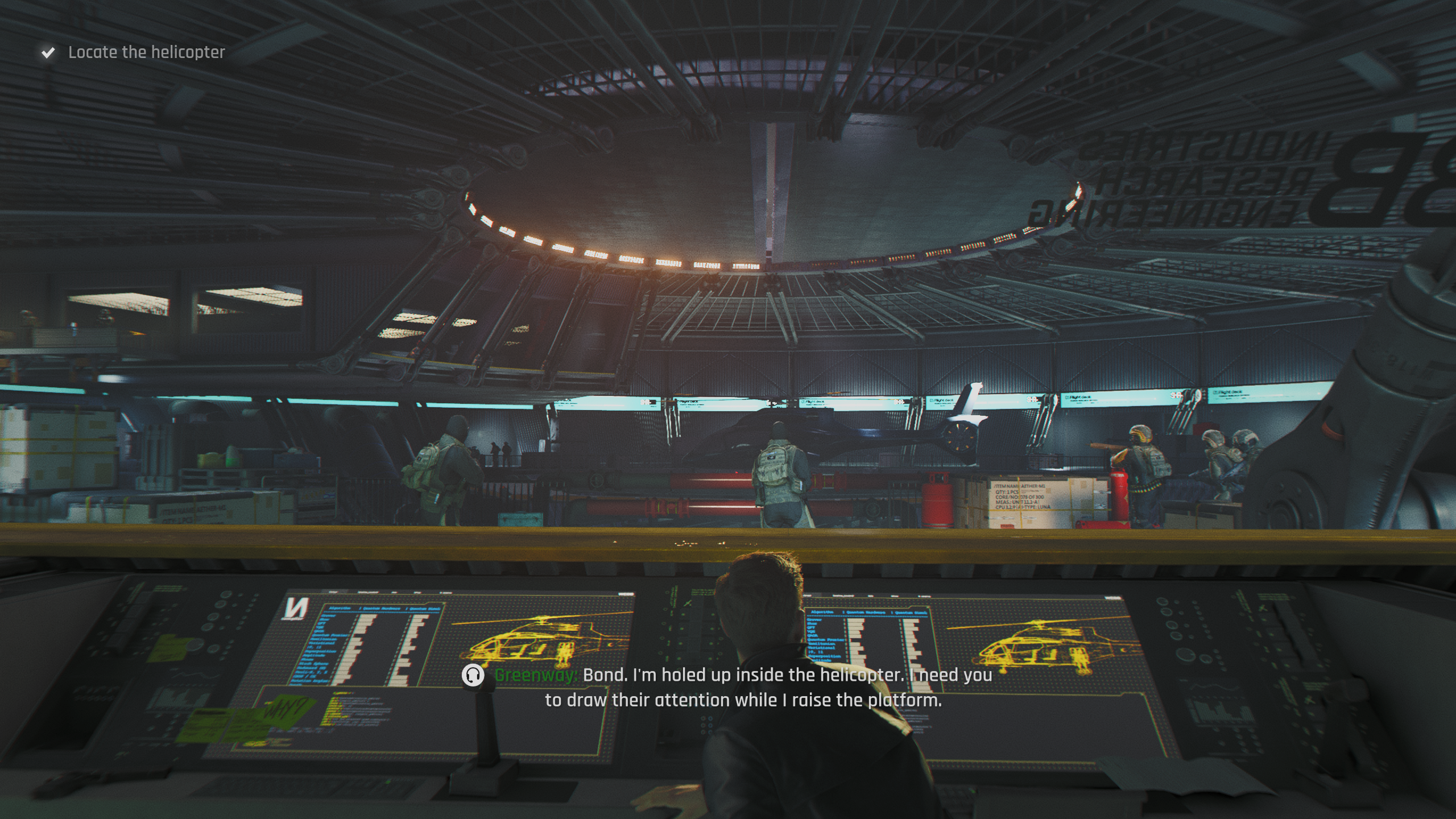
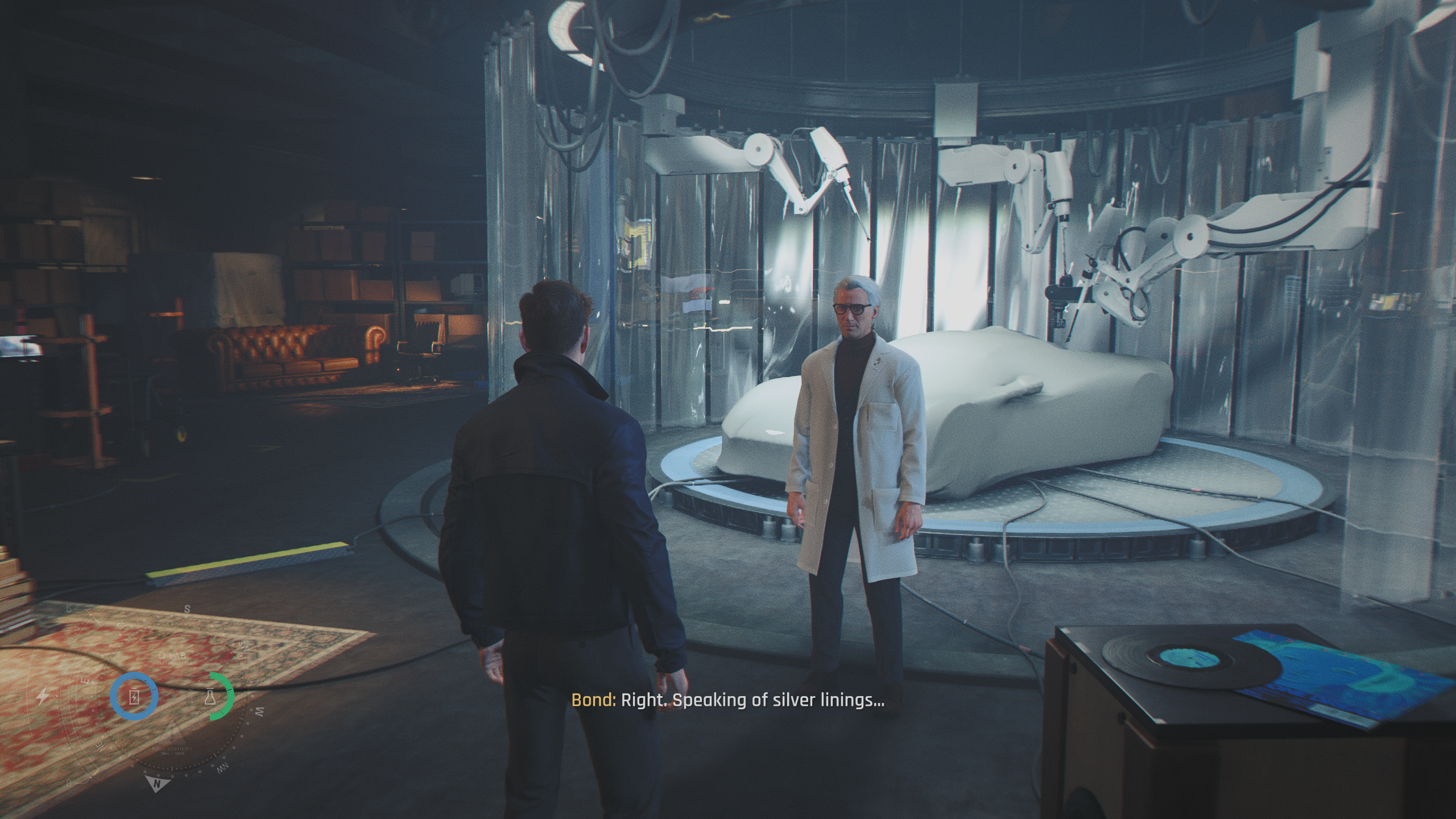
The supporting cast features expected but enjoyable archetypes: M as the strict but ultimately indulgent boss, Q as the seasoned quartermaster with hidden depths, and Greenway, a new character, as the classic "unwilling old mentor" who begrudgingly comes to appreciate Bond’s virtues. IO Interactive has opted for familiar, effective characterizations rather than radical reinvention.
The Bond Girls: Tradition and Modern Sensibilities
The portrayal of "Bond Girls" in "First Light" adheres closely to franchise tradition. The reviewer noted three liaisons during their playthrough, with some serving plot purposes and one feeling somewhat "bolted on." Bond’s "charming" persona, perpetually rewarded across all Bond media, is faithfully replicated, with a balanced dynamic between him pursuing women and being pursued in return. The game notably avoids the more problematic "Sean Connery Bond moments," a welcome relief for contemporary audiences.
However, the reviewer points out "seams where the writing team clocks out and the meat market stuff with James and his various paramours begins." These relationships are portrayed as supremely casual, lacking character progression or lasting impact, with music swells and camera fades signaling the traditional romantic interludes. The only woman with whom Bond shares a "real relationship" is Moneypenny, who, in keeping with recent tradition, is not physically involved with him but serves as his crucial ear-piece contact, updating objectives and remaining the most important woman in his professional life. This adherence to a classic formula, while perhaps not groundbreaking, ensures that the game resonates with established Bond tropes.
The One Glaring Misstep: Lenny Kravitz’s Bawma
Despite its many successes, "First Light" does have one significant demerit: the casting and performance of Lenny Kravitz as the villainous "pirate king Bawma." While stunt casting celebrities is a common practice in video games, it is less so in the Bond franchise, and Kravitz’s portrayal is criticized for sticking out "like a sore thumb." The character’s aggressive look is deemed acceptable within the flashy villain tradition of Bond, but it is the vocal performance that is singled out as "sinking his part." The reviewer expressed concern that Kravitz’s character is slated to be a main focus of post-launch story content, even suggesting that his performance is poor enough to warrant a complete dubbing. This misstep, while isolated, stands as the most notable flaw in an otherwise highly polished experience.
Official Vision and Creative Direction
The development of "First Light" was a collaborative effort, balancing IO Interactive’s innovative game design with the enduring legacy and specific requirements of the James Bond intellectual property.
Upholding the Legacy: The IP Holder’s Influence on Bond’s Portrayal
The decision to portray Bond as a "standard-issue Bond" – a straight, white, cis male who engages in casual sex – was not merely a creative choice by IO Interactive but almost certainly influenced, if not mandated, by the IP holder. As the reviewer notes, these characteristics are "loadbearing pillars of the character’s relationships with MI6, with all the people he encounters… and with British Empire writ large." Deviating from this established formula would represent a significant shift for the franchise, a pool IO Interactive was "not willing – or almost certainly even permitted by the IP holder – to dip a toe into." This reflects a conservative approach to the core identity of James Bond, ensuring that the game aligns with the expectations and brand image cultivated over decades of films and literature. The goal was clearly to deliver an authentic Bond experience, albeit one updated for modern gaming mechanics.
IO Interactive’s Strategic Design Choices
IO Interactive’s strategic design choices were rooted in their Hitman experience but adapted specifically for the Bond universe. Their primary goal was to create a game that captured the full spectrum of Bond’s abilities, moving beyond mere gunplay. This meant developing robust systems for social infiltration, disguise, and non-lethal problem-solving. The "Energy" (swag) system and the "License to Kill" mechanic are prime examples of this intentional design, pushing players towards more thoughtful and Bond-like approaches before resorting to overt violence.
The studio’s decision to craft an original story and a new iteration of Bond, rather than adapting an existing film, granted them creative freedom to explore the character’s origin and evolution without being constrained by established narratives. This allowed them to build a world and a protagonist specifically tailored to their gameplay vision, ensuring cohesion between story and mechanics. The balance between traditional Bond elements (gadgets, casual liaisons, archetypal supporting cast) and modern gameplay innovations demonstrates a careful and deliberate creative direction.
Implications for the Future of 007 and Spy Gaming
"First Light" is poised to have significant implications for both the James Bond franchise and the broader spy gaming genre.
A New Benchmark for Licensed Titles
The critical reception of "First Light" establishes it as a new benchmark for licensed video games. It demonstrates that with the right developer and a clear vision, popular intellectual properties can transcend the often-mediocre tie-in status to become genuinely innovative and high-quality experiences. IO Interactive’s ability to translate the nuanced character of James Bond into a compelling interactive format, moving beyond the superficial, will likely influence how other studios approach adapting beloved franchises. It shows that staying true to the spirit of the IP doesn’t necessarily mean sacrificing creative gameplay design.
The Potential for Expansion and Replayability
The inclusion of a "modular run-based mission mode," inspired by the Hitman franchise, suggests a long and healthy post-launch life for "First Light." This mode allows players to revisit the game’s intricate sandbox levels with different modifiers and objectives, significantly enhancing replayability. This focus on enduring engagement, rather than a one-and-done campaign, is a smart move that leverages IO Interactive’s strengths and provides excellent value for money. Future content, including the expansion of this mode, could further cement the game’s longevity and community engagement.
Redefining the "Bond Game" Genre
Perhaps the most significant implication of "First Light" is its potential to redefine what a "Bond game" is. By successfully integrating sophisticated social infiltration, a nuanced combat system that emphasizes wits before weapons, and a strong sense of character, IO Interactive has moved the genre beyond the legacy of GoldenEye‘s pure FPS approach. It offers a blueprint for future spy games that prioritize strategic thinking, environmental manipulation, and character-driven espionage alongside exhilarating action. This could inspire a new wave of games that explore the psychological and social aspects of spycraft, enriching a genre that has often leaned heavily on direct confrontation.
In conclusion, "First Light" is more than just a good Bond game; it’s a statement. It’s the culmination of years of design evolution at IO Interactive, meticulously applied to one of the most iconic figures in popular culture. Despite minor imperfections, its overall quality, innovative gameplay, and faithful yet forward-thinking portrayal of James Bond position it as a triumph, ensuring that 007’s digital future looks brighter than it has in decades.