Prolific Author Balances Global Travel with Intensive Writing and Eclectic Reading in a Jam-Packed July
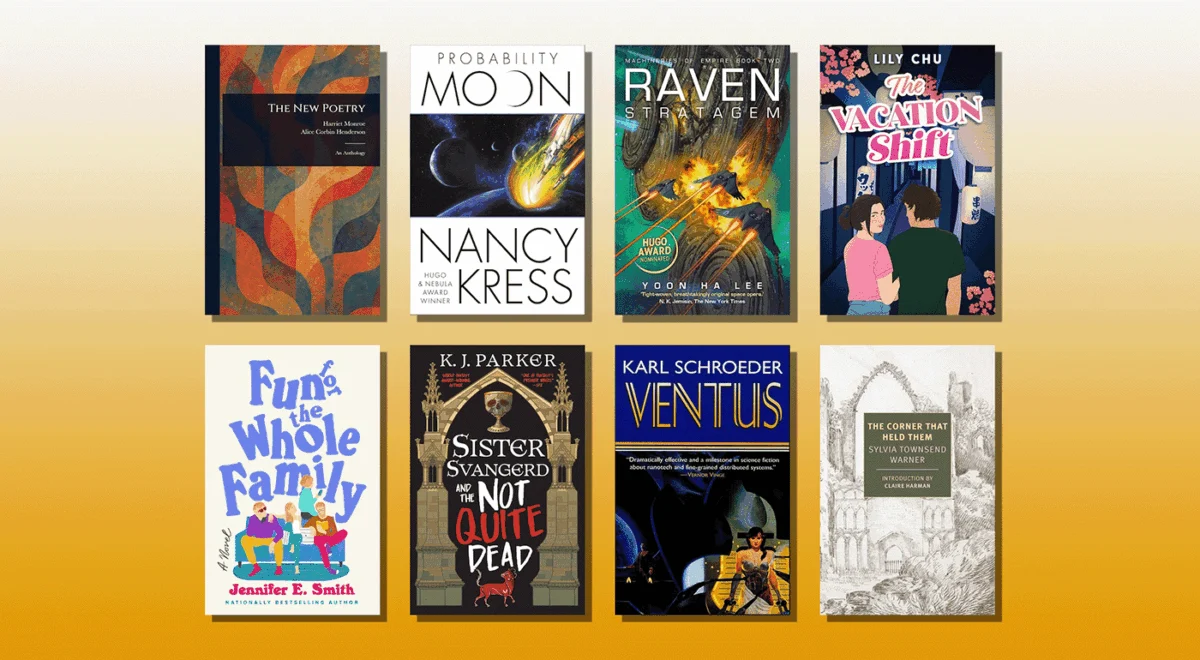
Montreal/Florence/Avilés, Spain – For many, July signifies a pause, a moment for summer relaxation. For one highly productive author, however, it marked a period of intense global travel, critical literary revision, the genesis of a new project, and an impressively diverse reading marathon of eleven books. This demanding schedule underscores the relentless pace and multifaceted engagement required in today’s literary world, blending creative output with continuous critical consumption.
The author, whose identity is revealed through the personal nature of their blog post, navigated a dynamic month that saw them traverse continents and immerse themselves in both creative solitude and vibrant literary festivals. The journey highlights the intricate balance writers must strike between inspiration, discipline, and community engagement.
Main Facts: A Month of Motion and Manuscripts
July commenced for the author in their Montreal home before a transatlantic flight whisked them to the artistic heart of Florence, Italy. This European base served as a springboard for further travel, specifically to Avilés in Asturias, northern Spain, for the renowned Celsius 232 festival. Following a week of festival activities, the author returned to Florence, where they hosted visiting friends, maintaining a blend of professional commitment and personal connection.
Professionally, July was a pivotal month for ongoing literary projects. Echoing a pattern from the previous year, the author dedicated the latter half of the month to intensive manuscript work. While July of last year saw them revising Everybody’s Perfect and initiating Sunlit Uplands, this year brought the revision of Sunlit Uplands to the forefront, alongside the exciting commencement of an entirely new, as-yet-unnamed work. Sunlit Uplands is slated for release next August, signaling a consistent output cycle. Amidst this flurry of activity, the author still managed to devour eleven books, reflecting a deep and unwavering commitment to reading across genres and eras.
Chronology: A Transcontinental Literary Odyssey
The author’s July itinerary offers a glimpse into the peripatetic life that often accompanies a successful writing career. The month began on home turf in Montreal, a familiar launchpad for their creative endeavors. From there, the journey shifted eastward to Florence, a city synonymous with art, history, and intellectual pursuit—an ideal backdrop for a writer.
The Italian sojourn was temporarily interrupted by a crucial professional engagement: the Celsius 232 festival in Avilés, Spain. This week-long event is a prominent gathering for enthusiasts and professionals in the fantasy, science fiction, and horror genres. Such festivals provide invaluable opportunities for authors to connect with readers, engage in panel discussions, network with peers, and draw inspiration from the broader speculative fiction community. Attending Celsius 232 not only reaffirms the author’s presence within this vibrant genre but also potentially fuels their own creative engines through exposure to new ideas and perspectives.
Upon concluding their festival commitments, the author returned to Florence. This second segment of their time in Italy transitioned from public engagement to private life, as they welcomed visiting friends. This period underscores the personal sacrifices and scheduling gymnastics often required to maintain both a demanding career and meaningful relationships. The ability to seamlessly pivot between professional intensity and personal connection is a hallmark of highly organized and adaptable individuals.
Supporting Data: A Deep Dive into Production and Consumption
The author’s July activities present a compelling case study in sustained literary productivity and critical engagement. The parallel nature of their writing schedule year-on-year—revising one manuscript while beginning another—demonstrates a methodical approach to their craft, ensuring a continuous pipeline of work. The upcoming release of Sunlit Uplands next August signifies the tangible outcome of this rigorous process, contributing to a steady presence in the publishing landscape. The commencement of a "new one" hints at the perpetual motion of a writer’s mind, constantly exploring fresh narratives and ideas.
Equally remarkable is the sheer volume and breadth of their reading list. Eleven books in a single month, spanning diverse genres from historical fiction and romance to hard science fiction and poetry, speak to an insatiable curiosity and a commitment to understanding the contemporary and historical literary ecosystem. This eclectic consumption is not merely leisure but an integral part of a writer’s professional development, informing their style, themes, and understanding of narrative craft.
The Eleven Books: A Curated Exploration
The author’s detailed commentary on each of the eleven books provides invaluable insights into their literary tastes and critical eye.
-
K.J. Parker’s Sister Svangerd and the Not Quite Dead (2026): This upcoming release garnered high praise for its unique blend of historical detail and fantastical elements. The author particularly noted Parker’s usual excellence in depicting the "history of tech, history of the book, history of weapons tech, and, here especially, forgery." The narrative’s authenticity, voice, and clever plot, coupled with the intriguing concept of an atheist navigating a world with tangible angels and demons, positions it as a highly recommended work. The anticipation of two sequels further solidifies its potential impact in the fantasy genre. This review suggests a deep appreciation for world-building that grounds the fantastical in believable historical mechanics.
-
Rachel Barnett’s The Italian Lakes Affair (2026): A romance novel set in Italy, this book was noted for an unusual element in modern romance: a clear antagonist. The heroine’s boss actively works to separate her from the hero through lies, a plot device the author observes as reminiscent of 1920s romance. While "fine," it wasn’t enthusiastically recommended, though the portrayal of an "unusual, good, and much older gay best friend" was highlighted as a strong point. This commentary reflects an awareness of romance genre conventions and an appreciation for character depth that transcends typical tropes.
-
Karl Schroeder’s Ventus (2000): A re-read for a book club, this science fiction novel explores themes of artificial intelligence, terraforming, and post-humanity. Schroeder’s recurrent theme of a "gap" between humanity and its advanced creations is evident as AI rejects its human creators, forcing humanity into a medieval existence. While acknowledging a potential excess of points of view, the author found it "very fun and readable," particularly praising its engagement with giving nature a voice and the intriguing interplay between flora, fauna, and mecha. This review delves into the philosophical underpinnings of hard sci-fi and the long-term thematic consistency of an author’s work.
-
Lily Chu’s The Vacation Shift (2026): This young adult romance follows a Chinese Canadian girl on a tour of Japan. While enjoyable, it was deemed "not quite as good as Chu’s adult books" and featured an "annoying Big Misunderstanding," a common but often criticized trope in romance. The author recommended starting with Chu’s adult novels, Drop Dead or The Stand-In, suggesting an informed perspective on an author’s broader bibliography and target audience.
-
William Anderson’s The Selected Letters of Laura Ingalls Wilder (2016): This collection proved disappointing, failing to meet the author’s expectations for insights into Wilder’s writing process. The letters were found to be uninteresting, with editorial exchanges lacking depth and reader responses being perfunctory. Critically, the author also noted that the letters did "nothing there to compensate for the politics really, and the politics are as bad as you may have heard." This blunt assessment touches upon the ongoing critical re-evaluation of historical figures and their potentially problematic views, a significant discussion point in contemporary literary discourse.
-
Greg Egan’s Sleep and the Soul (2023): This collection of stories received enthusiastic praise, lauded as "top-notch," "brilliant," and "thought-provoking." The author identified the novella as Egan’s natural form, highlighting his strength in delivering "science fictional ideas to make your head explode" with sufficient characterization to anchor the narratives. This review celebrates the impactful potential of short-form science fiction and Egan’s reputation as a master of hard sci-fi.
-
Alice Corbin Henderson and Harriet Monroe’s The New Poetry (1923): This historical anthology was celebrated as a "terrific collection" and a "beautiful snapshot of a moment." The author found it invaluable for understanding the poetic tastes and trends of 1923, contrasting it with later, more curated selections. The discovery of Conrad Aiken and the "genuinely surprising" Eunice Tietjens’ poem "The Steam Shovel" underscored the joys of engaging with primary historical sources and unearthing forgotten gems. This review highlights the importance of historical anthologies in capturing cultural zeitgeists and the serendipitous nature of literary discovery.
-
Nancy Kress’s Probability Moon (2000): While praised for its "very good" quality, "great worldbuilding," and "fascinating alien culture," this novel was also described as "grim taken all in all." The author acknowledged Kress as an "underrated and important writer" but admitted to needing to "brace myself to read her work because it’s so uncompromising." This speaks to the power of uncompromising narratives in science fiction and the emotional demands they can place on readers, even those with a deep appreciation for the genre.
-
Sylvia Townsend Warner’s The Corner That Held Them (1948): A re-read, this novel about nuns was described as "wonderful," "vivid," and "perfectly imagined." Set in the fen country of England and spanning multiple lifetimes through the Black Death, the narrative’s strength lies in its ability to make seemingly mundane events—a spire being built, novices arriving—riveting. The author highly recommended it to fans of Wolf Hall or Hild, and actively sought further recommendations for novels about nuns, showcasing a specific literary interest and a desire for communal engagement.
-
Jennifer E. Smith’s Fun for the Whole Family (2025): This novel was lauded as "great," "really, really readable," and featuring "wonderful characters." It explores family dynamics through adult siblings reuniting in North Dakota, revealing secrets stemming from childhood road trips with an absent mother. The author praised its seamless navigation of time jumps and multiple points of view, noting its more adult and serious tone compared to Smith’s previous works. Smith’s skill in depicting travel was also highlighted, referencing her "Amtrak romance novel." This review touches on the complexities of family sagas and the evolution of an author’s style.
-
Yoon Ha Lee’s Raven Stratagem (2017): The sequel to Ninefox Gambit, this military science fiction novel was initially slow with an "excessive" number of points of view. However, it significantly improved in its latter half, becoming "really good" and compelling the author to read it "all in one go." The necessity of the setup for the third book was acknowledged, underscoring the immersive nature and often demanding structure of complex series. This review reflects the reader’s journey through challenging but ultimately rewarding speculative fiction.
Official Responses: Navigating the Literary Echo Chamber
While the original article is a personal blog post and thus doesn’t contain "official responses" in the form of press releases or institutional statements, the author’s voice itself functions as a form of critical response within the literary community. Their recommendations and critiques, stemming from an informed perspective as a fellow writer, carry weight for their readership.
The mentions of publication years extending to 2025 and 2026 for several books (Sister Svangerd, The Italian Lakes Affair, The Vacation Shift, Fun for the Whole Family) act as an early indicator of anticipated releases. This forward-looking perspective is crucial in the publishing industry, where buzz often begins years before a book hits shelves. The author’s engagement with these pre-publication works positions them as an early adopter and influencer, offering a sneak peek into the future literary landscape.
Furthermore, the explicit seeking of recommendations for "more novels about nuns" demonstrates the interactive and community-driven aspect of reading. It transforms a personal reading list into a dialogue, inviting other readers to share their insights and contribute to a collective literary exploration. This kind of engagement, while informal, is a powerful driver of book discovery and discussion.
The author’s critique of The Selected Letters of Laura Ingalls Wilder, particularly concerning "bad politics," reflects a broader, ongoing critical re-evaluation of historical literary figures. This isn’t just a personal opinion but an engagement with contemporary discussions about legacy, problematic views, and the responsibility of authors and readers alike to confront uncomfortable truths in literary history.
Implications: The Interconnectedness of Creation and Consumption
The author’s July experience vividly illustrates the symbiotic relationship between reading and writing. Their voracious consumption of diverse literature undoubtedly feeds their own creative process, offering new stylistic approaches, thematic inspirations, and an understanding of reader expectations. The act of revising Sunlit Uplands and initiating a new novel immediately after such an intense reading period suggests a direct feedback loop where input fuels output.
The global travel component, particularly attending a genre festival, highlights the importance of community and external stimulation for writers. These experiences break the isolation of the writing desk, offering fresh perspectives, affirming one’s place within a larger artistic ecosystem, and providing valuable networking opportunities.
Finally, this detailed account offers a valuable service to readers. By sharing their personal reading journey, complete with candid critiques and enthusiastic recommendations, the author acts as a trusted guide in an overwhelming literary market. Their mixed lot of reads—from highly recommended gems to merely "fine" reads and outright disappointments—provides an honest and relatable perspective, fostering a deeper connection with their audience and reinforcing the idea that even for a professional writer, the reading experience is a personal and varied one. The intricate dance between travel, creative labor, and critical consumption painted by this July chronicle is a testament to the dynamic and demanding life of a contemporary author.