Rejecting the Singularity: An Analytical Deep Dive into the Satirical World of ‘Future? No Thanks!’
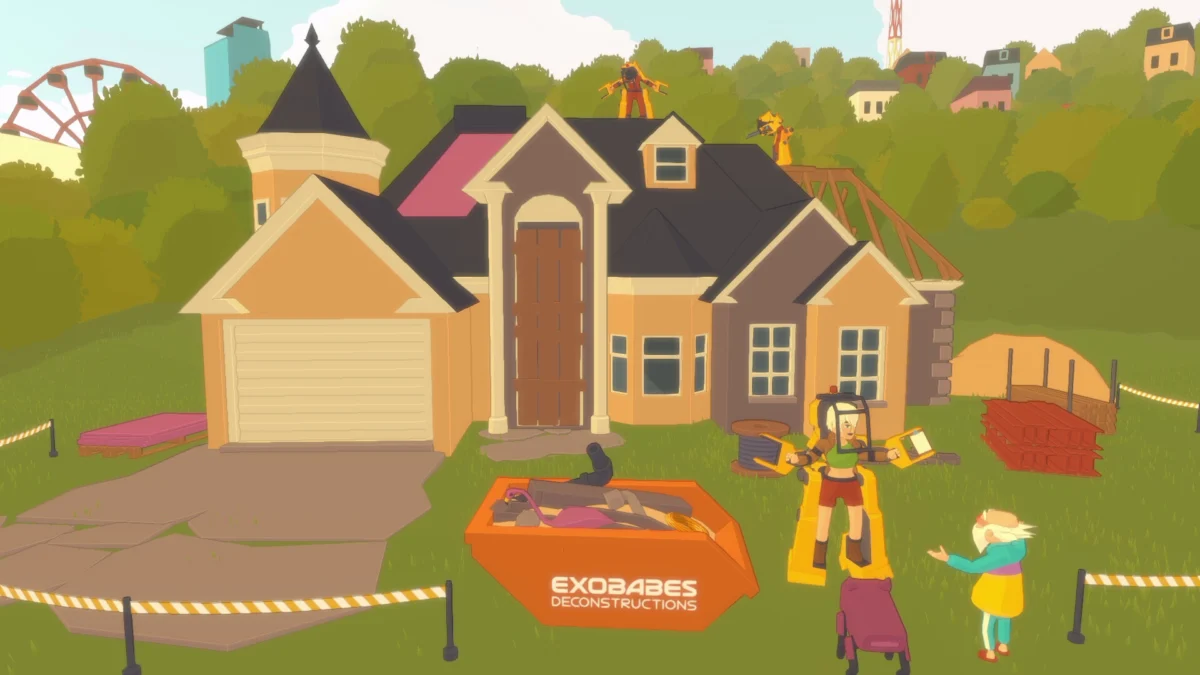
The landscape of independent gaming has long been a fertile ground for exploring the human condition through lenses that mainstream AAA titles often avoid. However, few titles have approached the existential crisis of aging and societal obsolescence with the same biting wit and absurdist flair as the recently released Future? No Thanks! Developed as a story-driven, open-world adventure, the game presents a jarring, neon-soaked vision of the future through the eyes of its most reluctant inhabitant: a grumpy, anachronistic old man who has decided that the only way to deal with the "advancements" of society is to opt out entirely.
By blending dark humor with a non-linear exploration of a high-tech dystopia, Future? No Thanks! challenges players to navigate a world that has moved on, while tethered to a protagonist who refuses to catch up.
Main Facts: The Premise of Existential Defiance
At its core, Future? No Thanks! is a satirical commentary on the friction between generational values and the relentless march of technology. The player assumes the role of an elderly protagonist—described as a "slightly sexist" and deeply cynical man—who finds himself living in a world of mecha-girls, sentient AI, and pervasive automation. Rather than adapting, the protagonist has reached a definitive conclusion: the future is not for him.
The game begins on what is intended to be the protagonist’s last day on Earth. In this version of the future, end-of-life care is a highly regulated, bureaucratic process. However, the medical professionals overseeing his transition refuse to let him "kick the bucket" until he has cleared a specific, self-defined bucket list. This setup serves as the primary engine for the game’s narrative and gameplay, forcing the player to engage with a world they are supposedly trying to leave behind.
Key Gameplay Mechanics
- Traversal: In a nod to both the protagonist’s frailty and the world’s absurdity, movement is primarily handled via a rocket-powered wheelchair. This allows for high-speed exploration of the urban environment, bridging the gap between traditional walking simulators and high-octane action games.
- The Companion: The protagonist is accompanied by a "strange robot dog." This character serves as a mechanical foil to the old man’s technophobia, providing both utility in solving puzzles and a source of constant narrative friction.
- Non-Linear Quests: The game operates on an open-world basis, allowing players to tackle their "end-of-life" tasks in any order. These tasks range from the mundane to the "absolutely wild," such as the directive to "get into a fight" with the younger, technologically enhanced population.
- Dialogue and Voice Acting: A significant portion of the game’s immersion is driven by a fully voiced cast. Each NPC offers a unique perspective on the world, often clashing with the protagonist’s outdated worldview to create comedic and sometimes poignant moments.
Chronology: From Gamescom Sensation to Steam Release
The trajectory of Future? No Thanks! highlights the growing appetite for narrative-heavy indie games that prioritize character over conventional power fantasies.
Development and Reveal
The game first garnered significant attention during its development phases, where early trailers showcased its unique art style—a blend of gritty realism and vibrant, neon-lit futurism. The announcement trailer set the tone, introducing the protagonist’s curmudgeonly voice and the high-speed chaos of his rocket-powered wheelchair.
The Gamescom Milestone
In August 2024, the game was featured at Gamescom, one of the world’s largest gaming trade fairs. It was here that critics and players first experienced the "hands-on" reality of the game’s mechanics. Attendees noted that while the premise seemed centered on humor, the actual gameplay was surprisingly compelling. The story-driven nature of the tasks—solving the list before the "clock ran out"—created a sense of urgency that contrasted sharply with the protagonist’s lethargic attitude toward life.
The Gamescom demo highlighted the "town" as a character in its own right. Rather than a static backdrop, the world felt lived-in, filled with side quests and spontaneous conversations that challenged the protagonist’s desire to die. It was during this event that the game’s potential to be a "cult classic" was first discussed by industry analysts.
Official Launch
Following the momentum of Gamescom, the game saw its official release on the Steam platform. The launch was accompanied by an updated announcement trailer, further refining the game’s blend of narrative depth and "silly moments." Since its release, the game has been positioned as a must-play for those who enjoy titles like Just Die Already but crave a more robust, story-focused experience.
Supporting Data: Mechanics of a Grumpy Open World
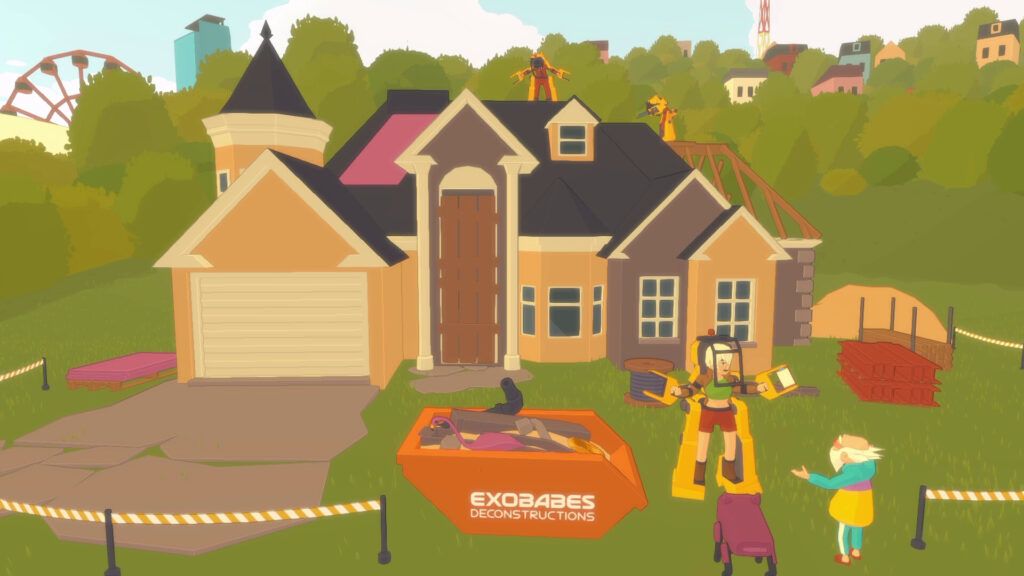
To understand why Future? No Thanks! resonates, one must look at the data of its design. The game’s "open world" is not vast in the sense of a Grand Theft Auto, but rather dense.
Narrative Density
The developers have focused on "micro-interactions." For example, the protagonist’s interaction with a gas station pump or a mecha-girl in the street isn’t just a menu click; it’s a fully scripted encounter. This density ensures that the player feels the protagonist’s discomfort at every turn.
The "Anti-Hero" Statistics
While most games track "Experience Points" or "Level Ups," Future? No Thanks! focuses on the completion of the protagonist’s "Death List."
- Combat: Unlike traditional RPGs, combat is often portrayed as a clumsy, hilarious affair, reflecting the physical limitations of an elderly man.
- Dialogue Trees: The game utilizes a robust dialogue system where the player’s choice of "grumpiness" can alter the outcome of side quests. Being "slightly sexist" or "overly rude" isn’t just a character trait; it’s a gameplay mechanic that changes how the world reacts to you.
Technical Performance
On the Steam platform, the game has been optimized for a wide range of hardware, ensuring that its stylized visuals remain fluid during high-speed wheelchair segments. The use of spatial audio also enhances the experience, making the futuristic city sounds—drones, holographic advertisements, and buzzing servos—feel oppressive to the protagonist’s ears.
Official Responses: Satire with a Purpose
While the developers have leaned heavily into the "hilarious" aspect of the game, there is an underlying layer of social commentary that has not gone unnoticed. In various promotional materials and developer insights, the team has suggested that the protagonist’s "slightly sexist" and "old-fashioned" traits are intentional tools used to highlight the absurdity of all extremes.
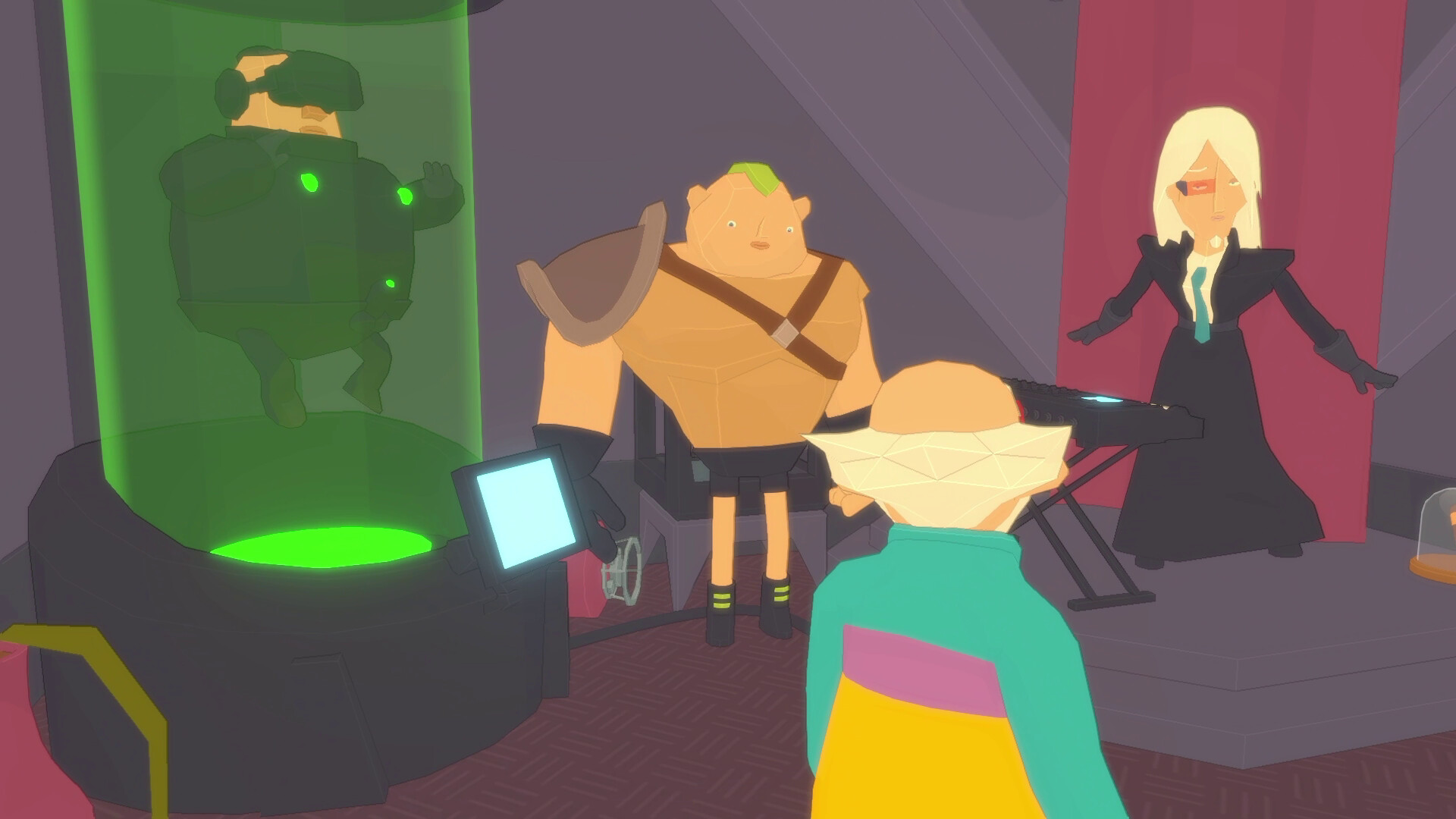
The doctors in the game, who represent the "benevolent" but cold efficiency of the future, serve as the primary antagonists in a psychological sense. By refusing to let the man die until he has "done everything," they are essentially colonizing his final moments with their own bureaucratic requirements.
Developer commentary during the Gamescom showcase suggested that the game is an exploration of "the right to be obsolete." In a world that demands constant upgrades and total integration with technology, the protagonist’s desire to simply "not" is his ultimate form of rebellion. This "Official Response" to the theme of aging elevates the game from a simple comedy to a satirical piece of art.
Implications: The Future of the "Unpleasant" Protagonist
The release of Future? No Thanks! carries several implications for the future of game design and narrative storytelling in the indie sector.
The Rise of the Relatable Curmudgeon
For years, video game protagonists were largely youthful, capable, and heroic. Future? No Thanks! joins a small but growing movement of games that center on the elderly and the infirm (following in the footsteps of Old Man’s Journey or Wayward Strand). However, by making the protagonist "unpleasant" or "grumpy," the game allows for a more honest—if exaggerated—exploration of the resentment that can come with being left behind by time.
Satire as a Genre Bridge
The game successfully bridges the gap between "simulator" games (which often use physics for comedy) and "narrative adventures" (which prioritize script and character). This hybrid approach could lead to more games that use "silly" mechanics—like a rocket-powered wheelchair—to deliver serious messages about end-of-life care, social alienation, and the loss of agency.
Market Positioning
By launching on Steam with a strong emphasis on voice acting and non-linear storytelling, the game is targeting a sophisticated audience that values "atmosphere" as much as "action." Its success suggests that there is a significant market for games that don’t just provide an escape, but provide a critique of the world we are currently building.
Conclusion
Future? No Thanks! is more than just a game about a grumpy man in a wheelchair. It is a meticulously crafted satire that uses humor to mask a profound question: What happens to the individual when the world becomes unrecognizable? Through its fantastic voice acting, open-world freedom, and unapologetically stubborn protagonist, the game offers a unique experience that is as thought-provoking as it is "absolutely wild."
As the protagonist navigates his final day, players are left to wonder if the future is truly something to be feared, or if the real tragedy is the loss of the right to say, "No thanks." For those looking to experience this existential joyride, Future? No Thanks! is currently available for purchase on Steam, offering a journey that is as hilarious as it is final.