The Voracious Evolution: Examining the Unsettling Biological Simulation of ‘In Full Bloom’
The landscape of independent gaming has frequently served as a fertile ground for subverting established genres, often twisting familiar mechanics into something unrecognizable and provocative. At the recent Southeast Asian Games Showcase and Gamescom 2026, a new title emerged that challenges the boundaries of the "pet simulator" genre. In Full Bloom, a project that blends the nostalgic loop of a Tamagotchi with the visceral discomfort of body horror, has captured the attention of critics and players alike for its unapologetic focus on gluttony, growth, and the grotesque.
Main Facts: A Subversion of the Nurturing Instinct
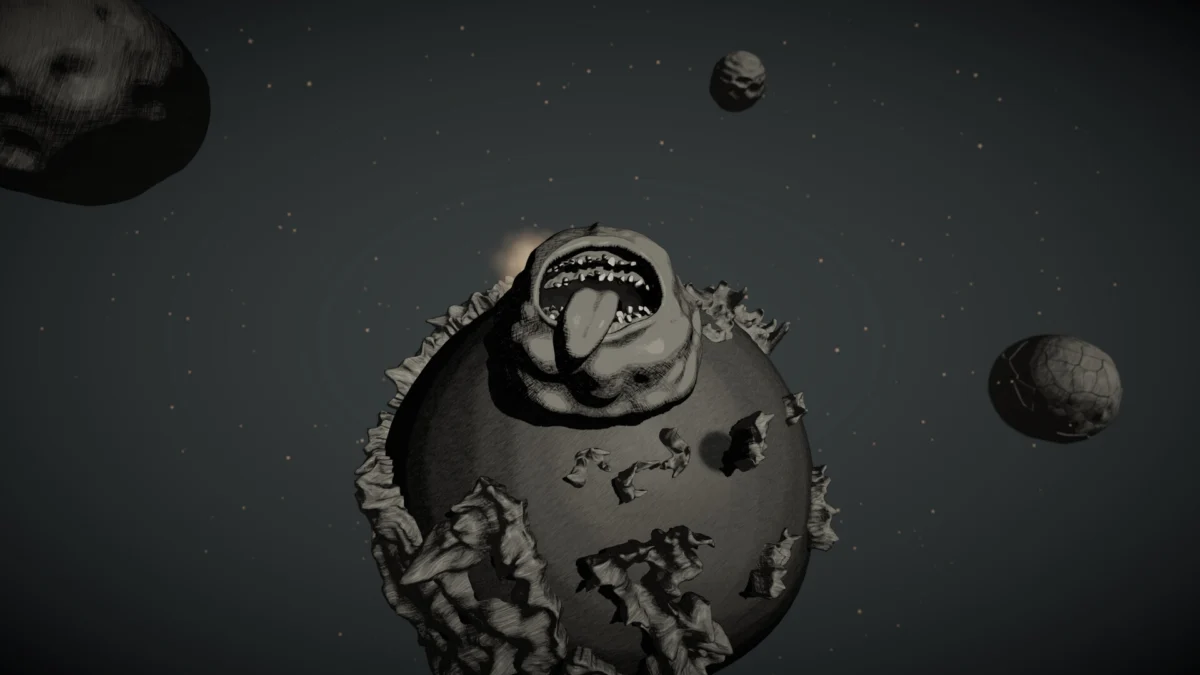
In Full Bloom is fundamentally a game about consumption. While traditional pet simulators task the player with balancing various needs—happiness, hygiene, and hunger—this title strips away all pretense of holistic care. The player is presented with a creature that is less a companion and more a biological void. The objective is singular: feed the entity until it reaches a physical scale sufficient to escape the planet it currently inhabits.
The game’s aesthetic is a deliberate departure from the "kawaii" or "cozy" tropes typically associated with the genre. The creature begins as a modest, albeit unsettling, blob characterized by a disproportionate number of teeth and a prehensile tongue. As the player drags various environmental objects and smaller life forms into its maw, the creature undergoes rapid, often disturbing, morphological changes.
Key features of the title include:
- Visceral Audio-Visual Feedback: The game emphasizes the physical act of eating through high-fidelity sound design, focusing on the wet, rhythmic noises of mastication and swallowing.
- Environmental Degradation: As the creature grows, the world around it shrinks—not in literal size, but in relative scale—as the entity consumes the very ecosystem that supports it.
- Systematic Progression: The gameplay loop transitions from a curious exploration of what can be eaten to a cold, industrial-style feeding operation.
- Steam Integration: Currently available as a demo on Steam, the game has already begun to cultivate a following ahead of its full release.
Chronology: From Humble Gluttony to Planetary Scale
The progression in In Full Bloom is structured around the biological "blooming" of the central creature. The experience can be categorized into three distinct phases of development, as observed during hands-on sessions at Gamescom.
Phase One: The Spawning
In the initial stages, the creature is relatively small and fragile-looking. Its hunger is manageable, and the items it consumes are inanimate or small enough to be easily overlooked. At this stage, the player feels a sense of traditional "caregiving." The creature’s movements are twitchy and reactive, and its mouth—though filled with too many teeth—is small. The player learns the basic mechanics of dragging and dropping, discovering that the entity’s hunger is a bottomless pit.
Phase Two: The Ecological Tipping Point
As the creature consumes enough biomass, it enters a secondary growth stage. This is where the "creepy" atmosphere described by early players truly takes hold. The creature’s physiology begins to shift; it develops more complex digestive organs, and its appetite expands to include other living inhabitants of the planet. The player’s role shifts from a provider to a facilitator of extinction. The noises of the game become more pronounced—the sound of bone-crunching and wet swallowing becomes the primary soundtrack.
Phase Three: The Breach
In the final stages showcased in the demo and trailers, the creature reaches a size that defies the planet’s geography. It becomes "too big for the world," as the developers describe it. The environment that once felt like a playground now looks like a petri dish. The goal of "getting off the planet" becomes a literal necessity, as the creature has effectively exhausted the planet’s resources. The systematic feeding becomes a frantic race to reach the final evolutionary threshold.
Supporting Data: The Mechanics of Discomfort
What sets In Full Bloom apart from other indie "weird-core" games is its commitment to the sensory experience of consumption. Data from the Steam demo and developer insights suggest that the game utilizes a sophisticated physics-based "mouth" system.
The Soundscape of Consumption
The audio design is perhaps the most divisive and effective element of the game. According to player feedback from Gamescom, the "squelching" and "gulping" sounds are designed to trigger a mild form of misophonia or a "fight or flight" response in some users. This isn’t accidental; the developers have leaned into the "horror-like" elements of biology. The sound of the creature throwing up—a mechanic used when it consumes something "wrong" or as a byproduct of rapid growth—adds a layer of physical realism that is rare in the genre.
Environmental Interaction
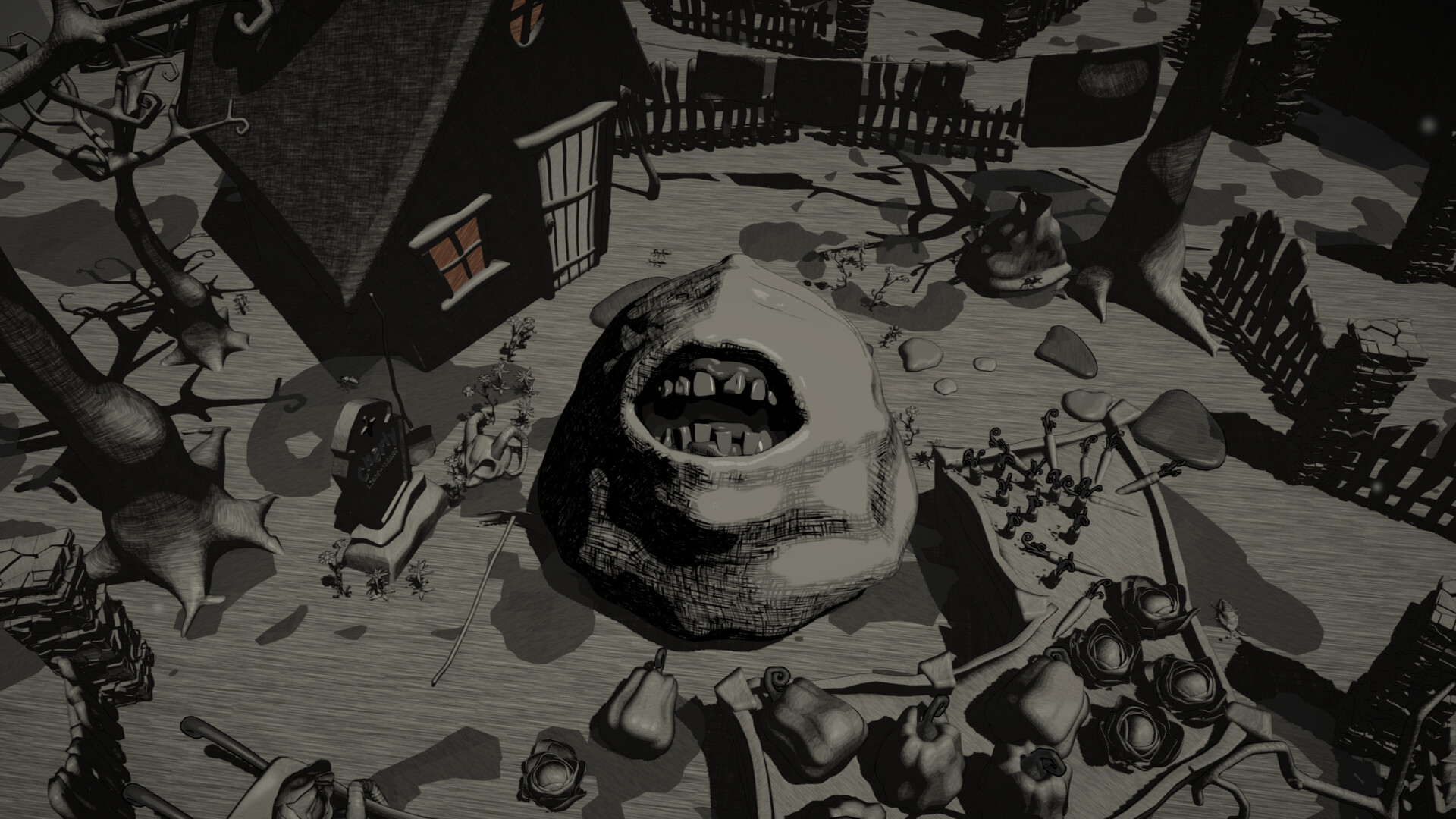
The game tracks the biomass of the environment. Unlike traditional games where items might respawn, In Full Bloom treats the world as a finite resource. Every creature eaten and every plant consumed is permanently removed from the map. This creates a visual representation of the player’s "progress"—a desolate, empty landscape that contrasts sharply with the massive, thriving, and terrifying entity at its center.
Official Responses and Industry Context
The game’s presence at the Southeast Asian Games Showcase 2026 highlights a growing trend in the regional development scene: a move toward high-concept, "uncomfortable" indie titles that challenge Western gaming norms.
The Developer’s Vision
While the developers have remained somewhat enigmatic regarding the deeper lore of the creature, their promotional materials emphasize the "naturalness" of the horror. In a statement during the Gamescom presentation, representatives noted that the game is an exploration of "pure biological imperative." They stated:
"We wanted to create a game where the player’s nurturing instinct is weaponized. You want to see the creature grow because that is the ‘win condition,’ but the cost of that growth is the destruction of everything else. It is a mirror to the concept of infinite growth in a finite world."
Critical Reception
Industry analysts have compared In Full Bloom to titles like Katamari Damacy, but with a "body horror" skin. While Katamari is joyful and colorful, In Full Bloom is damp and unsettling. Critics have praised the game for its "honest" portrayal of a predator, noting that it avoids the "sanitized" version of nature found in games like SimPark or Planet Zoo.
Implications: The Rise of "Eldritch Cozy"
The emergence of In Full Bloom points toward a significant shift in indie game trends—the rise of what some are calling "Eldritch Cozy." This subgenre takes the low-stress, repetitive loops of cozy games (farming, feeding, decorating) and applies them to unsettling or horrific themes.
Redefining the Pet Sim
For decades, the pet simulator has been synonymous with "cute." In Full Bloom proves that the mechanical loop of "input (food) leads to output (growth)" is satisfying regardless of the visual wrapper. By replacing a digital kitten with a toothy blob, the developers have tapped into a different kind of player engagement—one rooted in morbid curiosity rather than affection.
Ecological Allegory
There is an unavoidable ecological subtext to the game. As the creature grows "too big for the planet," it serves as a stark metaphor for overconsumption and the parasitic relationship between a dominant species and its environment. The fact that the player must continue to feed it to progress forces a confrontation with the consequences of growth. The "systematic" nature of the feeding—the assembly line of consumption—strips the act of its emotional weight, making the player a complicit part of a biological machine.
Future Outlook
As the game moves toward its full release, the success of the Steam demo suggests there is a substantial market for "strange" games that don’t fit neatly into established categories. In Full Bloom is poised to be a landmark title for the Southeast Asian development community, proving that they can produce content that is both mechanically sound and artistically daring.
For those interested in experiencing this biological anomaly firsthand, the demo remains available on Steam. It offers a glimpse into a world where "blooming" isn’t a sign of spring, but a herald of an insatiable, world-ending hunger. Whether players find it "creepy" or "compulsive," one thing is certain: once you start feeding the creature, it is very hard to stop until there is nothing left.