Tactical Scale and Haptic Immersion: Triangle Factory Brings "Forefront" to PlayStation VR2
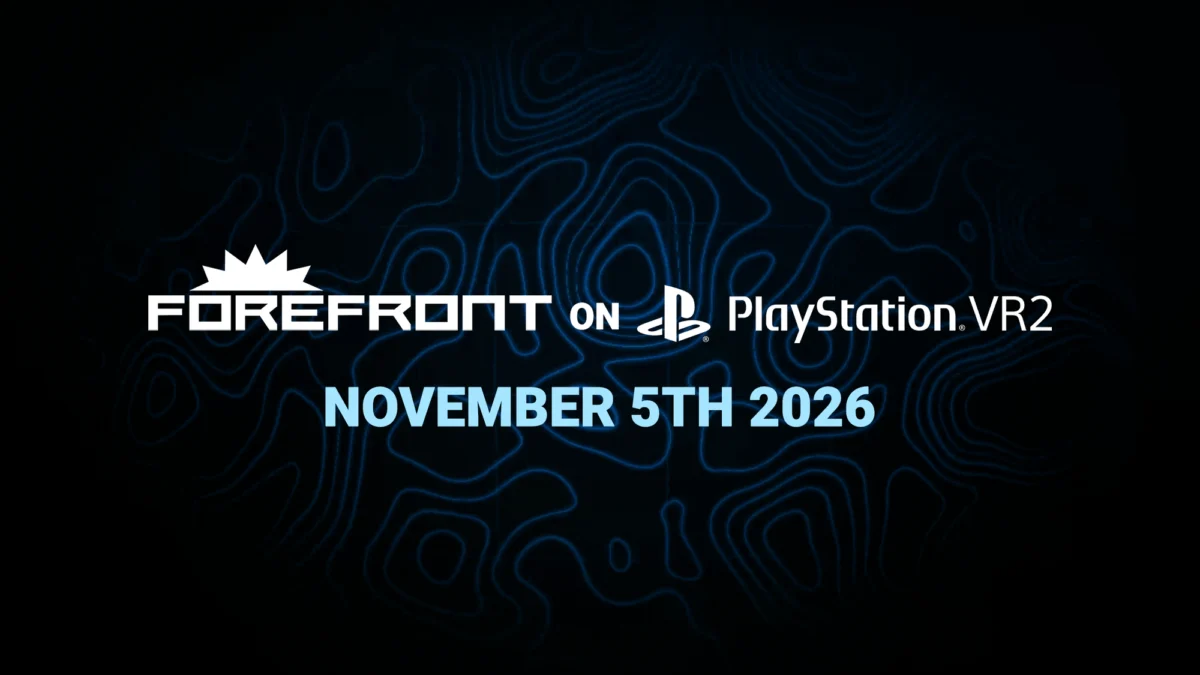
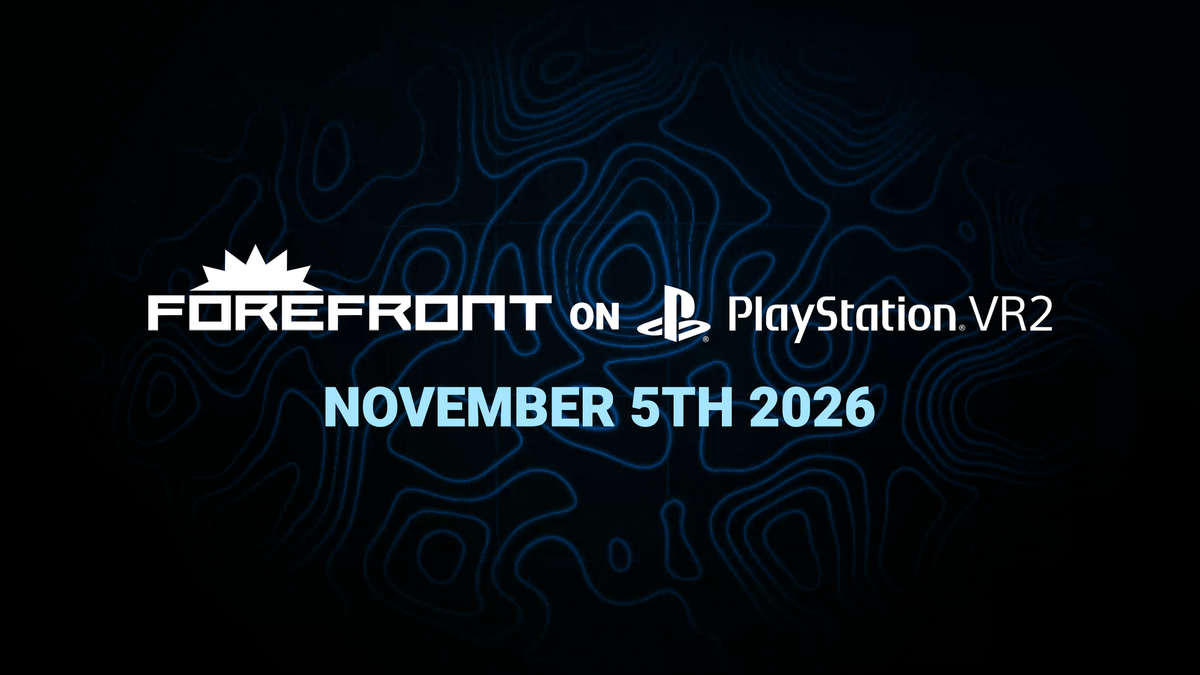
The landscape of virtual reality (VR) tactical shooters is undergoing a significant expansion as Triangle Factory, the acclaimed developer behind titles like Breachers, prepares to launch its massive 32-player first-person shooter (FPS), Forefront, on the PlayStation VR2 (PS VR2) platform. Scheduled for release on November 5, 2024, this move represents a major milestone for the title, bridging the gap between the mobile VR ecosystem and Sony’s high-fidelity hardware.
By integrating advanced haptic feedback, adaptive trigger support, and full cross-platform compatibility, Forefront aims to establish itself as the premier large-scale combat experience in the VR space. As the VR market continues to mature, the entry of a "Battlefield-like" experience onto the PS VR2 highlights the growing demand for high-player-count tactical simulations that leverage the unique sensory capabilities of modern headsets.
1. Main Facts: The Evolution of Large-Scale VR Combat
Forefront distinguishes itself from the crowded field of VR shooters through its sheer scale. While many VR titles focus on tight, 5v5 tactical encounters, Forefront leans into the chaos of 32-player combined arms warfare. The upcoming PS VR2 release is not merely a port; it is a feature-complete integration designed to take advantage of the PlayStation 5’s processing power and the unique ergonomics of the Sense controllers.
Key Features of the PS VR2 Release:
- Release Date: November 5, 2024.
- Player Count: 32-player lobbies, supporting large-scale team-based objectives.
- Performance: A locked 90Hz refresh rate on both the standard PlayStation 5 and the upcoming PlayStation 5 Pro, ensuring smooth motion and reduced latency.
- Haptic Integration: Full utilization of headset haptics (vibrations in the headband to simulate environmental impact) and the Sense controller’s adaptive triggers (simulating the weight and "break" of different firearm triggers).
- Cross-Play Ecosystem: Launching with day-one cross-play support, allowing PS VR2 players to compete alongside users on Meta Quest, SteamVR, and Pico headsets.
The inclusion of cross-play is particularly vital for a game of this scale. In the VR industry, maintaining a healthy player base for 32-person matches can be a logistical challenge. By unifying the communities across all major hardware platforms, Triangle Factory ensures that matchmaking remains swift and competitive.
2. Chronology: From Concept to PlayStation Integration
The journey of Forefront has been defined by rapid iteration and a commitment to the "live-service" model. Understanding the timeline of its development provides context for why the PS VR2 launch is occurring at this specific juncture.
Early Development and Multi-Platform Launch
Forefront initially carved out its niche on the Meta Quest and SteamVR platforms. Triangle Factory recognized a gap in the market: while games like Onward and Pavlov dominated tactical and arcade niches, there was no definitive "large-scale" military sim that felt accessible yet deep.
The "Operation: Sandstorm" Milestone
Just weeks prior to the PS VR2 announcement, Triangle Factory released "Operation: Sandstorm," the game’s most ambitious update to date. This update served as a foundational shift in the game’s progression logic, introducing:
- The Battle Pass System: A seasonal progression model that allows players to unlock cosmetics, weapon skins, and utility items.
- New Arsenal Additions: The introduction of a dedicated melee weapon and a new firearm, diversifying the "meta" of combat.
- New Game Modes: Expanding beyond standard capture-and-hold mechanics to include more varied tactical objectives.
The PS VR2 Announcement
In late October 2024, following the success of "Operation: Sandstorm," Triangle Factory officially confirmed the November 5 release date for the PS VR2 version. This announcement was strategically timed to coincide with the rollout of the PS5 Pro, positioning Forefront as a title capable of showcasing the iterative power of Sony’s mid-generation console refresh.
3. Supporting Data: Hardware Synergy and Performance Metrics
The success of a VR shooter often hinges on technical performance. In a 32-player environment, the demands on the CPU and GPU are immense, as the system must track the movements, weapon trajectories, and spatial audio of dozens of players simultaneously.
The 90Hz Benchmark
Triangle Factory has confirmed that Forefront will run at 90Hz on PS5. In VR, the refresh rate is synonymous with player comfort. While some titles utilize "reprojection" (interpolating 60fps to 120fps), a native 90Hz output provides a crisper, more responsive experience. This is particularly crucial in a high-stakes FPS where "frame drops" can lead to motion sickness or missed shots.
Visual Fidelity and PS5 Pro Enhancements
The PS VR2’s OLED displays offer a significant advantage for Forefront’s lighting and atmosphere. With HDR support, the "Sandstorm" environments benefit from deeper blacks and more vibrant muzzle flashes. While the game maintains parity in gameplay across platforms, the PS5 Pro version is expected to leverage improved anti-aliasing and higher-resolution textures, narrowing the gap between standalone VR and high-end PC VR.
The Impact of Adaptive Triggers
Data from player surveys across other PS VR2 shooters, such as Pavlov and Crossfire: Sierra Squad, indicates that adaptive triggers are one of the most praised features of the platform. By varying the resistance of the R2/L2 buttons based on the weapon type—making a sniper rifle feel "heavy" and a submachine gun feel "clicky"—Triangle Factory is leaning into the "immersion" factor that differentiates VR from flat-screen gaming.
4. Official Responses: The Developer’s Vision
While Triangle Factory has traditionally been lean with its public statements, their design philosophy speaks volumes through their updates. In documentation regarding the "Operation: Sandstorm" update, the studio emphasized their desire to create a "living world" for VR players.
The transition to PS VR2 is seen by industry analysts as a vote of confidence in Sony’s ecosystem. A spokesperson for the development team noted that the goal with the PS VR2 version was to "remove the barriers between platforms." By ensuring that a Quest 2 player can share a trench with a PS5 Pro player, Triangle Factory is prioritizing community health over platform exclusivity.

Furthermore, the introduction of the Battle Pass system reflects a shift in the developer’s business strategy. By moving toward a seasonal content model, Triangle Factory is signaling to the PlayStation community that Forefront is a long-term investment, not a "one-and-done" release. This approach is essential for retaining players in an industry where many titles see a sharp decline in activity after the first month.
5. Implications: The Future of the VR Shooter Market
The arrival of Forefront on PS VR2 has several broader implications for the VR industry and the tactical shooter genre.
Competitive Pressure on Established Titles
For a long time, Pavlov has been the de facto king of shooters on PS VR2. However, Pavlov focuses largely on smaller-scale, often "mod-style" gameplay. Forefront’s focus on 32-player organized warfare places it in direct competition with the likes of Contractors Showdown (the battle royale equivalent). This competition is healthy for the consumer, as it forces developers to innovate on graphics, server stability, and monetization models.
Validation of the PS VR2 Platform
There has been significant industry chatter regarding Sony’s commitment to PS VR2. The fact that a prominent developer like Triangle Factory is bringing their flagship title to the headset—complete with specialized haptic support—suggests that the platform still holds significant value for third-party studios. High-quality ports of popular PC/Quest titles are the lifeblood of the PS VR2 library.
The Rise of "Battlefield-lite" in VR
The "Battlefield" formula—large maps, squads, and high player counts—has been notoriously difficult to replicate in VR due to hardware limitations. Forefront serves as a proof of concept. If successful on the PS VR2, it may pave the way for other developers to experiment with even larger scales or more complex vehicle-based combat, pushing the boundaries of what is possible in a simulated environment.
Longevity Through Cross-Play
The decision to include cross-play cannot be overstated. For the VR industry to survive, it must move away from "walled gardens." Forefront joins a growing list of titles that treat the VR community as a single, unified entity. This ensures that even if one platform sees a dip in users, the overall ecosystem remains robust enough to support 32-player matches around the clock.
Conclusion
The November 5 launch of Forefront on PlayStation VR2 is more than just a new game release; it is a significant expansion of the tactical VR landscape. By combining the large-scale ambition of 32-player combat with the tactile sophistication of Sony’s hardware, Triangle Factory is offering a compelling reason for PS5 owners to step into the virtual battlefield. With the "Operation: Sandstorm" content already integrated and the promise of 90Hz performance, Forefront is poised to become a staple of the VR FPS genre for years to come.