Navigating the Narrative: When "Charming Strangeness" Clashes with Reality in Tabletop RPGs
FOR IMMEDIATE RELEASE
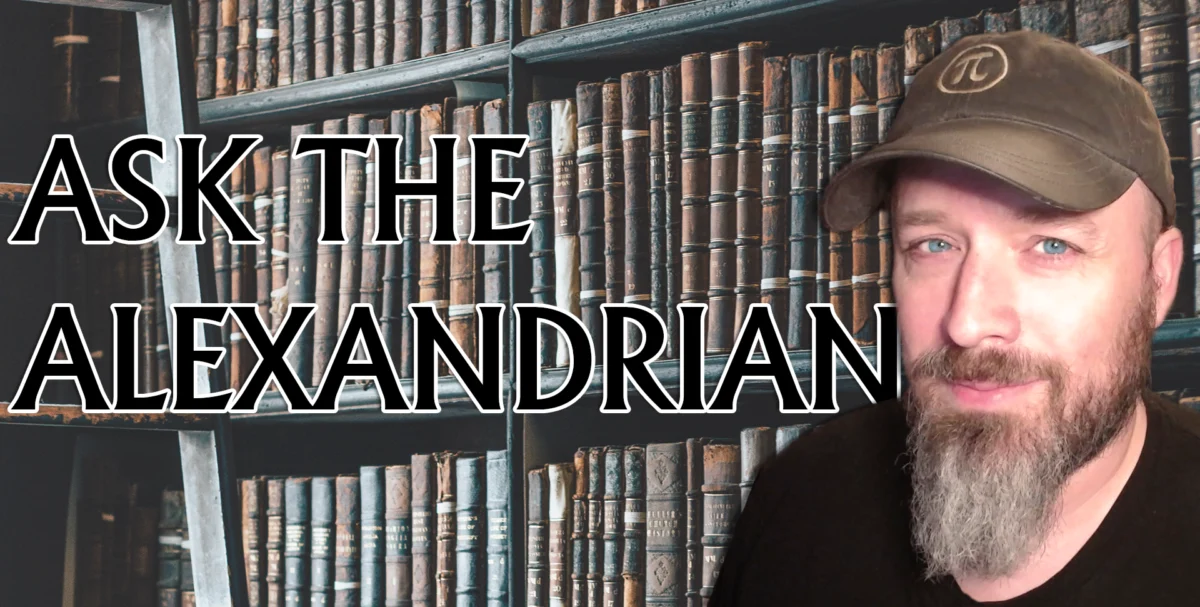
A common dilemma faced by Game Masters (GMs) in tabletop role-playing games (TTRPGs) has recently come to light, highlighting the intricate balance between player creativity, GM interpretation, and the social contract inherent in collaborative storytelling. The issue, brought to the attention of popular TTRPG advice column "Ask the Alexandrian," involves a player character (PC) whose intended "charming strangeness" was met with confusion and aversion by non-player characters (NPCs), sparking a crucial discussion on character archetypes and inter-player communication.
The incident underscores a fundamental challenge in TTRPGs: how to reconcile a player’s vision for their character with the GM’s portrayal of a reactive, believable game world. This particular case serves as a valuable case study for both seasoned GMs and new players, emphasizing the necessity of clear communication and shared understanding at the gaming table.
The Core Conflict: A Player’s Vision Meets GM’s Reality
The dilemma originated from a GM identified as "B.," who sought guidance after the inaugural session of a new campaign. A player had introduced a character concept described as "very strange, but in a charming way." The GM recounted specific in-game actions that exemplified this strangeness: the character informed the chief of police that his eyes resembled her deceased mother’s, then proceeded to run circles around another NPC before sitting cross-legged in front of him to inquire about his favorite color.
Crucially, the NPCs in question reacted with clear discomfort and a desire to disengage, described by the GM as "I don’t want to talk to this nutjob," rather than hostility. The player, however, promptly reminded the GM of her character’s intended charming nature, implying a mismatch between the GM’s portrayal and her creative vision. The GM’s query to "Ask the Alexandrian" encapsulated the heart of the problem: "Should I just have NPCs find her antics charming, even if I don’t?" This question cuts to the core of GM autonomy versus player agency and the delicate art of collaborative narrative.
Chronology of a Misunderstanding
The sequence of events leading to the GM’s dilemma can be outlined as follows:
Character Conception and Pitch
The player initiated the campaign with a clear, albeit broad, character concept: "strange but charming." This pitch, while seemingly straightforward, lacked specific behavioral parameters or a deeper discussion on how this strangeness would manifest and why it would be perceived as charming within the game world. It appears the GM accepted the concept at face value without probing further into its implications for NPC interactions.
The Inaugural Session: Actions and Reactions
During the first session, the player actively embodied her character’s strangeness. The recounted interactions with the chief of police and another NPC were direct manifestations of this concept. The player’s choices—the comment about the dead mother’s eyes, the erratic circling, the abrupt personal question—were undoubtedly "strange." However, the GM, acting as the arbiter of the game world, had the NPCs react in a manner consistent with real-world responses to such unusual and potentially intrusive behavior. The NPCs’ reactions were not overtly aggressive but rather demonstrated discomfort and a desire to avoid further interaction, a naturalistic response to being "accosted" by a stranger.
Player Feedback and GM’s Internal Conflict
Upon observing these negative NPC reactions, the player articulated her expectation, reminding the GM that the character was supposed to be charming. This feedback directly challenged the GM’s portrayal of the game world’s realism. The GM was then left in a quandary: should they override their natural interpretation of NPC behavior to align with the player’s stated character concept, or maintain internal consistency at the risk of frustrating the player? This internal conflict highlights a critical juncture where GM and player expectations diverged significantly.
Seeking External Counsel
Unsure how to proceed, the GM sought advice from "Ask the Alexandrian," a recognized authority in TTRPG theory and practice. This step underscores the complexity of the situation and the need for external perspective when internal solutions are unclear. The Alexandrian’s response then provided a framework for understanding and resolving such character concept mismatches.
Deconstructing the "Feral Weirdo" Archetype
The Alexandrian’s analysis immediately identified the player’s likely aim: the "feral weirdo" or "hyper-kooky" archetype. This character type is pervasive in various forms of media, particularly anime, but also extends to Western literature and television.
Characteristics and Media Examples
Characters falling into this archetype are typically defined by unconventional social behavior, idiosyncratic thought patterns, and often a disarming innocence or a unique perspective on the world. They might lack typical social graces, make non-sequitur observations, or engage in seemingly nonsensical actions, yet are portrayed as endearing, humorous, or even profound.
Notable non-anime examples cited include Anya from Buffy the Vampire Slayer and Luna Lovegood from Harry Potter. Anya, a former vengeance demon, often struggles with human social norms, making blunt and sometimes inappropriate remarks, yet her sincerity and loyalty eventually make her beloved. Luna Lovegood’s dreamy detachment, belief in fantastical creatures, and peculiar fashion sense often earn her ridicule, but her unwavering optimism, unique insights, and genuine kindness make her a cherished friend and a fan favorite.
The Narrative Mechanics of Charm
The crucial distinction, and often the source of conflict in TTRPGs, lies in how these characters are made charming in narrative fiction versus emergent gameplay. In a novel or TV show, the author/director controls the audience’s perception. The narrative often tells us the character is charming, or frames their weirdness in a way that highlights their underlying good intentions, unique wisdom, or comical innocence. Plot armor often shields them from realistic negative consequences, and other characters are narratively compelled to find them endearing, often after an initial period of confusion or annoyance.
For example, Luna Lovegood’s eccentricities are often shown through Harry’s eyes, who initially finds her odd but quickly comes to appreciate her genuine nature. Her strange beliefs are sometimes validated, or she offers profound truths disguised in whimsical observations. Anya’s social awkwardness is often played for comedic effect, and her eventual character arc emphasizes her growth and positive qualities. The audience is privy to their inner lives and motivations, fostering empathy.

The TTRPG Challenge: Player Agency vs. Simulated Reality
In a TTRPG, this narrative control is distributed. The player controls their character’s actions, but the GM controls the world’s reactions. When a player’s "strange" actions lack the narrative framing or underlying charm cues present in fiction, and are instead filtered through a GM’s simulation of realistic NPC responses, the intended "charming" effect can easily be lost. Without explicit signals of innocence, good intent, or a disarming personality alongside the strangeness, NPCs are likely to react as real people would to an unfamiliar, potentially erratic individual. The player expects narrative fiat ("my character is charming"), while the GM operates under simulated reality ("people react to actions").
The Alexandrian’s Counsel: A Framework for Resolution
The Alexandrian’s advice offers a clear pathway for GMs facing similar dilemmas, emphasizing communication and a mutual understanding of character archetypes.
Addressing Tonal Mismatch
The first step is a frank discussion if the GM believes they cannot support the archetype. This isn’t about judging the player’s concept as "wrong," but recognizing a "tonal mismatch" between the character and the campaign’s style. If the game is grim, realistic, or relies heavily on social cohesion, a "hyper-kooky" character might fundamentally disrupt its tone. Forcing the archetype into an incompatible setting will lead to frustration for both the player and the GM. The Alexandrian advises avoiding judgmental language, focusing instead on the practical implications for the game’s overall experience.
The "Two-Way Contract" for Archetype Support
If the GM is willing to support the archetype, a different kind of frank discussion is needed, establishing a "two-way contract" between player and GM. This contract outlines mutual responsibilities and expectations:
-
Player’s Responsibility: Crafting Whimsical Charm: The player must actively ensure their character’s "antics do, in fact, have a charming, whimsical quality to them." This means moving beyond merely "strange" to actively embodying traits that would genuinely appeal to or disarm NPCs. This could involve an underlying innocence, a captivating sense of wonder, a unique perspective that offers unexpected wisdom, or even a self-aware humor. The player needs to consider why someone would find their character charming despite their oddities, and play to those reasons. It’s about performing the charm, not just declaring it.
-
Player’s Acceptance: Not Everyone Will Be Charmed: The player must also accept that "not everyone will like them." Even in fiction, these characters encounter skepticism, annoyance, or outright disdain (e.g., Luna Lovegood with Draco Malfoy, or Mako with Nanon). Initial reactions of "WTF?" are common and realistic. The charm often develops over time, or only appeals to specific types of people. This means the player should be prepared for some NPCs to remain unimpressed or even hostile, and for their character’s strange behavior to sometimes lead to social complications.
-
GM’s Responsibility: Providing Opportunities for Charm: In return, the GM promises that "there will be characters who DO accept them and find them charming." This is crucial. If the GM agrees to support the archetype, they must actively create opportunities for the character’s charm to land successfully. This could involve introducing NPCs who are themselves quirky, open-minded, lonely, or who have a particular soft spot for unique individuals. The GM might also narrate certain NPC reactions differently, emphasizing a glimmer of amusement or intrigue rather than outright rejection, once the character has demonstrated their endearing qualities.
If the GM cannot commit to providing these opportunities, then they should revert to the earlier stance: "I can’t support this archetype in this game."
The Power of Analogies and Communication
The general takeaway from this situation is the immense value of clear communication. When a GM doesn’t understand a character concept or the rationale behind a player’s actions, the most effective approach is to "cut straight to the point and ask them what their goal is." Using analogies to characters from other media, as the Alexandrian did, can be a highly effective tool for quickly bridging understanding gaps. It provides a common reference point, allowing both GM and player to articulate expectations for character behavior and world reactions more precisely.
Beyond the Session: Broader Implications for TTRPGs
This specific case offers broader lessons for the TTRPG community, extending beyond just the "feral weirdo" archetype.
The Importance of Session Zero
The incident highlights the critical role of "Session Zero" – a pre-campaign meeting where players and GMs discuss expectations, campaign themes, character concepts, and potential boundaries. A thorough Session Zero could have proactively addressed how "charming strangeness" would be portrayed and received within the specific campaign’s tone and social realism.
Bridging Narrative Intent and Emergent Play
TTRPGs thrive on the tension between player intent (narrative desire) and emergent gameplay (world reacting to actions). Players often have a "narrative intent" for their characters—e.g., "my character is a hero," "my character is charming." However, the game world, through the GM, responds to "emergent play"—the actual actions taken. The challenge is for players to act like heroes or act in a charming way, and for GMs to provide appropriate narrative feedback that acknowledges both the action and, where appropriate, the intent.
Calibrating Player Agency and GM Authority
This situation also touches on the balance between player agency (the freedom to portray their character as they wish) and GM authority (the responsibility to maintain a consistent and believable game world). Neither should completely override the other. Instead, they should inform each other through ongoing dialogue and mutual respect.
Fostering a Collaborative Environment
Ultimately, the goal of any TTRPG is collaborative storytelling and shared enjoyment. Misunderstandings about character portrayal can quickly lead to frustration and diminish the fun for everyone. By embracing open communication, utilizing shared media references, and establishing clear "social contracts" for character archetypes, GMs and players can navigate these challenges effectively, ensuring that creative visions can flourish within a believable and engaging game world. The "Ask the Alexandrian" case serves as a timely reminder that even the most whimsical character concepts require grounding in shared understanding to truly shine at the table.