Sinclair GamerCard Review: A Gloriously Peculiar Handheld That Defies Easy Categorization
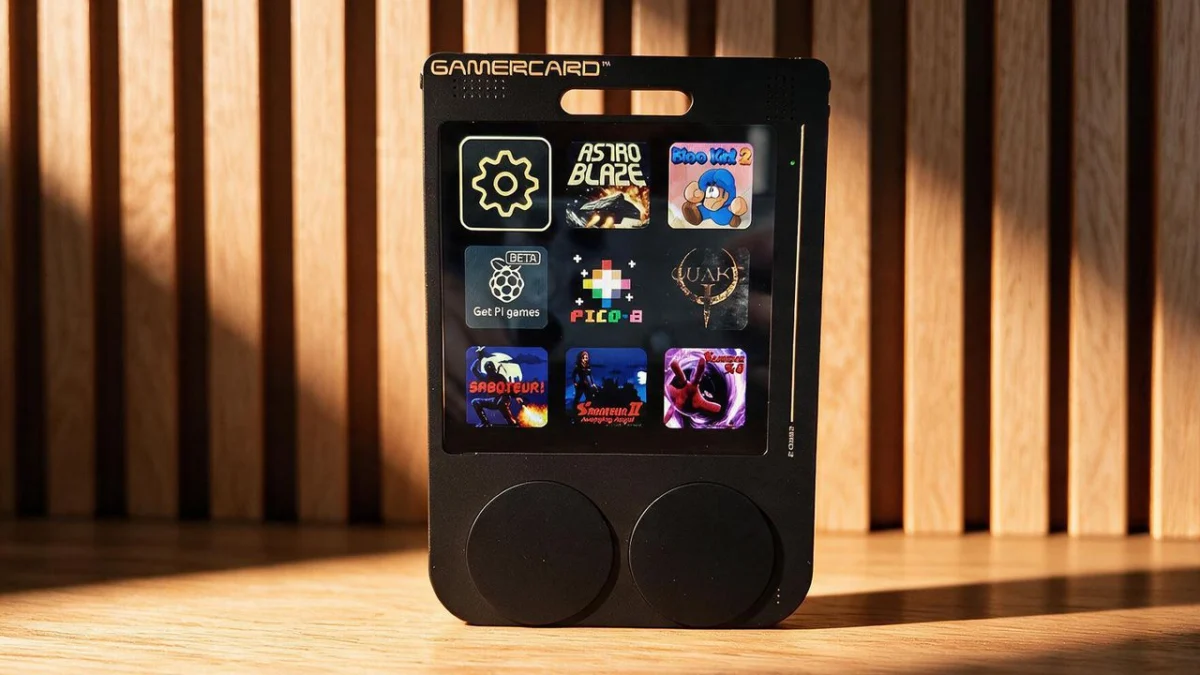
In the ever-evolving landscape of portable gaming, where sleek designs and powerful emulation often dominate, the Sinclair GamerCard emerges as a refreshingly eccentric contender. It’s a device that doesn’t just play games; it evokes a feeling, a potent blend of ZX Spectrum nostalgia, the accessible power of a Raspberry Pi, and the creative sandbox of PICO-8. While not without its quirks, the GamerCard’s distinctive design and multifaceted capabilities forge a genuinely unique identity in the crowded handheld market.
A Bold Departure from the Norm
The initial impression of the Sinclair GamerCard is one of deliberate unconventionality. It’s astonishingly slim, measuring a mere 6.5mm thick, and remarkably light at just 105g. This feather-light construction belies a robust internal architecture, powered by a 64-bit Raspberry Pi Zero 2 W quad-core ARM Cortex-A53 processor. This choice of core component immediately signals that the GamerCard is more than a one-trick pony; it’s a miniature computer disguised as a retro gaming device.
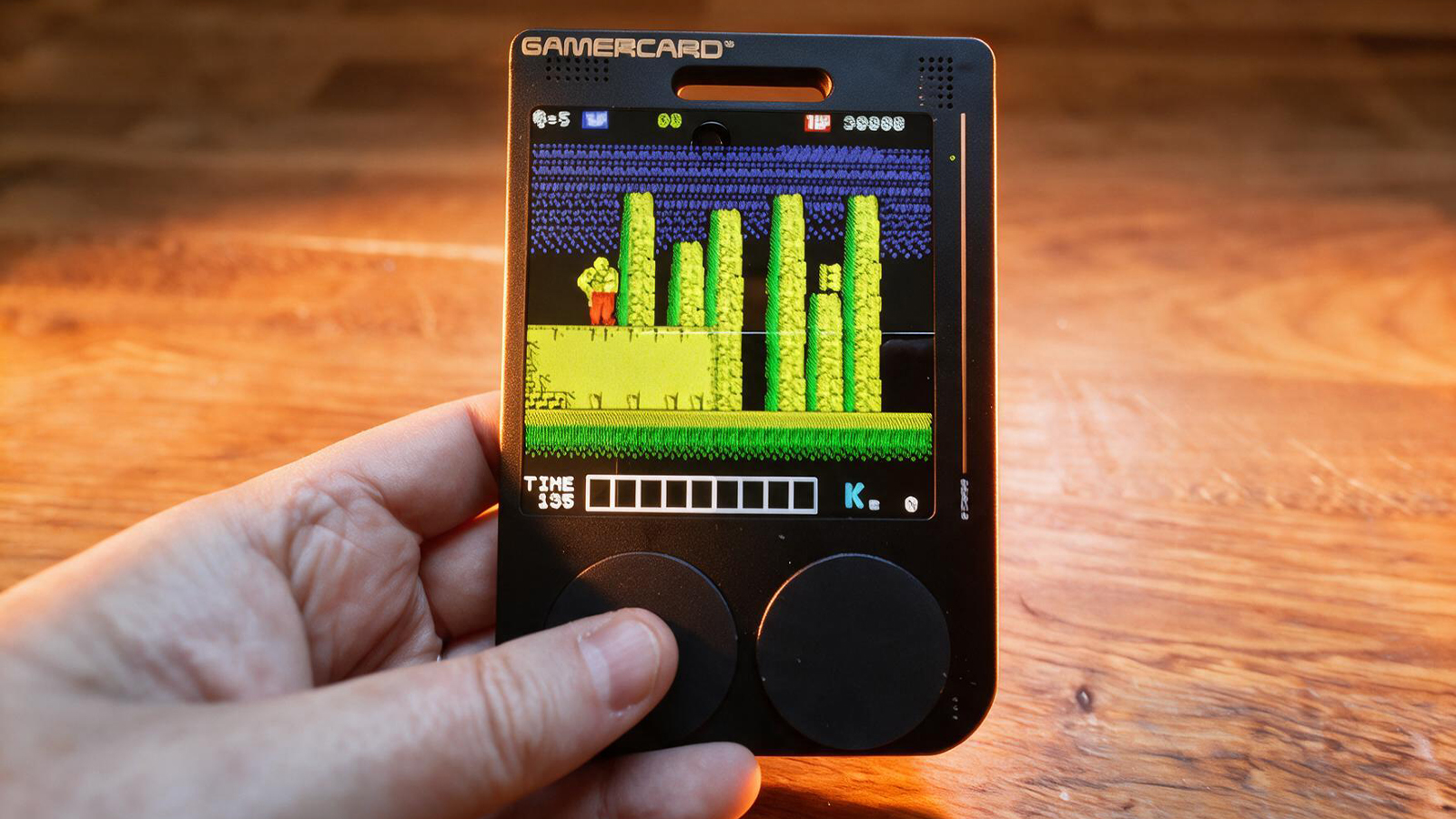
Central to its visual and tactile identity is the 4-inch, 720 x 720 square IPS display. In an era dominated by widescreen aspect ratios, this perfectly square screen is a deliberate nod to retro computing, particularly the PICO-8 fantasy console, for which it’s ideally suited. The 254ppi resolution ensures crisp visuals, and the 60fps refresh rate keeps everything smooth, whether you’re navigating menus or immersed in fast-paced action.
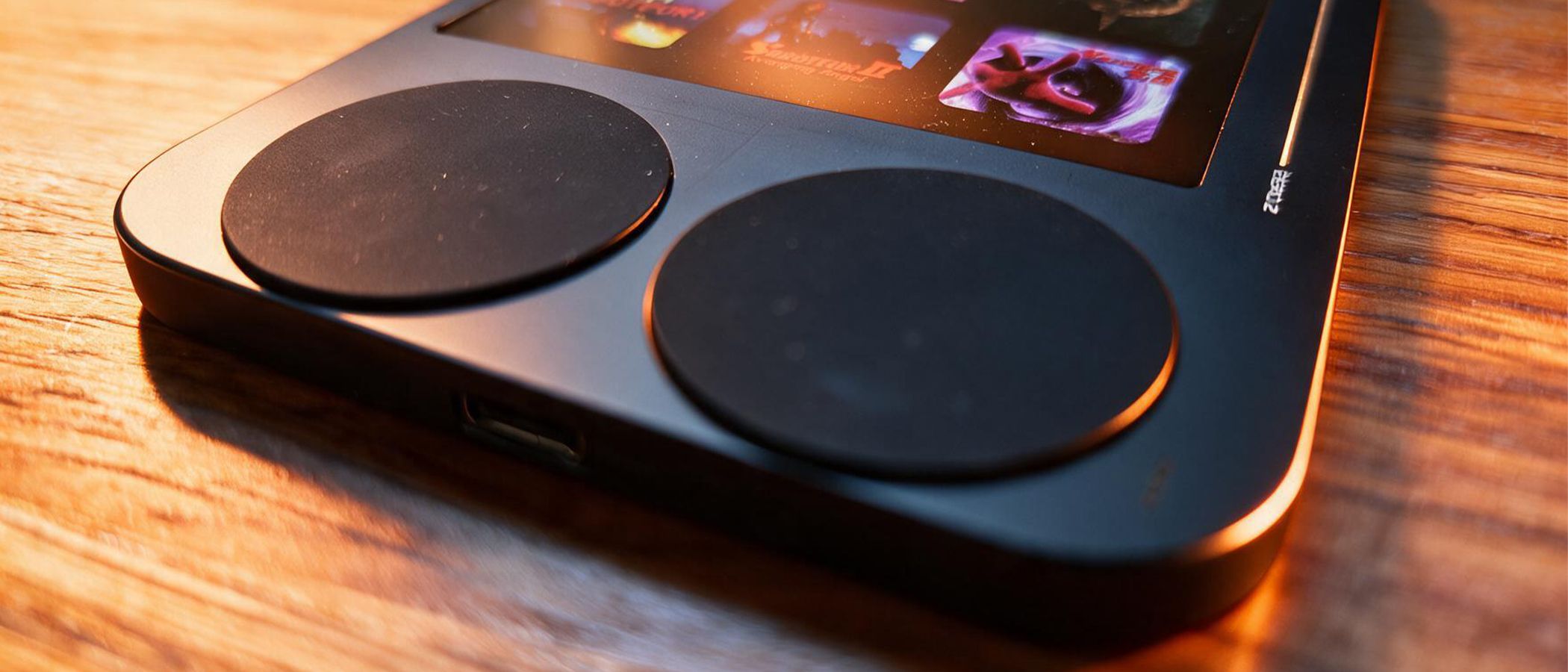
However, the most striking design element, and arguably the most divisive, is the control scheme. Gone are the traditional D-pads and button layouts. Instead, the GamerCard features two large, tactile silicone navigation discs on the front. These discs, a direct homage to the rubber keys of the iconic ZX Spectrum, conceal eight tactile snap-dome buttons beneath. While this design choice is a powerful stroke of nostalgic genius, it also presents the most significant hurdle for players accustomed to modern input precision.
A Tapestry of Nostalgia and Innovation
The Sinclair GamerCard’s appeal lies in its ability to seamlessly weave together disparate elements of gaming history and contemporary technology. For those who grew up with the Sinclair ZX Spectrum, the GamerCard offers an immediate and visceral connection. The rubber discs, the form factor, and the emphasis on 4:3 aspect ratio gaming all evoke the spirit of that beloved 1980s machine. This isn’t just about playing old games; it’s about recapturing a tangible piece of computing history.
Beyond the Spectrum, the GamerCard embraces the burgeoning world of PICO-8. This “fantasy console” is a tool for creating and sharing small, charming games with a distinctive retro aesthetic. The GamerCard’s square screen and processing power are perfectly matched to the PICO-8 ecosystem, offering an accessible gateway for both playing and, potentially, creating these bite-sized digital experiences. This inclusion elevates the device from a mere retro emulator to a platform for modern, creatively constrained game development.
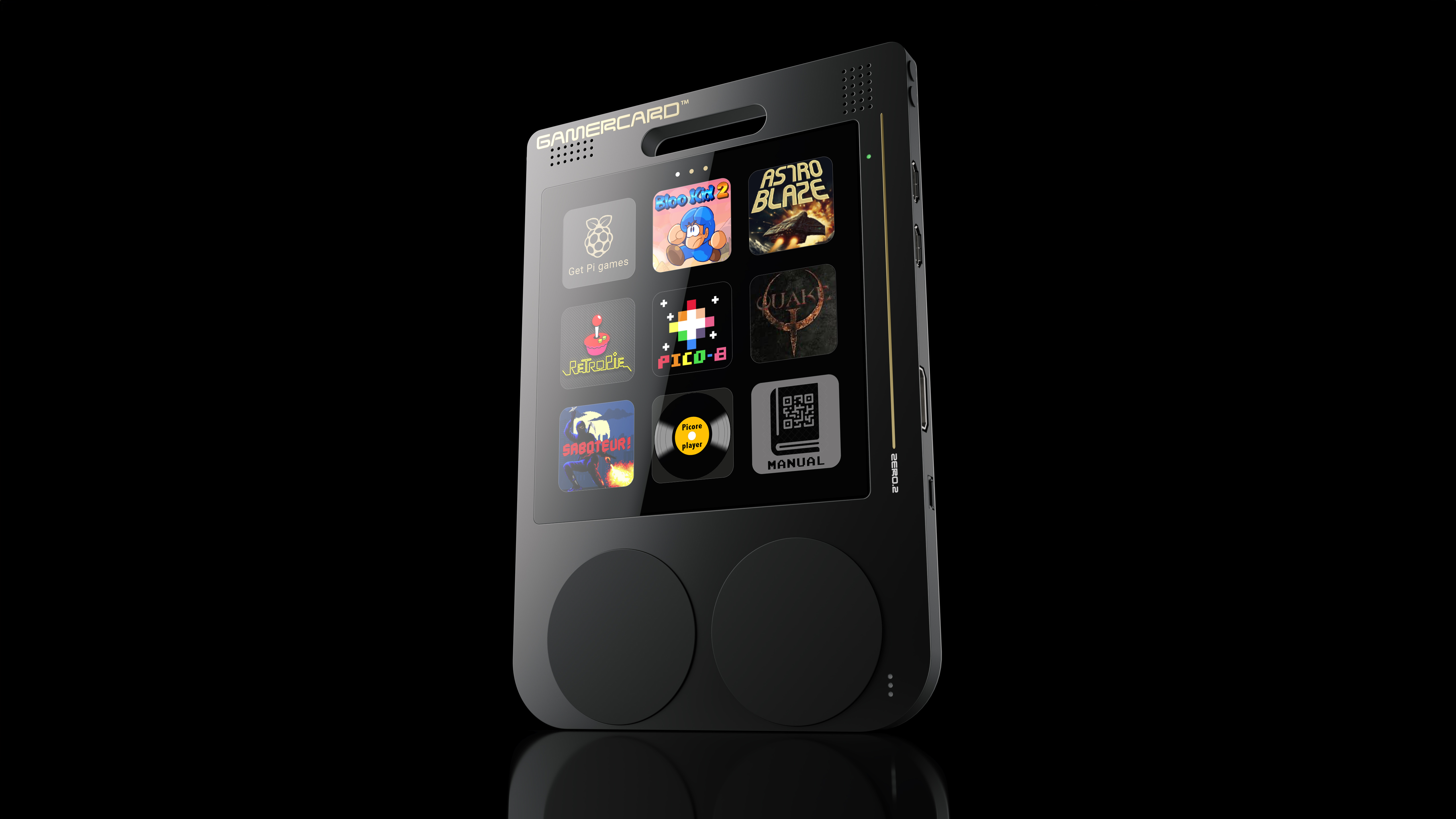
The underlying Raspberry Pi Zero 2 W further expands the GamerCard’s horizons. It supports popular emulation platforms like Recalbox, RetroPie, and Lakka, capable of emulating systems up to the PlayStation 1 era. This means a vast library of classic console games is accessible, bringing titles from the 8-bit, 16-bit, and even early 32-bit eras to your fingertips.
The Tactile Experience: A Love It or Loathe It Proposition
The unique control scheme of the GamerCard is, without doubt, its most defining characteristic. The large, rubber navigation discs are a bold statement, a deliberate departure from the ergonomic norms of modern gaming hardware. For some, this tactile sensation will be a joyous rediscovery, a physical link to the early days of home computing. The satisfying, albeit slightly mushy, press of the rubber keys can be surprisingly engaging for games that don’t demand split-second precision.
However, this unconventional approach comes with inherent drawbacks. Identifying the precise location of each button beneath the discs can be a challenge, especially during the heat of gameplay. The labels are obscured, requiring a mental map or a moment’s pause to ensure the correct input. Furthermore, the responsiveness of these discs, while adequate for many retro titles and PICO-8 games, can feel lacking when compared to the crisp, immediate feedback of a modern D-pad or analog stick. Players seeking the precision required for demanding platformers or fighting games may find them frustrating.
Sinclair has attempted to mitigate this by incorporating two smaller rubber discs on the rear of the handheld, which offer improved grip and control for 3D titles. Additionally, the device supports Bluetooth controllers, allowing users to connect external gamepads for a more conventional gaming experience. While this offers a practical solution, it somewhat undermines the GamerCard’s distinctive hardware identity. Ultimately, the decision to embrace or eschew the rubber discs will likely be a personal one, dependent on a player’s tolerance for the unconventional and their primary gaming interests.
Under the Hood: A Pocket-Sized Powerhouse
The technical specifications of the Sinclair GamerCard paint a picture of an impressively engineered device. The Raspberry Pi Zero 2 W, a quad-core processor, is a testament to Sinclair’s commitment to packing significant power into a compact form factor. The ability to run emulators capable of handling PlayStation 1 games is particularly noteworthy, considering the sheer thinness of the device. This computational prowess is further supported by a 1,600mAh Li-Po rechargeable battery, providing a reasonable amount of playtime for its intended use cases.
Storage is handled by a removable microSD card, a welcome addition that offers flexibility and expandability. Bundles are available with 32GB and 128GB cards, but the ability to swap to a larger or different card is crucial for a device that encourages the accumulation of game libraries. This feature addresses potential concerns about storage limitations, especially when dealing with numerous retro game ROMs or PICO-8 titles.
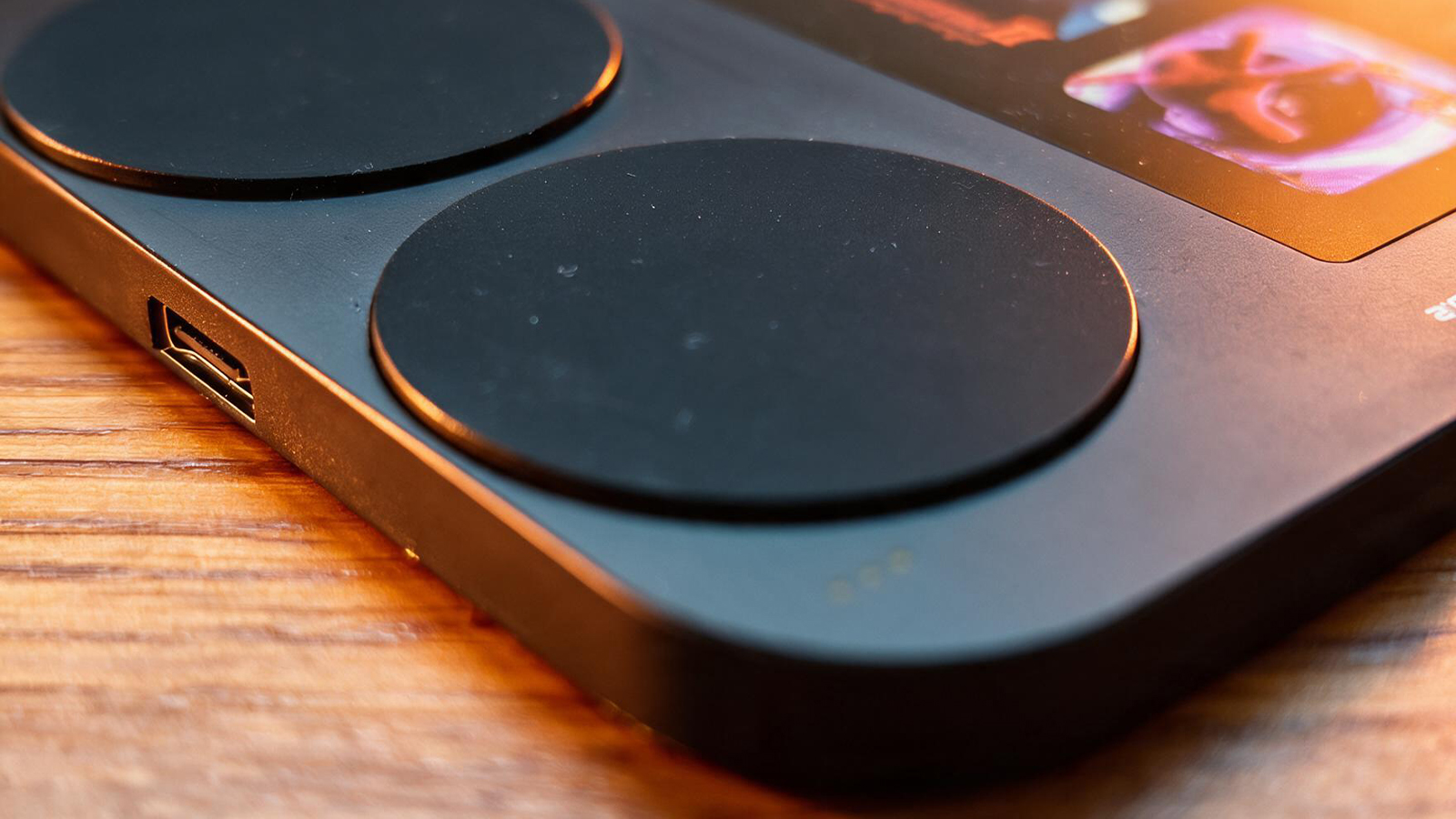
Connectivity options are also well-considered. Wi-Fi and Bluetooth are standard, enabling access to online features, game downloads, and external peripherals. The inclusion of mini-USB, USB-C for charging, and HDMI output further enhances the GamerCard’s versatility. The HDMI port, in particular, allows the handheld to be connected to a larger display, transforming it into a rudimentary desktop computer or a more traditional retro gaming console.
The Software Ecosystem: A Work in Progress
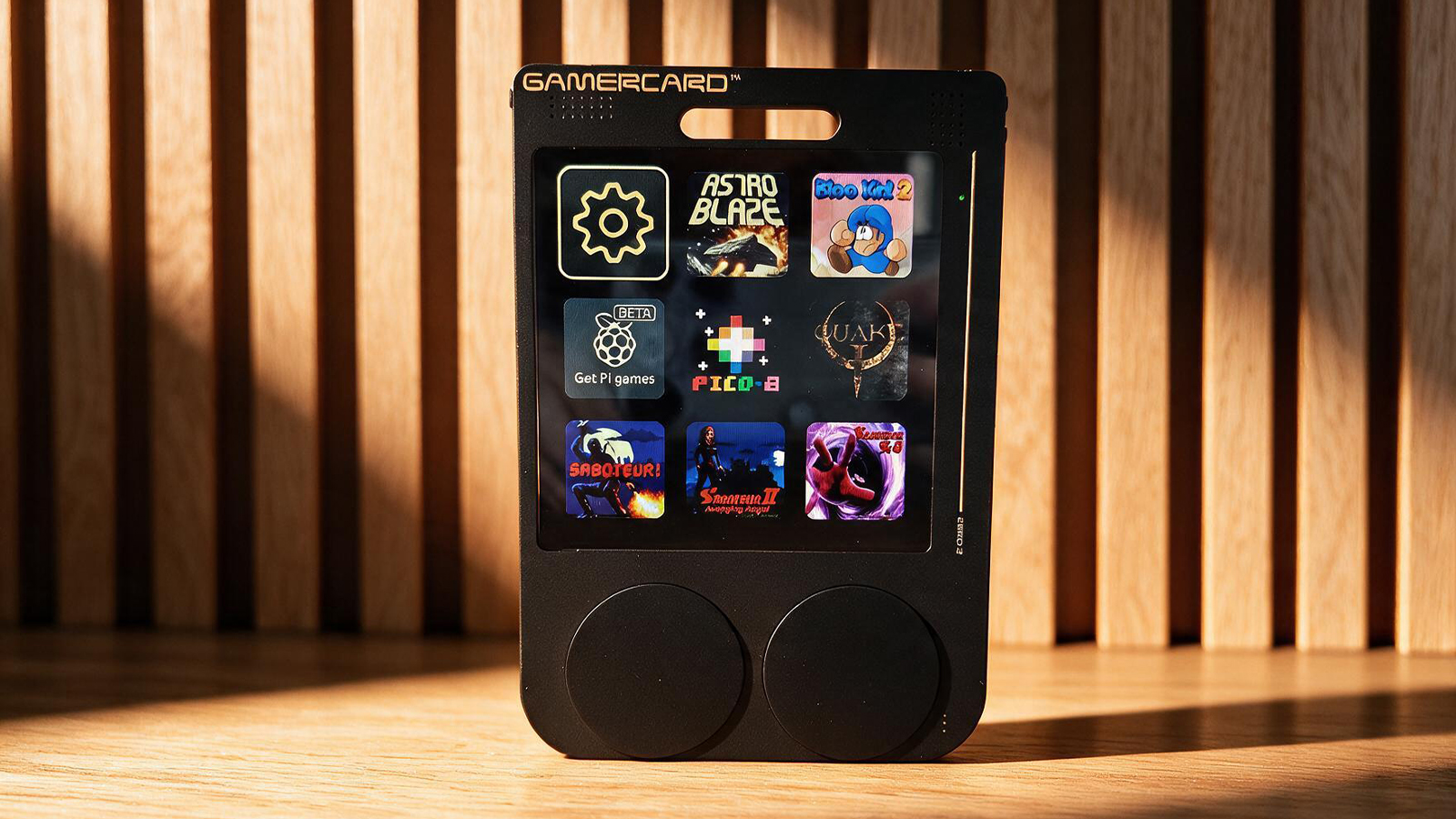
The software experience on the GamerCard is a blend of pre-installed content, accessible emulation platforms, and an emerging Sinclair-developed ecosystem. The device ships with a curated selection of games, including Bloo Kid 2, AstroBlaze DX, and the classic Saboteur trilogy. These titles are chosen to showcase the device’s capabilities and provide immediate enjoyment.
The inclusion of PICO-8, while often sold separately, is a significant draw. The compact, creative nature of PICO-8 games aligns perfectly with the GamerCard’s design philosophy. Sinclair is also actively developing a dedicated "GamerCard store," aiming to simplify the process of accessing and installing games and applications from the broader Raspberry Pi ecosystem. An early beta version of the "Get Pi Games" app, as seen on the review unit, offers access to titles like Celeste Classic, Tombs of Myra, and even Quake. While the latter might be a stretch for the default controls, its availability speaks to the platform’s potential.
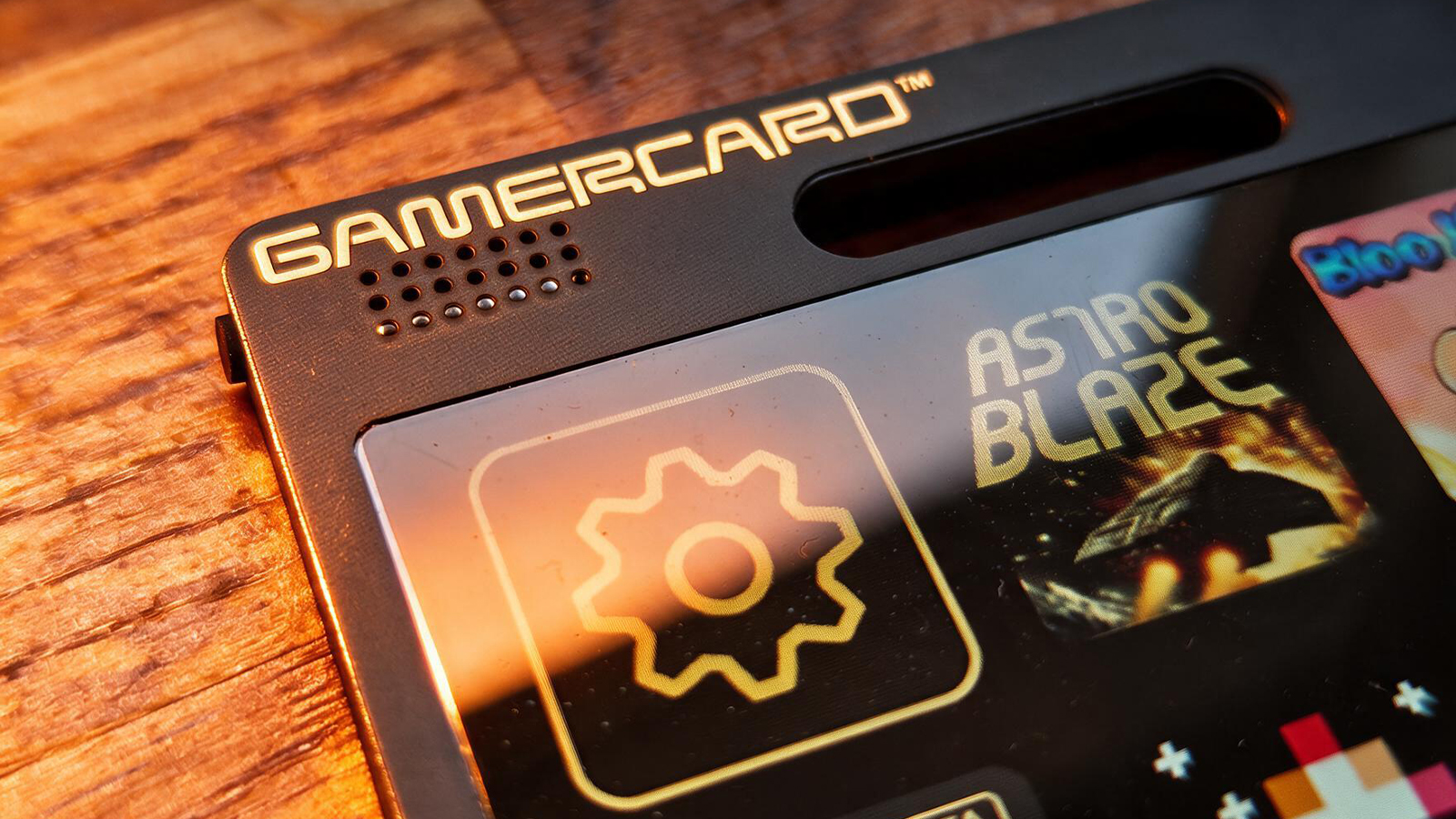
However, the software interface, while functional, can be somewhat unintuitive. Navigating menus, exiting games, and managing emulators can occasionally lead to moments of confusion, particularly for users less familiar with the intricacies of Raspberry Pi-based systems. This rough edge, while understandable given the device’s innovative construction, is an area where future software updates could significantly enhance the user experience.
The Verdict: A Niche Gem for the Discerning Gamer
The Sinclair GamerCard is not a device for everyone. If your primary concern is achieving the highest fidelity emulation of every retro console imaginable, or if you demand flawless, responsive controls for modern gaming, there are undoubtedly more conventional and perhaps more cost-effective options available. Similarly, for those who prioritize a slick, polished user interface above all else, devices like the Playdate might offer a more immediately satisfying experience.
However, the GamerCard carves out its own unique niche with remarkable success. It is a celebration of creative design, a playground for nostalgic enthusiasts, and a gateway to the vibrant world of indie game development through PICO-8 and the Raspberry Pi. Its eccentricities are not flaws to be overcome, but rather integral parts of its charm and identity.
The appeal lies in its distinctiveness. It’s a handheld that invites exploration and experimentation. The ability to tinker with a Raspberry Pi computer that’s already in a playable form factor, the nostalgic resonance of its ZX Spectrum-inspired design, and the creative potential of PICO-8 all coalesce into something genuinely special. It’s a device that sparks curiosity and encourages engagement beyond simply playing pre-loaded games.
The GamerCard’s rough edges, from the tactile learning curve of its controls to the occasional UI quirks, are forgivable because they are overshadowed by its sheer originality. Sinclair has managed to create a device that feels both deeply personal and broadly capable. It’s a testament to the enduring appeal of innovative hardware that dares to be different. For those seeking a gaming handheld that transcends the ordinary, that offers a tangible connection to gaming’s past while embracing its creative future, the Sinclair GamerCard is a truly distinct and captivating proposition. It’s a gloriously strange handheld that, against all odds, I find myself compelled to pick up time and time again.