Spider-Verse Under Scrutiny: AI-Generated Art Sparks Outrage in "Spider-Man: Brand New Day" Art Book
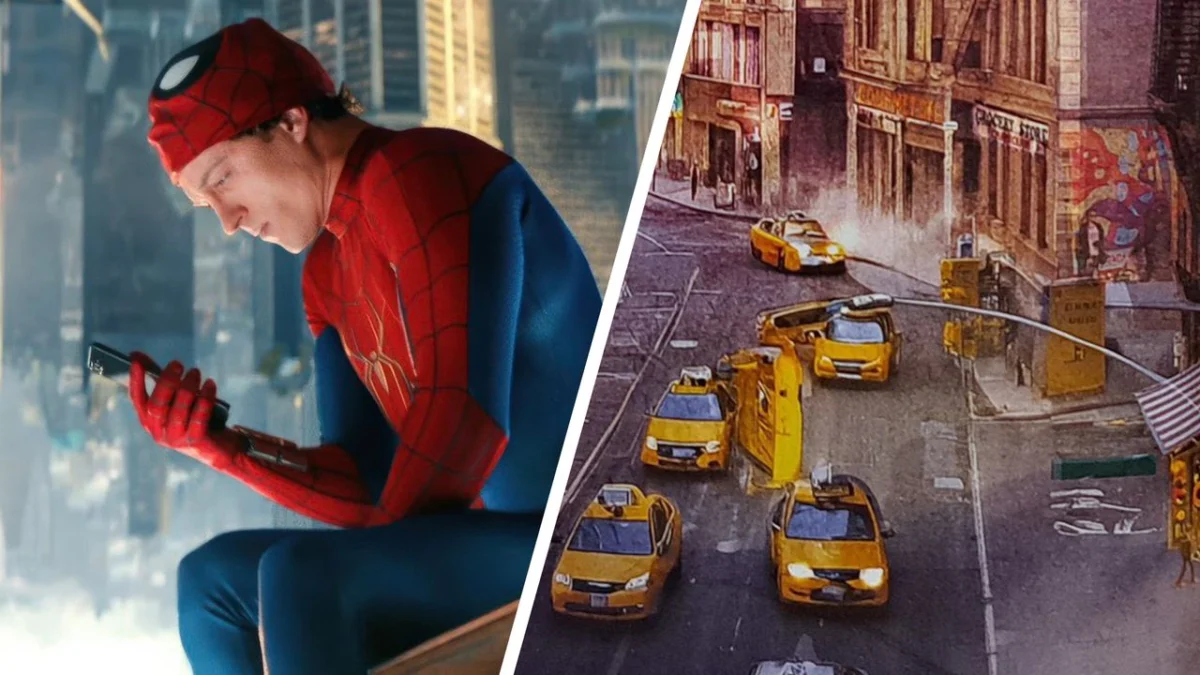
The immense success of "Spider-Man: Brand New Day," a cinematic triumph that has captivated audiences worldwide and amassed over $2 billion in global ticket sales, has been met with an insatiable appetite for more Spidey-centric content. While the recent release of The Art of Spider-Man: Brand New Day offered fans a deeper dive into the film’s visual creation, a growing chorus of discontent has emerged. Close examination of the art book has revealed what many fans perceive as the insidious infiltration of artificial intelligence (AI)-generated artwork, igniting a passionate debate about the ethical boundaries of creative production in the digital age.
The discovery has sent ripples of disappointment through the dedicated fanbase, particularly given the ongoing discourse surrounding AI’s role in creative industries. While some view this as an inevitable consequence of technological advancement, others express profound concern over the potential devaluation of human artistry and the integrity of creative works. This situation mirrors a growing trend, as evidenced by previous controversies involving AI in film promotion and artistic endeavors, suggesting a broader shift in how visual content is conceived and presented.
Unraveling the Digital Deception: The "Big City, Little Spider" Controversy
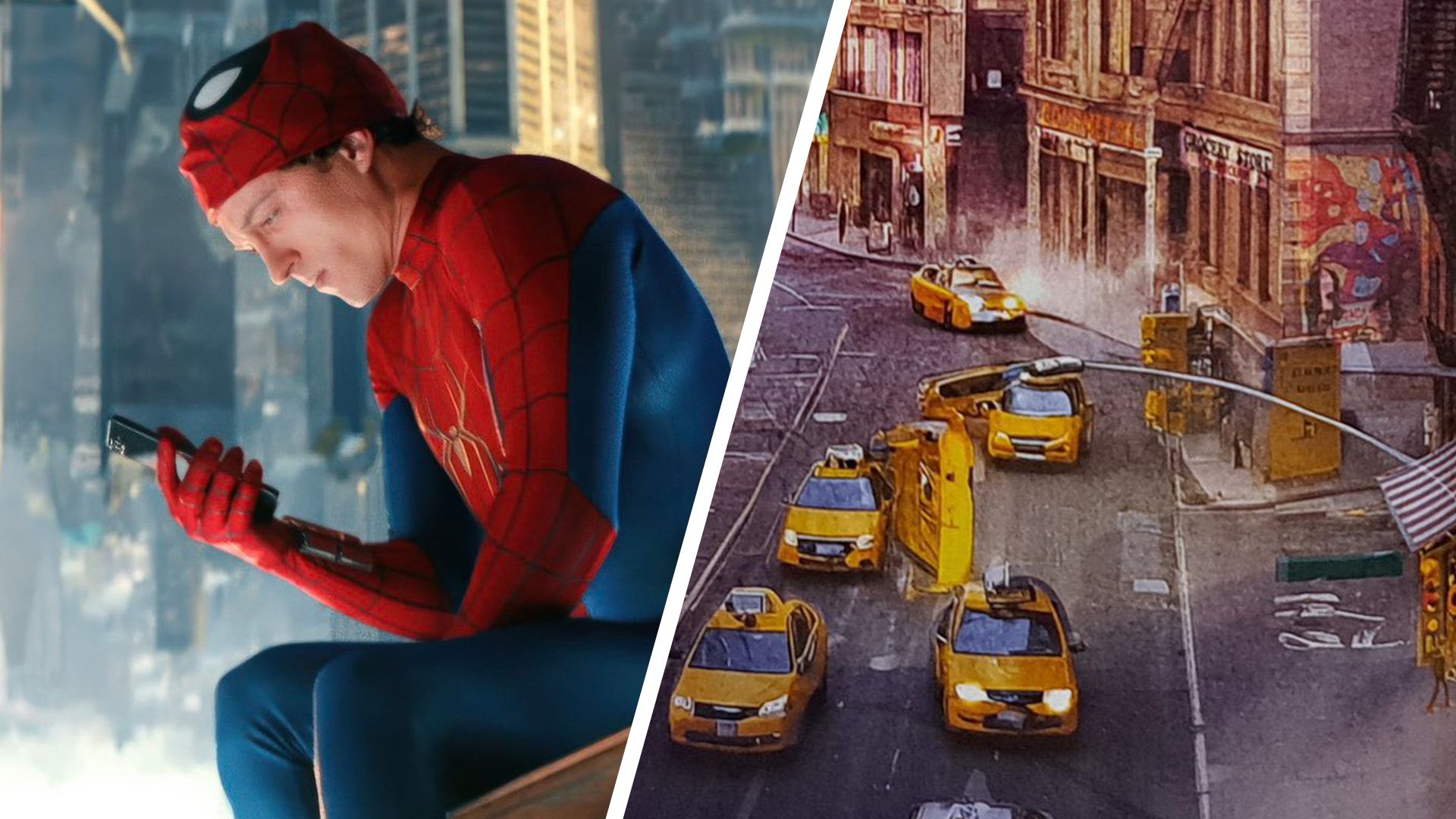
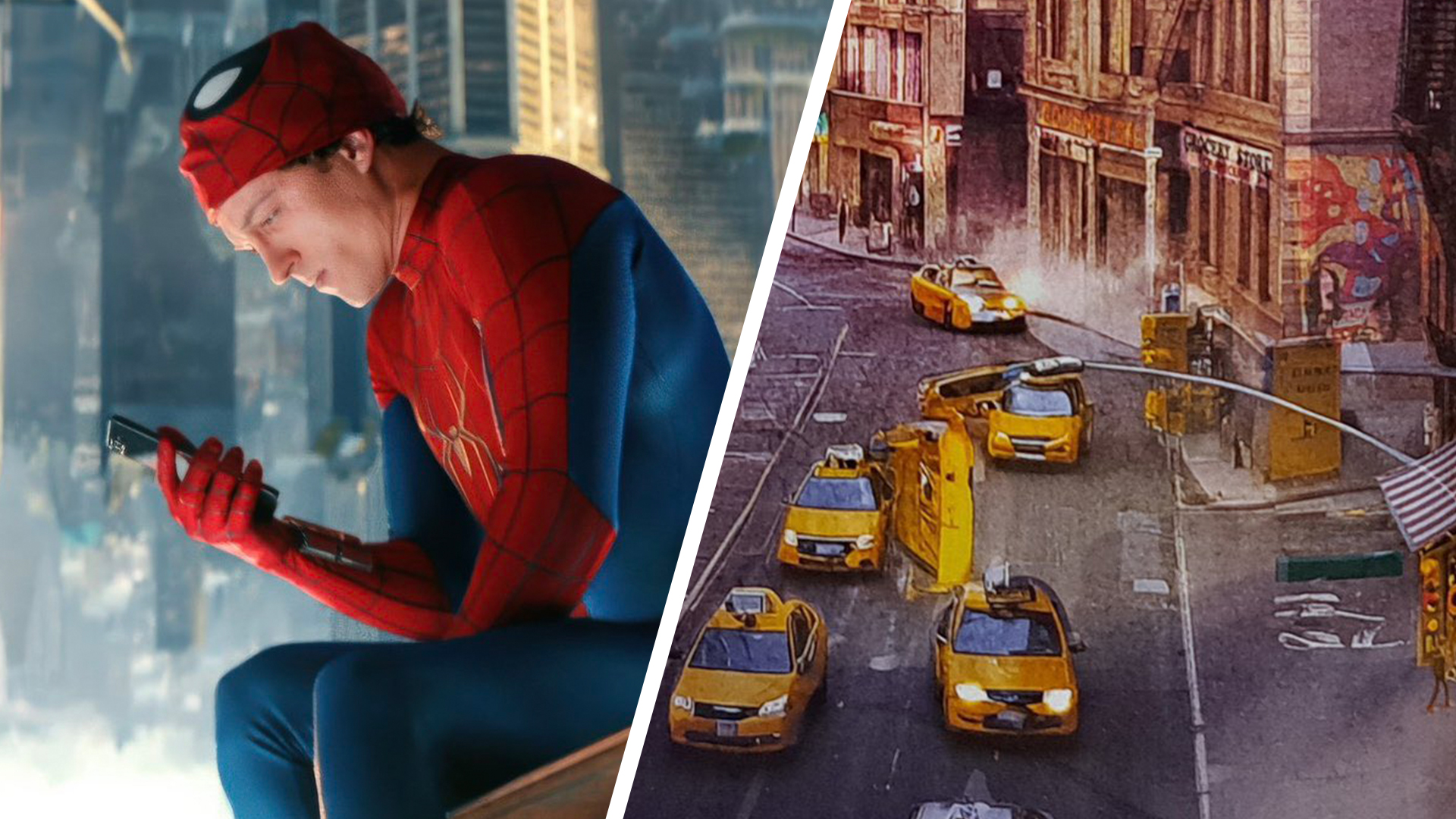
At the heart of the controversy lies a piece of artwork titled "Big City, Little Spider," attributed to concept artist Scott McInnes. While initially appearing to be a standard depiction of a bustling urban landscape with a solitary web-slinger, closer inspection reveals a disquieting array of anomalies. The piece exhibits visual inconsistencies that are increasingly being identified as hallmarks of AI-generated imagery. Taxi cabs seem to melt into one another, fire escapes twist and contort into illogical structures, traffic lights distort unnaturally, and windows appear in nonsensical locations. These peculiar details have led many to conclude that the artwork is not the product of human craftsmanship but rather the output of an AI algorithm.
The immediate public reaction on social media platforms has been swift and largely negative. One prominent X (formerly Twitter) user expressed outrage, stating, "Selling an ‘art book’ that has AI visuals in it should genuinely be illegal." This sentiment was echoed by another fan who, despite acknowledging the increasing prevalence of AI, admitted to feeling "disappointed and hurt all the same" by its inclusion. Such reactions underscore a palpable sense of betrayal among fans who expected a celebration of human creativity within an official art book.
A Chronology of Concern: The Growing Shadow of AI in Entertainment
The "Spider-Man: Brand New Day" art book incident is not an isolated event; it represents a culmination of a series of similar controversies that have recently rocked the entertainment industry. The rapid advancement and increasing accessibility of AI image generation tools have led to their adoption across various stages of content creation and promotion, often sparking debate and backlash.
- Early 2023: Reports began to surface of AI-generated art being used in various promotional materials for films and television shows. While some instances were subtle, others were more overt, leading to initial discussions about transparency and attribution.
- Mid-2023: The controversy surrounding the poster for Marvel’s Fantastic Four cast a significant shadow. The poster, widely criticized for its uncanny valley aesthetic and distorted features, was strongly suspected of being AI-generated. This sparked heated debates about the future of poster design and the potential for AI to undermine established creative roles.
- Late 2023 – Early 2024: The animated series Doom Patrol faced accusations of using AI in its promotional art, further fueling concerns about the industry’s embrace of the technology. Similarly, the independent film The Brutalists became a focal point for ethical discussions regarding AI’s role in filmmaking, particularly its potential impact on artists and writers.
- Early 2024: The "Spider-Man: Brand New Day" art book controversy emerges, representing a significant escalation as the AI-generated content appeared within an official companion book to a major blockbuster. This marked a shift from promotional materials to more in-depth artistic explorations, raising questions about the very definition of an "art book" in the AI era.
This timeline illustrates a clear trajectory of AI’s increasing integration into the entertainment landscape, moving from peripheral applications to more central creative roles, often met with a predictable pattern of fan and industry concern.
Supporting Data and Expert Opinions: The Visual Evidence and Industry Reactions
The visual evidence presented by fans in social media posts is compelling. The distorted perspectives, illogical architectural elements, and unnatural blending of objects within "Big City, Little Spider" are consistent with the outputs of current AI image generation models. These programs, while increasingly sophisticated, often struggle with spatial coherence, detailed environmental consistency, and the nuanced understanding of real-world physics and logic that human artists intuitively grasp.
While the article does not present direct official responses from Sony or the concept artist involved, the general sentiment within the creative community and among the public is one of apprehension. The article itself cites the sentiment of disgruntled X users, highlighting the emotional impact of this perceived deception. Furthermore, the article’s author notes the broader divide AI is creating among creatives, referencing previous discussions on the topic. This suggests a recognized tension between the potential efficiencies of AI and the concerns regarding its ethical implications and impact on human employment and artistic integrity.
Implications and the Road Ahead: Navigating the AI Frontier
The "Spider-Man: Brand New Day" art book controversy is more than just an isolated incident; it is a microcosm of a larger, ongoing shift in the creative industries. The implications are far-reaching:
- Devaluation of Human Artistry: The widespread use of AI-generated art, especially when presented without clear disclosure, risks devaluing the skill, talent, and years of dedication required by human artists. This could lead to reduced opportunities and compensation for creative professionals.
- Erosion of Trust: When fans discover that content they believed to be the product of human ingenuity is, in fact, machine-generated, it can lead to a sense of distrust and disappointment. Transparency and clear labeling are becoming increasingly crucial.
- Ethical and Legal Quandaries: The use of AI in art raises complex ethical and legal questions, including issues of copyright, originality, and attribution. Who truly owns the artwork? What is the legal standing of an artist whose style is mimicked by an AI?
- The Future of "Art Books": The very definition of an "art book" is being challenged. If AI can generate visually appealing images, what is the intrinsic value of a book that compiles such work? The focus may need to shift from showcasing the creation process to highlighting the curation and intent behind the artwork.
- Industry Adaptation: The film industry, like many others, is grappling with how to integrate AI responsibly. While the technology offers potential benefits in terms of speed and cost-efficiency, its adoption must be balanced with a commitment to ethical practices and the preservation of human creativity.
The article concludes by posing a crucial question: "Should AI be embraced in the film world?" This invites a broader dialogue. While AI undoubtedly has productive applications in fields like data analysis, scriptwriting assistance, or even specialized visual effects, its unacknowledged use in areas traditionally reliant on human artistic expression demands careful consideration. As audiences continue to identify "AI slop" that slips through the cracks, the true value of AI in the film industry remains a subject of intense debate. The "Spider-Man: Brand New Day" art book incident serves as a stark reminder that as technology advances, so too must our conversations about its ethical and artistic implications. The web of this discussion is only just beginning to be spun.