Stellar Blade: Blood Rain’s Controversial AI-Generated Music Video Sparks Debate Among Gamers and Industry Watchers
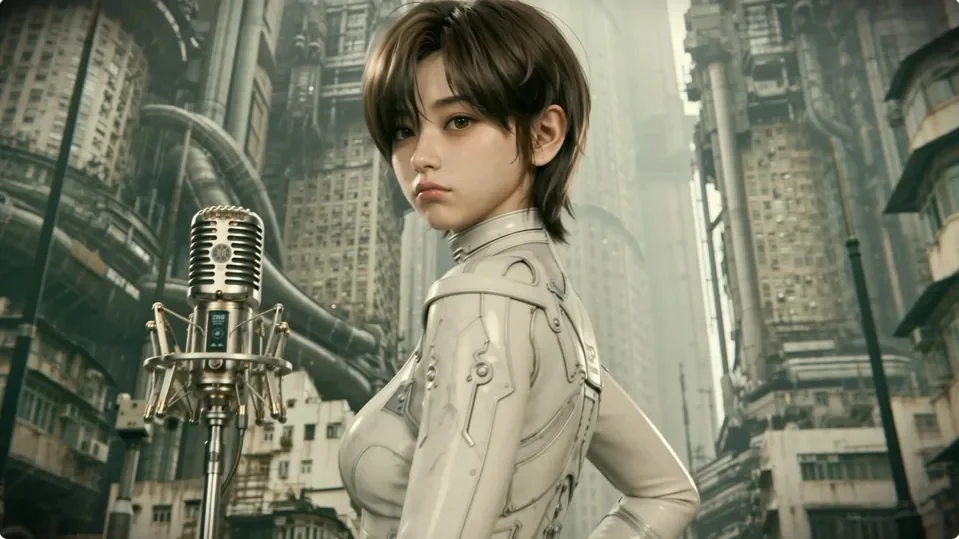
The highly anticipated sequel to the 2024 action hit, Stellar Blade: Blood Rain, has diverged from traditional marketing strategies, opting instead for a music video entirely crafted by artificial intelligence. This bold, and for many, unsettling, approach has ignited a firestorm of discussion within the gaming community and beyond, raising critical questions about the role of AI in creative industries.
Unconventional Marketing: A Deep Dive into AI-Generated Content
In an era where video game marketing typically revolves around showcasing gripping gameplay, stunning cinematics, or revealing character backstories, Stellar Blade developer Shift Up has chosen a markedly different path. Their latest promotional effort for Stellar Blade: Blood Rain, a sequel to the critically acclaimed 2024 title, is a music video for the song "Wanna be in LOVE." What sets this video apart, and has become the focal point of considerable controversy, is its complete reliance on artificial intelligence for both its auditory and visual elements.
This deliberate embrace of AI technology in a mainstream marketing campaign for a major game release is a significant departure from the norm. While AI tools are increasingly being explored and integrated into various aspects of game development, their direct application in generating marketing content, particularly in a form as public and scrutinized as a music video, is a novel and provocative move. The intention behind this unconventional strategy remains unclear, but it has undoubtedly succeeded in capturing attention, albeit through a lens of significant debate.
The AI Under Scrutiny: YouTube’s Identification and Community Reaction
The use of AI in content creation is a topic that continues to be fraught with controversy, regardless of its prevalence online. This sentiment is echoed by the gaming community’s reaction to Shift Up’s "Wanna be in LOVE" music video. As reported by industry publication Video Games Chronicle (VGC), YouTube has itself flagged the video, indicating that its "sounds or visuals were altered or fully generated." This official acknowledgment by the platform lends credence to the widespread observation that the video exhibits hallmarks of AI generation, raising concerns about transparency and authenticity.
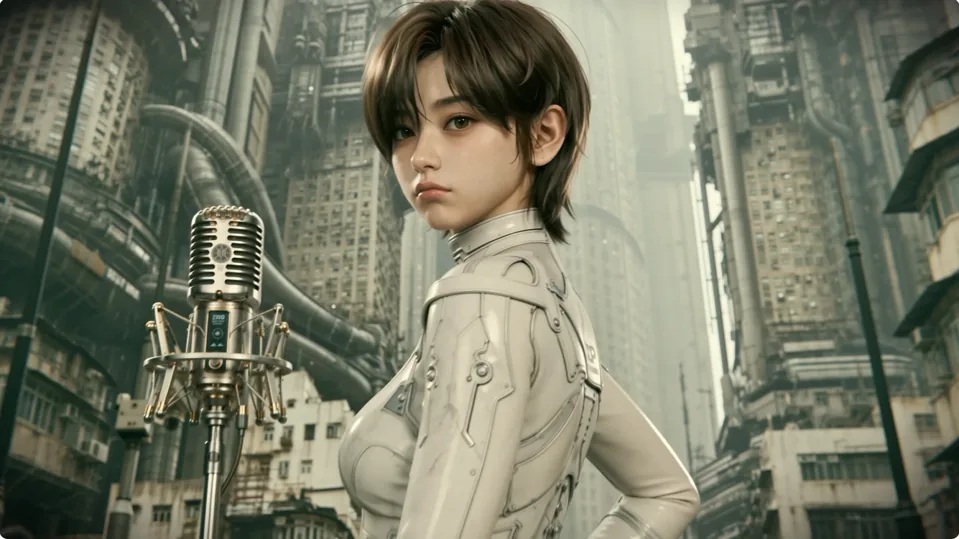
Upon viewing the music video, it becomes readily apparent that the artistic direction and execution bear the distinct, and often uncanny, characteristics associated with AI-generated media. The fluidity of movement, the surrealistic imagery, and the sometimes-jarring transitions all point towards a process that deviates significantly from traditional human-led artistic endeavors. This lack of overt human artistic intervention has led to a palpable sense of disconnect and unease among viewers.
The online comments section, a barometer of public sentiment, has predictably erupted with a mix of bewilderment, criticism, and sardonic humor. The VGC report highlights several poignant examples of this backlash. One commenter wryly noted, "Your RAM just went up in prices while watching this video," a jab at the computationally intensive nature of AI generation and perhaps a subtle critique of its perceived lack of organic creativity. Another remark, "Ah I see trying to accelerate the world of Stellar Blade to exist irl," offers a more philosophical, albeit still critical, interpretation, suggesting a perceived disconnect between the artistic output and the reality of human creation. These comments underscore a broader concern that the pursuit of AI-generated content might be prioritizing technological novelty over genuine artistic expression and connection.
Content Analysis: A "Fake Behind-the-Scenes" and Unexplained Tie-Ins
Beyond the fundamental issue of AI generation, the content of the music video itself has drawn further criticism. The inclusion of a purported "fake behind-the-scenes" segment is particularly perplexing. This element, rather than offering insight into a creative process, seems to further underscore the artificiality of the entire production. It creates a meta-layer of disingenuousness, as it purports to show a process that, by its very nature, is synthetic. This decision adds an almost ironic layer to the marketing, as it attempts to mimic a human creative process within an AI-generated framework.
Adding another layer of peculiarity is the inexplicable tie-in to "KPop Demon Hunters." The relevance of this specific element to the Stellar Blade franchise, or indeed to the song itself, is not immediately apparent. This seemingly arbitrary inclusion further amplifies the sense of a disjointed and potentially nonsensical creative direction, leaving audiences questioning the rationale behind these artistic choices. While it is possible that this is a deliberate narrative element within the Stellar Blade universe that has yet to be fully explained, in the context of a standalone music video, it comes across as bewildering and detracts from any potential emotional resonance.
Chronology of the Controversy: From Release to Public Outcry
The controversy surrounding Stellar Blade: Blood Rain’s AI-generated music video can be traced back to its official release. While the exact date of the video’s debut was not specified in the provided text, it is implied that it was a recent promotional activity preceding the anticipated release of the sequel.
Initial Release and Unveiling: Shift Up, likely with the intention of generating buzz and showcasing their innovative approach, unveiled the music video for "Wanna be in LOVE." The marketing strategy was immediately apparent: a music video entirely created by AI, a bold statement in the competitive gaming landscape.
Community Discovery and Scrutiny: Gamers and media outlets, upon encountering the video, quickly began to analyze its content and production methods. The distinctive visual and auditory style of AI generation was readily apparent to many, leading to immediate discussions online.
YouTube’s Official Tagging: The situation escalated when YouTube, the primary platform for the video, officially identified the content as having "sounds or visuals were altered or fully generated." This acted as an official confirmation of the community’s suspicions and lent further weight to the emerging controversy.
Media Reporting and VGC’s Coverage: Prominent gaming news outlets, such as Video Games Chronicle, began reporting on the situation, documenting the community’s reactions and the implications of Shift Up’s marketing choice. Their reporting amplified the discourse beyond niche gaming forums.
Escalation of Online Discourse: The article highlights the immediate and often critical response from the online community. The comment sections of the video and related articles became arenas for debate, with users expressing a range of emotions from disappointment and skepticism to outright criticism and humorous derision.
Ongoing Debate and Future Implications: The controversy continues to simmer, with the implications of this marketing strategy still being debated. It has sparked a broader conversation about the ethical considerations, artistic merit, and long-term impact of AI in the entertainment industry.
Supporting Data: Community Sentiment and Platform Acknowledgment
The primary supporting data for the controversy stems from two key areas: the vocalized sentiment of the gaming community and the official acknowledgment from YouTube.
Community Sentiment Analysis: The article directly quotes several comments from the video’s user section, which serve as anecdotal but powerful evidence of the prevailing negative reception. Phrases like "Your RAM just went up in prices" and "trying to accelerate the world of stellar blade to exist irl" illustrate a sentiment of bewilderment and a perceived disconnect from human creativity. These comments, when viewed collectively, paint a picture of a community that is largely unimpressed and, in many cases, outright critical of the AI-generated approach. The sheer volume of such comments, if accessible, would further solidify this data point.
YouTube’s Platform Identification: The fact that YouTube, a platform with sophisticated content moderation and identification systems, has explicitly flagged the video as containing "sounds or visuals were altered or fully generated" is crucial supporting data. This is not a subjective opinion from a gamer; it is a technical assessment by the platform itself. This acknowledgment lends an objective layer to the controversy, confirming that the AI generation is not a matter of speculation but a demonstrable fact. This official designation legitimizes the community’s concerns and elevates the discussion beyond mere opinion.
While the article doesn’t provide granular data like the number of negative comments or specific engagement metrics, the qualitative evidence from community reactions and the objective data from YouTube’s flagging system collectively form a strong basis for understanding the controversy.
Official Responses: Silence and Subtle Indications
As of the provided text, there has been no direct, official statement from Stellar Blade developer Shift Up addressing the controversy surrounding their AI-generated music video. This silence, while perhaps strategic, has only amplified the speculation and debate.
Developer Silence: The lack of a formal response from Shift Up leaves the public to interpret their intentions and rationale behind this unconventional marketing choice. It is possible they are allowing the controversy to generate organic buzz, or perhaps they are assessing the situation before issuing a statement. Without official commentary, the "why" behind the AI music video remains an open question.
YouTube’s Neutral Stance: YouTube’s flagging of the video is not an endorsement or condemnation; it is a neutral disclosure of content characteristics. Their action serves to inform viewers about the nature of the content they are consuming, aligning with their policies on transparency. This action, while significant, does not represent an "official response" from Shift Up.
Implications of No Response: The absence of an official statement from the developer could be interpreted in several ways:
- Confidence in the Strategy: They might be confident that the controversy will eventually die down or even benefit the game’s visibility, choosing not to engage with criticism.
- Underestimation of Backlash: They may have underestimated the negative reaction from the community and are now deliberating on the best course of action.
- Focus on Other Aspects: Their marketing team might be prioritizing other promotional activities and deeming a direct response to this specific issue unnecessary at this stage.
The lack of a clear statement from Shift Up means that the conversation is largely being driven by the community and media interpretations, leaving the developer’s perspective unvoiced.
Implications: A Shifting Landscape of Game Marketing and Creative Integrity
The decision by Stellar Blade developer Shift Up to utilize a fully AI-generated music video for their upcoming sequel, Stellar Blade: Blood Rain, carries significant implications for the future of game marketing and the broader landscape of creative integrity. This move, while undoubtedly attention-grabbing, has ignited a crucial debate that extends far beyond the confines of this single promotional campaign.
The Evolving Role of AI in Marketing: Efficiency vs. Authenticity
One of the most immediate implications is the exploration of AI as a potentially cost-effective and efficient tool for marketing content creation. The speed at which AI can generate visuals and sounds could dramatically alter traditional production timelines and budgets. However, the Stellar Blade incident highlights the inherent tension between this efficiency and the perceived need for human artistic touch and authenticity. The overwhelmingly negative community reaction suggests a strong preference for human-driven creativity, even if it comes at a higher cost or takes longer to produce. This raises the question: at what point does the pursuit of efficiency undermine the emotional connection and trust between a brand and its audience?
Redefining Creative Integrity and Artistic Expression
The controversy forces a re-evaluation of what constitutes "creative integrity" in the digital age. When a significant portion of promotional material is generated by algorithms, does it dilute the artistic vision of the game itself? The "fake behind-the-scenes" segment within the video further complicates this, appearing to mimic human creative processes rather than genuinely reflecting them. This can lead to a sense of disingenuousness, where audiences question the transparency of the developer’s intentions. The discussion around "Wanna be in LOVE" underscores the value placed on human ingenuity, passion, and the unique imperfections that often characterize compelling art.
The Growing Divide: Technological Advancement vs. Audience Reception
Shift Up’s bold marketing choice underscores a growing divide between the rapid advancements in AI technology and the current reception of AI-generated content by mainstream audiences. While AI offers powerful new tools, its integration into creative fields, especially for public-facing content, is still met with apprehension and skepticism. The negative sentiment towards the Stellar Blade music video suggests that audiences are not yet fully embracing AI as a replacement for human artistry in contexts where emotional resonance and genuine connection are paramount. Developers must carefully consider this gap and navigate the introduction of AI in ways that are perceived as additive and transparent, rather than substitutive and deceptive.
A Precedent for Future Marketing Strategies
This incident could set a precedent, for better or worse, for how other game developers approach marketing in the future. If Shift Up’s strategy, despite the backlash, leads to increased sales or significant brand awareness, it could encourage other studios to experiment more aggressively with AI-generated content. Conversely, the strong negative reaction could serve as a cautionary tale, prompting developers to tread more carefully and prioritize audience sentiment. The long-term impact will depend on how the industry as a whole responds to this experiment and whether other developers choose to follow suit or learn from the perceived missteps.
The Importance of Transparency and Audience Trust
Ultimately, the Stellar Blade: Blood Rain AI music video controversy highlights the critical importance of transparency and maintaining audience trust. While innovative marketing is essential, it must be grounded in honesty about the creative process. When content is AI-generated, audiences often expect clear disclosure. The decision to obscure this fact, or to present a fabricated behind-the-scenes look, can erode trust and lead to the kind of backlash experienced by Shift Up. As AI continues to permeate various industries, developers and creators will need to strike a delicate balance between embracing new technologies and respecting the audience’s desire for authentic, human-driven experiences. The future of game marketing may well involve AI, but its successful integration will likely hinge on its ability to augment, rather than replace, the human element that has always been at the heart of gaming’s appeal.