

By Journal Correspondent In an era defined by aggressive consumption and escalating lifestyle costs, a growing movement of financial theorists and practitioners is challenging the traditional definition of wealth. The core thesis—initially popularized by minimalist advocate Joshua Becker and now gaining traction among behavioral economists—suggests

The Consolidation of European XR: EssilorLuxottica Acquires Lynx Amid Financial Restructuring
Introduction: A New Chapter for French Mixed Reality In a move that signals both a rescue mission and a strategic consolidation within the wearable technology sector, the global eyewear titan EssilorLuxottica has officially acquired Lynx, the Paris-based Extended Reality (XR) hardware startup. The acquisition, confirmed by Lynx founder and CEO Stan

Blood, Profits, and Deadites: Analyzing the Financial Resilience of ‘Evil Dead Burn’
The "Evil Dead" franchise has long been a paradox of the cinematic world. Born from a low-budget, "spattered-wall" aesthetic in 1981, it has evolved into one of the most resilient properties in horror history. Forty-five years after Sam Raimi first unleashed the Necronomicon upon unsuspecting audiences, the sixth installment, Ev
The Hidden Financial Architecture of the Microsoft-Activision Merger: Beyond the Console Wars
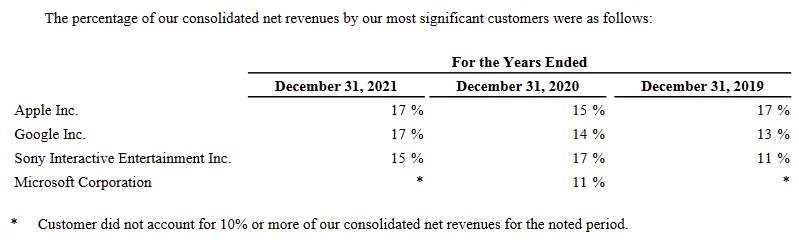
Executive Summary: A Paradigm Shift in Gaming Revenue In the high-stakes landscape of global gaming, the narrative is often dominated by the "console wars"—the perennial struggle for dominance between Sony’s PlayStation and Microsoft’s Xbox. However, a deep dive into the financial disclosures of Activision Blizzard, as highlighted by indu

The Power of Pause: How One Five-Word Question Reclaims Financial and Mental Freedom
Main Facts: The Anatomy of Modern Consumption In an era defined by hyper-connectivity and frictionless commerce, the average consumer is exposed to between 4,000 and 10,000 advertisements per day. These messages, delivered via social media algorithms, streaming services, and traditional billboards, share a singular, pervasive narrative: your life i

The Financial Architect of Hollywood: Content Partners Secures Major Capital Infusion from Carlyle Global Credit
In an era where the entertainment industry is grappling with radical shifts in distribution and financing, Content Partners LLC has solidified its position as a dominant force in the secondary market for media rights. The Los Angeles-based firm, a pioneer in the acquisition of film and television participation rights, has recently finalized a signi
The Revenue Paradox: Analyzing Activision Blizzard’s Financial Ecosystem Amidst Microsoft’s Acquisition Bid
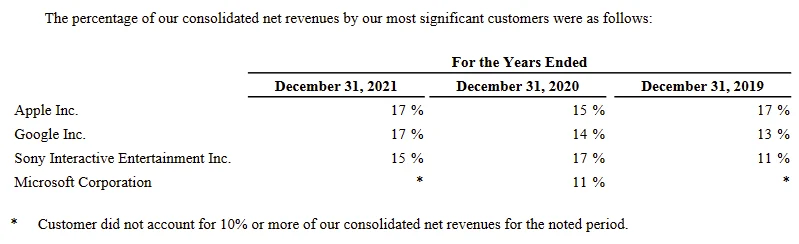
Executive Summary: The Hidden Reality of Gaming’s Biggest Deal In the high-stakes world of corporate mergers and acquisitions, few deals have invited as much scrutiny as Microsoft’s proposed $68.7 billion acquisition of Activision Blizzard. While the public discourse often centers on the "Console Wars" and the fate of the Call of Duty fra

The Return of the Jedi: Analyzing ‘The Mandalorian & Grogu’ and the New Financial Blueprint for Star Wars
The cinematic landscape of a galaxy far, far away has officially entered a new epoch. Following a nearly seven-year hiatus from the silver screen, Lucasfilm and Disney have returned to the theatrical arena with The Mandalorian & Grogu. Opening over the high-stakes Memorial Day weekend, the film serves as more than just a blockbuster; it [&helli

The Evolving Landscape of Online Content: Distinguishing Articles from Blog Posts and Navigating the Financial Divide
In the ever-expanding digital universe, the lines between distinct forms of written content have become increasingly blurred. For aspiring and established writers alike, a persistent question echoes: "What is the fundamental difference between writing an article and crafting a blog post?" This seemingly simple query belies a complex reali

The Hidden Cost of Excess: How the Pursuit of Minimalism is Becoming a Financial and Temporal Necessity
In an era defined by relentless productivity and the digital "always-on" culture, the average citizen finds themselves caught in a paradoxical trap: working longer hours to afford a lifestyle that leaves them with less time to enjoy it. While economic discourse often focuses on inflation and wage stagnation, a growing body of statistical
