

The landscape of fantasy anime and manga is undergoing a fascinating transformation, moving beyond established tropes to embrace narratives rich in wonder, character depth, and a touch of "cozy" charm. At the forefront of this shift is Kamome Shirahama’s critically acclaimed series, Witch Hat Atelier (Tongari Boushi no Atelier), a t
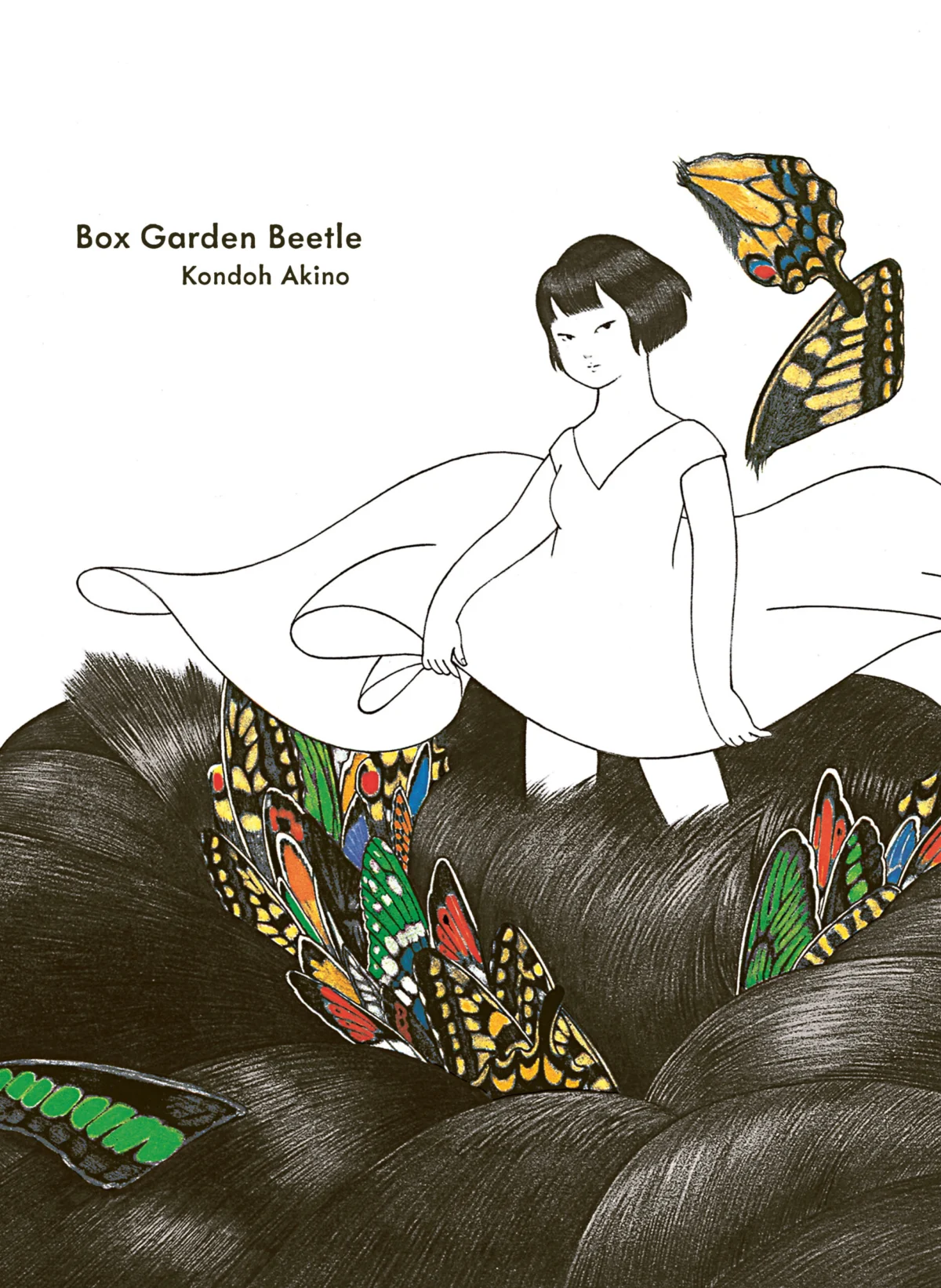
The Surrealist Horizon: Akino Kondoh’s ‘Box Garden Beetle’ and the Evolution of Alternative Manga in America
The landscape of North American manga consumption is undergoing a profound transformation. While mainstream "Shonen" and "Shojo" titles continue to dominate sales charts, a sophisticated undercurrent of "art manga" or gekiga-adjacent works has found a dedicated foothold among Western bibliophiles. A landmark moment in
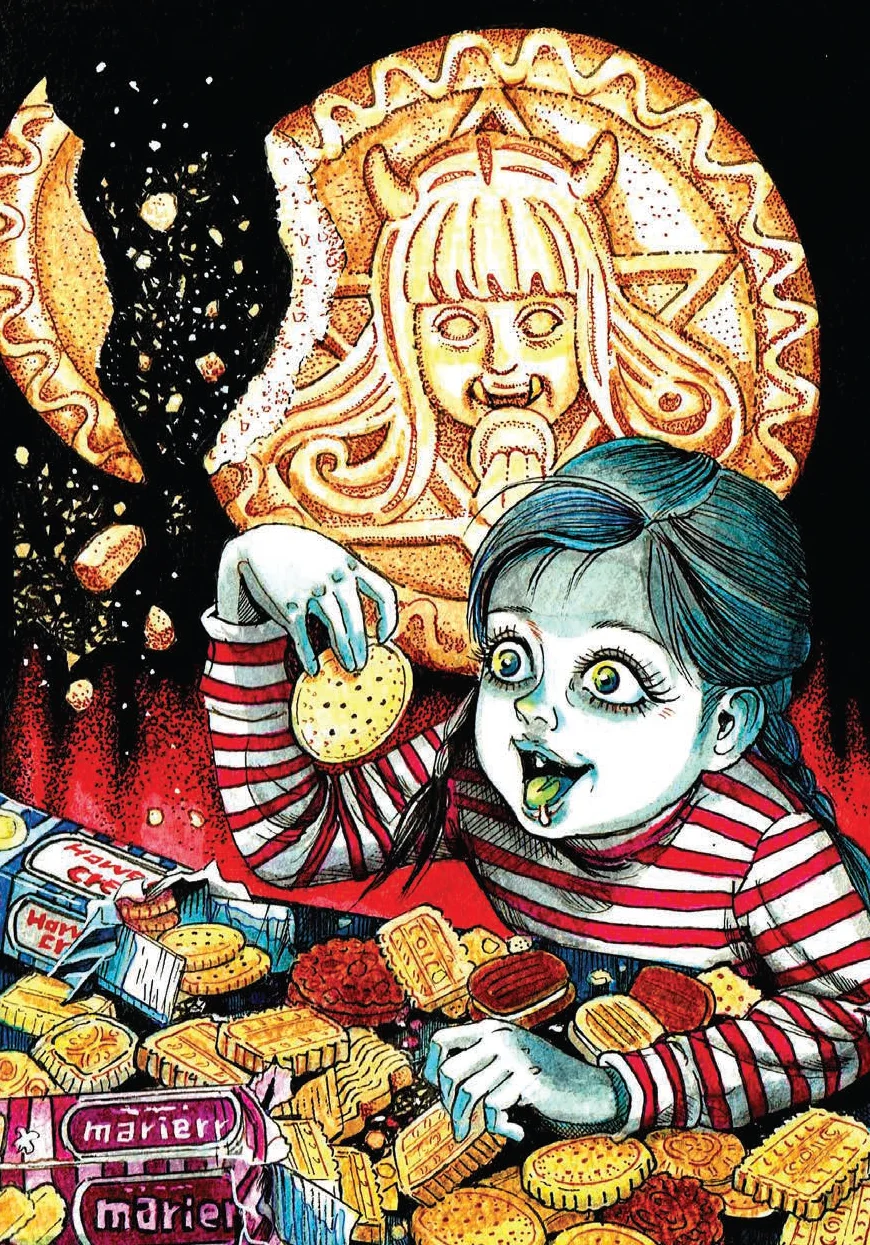
The Visceral Legacy of Noroi Michiru: Psychosexual Terror and the Evolution of Independent Manga
The release of The Horrors of Noroi Michiru, Volume 1 marks a significant milestone in the Western localization of Japanese horror. Published by Glacier Bay Books and originally curated by the late Matt Haasch of Star Fruit Books, this collection offers an uncompromising look into the early, formative years of an artist whose work occupies [&hellip
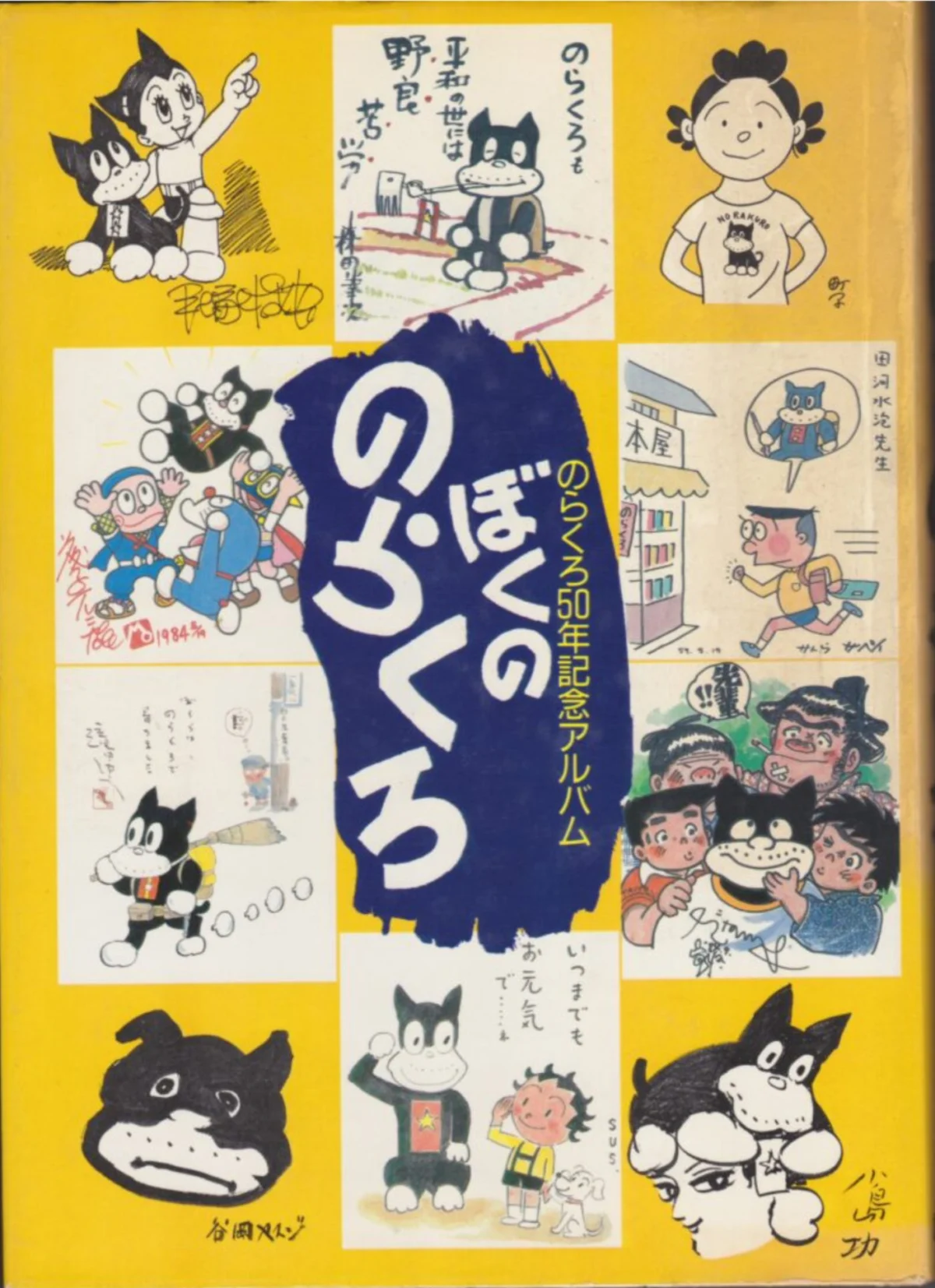
The Great Divide: Norakuro, the Manga Shūdan, and the Construction of Modern Manga History
The history of Japanese manga is often viewed through the lens of a single, transformative figure: Tezuka Osamu. Known as the "God of Manga," Tezuka is frequently credited with inventing the cinematic style and narrative depth that define the medium today. However, as contemporary manga scholar and critic Natsume Fusanosuke argues, this &
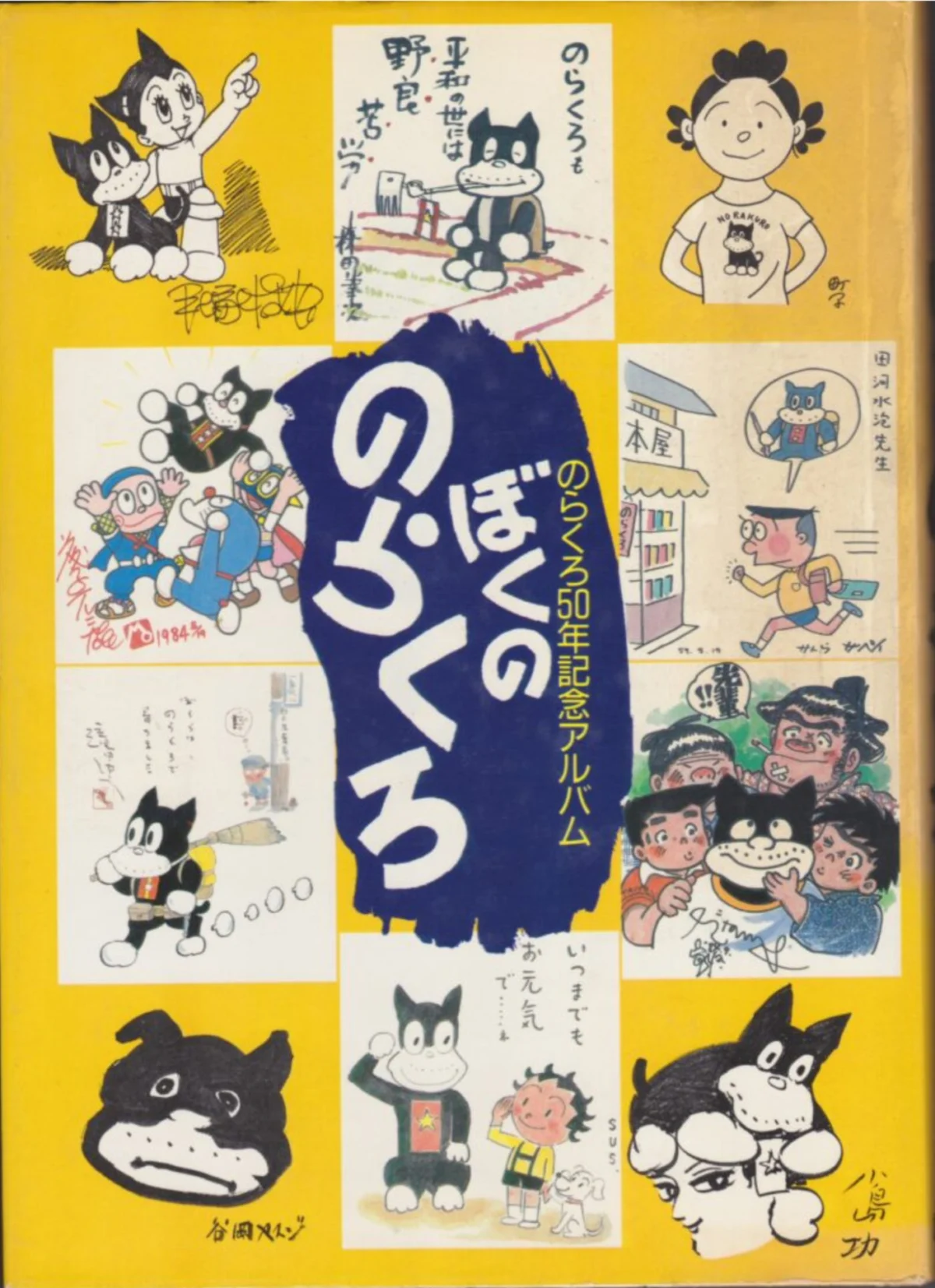
The Great Divide: Norakuro, the New Manga-School Group, and the Evolution of Japanese Visual Narrative
By Academic Dispatch and Journalistic Reportage In the vast historiography of Japanese sequential art, few figures loom as large—or as enigmatically—as Tagawa Suihō and his creation, Norakuro (Black Stray). While modern global audiences often view the history of manga through the transformative lens of Osamu Tezuka, a recent retrospective by noted
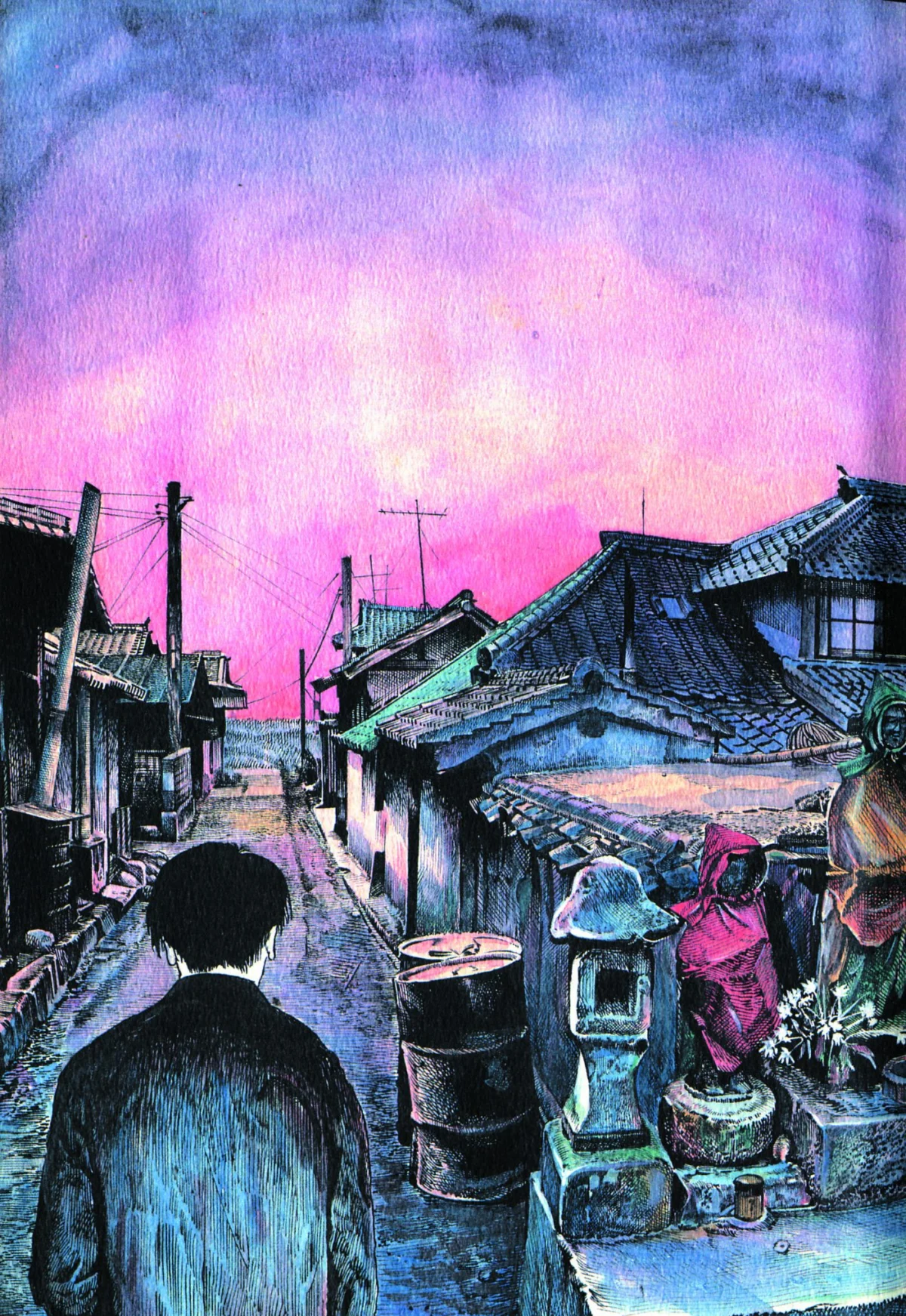
The Architect of Literary Manga: The Life, Legacy, and Lasting Influence of Yoshiharu Tsuge (1937–2026)
The world of international literature and visual arts mourns the passing of Yoshiharu Tsuge, a titan of Japanese manga whose work transcended the boundaries of the medium. As The Comics Journal revisits its archives—specifically the seminal 2005 analysis by Béatrice Maréchal—the industry reflects on a man who didn’t just draw stories but pioneered
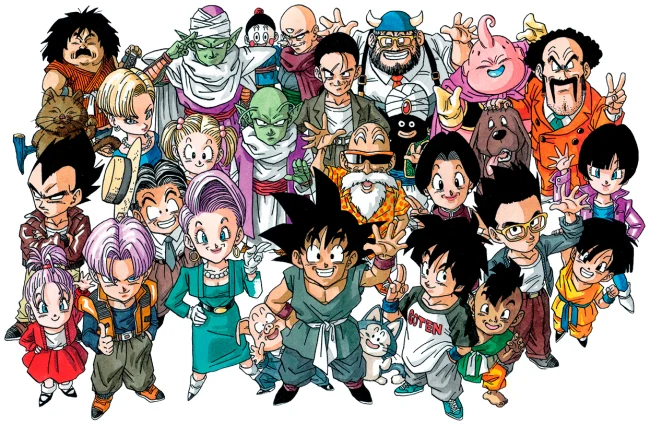
The Unvarnished Truth: Kazuhiko Torishima, Manga’s Enduring Architect, Speaks at Comicon Napoli
Naples, Italy – In the hallowed halls of the 26th Comicon Napoli, amidst the vibrant tapestry of comic culture, a figure of immense gravity graced the stage and the interview circuits: Kazuhiko Torishima. The legendary manga editor, whose name is inextricably linked with the genesis of global phenomena like Dr. Slump and Dragon Ball, offered [&hell
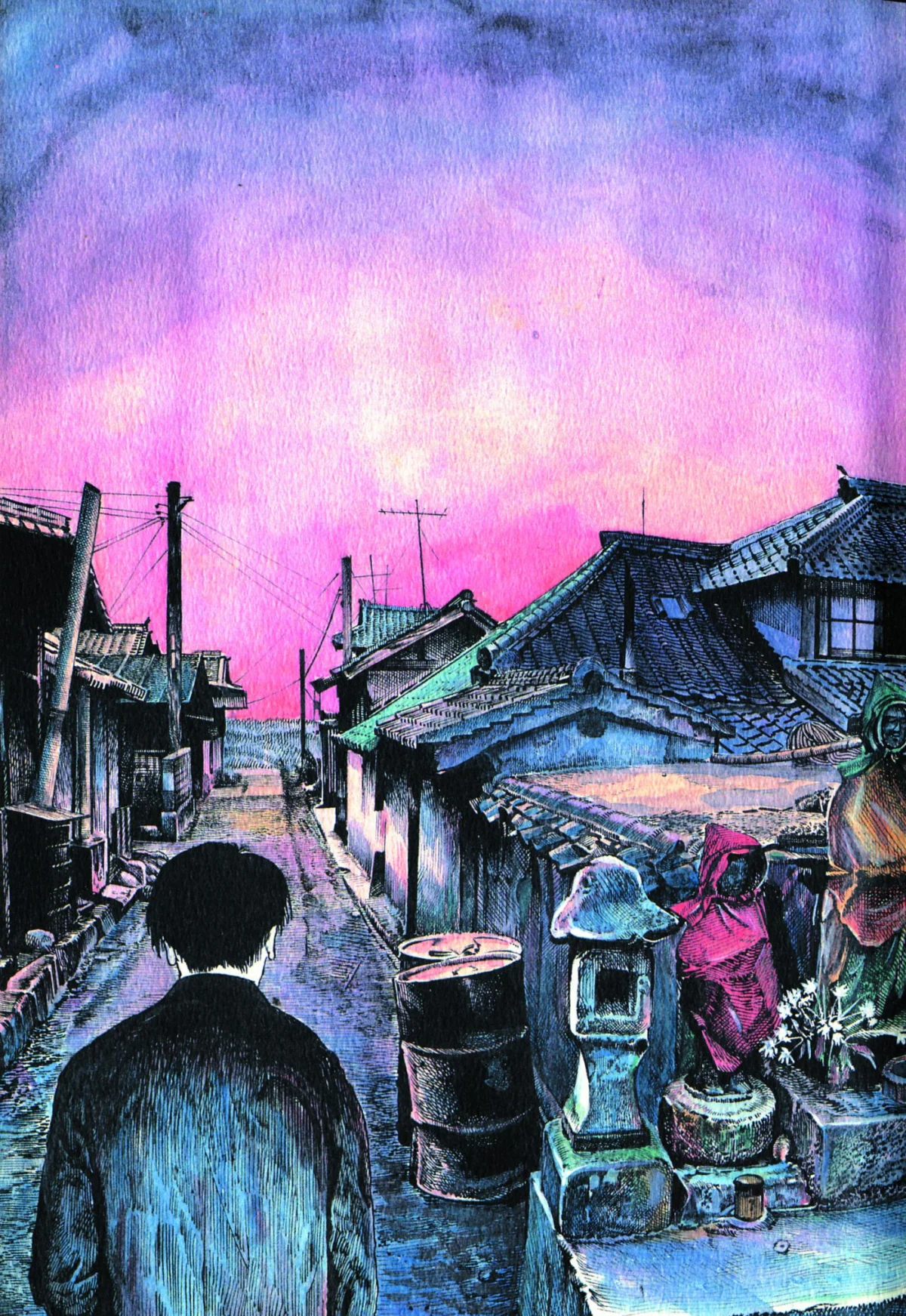
The Architect of Literary Manga: Reflecting on the Legacy of Yoshiharu Tsuge
The history of manga is often divided into two eras: before and after Yoshiharu Tsuge. While the medium was born from the kinetic energy of Osamu Tezuka’s "God of Manga" period, it was Tsuge who provided its soul, its neuroses, and its literary legitimacy. Following the recent retrospective features from The Comics Journal (TCJ) archives—
