
The Algorithmic Canvas: Amazon MGM Studios and AWS Pivot to Generative AI for Next-Gen Animation
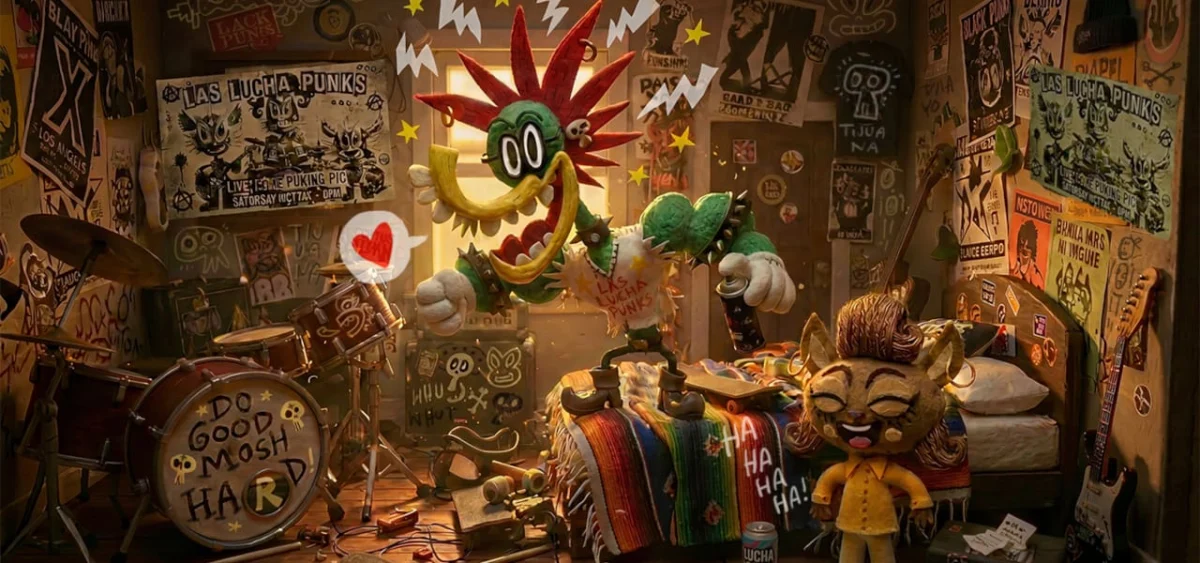
In a move that signals a tectonic shift in the animation landscape, Amazon MGM Studios has officially announced a strategic partnership with Amazon Web Services (AWS) to integrate generative artificial intelligence (genAI) into the core of its production pipeline. This initiative, which pairs the creative might of a major Hollywood studio with the cloud computing infrastructure of a global tech titan, has launched with a slate of high-profile projects that aim to redefine how animated content is conceived, designed, and delivered.
The announcement has sent ripples through the industry, not merely because of the technology involved, but because of the creative pedigree of the individuals attached. Leading the charge is Emmy-winning filmmaker Jorge R. Gutierrez, the visionary behind The Book of Life and Maya and the Three. Joining him are BuzzFeed Studios and veteran executive Albie Hecht, marking a diverse coalition of traditional storytellers and digital-first content creators.
The Inaugural Slate: From Punk Ducks to Digital Idols
The collaboration between Amazon MGM Studios and AWS is not a theoretical exercise; it is a production-ready initiative with three distinct projects already in development. These projects serve as a litmus test for the scalability and creative fidelity of AI-assisted animation.
1. Punky Duck (Jorge R. Gutierrez)
Perhaps the most anticipated title in the lineup, Punky Duck follows the adventures of a lovable, rebellious duck and his companion, Smiley Cat. Set against a "wildly exaggerated" version of Los Angeles, the series promises a chaotic blend of alien invasions, robot conspiracies, and telenovela-style family drama. Gutierrez’s involvement is particularly noteworthy, as his signature "maximalist" style—heavily influenced by Mexican folk art and intricate character design—is traditionally labor-intensive.
2. Cupcake & Friends (BuzzFeed Studios)
Leveraging BuzzFeed’s expertise in viral content and character-driven digital media, Cupcake & Friends represents the "content farm" evolution of animation. This project is expected to utilize genAI to rapidly iterate on character designs and environmental assets, allowing for a more responsive production cycle that aligns with internet trends.
3. Love, Diana Music Hunters (Albie Hecht)
Produced by former Nickelodeon executive Albie Hecht, this project targets a younger demographic, building on the massive "Kids Diana Show" YouTube ecosystem. The series focuses on music and discovery, utilizing AI to streamline the integration of musical cues with visual choreography, a process that is historically time-consuming in traditional 2D or 3D animation.
Chronology of a "Miracle" Greenlight
The timeline of this initiative reveals much about the primary driver behind the adoption of generative AI: speed. Jorge R. Gutierrez, a veteran of the studio system who has spent decades navigating the glacial pace of traditional development, expressed genuine shock at the velocity of the Punky Duck deal.
"I’ve been developing things at most legacy studios for years," Gutierrez noted in a follow-up statement. "And Punky Duck, to my complete surprise, went to greenlight in two months from my first pitch."
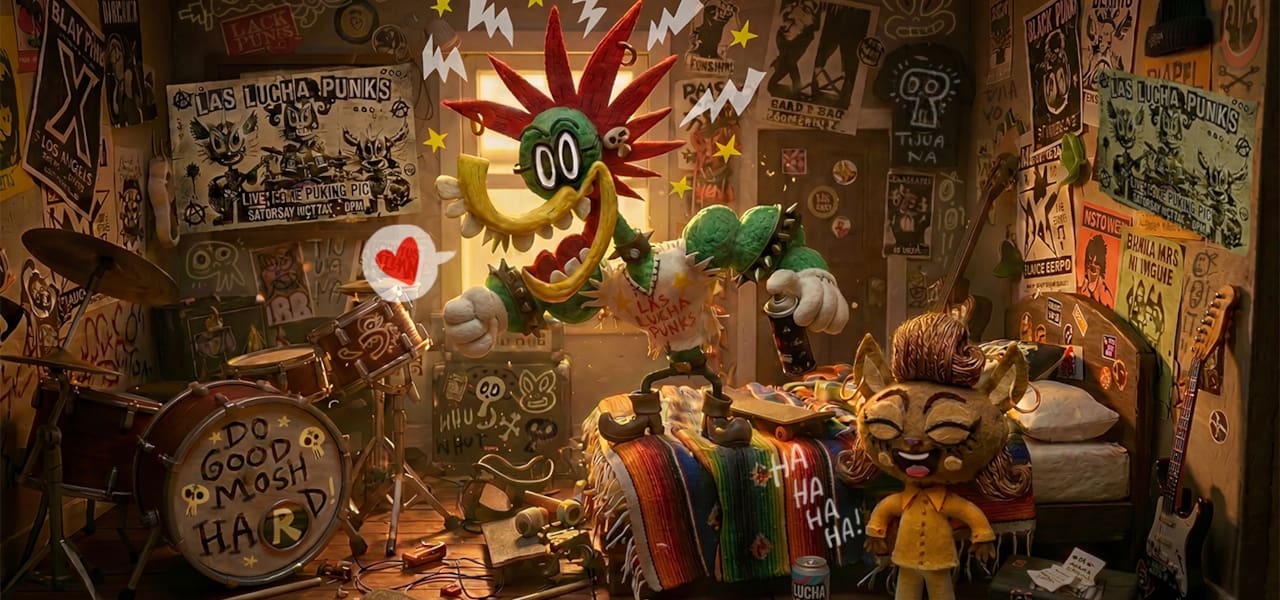
In the traditional animation world, a two-month window from pitch to greenlight is virtually unheard of. Usually, this process involves years of concept art, pilot scripts, and budget negotiations. The acceleration suggests that Amazon’s AI-integrated workflow provides executives with enough confidence in cost-efficiency and production feasibility to bypass the standard development "purgatory."
This initiative comes on the heels of other major industry shifts. In early 2024, Netflix announced the formation of a genAI-native animation studio, and tech companies like OpenAI (with Sora) and Runway have been aggressively courting Hollywood talent. Amazon’s move is a direct response to this competitive pressure, leveraging its internal AWS infrastructure to offer a "full-stack" solution for creators.
The Technical Infrastructure: How AWS Powers the Pipeline
The partnership with AWS is the "secret sauce" of this initiative. Unlike independent studios that must pay for third-party AI tools, Amazon MGM Studios has direct access to the massive computing power and proprietary models housed within AWS.
According to official descriptions, the initiative focuses on three primary areas:
- Previsualization (Previs): Using genAI to turn scripts into rough visual storyboards or 3D animatics almost instantly. This allows directors to "see" the episode before a single frame of final animation is rendered.
- Asset Generation: AI models trained on a creator’s specific art style can generate background elements, crowd characters, and props. For a show like Punky Duck, this could mean generating dozens of unique alien or robot designs based on Gutierrez’s aesthetic parameters.
- Production Workflows: This involves the "heavy lifting" of the pipeline—automated lip-syncing, lighting adjustments, and color grading. By automating these technical tasks, the studio hopes to reduce the "man-hours" required for each minute of finished footage.
The goal is a "human-in-the-loop" system where the AI acts as a sophisticated digital assistant, handling repetitive tasks while the lead artist maintains creative oversight.
Official Responses: Navigating the Ethical Minefield
The response from the creative community has been a mixture of curiosity and apprehension. Jorge R. Gutierrez, aware of his position as a standard-bearer for traditional craft, was quick to clarify his stance on the technology.
"It’s a big experiment for me and I will be as cautious as possible with AI," Gutierrez stated. "Artists driving tech, and not the other way around, is my goal. Taking a chance on an original feels like a miracle these days!"
His comments touch on the central tension of the modern animation industry: the "miracle" of getting an original idea funded in a risk-averse climate vs. the "miracle" of the technology itself. For Gutierrez, the trade-off seems to be a pragmatic one—accepting AI tools as a means to secure a greenlight for an original IP that might otherwise have been rejected due to high costs.
.png)
Amazon MGM Studios has echoed this "artist-first" sentiment, framing the technology as a tool for empowerment rather than replacement. However, the studio has been less specific about the datasets used to train these models—a point of significant contention for labor unions and copyright advocates.
Industry Implications and Labor Concerns
The Amazon-AWS initiative arrives at a volatile moment for the animation industry. The Animation Guild (TAG) and other labor organizations are currently engaged in high-stakes discussions regarding the role of AI in the workplace.
Job Displacement and the "Junior Artist" Crisis
The areas where Amazon is focusing its AI efforts—previsualization and asset generation—are traditionally the entry points for junior artists and production assistants. If AI can generate 100 background houses or 50 crowd characters in seconds, the need for entry-level "in-betweeners" or layout artists could plummet. This raises questions about how the next generation of animation talent will gain the experience necessary to become the "Jorge Gutierrezes" of tomorrow.
The Copyright Conundrum
A significant portion of the creative community remains wary of generative AI due to the "black box" nature of training data. While AWS offers "enterprise-grade" AI tools that are ostensibly trained on licensed or proprietary data, the fear persists that these models are inherently derivative of the collective work of thousands of uncompensated artists.
The Netflix vs. Amazon Arms Race
The industry is now witnessing a "platform war" centered on AI. While Netflix is building an "AI-native" studio from the ground up, Amazon is taking a hybrid approach—integrating AI into the workflows of established, high-profile creators. This competition is likely to accelerate the adoption of these tools across the board, as studios feel pressured to match the speed and cost-efficiency of their rivals.
Conclusion: A New Era of "Cautious Optimism"
Amazon’s move into AI-driven animation is more than just a technological experiment; it is a business model pivot. By shortening the distance between a pitch and a greenlight, Amazon is positioning itself as the most attractive destination for creators who are tired of the traditional studio grind.
However, the success of Punky Duck and its counterparts will ultimately depend on whether the final product retains the "soul" of its creators. If AI-assisted animation results in a "diluted" aesthetic or a loss of the idiosyncratic charm that defines Gutierrez’s work, the industry may see a backlash from audiences who value human craftsmanship.
For now, the industry watches with bated breath. As Gutierrez himself noted, the goal is for "artists to drive the tech." Whether the technology can be steered, or whether it will eventually take the wheel, remains the defining question of this new era in animation. The "lovable punk duck" may well be the canary in the coal mine for the future of digital storytelling.



Leave a Comment