
The Golden Catalyst: How Witwatersrand’s Gold Forged Modern South Africa
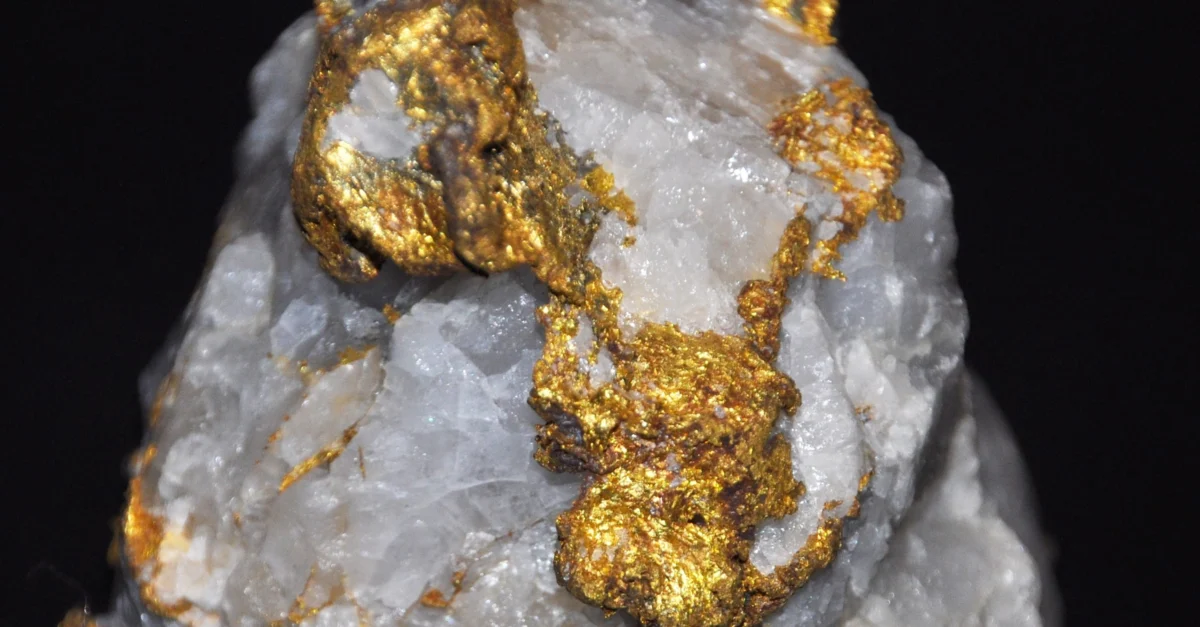
Johannesburg, South Africa – In the annals of global history, few mineral discoveries have had as profound and transformative an impact as the unearthing of gold at Witwatersrand in Transvaal in 1886. Coming just two decades after the diamond rush at Kimberley in 1867, this colossal find didn’t merely alter the economic landscape of Southern Africa; it fundamentally reshaped its demographics, politics, and social fabric, setting in motion a chain of events that would culminate in war, the birth of a nation, and the institutionalization of racial segregation. The "Rand," as it quickly became known, proved to be the largest gold deposit the world had ever seen, acting as a magnet for ambition and exploitation, and ultimately forging the crucible in which modern South Africa was cast.
I. The Golden Dawn: A Continent Transformed
Before the glittering promise of gold and diamonds, Southern Africa held a primarily strategic significance for the British Empire. In the early 19th century, the Cape Colony, established in 1806, along with the Cape of Good Hope, served as an indispensable maritime waypoint. It was a crucial refreshment and refuelling station for British ships navigating the treacherous routes to and from their burgeoning Asian possessions, most notably the jewel in the imperial crown, British India. Another key British outpost in the region was Natal, founded in 1843, further cementing Britain’s presence.
However, British influence was not uncontested. Beyond the diverse indigenous African communities, a distinct European population, the Boers, presented a formidable challenge. Descended primarily from Dutch and French Huguenot settlers, these "farmers" (the literal translation of Boer) or "Afrikaners" spoke Afrikaans and had cultivated a unique, fiercely independent culture rooted in the land. Through the 1830s, a confluence of factors – the British outlawing of slavery, which impacted Boer livelihoods, and growing population pressure on finite land and resources around the Cape – spurred a significant exodus. Over 14,000 Boers embarked on the "Great Trek," migrating inland to establish new territories beyond British control. This pioneering movement led to the creation of independent Boer republics, most notably the Transvaal in 1852 and the Orange Free State in 1854. These republics were largely agrarian, with economies modestly sustained by agriculture and related trade.
This pastoral existence was irrevocably shattered by the twin discoveries of immense mineral wealth. The first jolt came with diamonds at Kimberley in 1867, attracting a wave of prospectors and capital. But it was the "Rand’s" gold, a find of unparalleled scale and depth, that would truly ignite a seismic shift across the entire region, turning what was once a sparsely populated agricultural frontier into a global economic powerhouse. By 1915, South Africa would astonishingly account for 40% of the world’s gold output, a testament to the magnitude of the Witwatersrand basin.
II. Unearthing a Fortune: The Witwatersrand Revelation
A. The Discovery and Its Scale
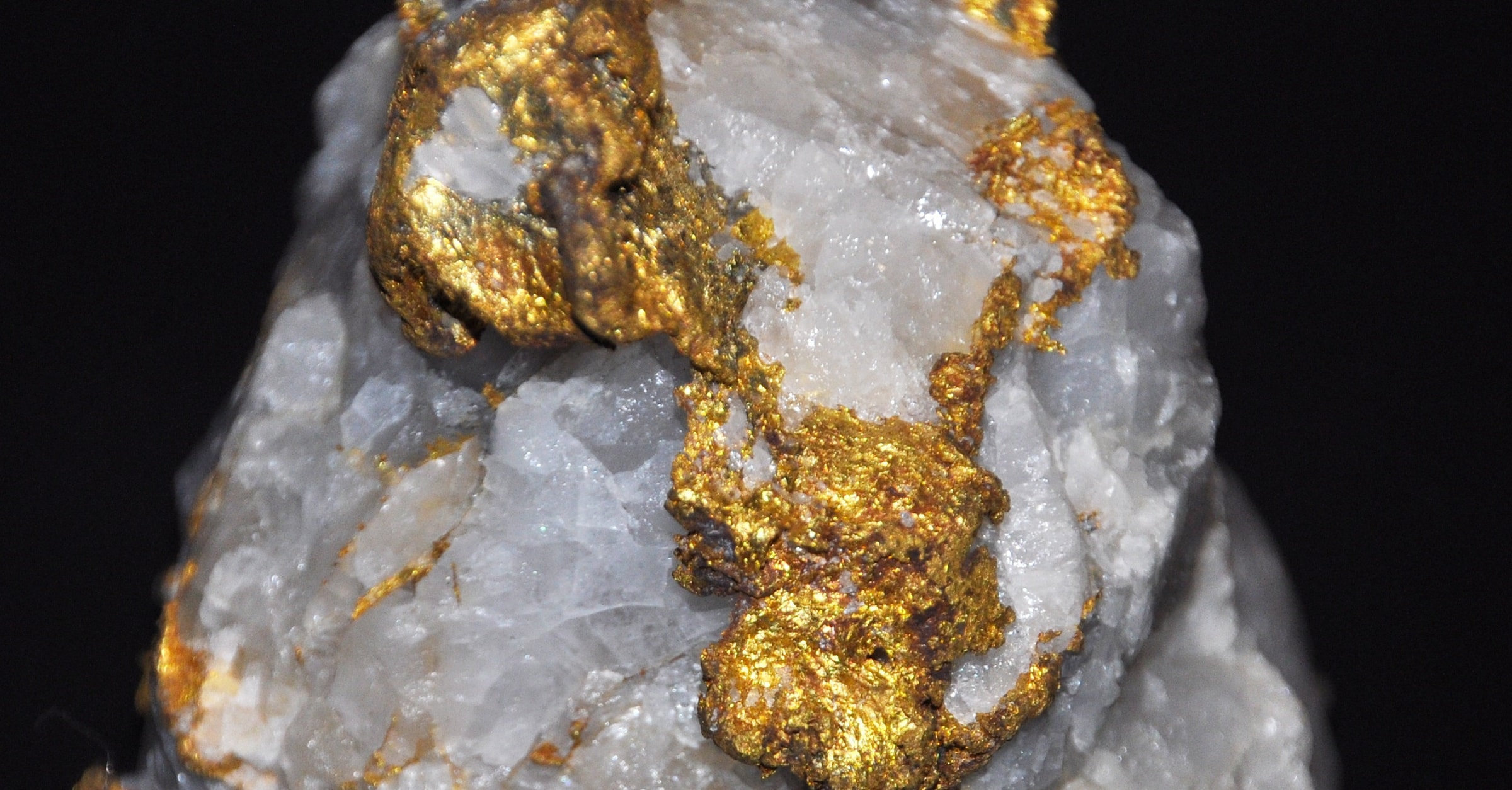
While scattered gold finds had been reported in Transvaal in previous decades, the momentous discovery that redefined Southern Africa is widely attributed to George Harrison, an Australian prospector. In February 1886, on the Langlaagte farm in the Witwatersrand Basin, Harrison stumbled upon what appeared to be a significant gold deposit. His initial excitement, however, paled in comparison to the true scale of what he had unearthed. Neither Harrison nor anyone else at the time could comprehend that this was merely the surface manifestation of an immense gold-bearing reef – a colossal belt stretching almost 31 miles (50 km) in length and plunging an astonishing 1.8 miles (3 km) deep into the earth.
The nature of the Witwatersrand deposits presented unique challenges. Beyond a relatively thin surface layer, the gold-bearing rock was remarkably low-grade, yielding approximately 5 ounces (15 grams) of gold per tonne. This made extraction an inherently expensive and technologically demanding undertaking. Consequently, the initial scramble for individual claims gradually gave way to a consolidation of ownership. Only those with substantial capital to invest in heavy machinery, advanced mining techniques, and deep-level excavation could sustain operations. Many of these powerful investors were the very same men who had amassed their initial fortunes from the Kimberley diamond mines. This new elite, who wielded immense economic and political power, became known as the "Randlords," a pantheon of magnates including Julius Wernher, Barney Barnato, Alfred Beit, and the notoriously ambitious Cecil Rhodes.
B. The Rise of the Randlords and Johannesburg
The colonial authorities, acutely aware of the magnetizing effect such a discovery would have, acted swiftly. Surveyors were dispatched to identify a suitable site near the goldfields to accommodate the inevitable deluge of prospectors, fortune-seekers, and labourers from across the globe. The chosen location rapidly blossomed into the great city of Johannesburg. Its growth was nothing short of explosive: within a mere decade, the nascent town boasted a population of 100,000 inhabitants. By 1900, this figure had soared to 166,000, solidifying Johannesburg’s position as the largest African city south of the Sahara.
Life in early Johannesburg was a tumultuous mix of opportunity and vice, a wild frontier where fortunes were made and lost with equal rapidity. Contemporary observers were struck by its unrestrained energy and lax morals, with one famously describing it as "Monte Carlo imposed on Sodom and Gomorrah" – a vivid portrayal of a city fuelled by immense wealth and rampant speculation.
III. A Torrent of Wealth: Economic and Political Upheaval
A. Transvaal’s Meteoric Ascent
The most immediate and conspicuous consequence of the gold discoveries was the sudden, immense accumulation of wealth. The Transvaal Republic, once a struggling agrarian state, found itself awash in riches. From mining royalties alone, the republic reaped an astonishing £4 million annually, a figure that had doubled by 1896. This unprecedented financial windfall transformed Transvaal into "the richest independent state in Africa," as noted by historian Peter James. The newfound prosperity enabled the state to assert its independence further, notably by funding the construction of its own railway line connecting Johannesburg to Lourenço Marques (modern-day Maputo). This strategic infrastructure project provided Transvaal with direct access to a port, entirely independent of British-controlled territories. Conscious of the covetous gaze of the British Empire, the Transvaal government judiciously invested heavily in military modernization, importing state-of-the-art rifles, machine guns, and artillery pieces from European powers like France and Germany, in a clear bid to bolster its defences against imperial encroachment.
B. Global Gold Standard and Investment Magnet
The gold deposits of the Witwatersrand seemed inexhaustible, fuelling an economic boom of staggering proportions. By 1890, gold exports had reached £10 million, firmly establishing gold as South Africa’s leading export commodity. This figure surged to £25 million by 1905 and escalated further to between £45 and £50 million by 1910 – an amount equivalent to approximately £5 billion in today’s currency. As previously mentioned, by 1915, South Africa was producing a remarkable 40% of the world’s gold, solidifying its pivotal role in the global economy.
The world’s wealthy, recognizing the unparalleled opportunity, poured capital into the Transvaal gold mines. Between 1886 and 1913, an estimated £116 million to £134 million was invested in the Witwatersrand, according to J.D. Fage. This massive influx of international capital underscores the global significance of the discovery, particularly as gold was rapidly becoming the international monetary standard for currencies, creating an insatiable worldwide demand.
C. Imperial Ambitions Ignited
The immense wealth concentrated in the Boer republics inevitably intensified British rivalry and imperial ambitions. The British, long harbouring a desire for a unified South African federation, now saw the gold and diamond mines as an irresistible prize. Such a federation, they believed, could secure and protect these lucrative assets under British dominion. Steps towards this goal had already been taken, notably with the British defeat of the formidable Zulu Kingdom in 1879. Zululand was subsequently annexed as a crown colony in 1887 and later absorbed into Natal in 1897, further expanding British territorial control.
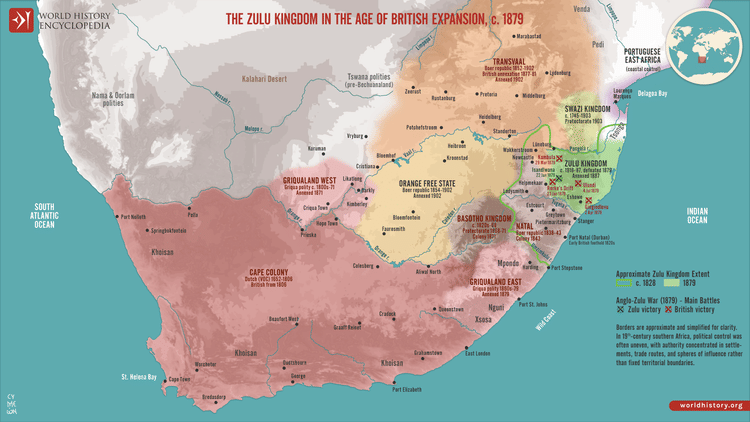
Despite a successful Boer resistance in the First Anglo-Boer War (1880-1881), which saw them fight off British attempts at annexation, Britain steadily tightened its grip around the two Boer republics over the following decade. The British acquired the Basutoland Protectorate (modern Lesotho) in 1884 and the Bechuanaland Protectorate (modern Botswana) in 1885. Swaziland and Pondoland were later added to Britain’s burgeoning collection of Southern African territories in 1893 and 1894, respectively. The allure of the Transvaal mines even spurred imperialist figures like Cecil Rhodes to look north of the Limpopo River, driven by the (ultimately mistaken) belief that similar mineral riches must lie hidden there, fuelling further colonial expansion and exploration.
IV. The Human Cost: Labour, Segregation, and Social Restructuring
A. A Two-Tiered Workforce
The gold mines were not only engines of wealth but also crucibles of social stratification, profoundly impacting the workplace and wider society. A stark wage disparity characterized the mining industry: White miners, typically holding more skilled positions, received, on average, more than ten times the wage of their Black African counterparts. The promise of high wages attracted White prospectors and labourers from across the globe, with 44,000 arriving at the mines by 1896. This influx contributed to a dramatic demographic shift, as the White settler population in Southern Africa surged from approximately 250,000 in 1870 to 600,000 by 1891.
The Boers, fiercely protective of their cultural identity and privileged position, viewed these new White workers, known as Uitlanders (‘Outsiders’), with suspicion. Laws were enacted to restrict their political influence, with the President of Transvaal, Paul Kruger (1825-1904), passing legislation that required a staggering 14 years of residency before a White immigrant could vote in political elections. This created significant discontent among the Uitlanders, who resented paying taxes and performing military service for the Transvaal government without commensurate rights of citizenship.
B. Mechanisms of Control: Unions, Chambers, and Exploitation
The powerful mine magnates, pejoratively dubbed the ‘gold bugs’ by Kruger, were equally unhappy with the restrictions placed on the skilled segment of their workforce, recognizing the negative impact on efficiency and profitability. This simmering discontent among both Uitlanders and Randlords led to diplomatic friction, culminating in the Bloemfontein Conference of June 1889, called to address the issue. However, the British abruptly cut the conference short, further exacerbating Anglo-Boer tensions.
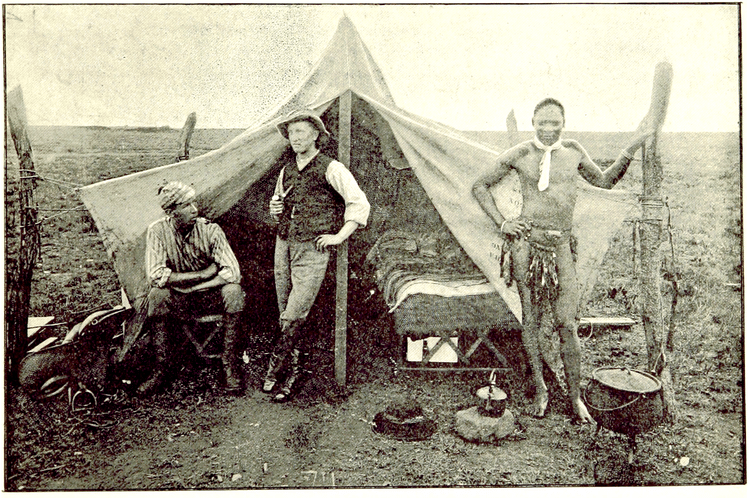
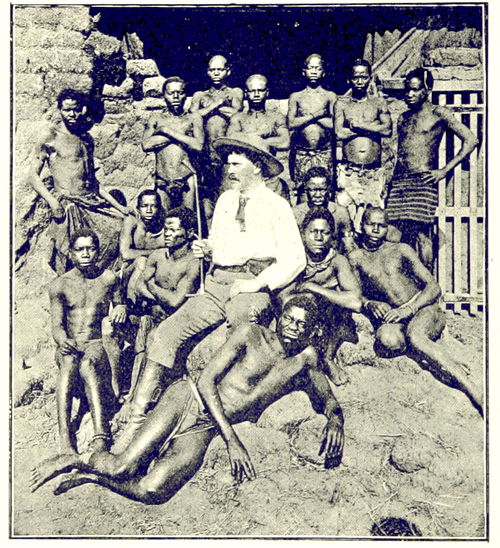
For Black African workers, who numbered over one million in the gold mines by 1899, the prejudice and exploitation were far more severe and systemic. Mine owners relentlessly sought to minimize labour costs, a critical factor given the low-grade nature of the Witwatersrand deposits and the labour-intensive extraction processes. Unlike their White counterparts, Black miners were explicitly denied the right to form trade unions. Furthermore, powerful White worker unions actively protected their interests by ensuring that mine owners did not employ cheaper African labour for skilled positions, thereby entrenching racial divisions in the occupational hierarchy. In 1899, the Chamber of Mines was established, with one of its primary functions being the recruitment and sustained cheapness of unskilled Black labour. The justification for these subpar wages was often that Africans were employed on a seasonal basis and could supplement their income by returning to their rural farms – a narrative that conveniently ignored the increasing reliance of many on mining wages. From the early 20th century, mining companies even resorted to importing tens of thousands of Chinese indentured labourers, who were treated little better than slaves, as another means to drive down wages and suppress local labour demands.
C. Seeds of Apartheid: Compound Life and Pass Laws
The segregation of Black miners extended beyond wages and occupational roles. They were obliged to live in rigidly controlled, often caged, compounds – ostensibly to prevent the illicit passing of stolen gold to outside accomplices, but effectively serving as instruments of social control. Furthermore, Black Africans required passes to circulate freely in towns, a precursor to the notorious pass laws of apartheid. Punishments for failing to produce such a pass ranged from hefty fines to weeks of hard labour, stripping individuals of their basic freedoms and dignity. These discriminatory laws and practices, deeply rooted in the mining industry’s need for cheap, controlled labour, became foundational elements of the system of apartheid that would later define South Africa, significantly intensifying existing White prejudice against Africans.
D. Rapid Industrialisation and Urbanisation
Beyond the human cost, the mining boom had other profound consequences, particularly in terms of infrastructure development. The region experienced rapid industrialization, almost uniquely on the African continent at the time. This industrial growth spurred equally rapid urbanization, as towns and cities sprung up to cater to the needs of the burgeoning mining communities and their associated industries. Crucially, vast networks of roads and railways were constructed to facilitate the efficient movement of goods, raw materials, and workers. In 1860, Southern Africa possessed a mere 1.8 miles (3 km) of railway and virtually no roads suitable for wheeled vehicles. By 1889, this had expanded dramatically to 2,050 miles (3,300 km) of railway. By 1914, the road network had similarly exploded, reaching an impressive 46,000 miles (75,000 km), irrevocably altering the physical landscape and connectivity of the region.
V. The Crucible of Conflict: Anglo-Boer Wars and the Birth of a Nation
A. Escalating Tensions: From Jameson Raid to War
As the 19th century drew to a close, the simmering tensions between Britain and the Boer republics erupted into the Second Anglo-Boer War (1899-1902). While the causes of this devastating conflict were multifaceted, extending beyond the immediate control of gold and diamond mines, these lucrative assets undoubtedly played a central role. The Randlords, with their vast financial power, had actively plotted against the Transvaal government, famously funding and arming the failed Jameson Raid of December 1895 – an ill-conceived attempt to spark an Uitlander uprising and seize control.
The British government harboured significant concerns that a wealthy and militarily strengthened Transvaal could forge alliances with rival colonial powers, particularly Germany, thereby posing a direct threat to British strategic and economic interests in Southern Africa. Furthermore, the sheer scale of British investment in Transvaal was immense, totalling over £350 million by 1899, with a staggering two-thirds of the Witwatersrand’s mines owned by British shareholders. Protecting these vast financial stakes was a paramount motivation for intervention.
B. British Victory and the Union’s Formation
Ultimately, Britain emerged victorious from the Second Boer War, a costly and brutal conflict that included the infamous use of concentration camps. With the Boer republics subdued, the long-held British colonial dream was finally realized with the formation of the Union of South Africa in 1910. This new, consolidated colony brought together the disparate British territories and conquered Boer republics: Cape Colony, Natal, Transvaal, and the Orange Free State, along with what had been Zululand, Tongaland, and Griqualand. It was conceived as a prosperous entity, but one fundamentally built upon deep-seated divisions.
C. Legislative Entrenchment of Discrimination
The new Union quickly moved to formalize and entrench racial discrimination through a series of legislative acts. The Mines and Works Act of 1911, for instance, legally excluded Africans from certain skilled mining jobs, reserving these more lucrative positions for White workers. Even more far-reaching was the Natives Land Act of 1913, which dispossessed Africans of the vast majority of their ancestral lands, confining them to designated reserves that constituted a mere fraction of the country’s territory. The explicit aim of this legislation was to force Africans into becoming cheap, readily available labourers for the mines and other nascent industries by stripping them of their ability to subsist independently from the land. These discriminatory laws laid the legislative groundwork for the comprehensive system of apartheid that would later emerge. Even when South Africa eventually gained independence from Britain in 1961, it remained internationally notorious for its brutal and institutionalized policies of racial segregation, a direct legacy of the economic structures and social hierarchies forged during the gold rush era.
As The Cambridge History of Africa succinctly observes, the gold mining industry was not merely an economic driver but a foundational architect of the nation’s social and political character: "The gold-mining industry was at the heart of the structure and evolution of modern South Africa – ‘it was there that…the first and most extensive industrial institutionalisation of racial discrimination in South Africa’ occurred." (Fage, 425). The Witwatersrand gold, while a source of immense wealth, simultaneously laid the deep and enduring foundations for a society profoundly shaped by racial inequality and conflict, a legacy that continues to resonate in South Africa today.


Leave a Comment