
The Analog Awakening: Why Physical Alarm Clocks Are Reclaiming the Nightstand
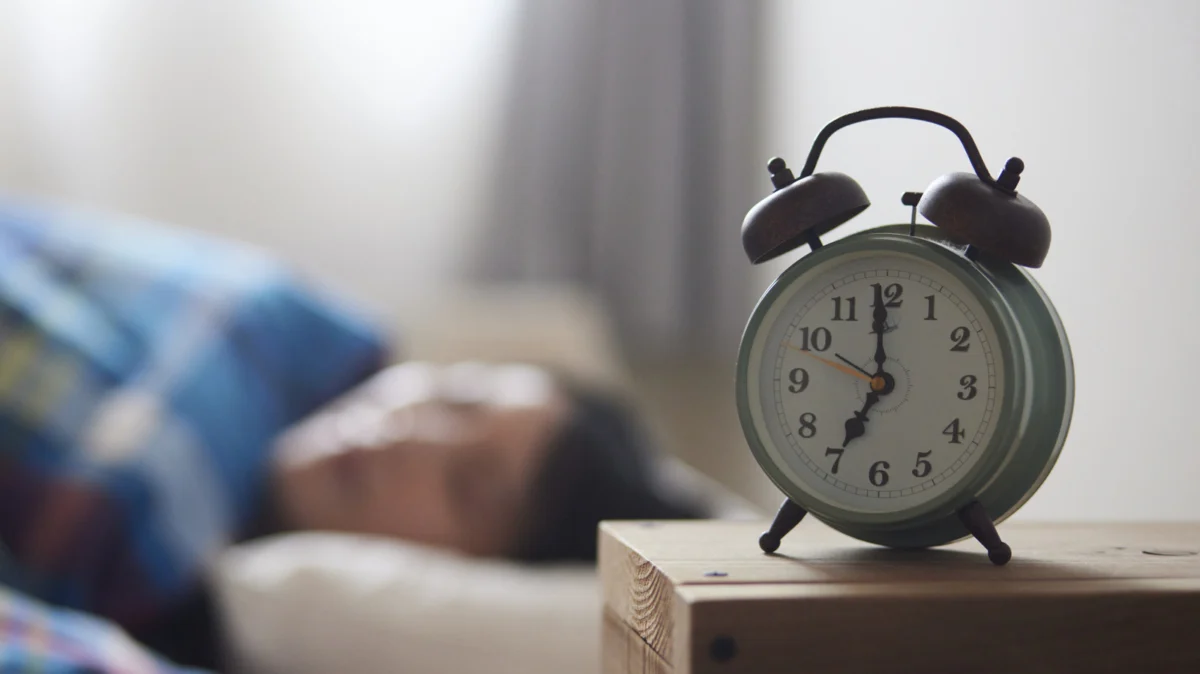
In an era defined by the relentless march of digitalization, where the smartphone has successfully cannibalized the functions of the camera, the map, the music player, and the flashlight, a surprising counter-revolution is taking place. The bedside table, once the exclusive domain of the charging iPhone or Android device, is seeing the return of a dedicated, single-use relic: the physical alarm clock.
While it might be easy to dismiss this as a fleeting hipster trend or a simple exercise in nostalgia, the shift toward analog timekeeping represents a significant paradigm shift in how consumers—particularly Gen Z—view their relationship with technology. This is not merely about the aesthetic of a ticking clock; it is a calculated move toward digital minimalism, driven by a growing body of scientific evidence regarding sleep hygiene and mental well-being.
Main Facts: The Resurgence of Single-Use Devices
The return of the physical alarm clock is part of a broader "analog renaissance." Much like the revival of vinyl records, which outsold CDs for the first time in decades recently, and the sudden popularity of "dumbphones" and point-and-shoot digital cameras from the early 2000s, the alarm clock is being reclaimed as a tool for intentional living.
The core motivation for this shift is the "de-coupling" of the bedroom from the digital world. For over a decade, the smartphone has been the last thing most people touch before sleep and the first thing they touch upon waking. By reintroducing a physical alarm clock, users are effectively banishing the smartphone from the bedroom.
Key drivers of this trend include:
- The War on Blue Light: Growing awareness of how HEV (High-Energy Visible) light disrupts circadian rhythms.
- Notification Fatigue: The desire to end the "always-on" cycle of emails, social media pings, and news alerts.
- Intentionality: A move toward "monotasking" gadgets that do one thing well without the hidden costs of data harvesting or distraction.
Chronology: From the "Dream Machine" to the Smartphone and Back
To understand why the physical alarm clock is returning, we must look at the trajectory of bedside technology over the last four decades.
The Golden Age of Analog (1980s – Early 2000s)
For decades, the digital alarm clock—typified by the red LED glow of the Sony Dream Machine or the classic twin-bell mechanical clock—was a staple of every household. These devices were reliable, simple, and had no secondary purpose. Their only job was to tell the time and wake the sleeper.
The Great Convergence (2007 – 2015)
With the launch of the iPhone in 2007 and the subsequent explosion of the Android ecosystem, the "convergence" era began. Tech companies promised that one device could do everything. By 2012, the dedicated alarm clock was widely considered obsolete. Why buy a separate device when your phone offered customizable alarm tones, weather updates, and a "snooze" button that was easier to hit?
The "Always-On" Crisis (2016 – 2020)
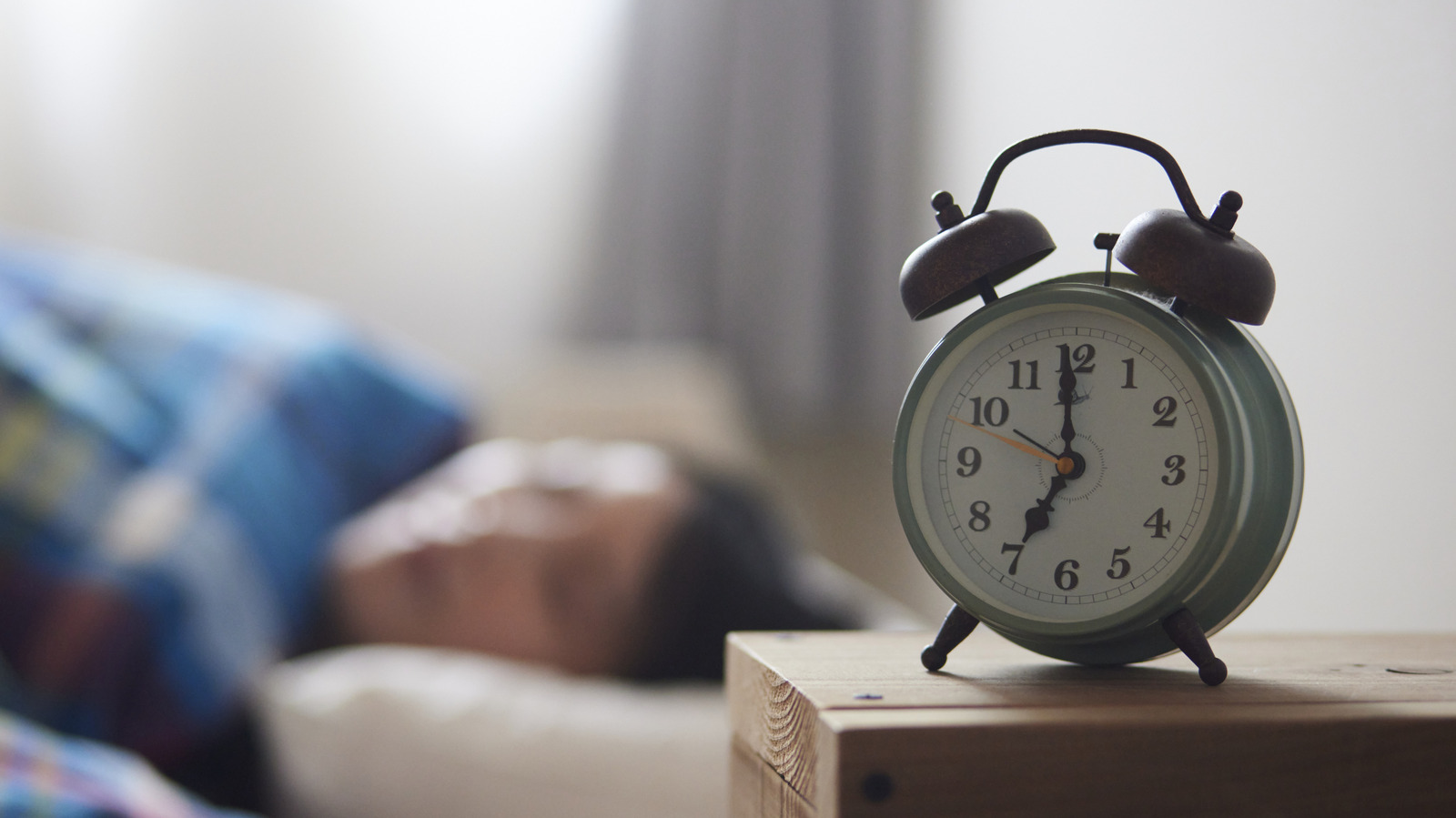
As smartphone penetration reached near-saturation in developed markets, the psychological toll began to manifest. The "bedroom phone" transitioned from a convenience to a source of "doomscrolling." The proximity of the phone led to "revenge bedtime procrastination," where users stay up late scrolling through feeds to reclaim a sense of agency over their day.
The Analog Pivot (2021 – Present)
Post-pandemic, a cultural shift occurred. Burnout reached record highs, and Gen Z, the first generation of digital natives, began to lead the charge in "digital detoxing." Social media platforms like TikTok, ironically, became hubs for sharing "aesthetic" morning routines that featured analog clocks, journals, and a total absence of screens for the first hour of the day.
Supporting Data: The Science of Sleep and Distraction
The movement back to physical clocks is supported by rigorous physiological and psychological data. The primary culprit in the smartphone-sleep crisis is the suppression of melatonin.
The Melatonin Suppression Factor
Research from Harvard Medical School and other sleep institutions has consistently shown that the blue light emitted by smartphone screens mimics daylight. This suppresses the secretion of melatonin, the hormone responsible for regulating sleep-wake cycles. Even a brief check of the time on a smartphone in the middle of the night can "reset" the brain’s internal clock, making it significantly harder to return to deep REM sleep.
The Cortisol Spike
Beyond the light, the content of the phone is biologically disruptive. A notification is not just a sound; it is a trigger for the sympathetic nervous system. Seeing a work email or a stressful news headline at 11:00 PM triggers a cortisol spike—the "fight or flight" hormone. A physical alarm clock, by contrast, provides information (the time) without the emotional or cognitive load of a connected device.
The "Check-Loop" Phenomenon
Psychological studies on "intermittent reinforcement" explain why we struggle to put phones down. The smartphone is essentially a slot machine; every time we check it, we might receive a "reward" (a like, a message, an interesting video). Physical clocks offer no such dopamine hits, allowing the brain to remain in a low-arousal state conducive to rest.
Official Responses: What the Experts and Industry Are Saying
Sleep experts and tech analysts have begun to weigh in on the necessity of "analog boundaries."
Dr. Rebecca Robbins, a sleep scientist and co-author of Sleep for Success!, has frequently advocated for "tech-free zones" in the home. "The bedroom should be a sanctuary for sleep and intimacy only," Robbins notes in various health forums. "When we bring the phone into the bedroom, we bring the office, the news, and the stressors of the outside world into our most private space."
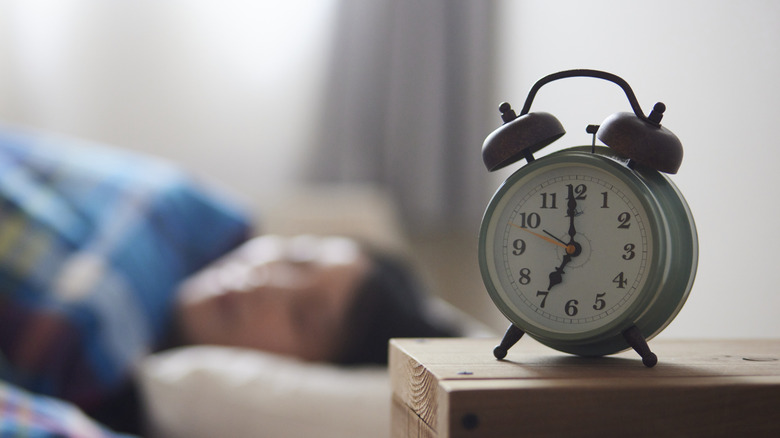
The Tech Industry’s Pivot: Interestingly, the tech industry itself is responding to this "anti-tech" trend. Companies like Loftie and Hatch have created a new category of "smart" alarm clocks. These devices are designed to look and feel like high-end analog objects but include features like guided meditations, white noise, and "two-stage" alarms that wake users gently with light rather than jarring sound. They are intentionally designed without browsers or social media apps, acknowledging that the modern consumer wants the convenience of tech without the toxicity of the "attention economy."
Market Trends: Retailers have noted a significant uptick in the sale of traditional mechanical and basic digital clocks. In a 2023 retail report, several lifestyle brands noted that "analog home goods" were among the fastest-growing categories for consumers aged 18-25, who view these items as "wellness tools" rather than "old tech."
Implications: The Future of the Bedroom Sanctuary
The return of the physical alarm clock is a bellwether for a larger movement toward "Human-Centric Design." It suggests that we have reached "Peak Screen" and are beginning to retreat toward more tactile, restricted, and purposeful interactions with our environment.
1. The Redefinition of Productivity
For years, productivity was synonymous with being "connected." The shift to physical clocks suggests a new definition: productivity through recovery. By protecting sleep, individuals are finding they have more cognitive bandwidth during the day, effectively using a "dumb" device to become smarter workers.
2. The Aesthetic of the Nightstand
The nightstand has become a focal point of interior design and "self-care" branding. The physical clock is now a statement piece—a signal to oneself and others that one values mental health over constant connectivity. This has birthed a new market for "mid-century modern" and "minimalist" clock designs that prioritize form as much as function.
3. The "Right to Disconnect"
In some European countries, "Right to Disconnect" laws are being implemented to prevent employers from contacting staff outside of work hours. The physical alarm clock is a personal, grassroots version of this law. It is a physical barrier that prevents the "leakage" of professional and social obligations into the hours of rest.
Conclusion: A Small Step for Better Health
The simple act of replacing a smartphone with a physical alarm clock may seem inconsequential in the face of global technological advancement. However, it represents a profound act of rebellion against a digital landscape that demands our attention 24/7.
By returning to a technology that was perfected decades ago, consumers are discovering that "newer" is not always "better," especially when it comes to the biological necessity of sleep. The physical alarm clock is back in style not because we have forgotten how to use our phones, but because we have finally remembered how to value our peace of mind. As we move further into the 2020s, the most sophisticated "life hack" may simply be the one that requires no software updates, no data plan, and most importantly, no screen.



Leave a Comment