
The Architecture of a Bubble: Dissecting the Conflation of Crypto, Blockchain, NFTs, and Play-to-Earn
LONDON — The digital economy is currently navigating a period of unprecedented volatility and speculative fervor, reminiscent of the dot-com era of the late 1990s. At the heart of this "perfect storm" is a complex web of emerging technologies and financial models: cryptocurrencies, blockchain technology, non-fungible tokens (NFTs), and the "play-to-earn" (P2E) gaming paradigm.
While promoters and venture capitalists often present these four areas as a monolithic evolution of the internet—frequently dubbed "Web3"—industry analysts are increasingly warning that the conflation of these distinct sectors is creating a "Ponzi opportunity of epic proportions." By untangling these threads, it becomes clear that while the underlying technologies may hold long-term utility, the current market structure is built on a foundation of speculative enthusiasm and macroeconomic anomalies.
Main Facts: The Four Pillars of the Digital Frontier
To understand the current state of the market, one must first differentiate between the four components that are frequently, and perhaps deceptively, grouped together.
1. Cryptocurrencies as Speculative Assets
Contrary to their name, most cryptocurrencies currently fail the basic tests of a "currency." A functional currency must serve as a reliable means of trade and a stable store of value. As noted by historian Yuval Noah Harari, money is a "shared story"—a human agreement that something inherently valueless carries worth. While traditional fiat currencies are backed by the stability and legal enforcement of sovereign governments, cryptocurrencies rely on a collective belief in a decentralized protocol.
The primary issue is a triple contradiction: promoters claim cryptocurrencies are simultaneously a means of trade, an appreciating asset, and a store of value. Economically, these traits are mutually exclusive. If an asset is expected to triple in value, holders will hoard it rather than spend it, thus failing as a means of trade. Conversely, if its value is highly volatile, it cannot serve as a store of value for basic needs like mortgages or salaries.
2. Blockchain: The Trust Paradox
The blockchain is the ledger technology underpinning this entire ecosystem. It is a distributed, immutable record of transactions designed to eliminate the need for centralized intermediaries like banks. However, critics like security expert Bruce Schneier argue that blockchain does not eliminate the need for trust; it merely shifts it. Instead of trusting a regulated institution, users must trust the absolute integrity of the code, the protocols, and their own ability to manage cryptographic keys. In this "ultimate free market," a single bug or lost password results in the permanent loss of assets with no legal recourse.

3. Non-Fungible Tokens (NFTs) and the Ownership Illusion
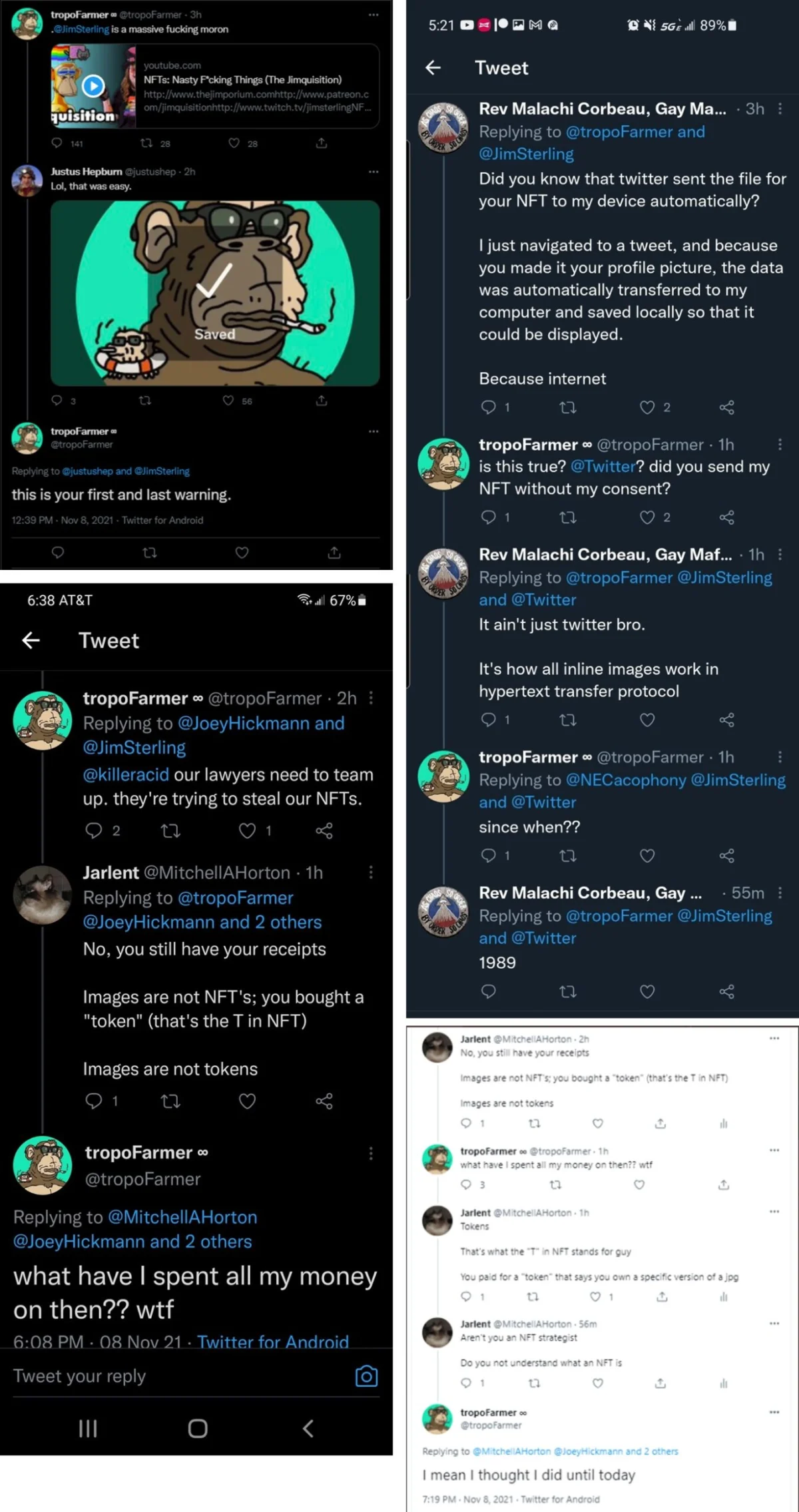
NFTs represent a digital certificate of ownership for a specific asset, recorded on the blockchain. While often marketed as a revolution in digital property rights, the legal reality is far more precarious. Ownership of an NFT does not inherently grant copyright or the power to prevent others from viewing or copying the digital file. Without a robust legal and regulatory framework to enforce these "rights," the value of an NFT is often limited to what the next buyer is willing to pay.
4. Play-to-Earn (P2E): The Monetization of Leisure
The P2E model suggests that players should be financially compensated for the time and "labor" they invest in a game’s ecosystem. While this appeals to the "creator economy" ethos, it risks triggering the "Overjustification Effect"—a psychological phenomenon where external financial rewards diminish intrinsic enjoyment. When "play" becomes "work," the fundamental appeal of gaming as a leisure activity is compromised.
Chronology: From Niche Experiment to Global Bubble
The trajectory of this bubble has been accelerated by a specific set of historical and macroeconomic conditions.
- 2000–2009: Post-Dot-Com Recovery and the Birth of Bitcoin: Following the burst of the dot-com bubble, the search for alternative financial systems began. In 2009, Satoshi Nakamoto released Bitcoin, initially viewed as a niche experiment for cypherpunks.
- 2011: The Starcraft Milestone: A notable early indicator of crypto’s potential for astronomical returns occurred during a 2011 Starcraft 2 competition. While the winner received $500, players in the 5th through 8th positions were awarded 25 Bitcoins each. At the time, those 25 Bitcoins were worth approximately $25; today, they represent a fortune of roughly $1.4 million, illustrating the "appreciating asset" trap that has fueled modern speculation.
- 2019–2021: The Pandemic Catalyst: The COVID-19 pandemic created a "perfect storm." Low interest rates, government stimulus, and a lack of traditional spending outlets led to a massive influx of capital into speculative markets. During this period, the term "Web3" gained mainstream traction, and the conflation of the four pillars began in earnest.
- 2021–Present: The NFT Explosion and Gaming Backlash: High-profile sales, such as Beeple’s $69 million NFT, triggered a gold rush. However, as gaming giants like Ubisoft attempted to integrate NFTs into their titles, they met with fierce resistance from a player base skeptical of the "financialization" of their hobby.
Supporting Data: The Economic and Technical Realities
The skepticism surrounding this bubble is rooted in both economic theory and the practicalities of software engineering.
The Interoperability Myth
A core selling point for NFTs in gaming is "interoperability"—the idea that a player can take a "purple lightsaber" from Lego Star Wars and use it in World of Warcraft or Destiny. From a development standpoint, this is virtually impossible. Every game has a unique art style, engine, animation set, and balance requirement. For an item to work across multiple games, dozens of competing corporations would need to invest millions in technical implementation for zero clear financial gain. Currently, service-based games operate as mini-monopolies; there is no commercial incentive for a developer to allow assets purchased elsewhere to be used in their ecosystem.
The Inflationary Pressure of Play-to-Earn
For a P2E economy to be sustainable, there must be a constant influx of new players or "sinks" where currency is removed from the system. If every player is "earning," the value of the in-game currency inevitably faces hyperinflation unless there is a group of players willing to be "net spenders" purely for the sake of fun. Without the "fun" element, P2E games resemble "digital sweatshops" rather than sustainable economies.

Inflation and Risk
Basic economic theory dictates that higher risk requires higher returns. Storing wealth in Bitcoin is not comparable to storing it in gold. Gold has a 5,000-year history as a physical commodity with industrial uses and a clear role as a "hedge." Cryptocurrencies, by contrast, are highly correlated with the tech stock market and offer no tangible utility outside of their own ecosystem, making them a high-risk speculative asset rather than a "safe haven."
Official Responses and Industry Perspective
The gaming and financial sectors remain deeply divided on the future of Web3.
- The Proponents: Companies like Ubisoft and Square Enix have expressed long-term commitment to blockchain, arguing that it empowers players through "true ownership." They view the current backlash as a misunderstanding of a nascent technology.
- The Skeptics: Valve, the operator of the world’s largest PC gaming platform, Steam, banned all games that utilize blockchain or NFTs in 2021, citing concerns over fraud and the unregulated nature of the market.
- Regulatory Warnings: Financial authorities, including the SEC in the United States and the FCA in the UK, have repeatedly warned investors that the crypto market is "the Wild West." They emphasize that the lack of consumer protection means investors should be prepared to lose all their money.
Implications: The Road Ahead
The untangling of these four areas reveals a sobering reality. If cryptocurrencies cannot stabilize, they will never become true currencies. If the blockchain cannot provide a more efficient solution than a traditional database, its adoption will remain limited to niche applications. If NFTs cannot offer enforceable legal rights, they will remain speculative tokens. And if "play-to-earn" ruins the joy of gaming, it will alienate the very audience it seeks to capture.
The most likely outcome is a significant market correction—a "bursting of the bubble"—that will separate legitimate technological innovations from the "confection of ideas" promoted by shysters. Much like the dot-com crash of 2000 paved the way for the actual utility of the internet (Amazon, Google, etc.), a "crypto winter" may eventually reveal which of these technologies holds true value.
For now, the industry remains at a crossroads. Developers and investors must decide whether they are building the future of digital interaction or simply participating in a high-tech shell game. As Jeremy Irons’ character John Tuld famously said in the film Margin Call: "I’m here to guess what the music might do a week, a month, a year from now. That’s it. And standing here tonight, I’m afraid that I don’t hear a thing."

Leave a Comment