The Architecture of Absurdity: Inside the Playfully Grotesque World of Brad Neely
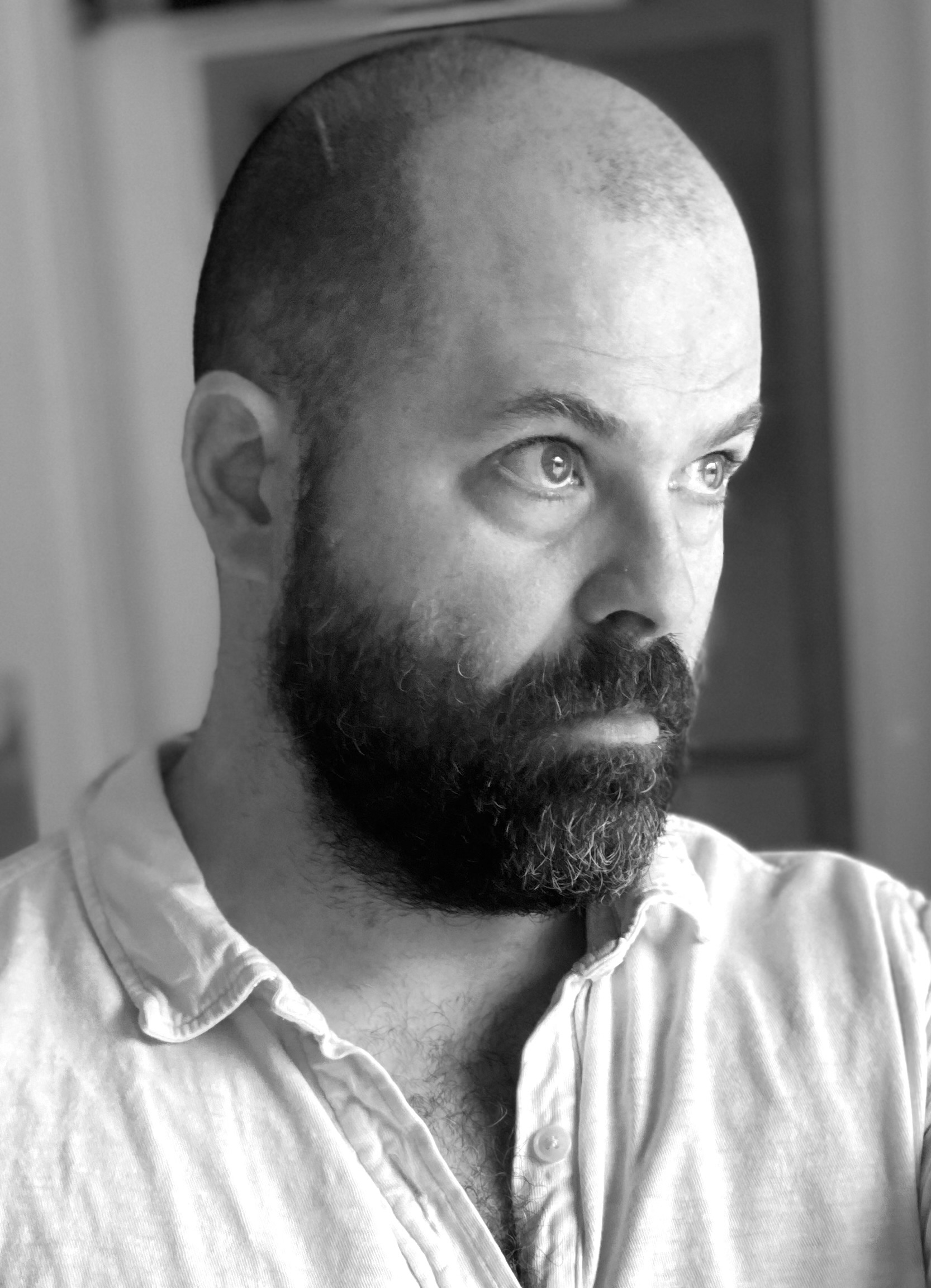
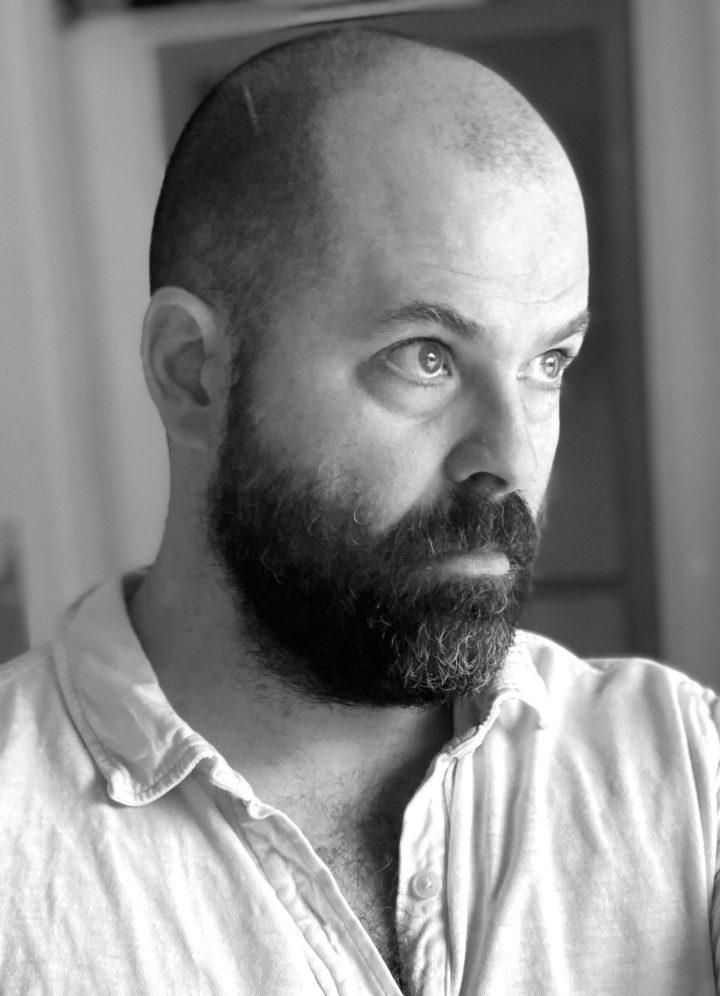
Brad Neely is a polymath of the strange. As a cartoonist, writer, composer, voice actor, and producer, he has spent decades constructing a creative universe that is as intellectually dense as it is viscerally ridiculous. From the cult-classic reimagining of Harry Potter in Wizard People, Dear Reader to the frantic, academic surrealism of Adult Swim’s China, IL, Neely’s work has always occupied a singular space in the American zeitgeist.
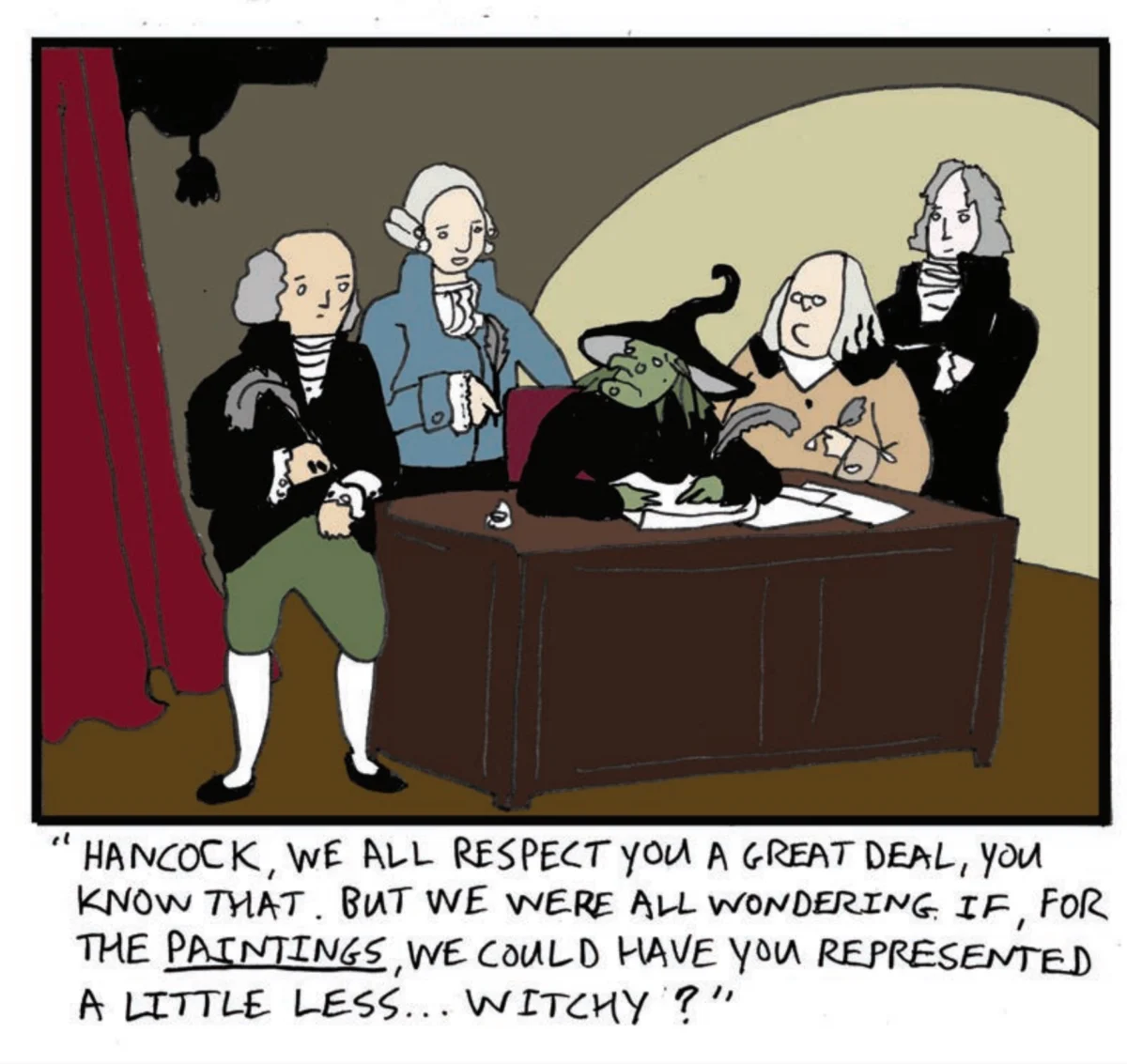
His latest release, Creased Comics (NYRC, 2026), serves as a career-spanning manifesto of his aesthetic: a collection of gags that feel as ancient as humanity itself, yet as modern as a frantic text message sent in the middle of a fever dream. This article explores the evolution of Neely’s "playfully grotesque" outlook, the technical rigor behind his seemingly "junky" style, and the philosophical underpinnings of a man who views the human condition as a "long, long fall" punctuated by hilarious obstacles.
Main Facts: The Philosophy of the "Crease"
The release of Creased Comics marks a significant milestone for Neely, transitioning his long-running zine-style aesthetic into a prestigious archival format. Published by New York Review Comics, the book is intentionally devoid of page numbers—a choice Neely defends as a move toward non-linear consumption. To Neely, the book is a "flip to any page" experience, rejecting the sequential rigidity that often defines the medium.
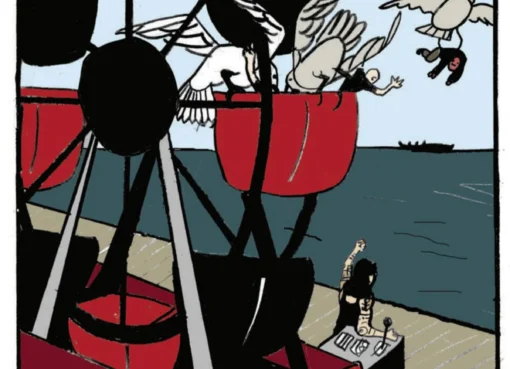
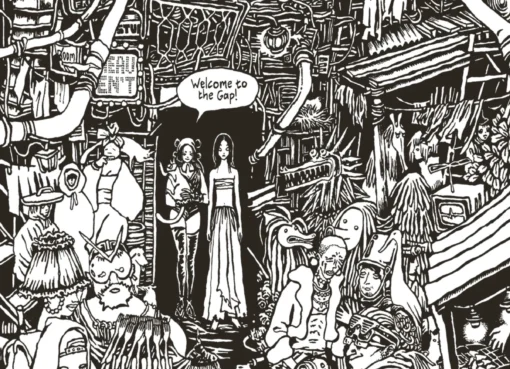
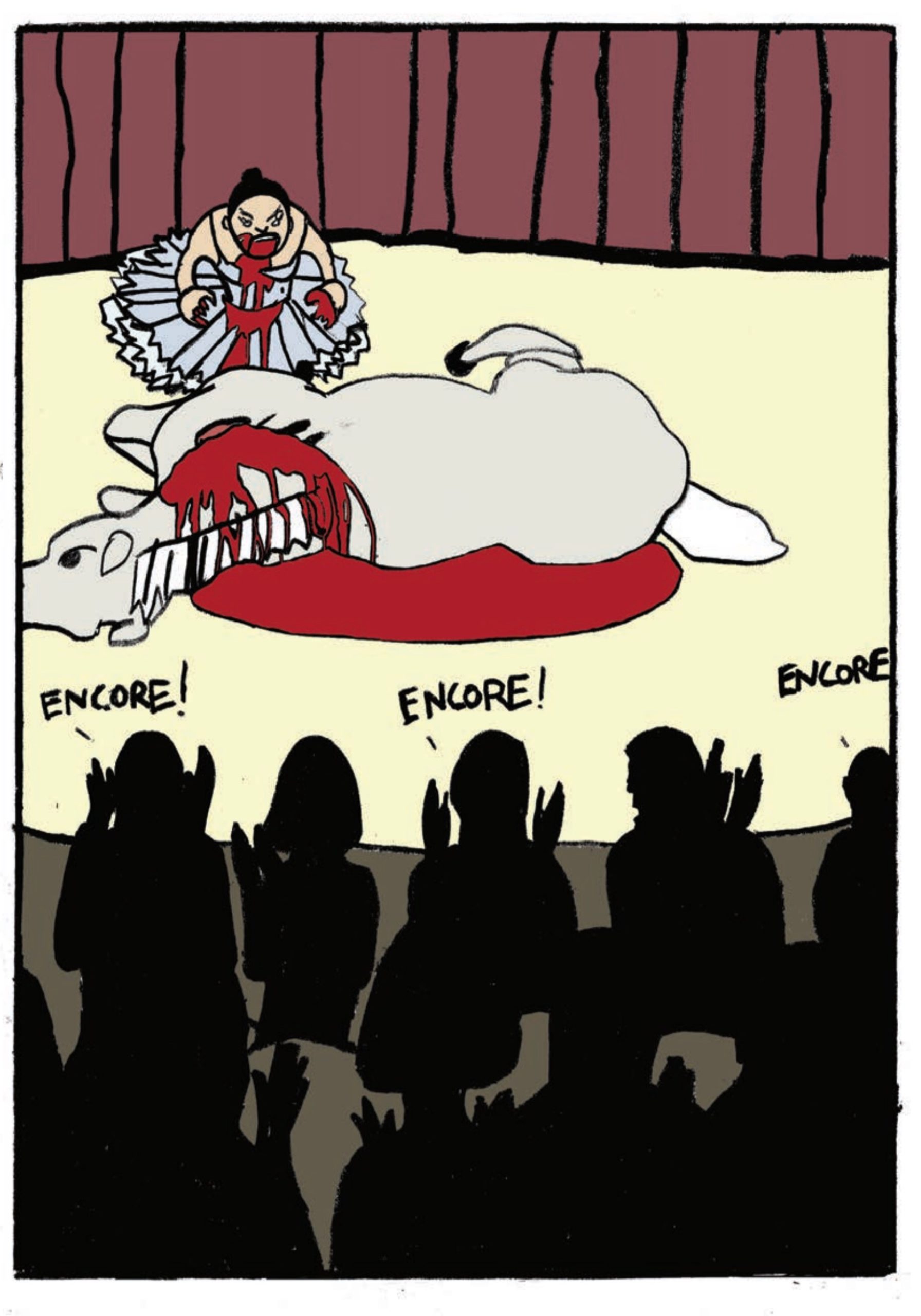
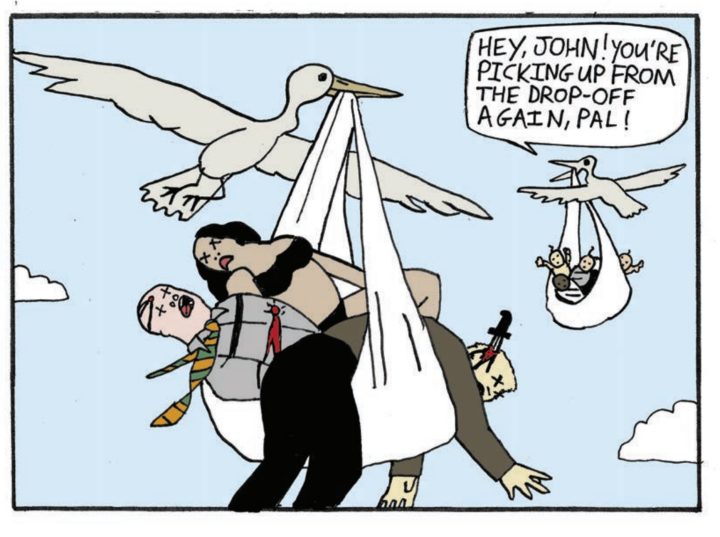
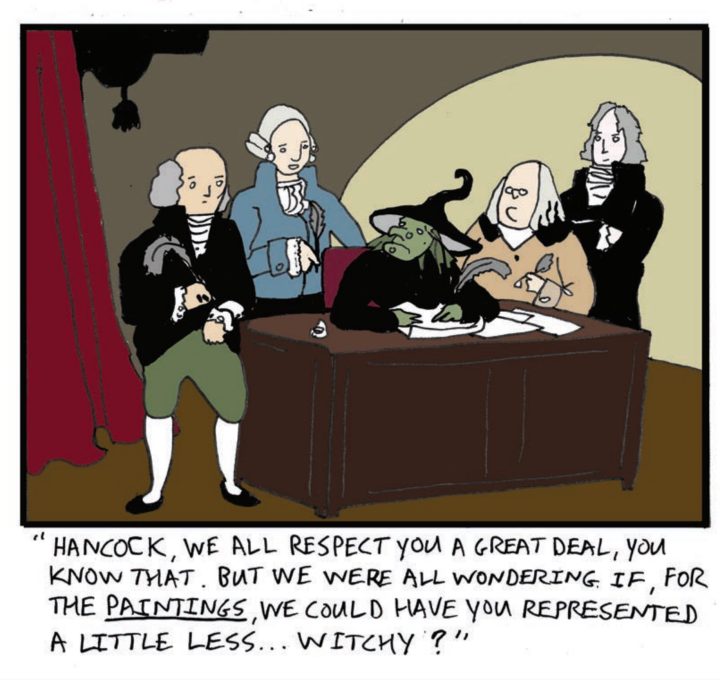
The content of Creased Comics is characterized by what critics describe as "purposeful drawings." Unlike many gag cartoonists who simplify anatomy for the sake of a punchline, Neely’s figures are fully realized. He refuses to "skimp" on hands or feet, drawing legs that "go all the way down" against a backdrop of writing that leans closer to poetry than prose. This juxtaposition—high-level anatomical awareness paired with absurd, often brutal humor—creates a friction that Neely calls "philosophical terror."
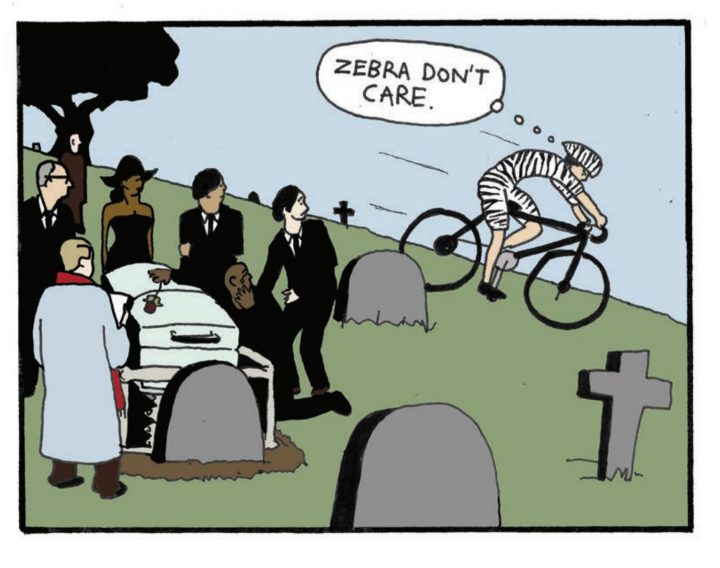
Neely’s work thrives on the "glimmer of humanity’s pain, vanity, grace, and irrationality." He seeks the universal comedy that has existed since the dawn of time, specifically the kind of slapstick humor where a character’s dignity is stripped away by the sheer randomness of existence. It is work that acknowledges the "oncoming chilling embrace" of mortality but offers a warm, absurd blanket to soften the blow.
Chronology: From Arkansas Waiter to Animation Icon
The trajectory of Brad Neely’s career is a study in how "fine art" sensibilities can be successfully smuggled into mass-media comedy.
The Early Years and Fine Art Aspirations
Born and raised in Arkansas, Neely’s early creative life was shaped by a blend of high and low culture. He spent his youth copying X-Men and Incredible Hulk panels side-by-side with classical works. His formal education took him to the Philadelphia Academy of Fine Art, an "old masters" school where he focused on life drawing and representational art. This period instilled in him a reverence for the human figure—a foundation that remains evident in his cartoons today.
The Austin Feedback Loop
In his early 20s, Neely moved to Austin, Texas, where the first iterations of Creased Comics were born. These were originally self-published zines, photocopied and stapled by hand. Neely describes this era as a "private self-expression mode." He would test his drawings on friends during binge-drinking sessions, observing which gags landed and which failed. This "community-driven" editing process helped him find the "unmistakable voice" that would eventually lead him to professional animation.
The Digital and Television Breakthrough
Neely’s transition to the digital space via Super Deluxe allowed for a rapid-fire production schedule. He would "crank out" animated shorts in two-week bursts, receiving immediate feedback from a burgeoning online audience. This led to his long-standing relationship with Adult Swim, where he created China, IL and Harg Nallin’ Sclopio Peepio. During this time, he transitioned from a solo artist to a "team player," learning the "team sport" of television where "clarity is king."
The Lockdown and the Novelist
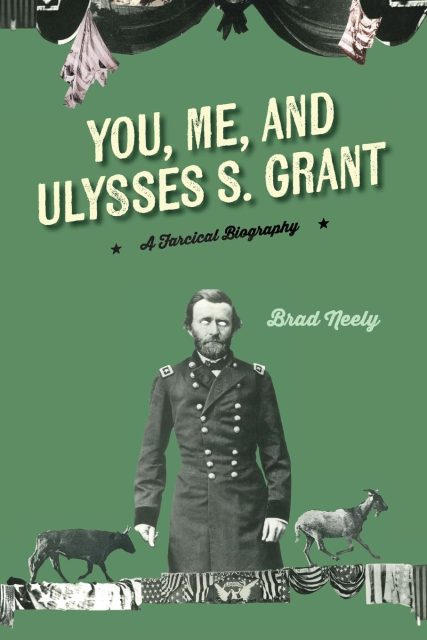
During the COVID-19 pandemic, Neely retreated into a solo mode once again. Working out of an abandoned Titmouse Animation building in Burbank, he recorded an 11-hour audiobook for his novel, You, Me, and Ulysses S. Grant. This period reinforced his ability to work in isolation, managing dozens of "buckets" of creative projects simultaneously.
Supporting Data: The Artistic Blueprint
Neely’s aesthetic is not accidental; it is a calculated set of rules designed to communicate specific emotional states.
The "Little Orphan Annie" Eyes
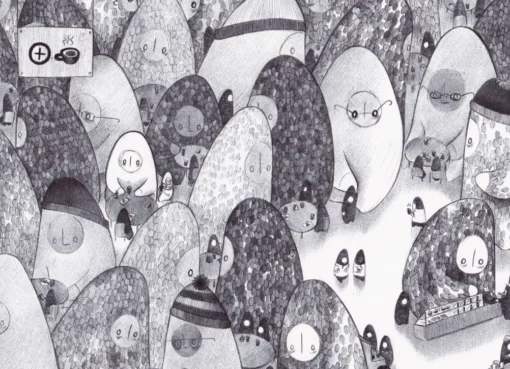
One of the most distinctive features of Neely’s style is the lack of pupils in his characters’ eyes. While television animation usually requires pupils to establish sightlines and direction, Neely prefers the "blank eye" for his personal work. He cites the influence of Little Orphan Annie and Tony Millionaire, noting that "usually the eyebrow and the direction of the head is all you need." For Neely, this choice is also about speed—allowing him to capture the "life" of a figure before the initial spark of an idea fades.
Anatomical Rigor
Despite the "brutal" and "junky" look of Creased Comics, Neely maintains a high standard for anatomical accuracy. He believes that "knowing your way around a human body" is essential for the viewer’s subconscious to relax. If a hand is held "weirdly" while holding a smartphone, the illusion of reality is broken. By nailing the life drawing "with a gun to your head" (speed), Neely ensures that the absurdity feels grounded in a recognizable human reality.
The Role of Animals
Animals, particularly horses and crows, frequent Neely’s work. He views humans as just another member of the animal kingdom, often finding the "mysterious" and "statuesque" nature of horses to be a perfect foil for human irrationality. His personal experiences—from a "primordial" horse encounter as a child to a "grueling" horseback ride near the Hollywood sign—inform the "cursed" and comical way he depicts these creatures.
Official Responses: Neely on the Creative Process
In recent discussions regarding his work and the release of Creased Comics, Neely has offered profound insights into why he continues to produce such "irreverent" art.
On Joy vs. Satisfaction:
Neely famously distinguishes between the two. "I don’t think I’ve ever drawn out of joy," he admits. "Eating a piece of candy feels joyous… but I’ve always seen drawing as work." For Neely, the creative act is about "relief"—the desperate need to get an idea out of his head so it stops "burning a hole" in his mind. The satisfaction comes from the completion of the task and the "painful thrill" of seeing if a delicate thought successfully communicates to another person.
On the "Team Sport" of Television:
Neely likens television production to basketball. "There are rules: you are successful if the ball goes in the hoop." He acknowledges that he was a "slow learner" in this regard, initially fighting for individual rights in a medium that demands collaboration. He has now bifurcated his life: TV is for the audience and clarity; Creased Comics is where he "lets his freak flag fly."
On the Anthropological View:
Neely strives for a "Martian eye view" of the species. He avoids the "trap" of topical comedy, instead looking for fundamental, timeless situations. "I think that there’s much comedy to be had from that removed place because everything is absurd beyond just trying to stay comfortable and being kind to one another."
Implications: The Legacy of Timeless Absurdism
The release of Creased Comics and Neely’s continued output suggest a shifting role for the independent cartoonist in the digital age. As culture becomes increasingly fragmented and "topical," Neely’s insistence on the "timeless universal" offers a rare form of artistic stability.
The Persistence of the Individual
Neely’s career demonstrates that an "unmistakable voice" can survive the transition from hand-stapled zines to multi-million dollar television contracts without losing its edge. His work suggests that there is a permanent market for "philosophical terror"—the shared realization that life is a chaotic, uncontrollable, and ultimately terminal experience that is best handled with a laugh.
Art as a "Free Space"
Perhaps the most significant implication of Neely’s philosophy is his view of the arts as a "free space" for the vulnerable. He encourages a rejection of market demands in favor of authentic self-expression. Whether it is a "hobby" or a "career," Neely posits that the act of sharing what one "otherwise can’t in life" is the ultimate purpose of creativity.
The New Standard of Gag Comics
By combining the technical standards of the Philadelphia Academy of Fine Art with the "punk" irreverence of the Austin zine scene, Neely has set a new bar for what the "gag comic" can achieve. It is no longer just about the punchline; it is about the "poetry of the line" and the "bouncy sound" of the dialogue. Brad Neely’s work reminds us that while we cannot make everyone happy, we can, through the "accidental" joy of art, make the "oncoming chilling embrace" of the world a little more bearable.