Classical Art Meets Social Media: The Digital Renaissance of Untitled.Save
The silent corridors of the Louvre and the Uffizi have long been the hallowed grounds of the "High Arts," spaces where the gaze is reverent and the subjects are frozen in centuries of oil and tempera. However, in the palm of our hands, a different kind of gallery has emerged: the infinite scroll of Instagram and TikTok. Here, the "influencer" is the new deity, and the "selfie" is the contemporary portrait.
Bridging these two seemingly disparate worlds is a digital collage artist from Porto, Portugal, known as Untitled.Save. By reimagining history’s most iconic artworks through a contemporary, social-media-driven lens, the artist is not merely updating old paintings; they are conducting a profound sociological experiment on the nature of beauty, fame, and the evolution of the human image.
Main Facts: Recontextualizing the Masters
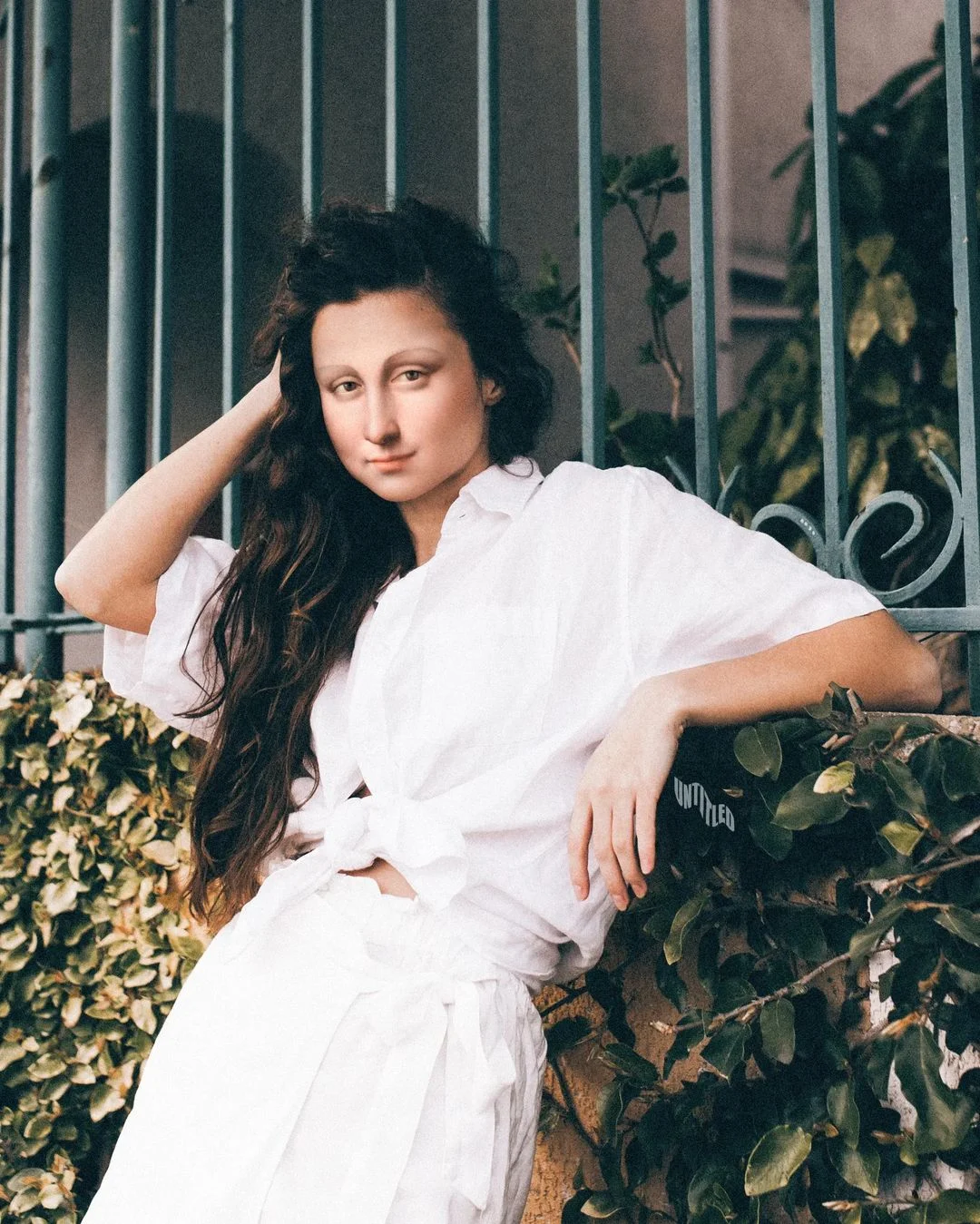
Untitled.Save has gained international attention for a series of works that transplant classical subjects—ranging from Botticelli’s Venus to Leonardo’s Mona Lisa—into the high-gloss world of modern digital influence. The project, often referred to as a "Digital Renaissance," utilizes digital collage techniques to dress these historical figures in designer streetwear, place them in luxury travel locales, and equip them with the ubiquitous tools of the 21st century: smartphones, ring lights, and designer accessories.
The artist’s work operates on a principle of aesthetic synthesis. It is not a crude "copy-paste" job but a meticulous reconstruction of lighting, texture, and posture. When we see Frida Kahlo posing with the curated nonchalance of a lifestyle blogger, or Salvador Dalí styled as a high-fashion provocateur, we are forced to confront how little—and how much—the mechanics of self-presentation have changed over half a millennium.

Key Artworks and Their Modern Iterations
- Venus as an Influencer: Botticelli’s goddess of love is no longer emerging from a sea shell; she is emerging from a luxury boutique, her flowing hair perfectly styled for a "Get Ready With Me" (GRWM) video.
- The Mona Lisa’s Lifestyle Blog: The world’s most famous enigmatic smile is re-interpreted as the subtle "smize" of a travel influencer, perhaps capturing a moment at a rooftop bar in Lisbon or Paris.
- Frida Kahlo’s Digital Diary: Known for her raw and honest self-portraits, Kahlo is reimagined as the ultimate "Selfie Queen," using the digital medium to explore identity just as she once used the canvas.
Chronology: From Product Design to Digital Provocation
The trajectory of Untitled.Save is as eclectic as the art itself. Understanding the artist’s background provides a roadmap for how these digital collages evolved from mere hobbyism into a significant cultural commentary.
The Formative Years
Untitled.Save’s journey began not in a traditional fine arts academy, but in the practical world of aesthetics and structure. The artist initially attended a hairdressing course, a field that demands an intimate understanding of human symmetry and the "sculpting" of personal appearance. This was followed by a degree in Product Design, which instilled a disciplined approach to how objects—and people—interact with their environments.
The Shift to Digital Collage
The transition to digital collage was a natural evolution of these disciplines. Product design teaches one how to manipulate form and function; digital art allows that manipulation to occur without the constraints of physics. Living and working in Porto, a city defined by its blend of ancient architecture and modern vibrant energy, the artist began experimenting with the "Untitled.Save" persona. The name itself is a nod to the digital workflow—the precarious moment before a creation is finalized, a state of perpetual potential.
International Recognition
While the artist’s dream remains to hold a major exhibition in their home country of Portugal, their work first found fertile ground abroad. The digital nature of the medium allowed Untitled.Save to bypass traditional gatekeepers, reaching a global audience through the very social media platforms the art seeks to critique. Today, the artist is recognized as a leading voice in the "Surrealist Digital" movement, blending the absurdist traditions of Dalí with the sleekness of modern tech culture.

Supporting Data: The Semiotics of the "Like"
To understand why Untitled.Save’s work resonates, one must look at the data of modern human behavior. According to recent digital trend reports, the average social media user spends over two hours a day consuming curated imagery. The "Influencer" has become a standardized archetype, characterized by specific visual cues: high-key lighting, "candid" yet staged poses, and the display of aspirational commodities.
Untitled.Save utilizes these cues to create a sense of "cognitive dissonance." When the brain recognizes a 500-year-old face (the Mona Lisa) but the eyes see a modern setting (a smartphone and a designer jacket), it triggers a deeper level of engagement than a standard image would.
The Evolution of the Gaze
In art history, the "gaze" was often one-directional—the viewer looked at the subject. In the influencer era, the gaze is transactional. The subject looks at the camera, inviting the viewer to "like," "share," and "follow." Untitled.Save captures this shift perfectly. By giving classical subjects smartphones, the artist closes the loop of the gaze. The subjects are no longer passive icons; they are active participants in the "Attention Economy."
Official Response: An Interview with Untitled.Save
In an exclusive dialogue, the artist behind the "Untitled.Save" moniker provided insight into the philosophy, influences, and internal contradictions that drive their creative process.

On Aspirations and Background:
The artist reveals a grounded beginning, noting that as a child, they dreamt of being a cyclist—a pursuit of momentum and balance. Their formal training in Product Design and hairdressing remains the backbone of their work. "It’s about how things fit together," the artist notes.
On the Creative Impulse:
When asked which piece they are most proud of, the answer is a classic artistic refrain: "The one I’m yet to create." This speaks to a restless search for perfection in a medium that is inherently ephemeral. Despite the digital nature of their work, the artist admits to a very human struggle with procrastination, citing the advice "Don’t put off until tomorrow what you can do today" as the best they’ve received—and the most difficult to follow.
On AI and the Future of Art:
In an era where Generative AI is transforming the visual landscape, Untitled.Save remains a cautious observer. "I’m paying close attention to AI developments," they state. "I’ve tried it, but I haven’t yet found a personal identity in it, which is why I’ve never published anything [created by AI]." This distinction is vital; while the artist uses digital tools, the "soul" of the collage remains a product of human curation and manual digital manipulation.
On Influences and Heroes:
The artist’s influences are a mix of the surreal and the gritty. Salvador Dalí is a primary inspiration, alongside Portuguese musician Rui Reininho. However, their social conscience is directed toward figures like the French street artist JR and the Ukrainian artist Iryna Maksymova, who continues to create art amidst the darkness of war. "She brings a little light to the world," the artist remarks.

On the Human Condition:
The philosophical core of Untitled.Save’s work can be summed up in one of their ponderings: "How can the human race be so beautiful and twisted at the same time?" This duality is present in every collage—the beauty of the classical form twisted by the often-vapid requirements of modern fame.
Implications: The Democratization and Commodification of Art
The work of Untitled.Save carries significant implications for how we perceive art history in the digital age.
1. The Death of the "High-Low" Divide
For decades, "High Art" (museum-grade) and "Low Art" (pop culture/advertising) were kept in separate silos. Untitled.Save obliterates this boundary. By placing a Renaissance figure in a "Low Art" context (an Instagram post), the artist suggests that the impulse to be seen and admired is a universal human constant, regardless of the century.
2. Art as a Mirror to the Self
If the Mona Lisa were alive today, would she really be an influencer? The artist suggests the answer is likely yes. This forces the viewer to look at their own digital footprint. Are we all, in a sense, trying to paint our own "Masterpieces" every time we post a photo? The collages act as a mirror, reflecting our obsession with status and self-curation.

3. The Role of Anonymity
The artist’s desire to collaborate with Banksy due to the "anonymity of that collaboration" highlights a growing trend among digital creators. In a world where everyone is trying to be a "brand," there is a counter-cultural power in remaining "Untitled." By hiding behind a pseudonym, the artist allows the work to speak for itself, standing in stark contrast to the influencer culture they depict.
4. The Future of the Gallery
Untitled.Save’s dream of an exhibition in Portugal points to the eventual return of digital art to physical spaces. As digital collages become more sophisticated, the "Digital Renaissance" will likely move from the smartphone screen back to the gallery wall, completing the circle of art history.
Conclusion
Untitled.Save is more than a digital artist; they are a chronicler of our times. By using the ghosts of the past to haunt the platforms of the present, they remind us that while our technology has changed, our desire for beauty, recognition, and "the perfect shot" is timeless. As we scroll through their gallery of influencer-saints and blogger-goddesses, we are reminded that in the digital age, we are all both the artist and the subject, forever trying to "save" our own untitled lives.