
The Architecture of an Empire: Inside the Expansive ‘Sheridan-verse’ and the Evolution of Modern Television
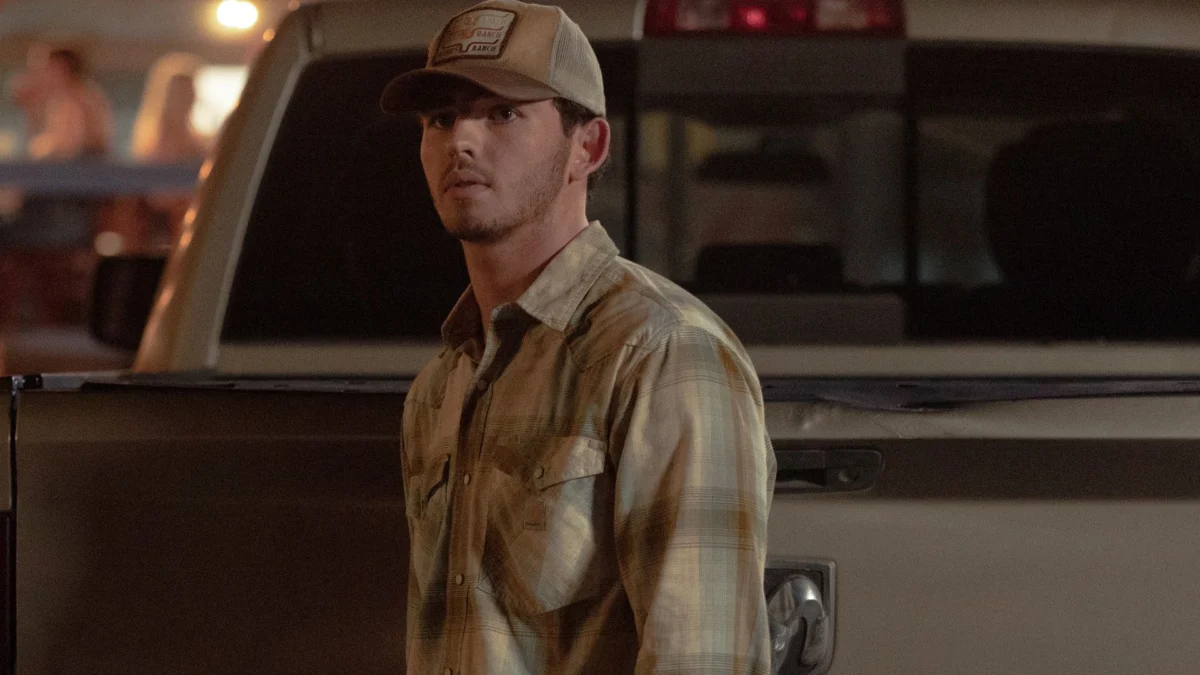
In the current landscape of peak television, few names carry as much weight—or as much land—as Taylor Sheridan. What began as a gritty neo-Western drama about a Montana ranching family has metastasized into a multi-billion-dollar media empire colloquially known as the "Sheridan-verse." From the blood-soaked soil of the Yellowstone Dutton Ranch to the decaying prison corridors of Kingstown, Michigan, Sheridan’s narratives have redefined the "Dad-core" aesthetic, turning traditional genre tropes into prestige gold for Paramount Global.
The cultural footprint of this universe is so significant that it has spawned a dedicated subculture of trivia, fan theories, and tourism. To understand the phenomenon is to understand a specific brand of American storytelling: one that prioritizes rugged individualism, the weight of legacy, and the brutal cost of protecting one’s own.
Main Facts: The Pillars of the Dutton Dynasty
At the heart of this empire lies Yellowstone, a series that debuted in 2018 and steadily climbed the ratings ladder to become the most-watched show on cable television. The narrative centers on the Yellowstone Dutton Ranch, the largest contiguous cattle ranch in the United States. Located in the picturesque but unforgiving wilderness of Montana, the ranch serves as the primary stage for a Shakespearean struggle over land, power, and heritage.
The patriarch of this dynasty, John Dutton, was portrayed for five seasons by Oscar-winner Kevin Costner. Costner’s involvement was instrumental in the show’s early success, lending the character a quiet, weathered intensity that anchored the high-stakes drama. However, the Sheridan-verse is not merely a single-character study. It is a sprawling web of loyalty and betrayal, characterized by the "Y" brand—a hot-iron mark seared into the chests of the ranch’s most loyal hands. This brand signifies a blood oath: once you are branded, you belong to the ranch for life, and the only way out is "the train station"—a euphemism for a remote cliffside where the family disposes of its enemies.
Beyond the flagship series, the universe has expanded into historical epics. 1883 tells the origin story of the Duttons’ arrival in Montana, following James Dutton (Tim McGraw) as he leads a wagon train across the perilous Oregon Trail. 1923 picks up the mantle during the era of Prohibition and the Great Depression, starring Hollywood royalty Harrison Ford and Helen Mirren as Jacob and Cara Dutton.
Chronology: From Scriptwriter to Sovereign
The timeline of the Sheridan-verse’s creation is a testament to Taylor Sheridan’s rapid ascent in Hollywood. A former actor known for his role on Sons of Anarchy, Sheridan pivoted to screenwriting with the critically acclaimed Sicario (2015) and Hell or High Water (2016).
- 2018: Yellowstone premieres on the Paramount Network. Initially met with mixed critical reviews, it finds a massive, underserved audience in middle America.
- 2021: The universe begins its rapid expansion. Mayor of Kingstown, starring Jeremy Renner, moves the action from the ranch to the fictional, prison-dense town of Kingstown, Michigan. Simultaneously, 1883 launches on Paramount+, proving that the audience is willing to follow the Dutton name back in time.
- 2022: Tulsa King introduces Sylvester Stallone to the fold as a Mafia capo exiled to Oklahoma, further diversifying the "Sheridan-verse" into the crime genre.
- 2023: 1923 debuts, bringing the highest level of star power yet to the franchise with Ford and Mirren.
- 2024: Amidst high-profile production delays and the public exit of Kevin Costner, the franchise enters a transitional phase, with the final episodes of Yellowstone (Season 5B) slated to conclude the primary John Dutton arc while spinning off new ventures like 6666 and The Madison.
Supporting Data: The "Yellowstone Effect" and Market Dominance
The success of the Sheridan-verse is quantifiable through both viewership metrics and real-world economic shifts. According to Nielsen data, the Season 5 premiere of Yellowstone garnered over 12 million viewers, a figure nearly unheard of in the fragmented era of streaming.
The "Yellowstone Effect" has also been documented in the Montana real estate market. Since the show’s debut, interest in "lifestyle ranches" has skyrocketed. Data from the University of Montana’s Bureau of Business and Economic Research suggests that the show has been a significant driver of tourism, responsible for millions of dollars in annual spending within the state. The Chief Joseph Ranch in Darby, Montana—which serves as the filming location for the Dutton homestead—has become a pilgrimage site for fans, with bookings for its guest cabins filled years in advance.
Furthermore, the franchise’s impact on Paramount+ cannot be overstated. 1923 set a record as the most-watched premiere in the history of the streaming service, underscoring Sheridan’s role as the primary engine of the platform’s growth.
Official Responses and Creative Philosophy
Taylor Sheridan’s approach to filmmaking is notoriously hands-on and uncompromising. In various interviews with The Hollywood Reporter and Variety, Sheridan has described his process as "writing 10-hour movies" rather than traditional episodic television.
"I don’t have a writers’ room," Sheridan famously told The Atlantic. This singular vision is what gives the Sheridan-verse its cohesive, if sometimes polarizing, tone. Paramount executives have largely given Sheridan carte blanche, citing his ability to deliver consistent hits that resonate with a demographic often ignored by coastal media hubs.
However, the expansion has not been without friction. The departure of Kevin Costner sparked months of headlines regarding scheduling conflicts and creative differences. Costner eventually confirmed his exit via social media, stating, "I’m not going to be able to continue Season 5B or into the future." In response, Sheridan expressed disappointment but maintained that the conclusion of John Dutton’s story would remain true to the "literary" nature of the show’s trajectory.
Implications: The Future of the Western and the Streaming Wars
The rise of the Sheridan-verse signals a profound shift in the television industry. It has single-handedly resurrected the Western genre, proving that themes of land conservation, familial legacy, and rugged morality still hold immense commercial power.
The Democratization of Prestige TV
For years, "prestige" television was synonymous with urban settings or high-concept sci-fi. Sheridan has democratized the concept, applying high production values and A-list talent to stories about the American heartland. This has forced competitors to rethink their content strategies, leading to a surge in rural-set dramas across other networks.
The Risk of Over-Expansion
As the Sheridan-verse continues to grow, critics point to the risk of "franchise fatigue." With multiple prequels, sequels, and spin-offs in development, the challenge for Sheridan will be maintaining the distinct identity of each series. Mayor of Kingstown and Tulsa King have already begun to test the boundaries of how far the "Sheridan brand" can stretch beyond the ranching world.
A Legacy of Complexity
The characters within this universe—particularly the Dutton siblings—offer a masterclass in moral ambiguity. Jamie Dutton (Wes Bentley), the adopted son and Harvard-educated lawyer, represents the internal rot of the American dream, frequently conspiring against his family in a desperate bid for the approval he is denied. His rivalry with Beth Dutton (Kelly Reilly), the family’s fierce and volatile "executioner," provides the emotional core of the series. This complexity ensures that while the shows are often categorized as "Westerns," they are ultimately viewed as modern tragedies.
Conclusion: The Sun Never Sets on the Dutton Ranch
As Yellowstone prepares to take its final bow in its current form, the Sheridan-verse shows no signs of slowing down. The transition from the Kevin Costner era to a new chapter led by stars like Matthew McConaughey (rumored for future iterations) suggests that the "Dutton" name is now a permanent fixture of the American cultural lexicon.
Whether it is the historical grit of 1883 or the modern corruption of Kingstown, Taylor Sheridan has constructed a world where the stakes are always life and death, and the land always wins. For the millions of viewers who "saddle up" each week, the Sheridan-verse is more than just a collection of shows—it is an exploration of the dark, beautiful, and violent heart of the American frontier.



Leave a Comment