
The Evolution of a Digital Sanctuary: Why Fans Are Crowning a Modded Classic as the Definitive Animal Crossing Experience
The Animal Crossing franchise has long stood as one of Nintendo’s most precious crown jewels, a "low-stress" life simulator that transformed from a niche Japanese experimental title into a global cultural phenomenon. However, as the industry looks toward the horizon of the "Nintendo Switch 2," a surprising consensus is forming within the series’ dedicated community. While 2020’s Animal Crossing: New Horizons remains a titan of sales and mainstream recognition, veteran players are increasingly turning their gaze backward.
A burgeoning movement on social platforms like Reddit and various gaming forums suggests that the "perfect" version of the game does not come from Nintendo’s official headquarters in Kyoto, but from the tireless efforts of a modder named Aurum. The project, titled Animal Crossing: City Folk Deluxe, has ignited a conversation about what the franchise has lost in its pursuit of modern accessibility and whether the future of the series should look more like its past.
Main Facts: The Rise of the ‘Deluxe’ Alternative
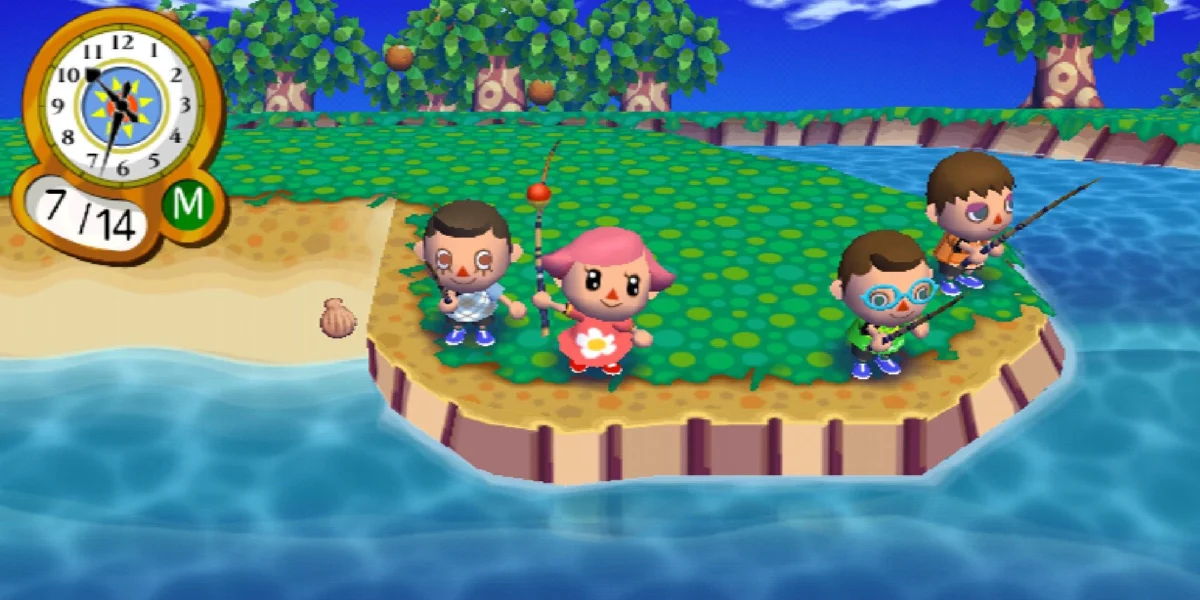
At the heart of this community resurgence is Animal Crossing: City Folk Deluxe, an unofficial, comprehensive modification of the 2008 Wii title Animal Crossing: City Folk (known as Let’s Go to the City in PAL regions). Created by the modder Aurum and released to significant acclaim in early 2025, the "Deluxe" version aims to serve as a definitive edition of the franchise, bridging the gap between the charm of the older entries and the convenience of modern gaming.
The mod is not merely a cosmetic update; it is a fundamental overhaul of the City Folk experience. Its primary features include:
- Massive Character Roster: The integration of 244 villagers from across the entire franchise, including those previously exclusive to the original Japanese N64 release, e-Reader cards, and later sequels.
- Global Event Access: The removal of region-locking for seasonal events, allowing players to experience festivals like "Setsubun" or "Explorer’s Day" regardless of their real-world location.
- Quality of Life (QoL) Overhauls: Significant balancing of the in-game economy, including increased store discounts, streamlined fossil identification processes, and improved item availability.
- Online Restoration: Integration with external services like Wiimmfi, restoring the multiplayer functionality that Nintendo officially shuttered years ago.
For many, this mod represents the "Goldilocks Zone" of the series—offering more content than the original GameCube title, better dialogue than New Horizons, and a more traditional "town" feel than the portable New Leaf.
Chronology: From Experimental Forest to Global Island
To understand why a mod of a 17-year-old Wii game is gaining such traction, one must examine the chronological trajectory of the franchise and the shifting priorities of its developers.
2001–2005: The Foundation
The series began as Dōbutsu no Mori (Animal Forest) on the Nintendo 64 in Japan, later ported to the GameCube for international audiences. This era was defined by its quirkiness and "edge." Villagers were famously blunt, often insulting the player for their fashion choices or laziness. This friction created a sense of genuine personality that many fans still crave.
2008: The ‘City Folk’ Polarized Reception
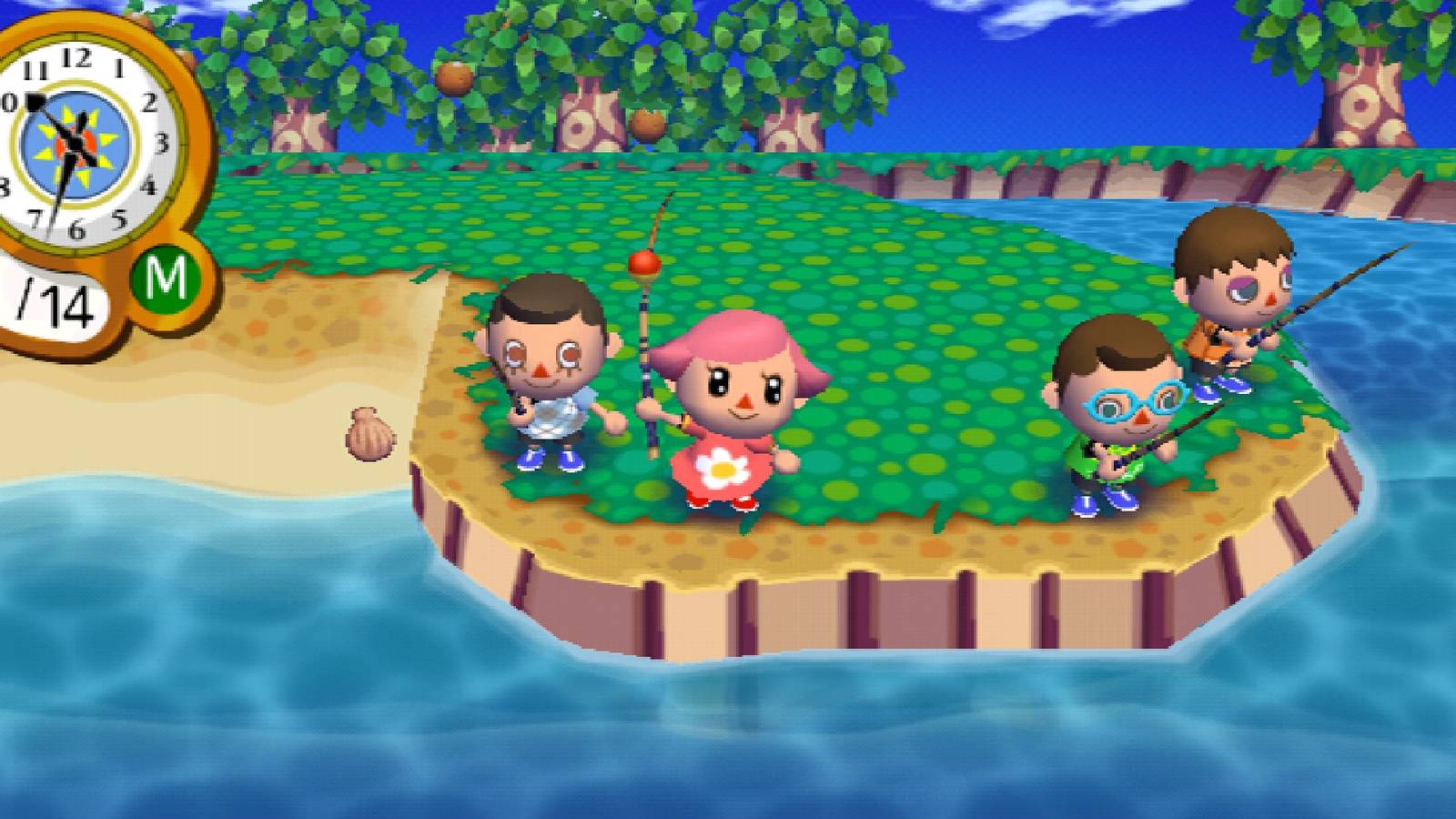
When Animal Crossing: City Folk launched on the Wii, it was met with mixed reviews. While it introduced "The City"—a hub area for high-end shopping and services—critics argued it felt too much like a high-definition port of the Nintendo DS’s Wild World. It lacked the revolutionary leap fans expected from a home console sequel. Over time, however, its traditional mechanics and "cranky" villager personalities became a nostalgic touchstone.
2020–2021: The ‘New Horizons’ Phenomenon
Animal Crossing: New Horizons (ACNH) launched at the onset of the COVID-19 pandemic, providing a vital social outlet for millions in lockdown. It introduced unprecedented terraforming and outdoor decorating features. However, after the final "Version 2.0" update in late 2021, Nintendo officially ceased major content support. As the "honeymoon phase" faded, players began to notice the "shallowing" of social interactions; villagers had become universally polite, and their dialogue felt repetitive compared to older entries.
2025: The ‘Deluxe’ Emergence
Seeing the stagnation of New Horizons and the aging tech of the Wii, Aurum released City Folk Deluxe. This mod arrived at a time of peak anticipation for a new Nintendo console, filling a content vacuum and addressing the specific grievances players had with the "over-sanitization" of the newer games.
Supporting Data: Why ‘City Folk Deluxe’ Outperforms Official Titles
The preference for City Folk Deluxe is not merely subjective nostalgia; it is backed by specific mechanical improvements that address long-standing community complaints.
The Social Complexity Metric
One of the most significant data points cited by the community is the depth of the dialogue system. In New Horizons, the personality types (Cranky, Snooty, Jock, etc.) were softened to ensure no player felt "bullied." While this made the game more "cozy," it reduced the incentive to interact with neighbors. City Folk Deluxe retains the original scripting of the Wii era, which includes multi-layered conversations, rumors about other villagers, and a more diverse range of emotional responses.

Content Density and Accessibility
The "Deluxe" mod includes:
- Expanded Furniture Sets: By porting assets and unlocking hidden data, the mod offers a furniture catalog that rivals New Leaf in variety.
- Economic Rebalancing: In the base City Folk, "Grass Deterioration" (where running causes grass to disappear) was a hated mechanic. The mod mitigates this, allowing players to enjoy their town’s aesthetics without the stress of "killing" the environment.
- The "All-Star" Roster: With 244 added villagers, the mod effectively doubles the variety of neighbors a player might encounter, ensuring that every town feels unique.
Official Responses and the Nintendo Modding Paradox
As of mid-2026, Nintendo has not issued a formal statement regarding Animal Crossing: City Folk Deluxe. Historically, the company’s relationship with its modding community has been litigious. Nintendo is well-known for its aggressive use of the Digital Millennium Copyright Act (DMCA) to take down fan-made projects, most notably AM2R (Another Metroid 2 Remake) and various Pokémon fan games.
However, the Animal Crossing modding scene operates in a slightly different legal grey area. Because City Folk Deluxe requires an original copy of the game and is run via homebrew software or emulators, it does not directly distribute Nintendo’s copyrighted code in a standalone "pirated" format.
Industry analysts suggest that Nintendo’s silence may be tactical. With the "Switch 2" looming, the company is likely focused on the next official iteration of the franchise. Shutting down a mod for a legacy console like the Wii could result in a "Streisand Effect," drawing more attention to the community’s dissatisfaction with the current state of the series. Nevertheless, the threat of a cease-and-desist order remains a constant shadow over the project’s hosting sites.
Implications: Lessons for the Next Animal Crossing
The popularity of City Folk Deluxe serves as a roadmap for what fans expect from the next official Animal Crossing title on Nintendo’s upcoming hardware. The implications for the franchise are threefold:
1. The Demand for "Meaningful" Social AI
The success of the mod proves that players want more than just a dollhouse simulator. They want a social simulator. If the next Animal Crossing continues the trend of "flattening" villager personalities, it risks losing the core fanbase that sustains the game between major updates. Nintendo must invest in more complex AI and a broader script library to keep interactions fresh.
2. The Preservation Crisis
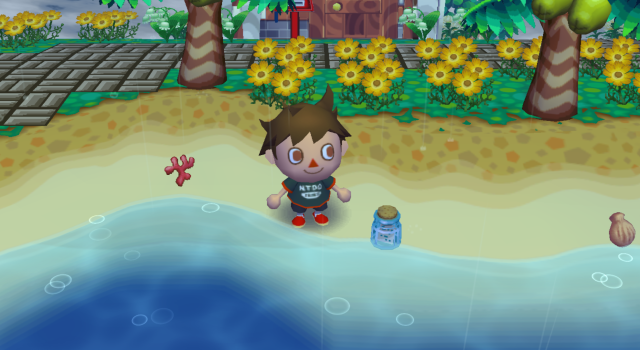
The fact that fans had to turn to a mod to play City Folk with online features highlights Nintendo’s ongoing struggle with digital preservation. As servers for the 3DS and Wii U have also been shuttered, a significant portion of the Animal Crossing history is currently unplayable in its intended form. Fans are looking to the "Switch 2" to provide a robust legacy platform or "Virtual Console" that prevents the need for unofficial mods.
3. Customization vs. Structure
New Horizons gave players total control, but some argue it came at the cost of the "Animal Crossing feel"—the sense of being a small part of a living, breathing world you didn’t entirely control. City Folk Deluxe strikes a balance, offering the traditional town structure with just enough modern QoL improvements to prevent frustration.
Conclusion
As the Animal Crossing community waits for a formal reveal from Nintendo, City Folk Deluxe stands as a testament to the power of fan dedication. It is a "love letter" to a specific era of gaming—one where the world felt a little bit bigger, the neighbors a little bit meaner, and the discovery of a rare fossil felt like a true achievement. Whether Nintendo will take these lessons to heart for their next flagship title remains to be seen, but for now, the "perfect" version of the game is alive and well in the hands of the players who love it most.



Leave a Comment