Valve’s Steam Machine Return: High Price Tags and Hardware Hurdles Spark Consumer Backlash

The landscape of living-room PC gaming has shifted dramatically since Valve’s first attempt to revolutionize the space a decade ago. While the Steam Deck successfully captured the hearts of millions by offering a portable, affordable entry point into the Steam ecosystem, the company’s latest hardware venture is facing a much colder reception. After months of speculation, Valve has officially unveiled the pricing and specifications for its new Steam Machine, and the figures have left many enthusiasts questioning the value proposition of the "little black cube."
Billed as a console-sized powerhouse capable of rivaling the performance of traditional desktop rigs, the Steam Machine arrives at a time of significant economic volatility in the tech sector. With an entry-level price exceeding the thousand-dollar mark and a hardware suite that some critics label as "already outdated," the Steam Machine faces an uphill battle to prove its worth against both traditional consoles and the burgeoning DIY small-form-factor (SFF) PC market.
I. Main Facts: The Sticker Shock of 2026
Valve’s announcement confirmed two primary configurations for the Steam Machine, both of which sit comfortably in the premium "enthusiast" price bracket. The base model, featuring a 512GB NVMe SSD, is priced at $1,049 (£879). For users requiring more local storage, the 2TB variant jumps to $1,349 (£1,149).
Perhaps more shocking than the price of the unit itself is what is not included. Unlike the Steam Deck, which is a self-contained unit, or the PlayStation 5 and Xbox Series X, which bundle a controller, the Steam Machine is being sold as a standalone box. Prospective buyers will not find the new Steam Controller bundled in the box, nor will they receive a Valve-branded keyboard or mouse. For a total package, users can expect to spend upwards of $1,200 before they even launch their first game.
The hardware is built around a "semi-custom" AMD architecture. It utilizes a Zen 4-based 6-core/12-thread CPU and an RDNA 3-based integrated graphics solution with 28 Compute Units (CUs). While these specs are a significant leap over the Steam Deck’s handheld-focused APU, they fall short of the high-end discrete GPU performance many expected for a machine at this price point.
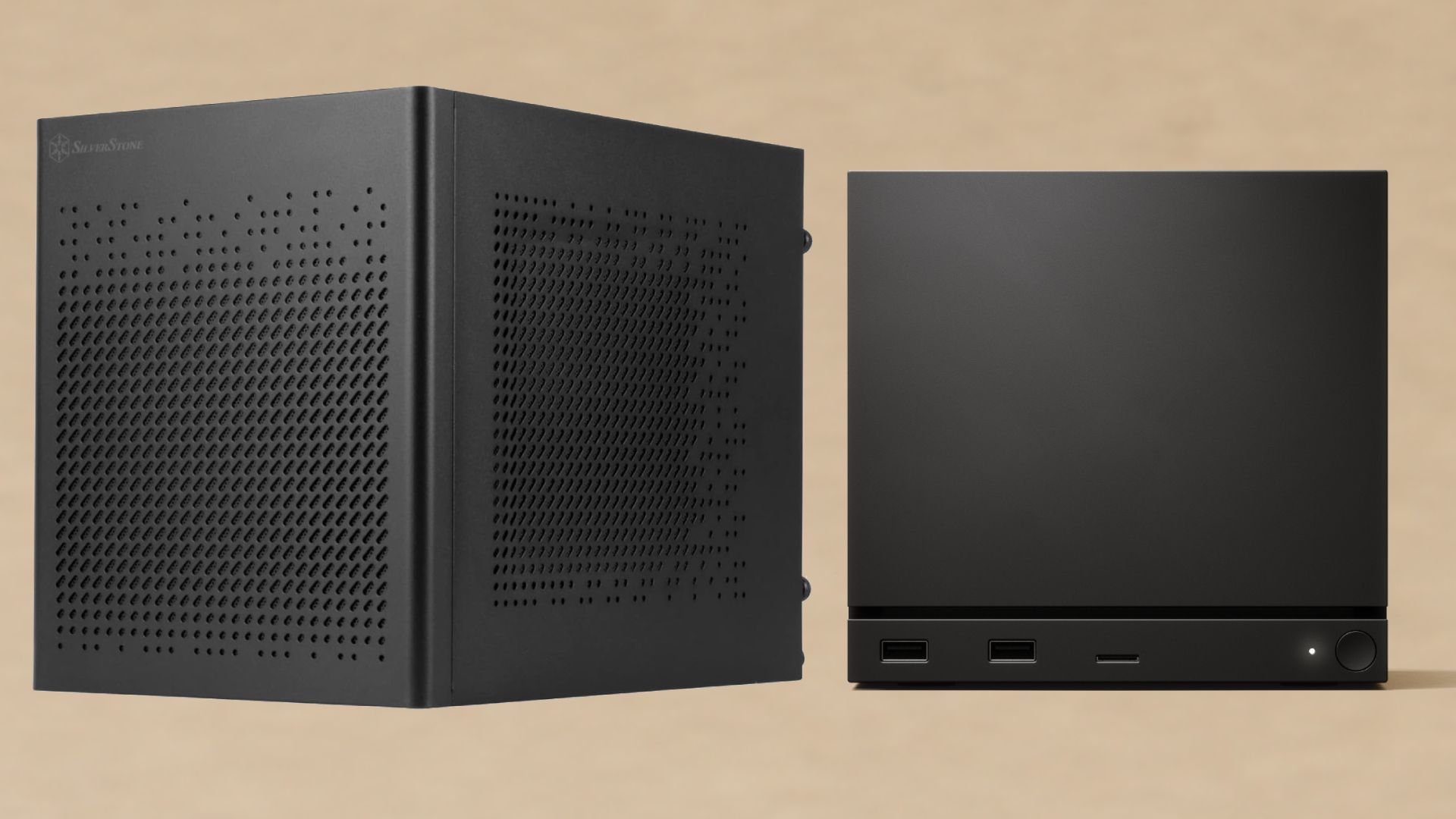
II. Chronology: From Handheld Triumph to Desktop Uncertainty
To understand why the Steam Machine’s pricing is so contentious, one must look at the trajectory of Valve’s hardware division over the last decade.
- 2015: The First Failure: Valve launched the original Steam Machine initiative, partnering with third-party manufacturers like Alienware and Zotac. The project failed due to a lack of hardware standardization, an unrefined SteamOS, and the inability to compete with the price-to-performance ratio of the PS4 and Xbox One.
- 2022: The Steam Deck Pivot: Valve pivoted to a first-party model with the Steam Deck. By subsidizing the hardware and focusing on a 720p/800p handheld experience, Valve created a "pro-consumer" hit that proved Linux-based gaming (via Proton) was ready for the mainstream.
- 2024-2025: The "Cube" Rumors: Leaks began to surface regarding a "Galileo" or "Steam Machine 2" project. Early marketing materials suggested a return to the living room with "six times the horsepower" of the Steam Deck and native 4K capabilities.
- Present Day: The Reality Check: The official listing went live with a strict waitlist policy. Along with the high MSRP, Valve quietly adjusted its performance claims. The original promise of "native 4K60" was replaced with "Up to 4K gaming with FSR 4.1," indicating a heavy reliance on upscaling technology to meet modern display standards.
III. Supporting Data: Performance Benchmarks and Component Analysis
The controversy surrounding the Steam Machine is rooted in the "price-to-performance" delta. In a market where the PS5 Pro and high-end PCs offer distinct advantages, the Steam Machine occupies an awkward middle ground.
Technical Specifications Breakdown
| Component | Steam Machine Official Specs |
|---|---|
| CPU | Semi-custom AMD Zen 4 (6C / 12T) |
| GPU | Semi-custom AMD RDNA 3 (28 CUs) |
| RAM | 16GB DDR5 |
| VRAM | 8GB GDDR6 (Dedicated) |
| Storage | 512GB – 2TB NVMe SSD + microSD slot |
| Connectivity | Wi-Fi 6E, BT 5.3, Gigabit Ethernet |
| OS | SteamOS 3 (Linux) |
Real-World Gaming Performance
Independent testing and early benchmarking results, most notably from Gamers Nexus, suggest that the Steam Machine is frequently CPU-hamstrung and limited by its integrated graphics architecture.
- Baldur’s Gate 3: At 1080p on Low settings, the unit averaged a mere 60 FPS. In densely populated areas like Act 3, frame rates dipped significantly, suggesting the Zen 4 APU struggles with complex simulation data.
- Black Myth: Wukong: This graphically intensive title fared slightly better, averaging 73 FPS at 1080p Low settings. However, attempting to play at 1440p or 4K without aggressive FSR 4.1 intervention resulted in sub-30 FPS performance.
- The VRAM Bottleneck: With only 8GB of GDDR6 VRAM, the Steam Machine is ill-equipped for the high-resolution textures common in 2026’s AAA titles. Modern games frequently exceed 8GB of VRAM usage at 1440p, leading to stuttering and "hitchying" as the system swaps data to the slower system RAM.
The Component Crisis
Valve’s pricing is partly a victim of the "ongoing RAM crisis." A global shortage of high-speed flash storage and DDR5 modules has seen component prices spike by 20-30% over the last eighteen months. While Sony and Microsoft can absorb these costs through volume manufacturing and digital store royalties, Valve’s lower-volume production for the Steam Machine makes it susceptible to these market fluctuations.
IV. Official Responses and Marketing Shifts
Valve has been uncharacteristically quiet regarding the backlash, though their website updates tell a story of managed expectations. The shift in marketing language from "4K Powerhouse" to "FSR 4.1 Enabled" suggests that internal testing revealed the limitations of the RDNA 3 APU when faced with modern optimization hurdles.
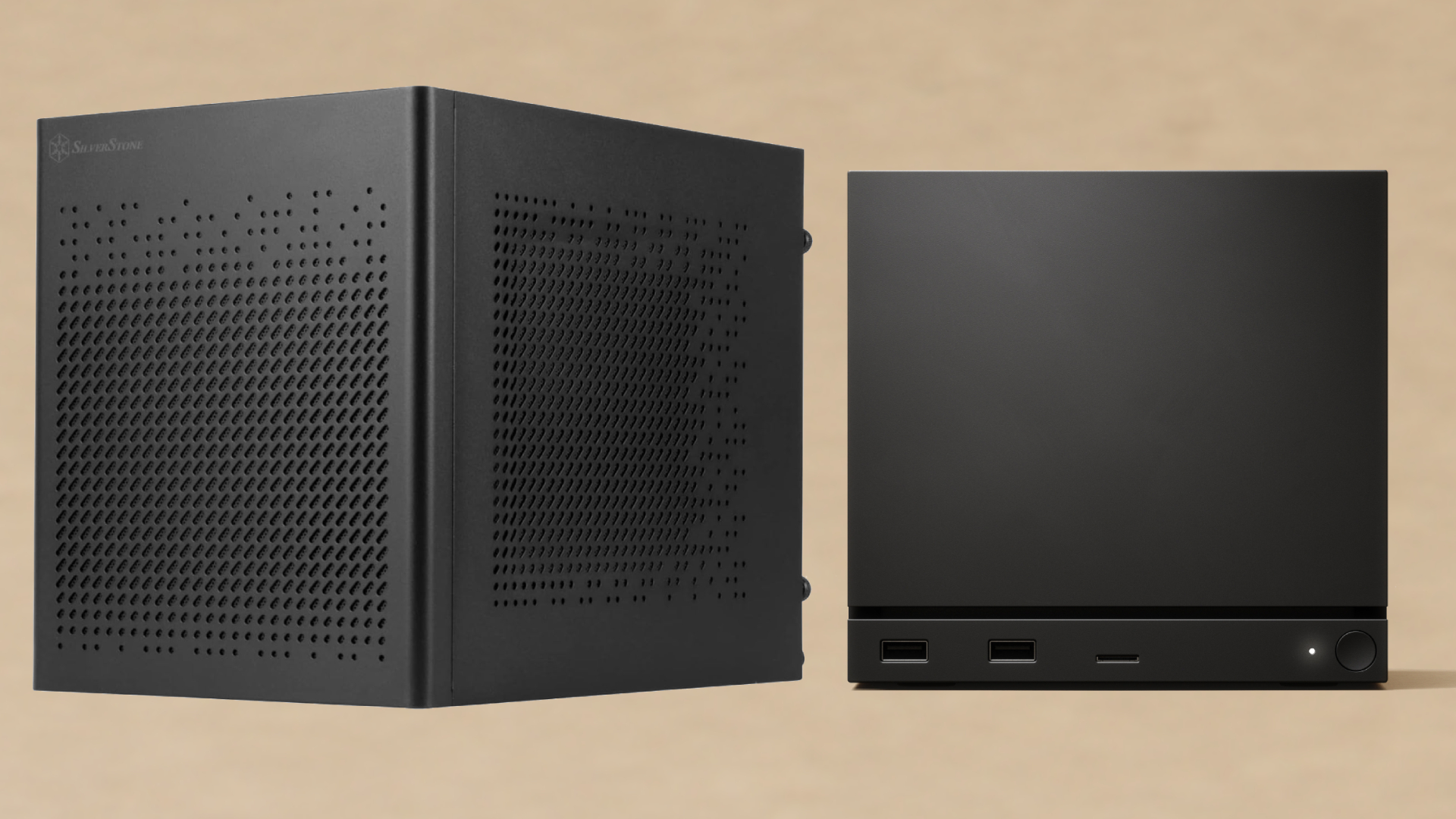
A Valve spokesperson noted in a brief technical brief that the Steam Machine is intended for users who want "the seamlessness of the Steam Deck experience in a form factor that fits their media center." The company is emphasizing the "SteamOS ecosystem" as the primary selling point—offering features like Instant Resume, system-wide FSR, and a controller-friendly UI that Windows-based PCs still struggle to replicate perfectly.
However, the "Steam Machine Verified" program has also come under fire. To receive a "Green Check," a game only needs to hit 1080p at 30 FPS. For a $1,000+ machine, many consumers feel that the bar for "Verified" should be significantly higher, perhaps targeting a minimum of 1440p at 60 FPS.
V. Implications: The DIY Alternative and the Future of SFF Gaming
The most damning indictment of the Steam Machine is how easily it can be outperformed by a custom-built PC at the same price point. By opting for a discrete GPU rather than an APU, users can build a "Steam Machine Killer" that offers a generational leap in performance.
The $1,049 Alternative (Budget King)
By utilizing the slightly older but still highly capable AM4 platform, a builder can allocate more funds to a discrete graphics card. A build featuring an AMD Ryzen 5 5600 and a Silverstone SUGO 16 case allows for the inclusion of a dedicated GPU that can handle 1080p and 1440p gaming with ease, far outstripping the integrated RDNA 3 chips in the official Valve unit.
The $1,349 Alternative (Current-Gen Power)
For the price of the 2TB Steam Machine, a DIY enthusiast can build a truly modern machine:

- CPU: AMD Ryzen 5 9600X
- GPU: Gigabyte RTX 5060 8GB
- RAM: 16GB Patriot Viper Venom DDR5
- Storage: 2TB Fanxiang Gen 4.0 NVMe
Benchmarking this DIY configuration shows a staggering difference. In Black Myth: Wukong, where the Steam Machine struggled at Low settings, the RTX 5060 build maintains a 65 FPS average on High settings. In Baldur’s Gate 3, the DIY rig hits 121 FPS at 1080p and a respectable 87 FPS at 1440p.
Conclusion: A Niche Luxury or a Strategic Misstep?
The implications for Valve are twofold. On one hand, the Steam Machine serves as a "reference design" for what a Linux-based living room PC can be. It pushes the development of SteamOS 3 forward, which benefits the entire industry. On the other hand, the high price and middling specs risk alienating the very "pro-consumer" fanbase Valve built with the Steam Deck.
For the average gamer, the Steam Machine currently sits in a difficult position. It lacks the value of a console and the raw power of a desktop PC. Unless Valve can significantly lower the price or introduce a "Pro" model with a discrete GPU, the Steam Machine may once again find itself relegated to the status of a niche curiosity for die-hard Valve loyalists, rather than the console-killer it was meant to be.
As we move further into 2026, the success of this hardware will likely depend on how much consumers value the "it just works" nature of SteamOS versus the raw, unbridled performance of a custom-built machine. For now, the "little black cube" remains a expensive reminder that in the world of PC hardware, convenience often comes at a very steep price.