The Art of the Uncanny: How ‘Obsession’ Redefined Indie Horror Through Optical Illusion
The landscape of modern horror is frequently dominated by ballooning budgets, star-studded casts, and the ubiquitous presence of Computer-Generated Imagery (CGI). However, every few years, a project emerges that defies the gravitational pull of the studio system, proving that ingenuity is a more potent currency than capital. Curry Barker’s Obsession has become that very phenomenon. Produced on a shoestring budget of less than $1 million, the film has not only shattered box office expectations for independent cinema but has also ignited a global conversation regarding the efficacy of practical effects in the digital age.
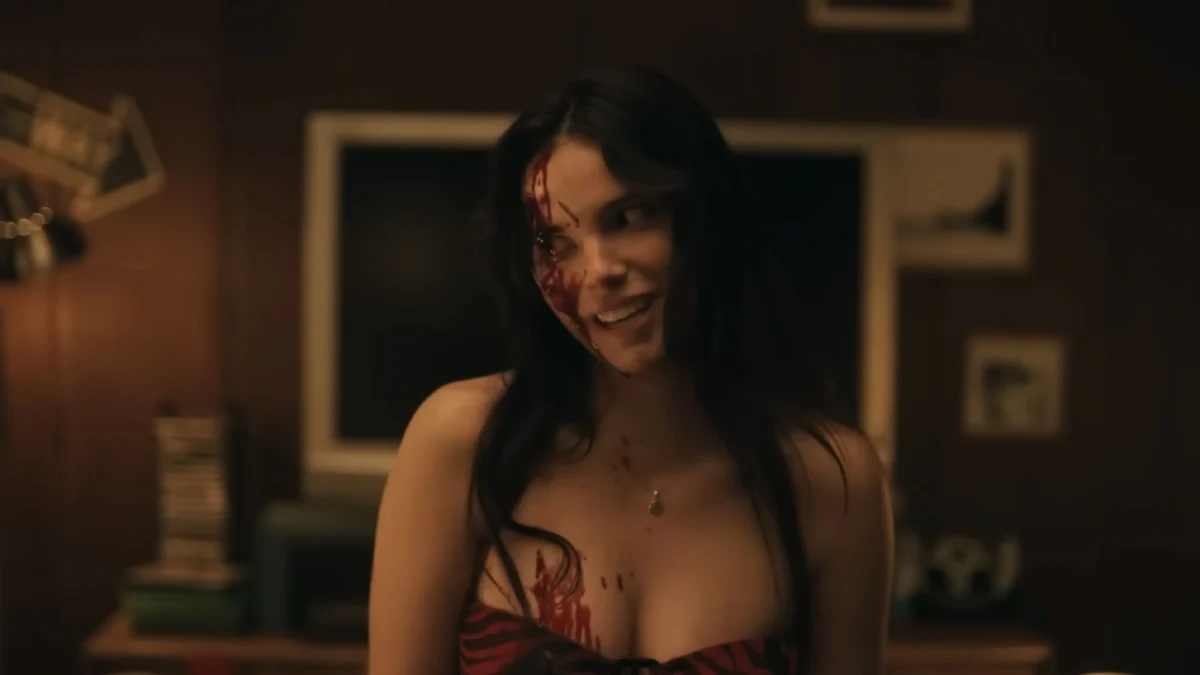
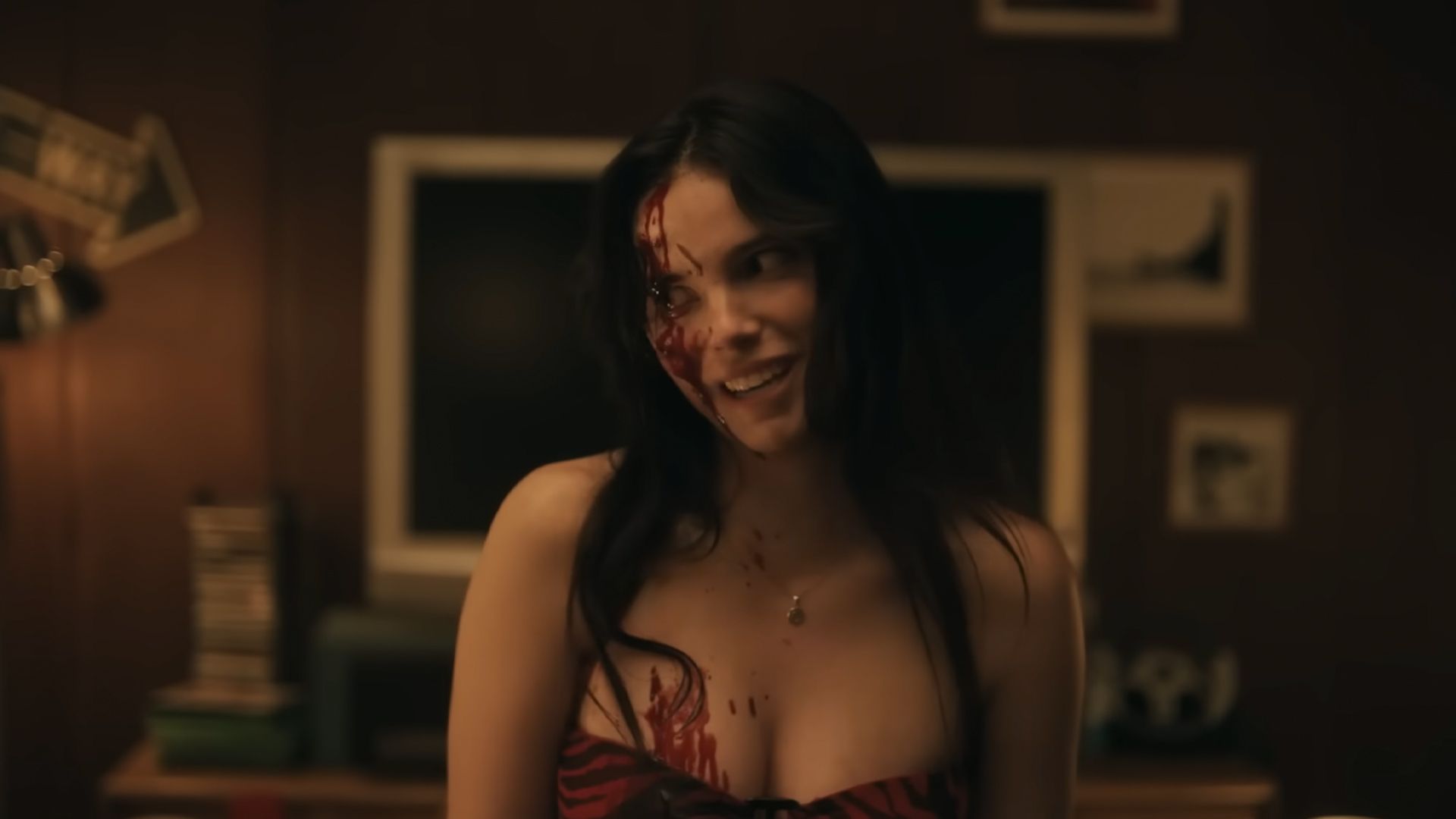
At the heart of the film’s visceral impact is a singular, terrifying image: the face of the character Nikki. While audiences initially assumed the character’s distorted, non-human appearance was the result of expensive digital manipulation or heavy prosthetic work, the reality was far more grounded—and arguably more impressive. Through a masterclass in optical illusion makeup, the production team managed to bypass the "uncanny valley" by leaning directly into it, using nothing more than the traditional tools of shadow and light.
Main Facts: The Low-Budget Juggernaut
Obsession represents a watershed moment for independent horror. In an era where even "low-budget" studio offerings often require $10 million to $20 million to achieve a polished look, Curry Barker’s team operated with a fraction of those resources. The film’s success is predicated on three core pillars: a tight, psychological narrative, viral-ready imagery, and a rejection of digital shortcuts.
The standout feature of the film is the character Nikki, whose appearance has been described by viewers as "soul-piercing" and "physiologically distressing." The revelation that this look was achieved through "contouring on steroids"—rather than post-production editing—has turned makeup artist Katie Oja into a central figure in the discussion of modern film craft. By utilizing high-contrast highlights and deep-set shadows, Oja elongated the character’s mouth and enlarged the orbital sockets, creating a face that the human brain recognizes as "human," yet perceives as fundamentally "wrong."
This technique, known as trompe l’oeil in the art world, was used to create a three-dimensional distortion on a two-dimensional surface (the skin). The result was a character that looked more terrifying in raw footage than most monsters do after six months of digital rendering.
Chronology: From Viral Concept to Box Office Record-Breaker
The journey of Obsession began long before it hit the silver screen. Curry Barker, a filmmaker who cut his teeth in the fast-paced world of short-form digital content, understood the power of a "hook." The development of the film followed a specific trajectory that maximized its limited resources.
- Pre-Production and the "Less is More" Mandate: Recognizing that a $1 million budget would not cover convincing CGI, Barker and his team committed to a practical-first philosophy. The goal was to find a "monster" that didn’t require a suit or a computer.
- The Design Phase: Katie Oja began experimenting with makeup designs that would play with the camera’s perception of depth. The team tested various looks under different lighting conditions, eventually settling on the "elongated" Nikki look that prioritized facial symmetry—or the lack thereof—to trigger a primal fear response.
- The Production: Filming took place with a lean crew. The makeup application, while complex in its precision, was cost-effective and allowed for real-time adjustments on set. This meant the actors could react to the terrifying presence of Nikki in the flesh, rather than a green-screen tennis ball.
- The Release and Viral Bloom: Upon its initial limited release, images of Nikki began circulating on social media. The "face" became a meme, a jump-scare, and a mystery. As the film transitioned to a wider release, the box office numbers began to climb, eventually making it the highest-grossing film ever produced for under $1 million.
- The Behind-the-Scenes Reveal: Following the film’s peak theatrical run, Katie Oja took to Instagram to demystify the process. By sharing the "before and after" shots of the makeup process, she sparked a second wave of interest in the film, shifting the focus from the story to the technical brilliance of the production.
Supporting Data: The Economics of Practical Ingenuity
The financial success of Obsession provides a compelling data set for the future of independent filmmaking. When comparing the ROI (Return on Investment) of Obsession to recent horror blockbusters, the disparity is staggering.
While a $200 million studio film might need to gross $500 million just to break even after marketing costs, Obsession entered the "profit" zone almost immediately. By saving hundreds of thousands of dollars on a VFX pipeline, the production was able to allocate its modest budget toward high-quality cinematography and sound design—two elements that are often neglected in low-budget horror but are essential for building atmosphere.
Technically, the "Nikki" makeup relied on a specific color palette. Oja utilized deep umbers and charcoals to "recess" parts of the face (the corners of the mouth and the eyelids) while using stark white and ivory pigments to "bring forward" the cheekbones and the center of the eyes. This manipulation of the T-zone created a physiological illusion of a wider, more predatory facial structure. According to optical experts, this type of high-contrast imagery is processed by the amygdala—the brain’s fear center—faster than complex digital textures, explaining why the look "triggered fight or flight" in audiences.
Official Responses: Industry and Audience Acclaim
The reaction to Oja’s work and Barker’s direction has been overwhelmingly positive, bridging the gap between casual horror fans and industry professionals.
On social media, the "behind-the-scenes" reveal became a celebration of craftsmanship. One widely shared comment noted, "Who needs CGI when you’ve got creativity and skill?" This sentiment captures a growing fatigue among audiences who feel that digital effects have robbed modern cinema of its "tactile" or "real" feeling. Another viewer remarked, "It’s so simple but it triggered my fight or flight," highlighting the efficiency of the technique.
Industry veterans have also weighed in, praising the film for its "insane use of practical FX." The consensus among makeup artists is that Oja’s work serves as a vital reminder that the most powerful tool in a filmmaker’s arsenal is not a software suite, but an understanding of human perception. By working with the actor’s natural features rather than burying them under silicone prosthetics, the performance remained expressive, allowing the horror to feel grounded in reality.
Implications: A New Blueprint for Independent Cinema
The success of Obsession carries significant implications for the future of the film industry, particularly for aspiring directors and effects artists.
1. The Democratization of the "Blockbuster Look"
Obsession proves that a "million-dollar look" does not require a million-dollar budget. As high-quality cameras become more affordable, the true bottleneck for indie films remains the quality of the visual effects. Oja’s optical illusion technique provides a blueprint for how filmmakers can achieve high-impact visuals through artistry rather than expensive tech.
2. The Return of the "Uncanny Valley" as a Tool
For years, the "uncanny valley"—the dip in human emotional response when an object looks almost, but not quite, like a human—was seen as a failure of CGI. Obsession flips this narrative, intentionally using makeup to inhabit the valley. It suggests that the most effective horror doesn’t come from monsters that look "alien," but from humans that look "altered."
3. Practical Effects as a Marketing Strategy
In a digital world, "real" has become a selling point. The marketing for Obsession was bolstered significantly by the revelation that the effects were practical. Audiences are increasingly drawn to the "making-of" aspect of cinema, and practical effects provide a tangible, shareable form of content that CGI-heavy films often lack.
4. Psychological Priming in Horror
The film’s reliance on optical illusions suggests a shift toward "psychological" makeup. Instead of gore and viscera, which can often cause a "gross-out" reaction rather than true fear, Obsession uses geometry and light to disturb the viewer’s sense of biological normalcy. This approach is likely to be emulated by future psychological thrillers looking to leave a lasting impression on the audience’s psyche.
Conclusion: The Lasting Impact of ‘Obsession’
Curry Barker’s Obsession is more than just a box office success story; it is a manifesto for the power of practical creativity. By choosing shadows over pixels and artistry over automation, the film has carved out a permanent place in the annals of horror history.
As Katie Oja’s "ingenious makeup hack" continues to circulate online, it serves as a beacon for the next generation of filmmakers. It reminds them that the most terrifying things are often not the ones we build in a computer, but the ones we can see, touch, and paint—the ones that play with the very way our eyes perceive the world. In the end, Obsession didn’t just get under the skin of its audience; it redefined what it means to be truly, terrifyingly human on screen.