The Blueprint of Imagination: How Concept Art World is Preserving the Visual DNA of Modern Cinema and Gaming
In the high-stakes ecosystem of global entertainment, the transition from a script’s first draft to a multi-billion-dollar blockbuster or a record-breaking video game is bridged by a single, vital discipline: visual development. Recently, the premier industry platform Concept Art World (CAW) unveiled a series of deep-dive showcases featuring the work of legendary designers who have shaped the aesthetic foundations of the Marvel Cinematic Universe, the DC Multiverse, and iconic gaming franchises.
From the cosmic vistas of Kev Jenkins’ Guardians of the Galaxy to the gritty, urban realism of Julien Renoult’s Marvel’s Spider-Man, these showcases offer more than just aesthetic pleasure. They provide a technical roadmap of how the "Blue Sky" phase of production—the earliest stage of creative exploration—dictates the eventual success of global intellectual properties.
Main Facts: The Architecture of the Unreal
The latest updates from Concept Art World highlight four pivotal pillars of modern visual storytelling. Each represent a distinct school of thought within the concept art community:
- The Cosmic Expansion (Kev Jenkins): Known for his ability to blend industrial realism with high-concept sci-fi, Jenkins’ work on Guardians of the Galaxy was instrumental in moving the Marvel Cinematic Universe (MCU) away from the grounded tech of Iron Man into the psychedelic, "used-future" aesthetic of the cosmic Marvel era.
- Urban Verisimilitude (Julien Renoult): On the PlayStation 4 exclusive Marvel’s Spider-Man, Renoult faced the daunting task of reimagining New York City. His visual development work balanced the "spectacle" of superheroics with a lived-in, atmospheric depiction of Manhattan that served as the backbone for Insomniac Games’ open-world design.
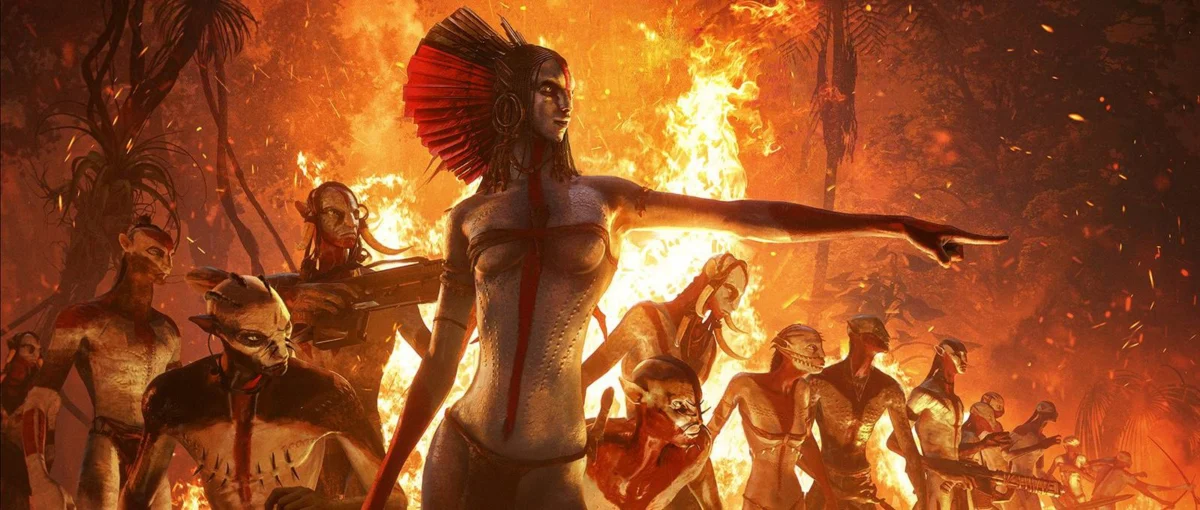
- Gothic High-Fantasy (Nick Southam): Through Darksiders II, Southam demonstrated the power of exaggerated proportions and stylized world-building. His work bridged the gap between Joe Madureira’s comic book origins and the technical requirements of a 3D action-adventure title.
- The Gritty Reimagining (Injustice: Gods Among Us): The concept art for this DC-based fighter showcased a darker, more militarized version of the Justice League, proving that visual redesigns can fundamentally shift the tone of a legacy franchise.
Beyond the art itself, Concept Art World has reinforced its position as an industry watchdog. In an era where generative artificial intelligence (AI) threatens the livelihood of human creators, the platform has issued a definitive stance: the training of AI systems using their curated content is strictly prohibited. This move aligns the platform with a growing movement of professional artists demanding intellectual property protection.
Chronology: From Sketchpad to Screen
The evolution of the works featured on Concept Art World reflects a broader chronological shift in how the entertainment industry utilizes visual development.
2012–2013: The Stylistic Pivot
During the production of Darksiders II and Injustice: Gods Among Us, the gaming industry was in a state of transition. Nick Southam’s work on Darksiders II (2012) represented the peak of "stylized realism"—a look that allowed games to age better than those striving for pure photo-realism. Concurrently, NetherRealm Studios was using concept art to justify a "Mature" rating for the DC Universe in Injustice (2013), moving away from the primary colors of the Silver Age of comics into a more cynical, armored aesthetic.
2014: The Marvel Cosmic Breakthrough
When James Gunn signed on for Guardians of the Galaxy, the industry was skeptical of a film featuring a talking raccoon and a tree. Kev Jenkins and the visual development team were tasked with making this world tangible. By 2014, their work had set a new standard for sci-fi cinema, blending the "kit-bashing" aesthetic of the 1970s with cutting-edge digital matte painting.
2018–Present: The Era of Immersion
By the time Julien Renoult was working on Marvel’s Spider-Man for the PS4, concept art had evolved into "visual development." It was no longer just about character designs; it was about lighting, mood, and architectural storytelling. The success of the 2018 game proved that concept art is the most important "first step" in creating a world that players want to inhabit for hundreds of hours.
Supporting Data: The Economic Value of a Single Sketch
The importance of the artists featured on Concept Art World is backed by significant industry data. According to market analysis, the global video game concept art and pre-production market is a critical component of the $200 billion gaming industry.
- Marketing Impact: Concept art is often the first material released to the public. For titles like Spider-Man and Injustice, early concept reveals generated higher social media engagement than early gameplay footage, as they allow fans to project their expectations onto the "vibe" of the game.
- Production Efficiency: It is estimated that for every $1 spent in the concept art phase, $10 is saved in the 3D modeling and animation phases. By "failing" on paper, studios avoid costly mistakes in the rendering pipeline.
- Merchandising: The designs created by artists like Kev Jenkins become the blueprints for action figures, statues, and apparel. The "visual IP" of the Guardians of the Galaxy—specifically the Milano ship and the character silhouettes—contributed to billions in licensed merchandise revenue.
Official Responses and Industry Stance
The creative community has rallied around the standards set by platforms like Concept Art World. In response to the rise of AI-generated imagery, CAW has updated its terms of service to explicitly protect the artists they feature.
In a statement regarding their "About Us" philosophy, the platform noted:
"CAW is a trusted resource for creative professionals… All images are copyrighted by the artist(s) or their respective copyright holders. Any training of AI systems using this content is strictly prohibited."
This stance is a direct response to the legal battles currently unfolding in the United States and Europe regarding the "fair use" of copyrighted art in training Large Language Models (LLMs) and image generators like Midjourney and Stable Diffusion. By asserting these rights, CAW is positioning itself as a "Digital Museum" that respects the human labor behind the pixels.
Furthermore, artists like Kev Jenkins have frequently spoken at industry events about the "soul" of design. Jenkins emphasizes that concept art is not just about drawing a "cool monster"; it is about solving problems—asking how a creature eats, how a ship refuels, and how light hits a specific texture. These are cognitive processes that, as of now, remain the unique domain of the professional artist.
Implications: The Future of Visual Development
The showcasing of these legendary portfolios carries several long-term implications for the future of the entertainment industry.
1. The "Human-Centric" Premium
As AI-generated content becomes more ubiquitous, there is a growing "prestige" market for human-created concept art. Studios are beginning to market their films and games by highlighting the "hand-drawn" nature of their pre-production, much like how "practical effects" became a selling point for movies like Mad Max: Fury Road and Star Wars: The Force Awakens.
2. Educational Shifts
Platforms like Concept Art World serve as the unofficial textbooks for the next generation. By studying the portfolios of Julien Renoult or Nick Southam, aspiring artists learn the "Visual Language" of industry-standard work. The implication is a narrowing of the gap between student work and professional work, leading to a more competitive and highly skilled labor pool in the gaming and film sectors.
3. The Preservation of Process
In the digital age, the "process" of creation is often lost. CAW’s commitment to archiving visual development artwork ensures that the history of how these iconic worlds were built is not erased by software updates or studio closures. This archival role is crucial for the academic study of 21st-century media.
4. Cross-Media Influence
The fluidity between the artists featured—moving from film (Jenkins) to games (Renoult/Southam)—highlights the total convergence of the entertainment industry. The techniques used to light a scene in Spider-Man (PS4) are now nearly identical to those used in a Marvel film. This convergence suggests that the role of "Concept Artist" is becoming more generalized, requiring a mastery of both cinematic composition and interactive design.
Conclusion
The curated galleries on Concept Art World are more than just a collection of beautiful images; they are a testament to the rigorous, intellectual, and highly technical work that precedes every explosion and emotional beat in modern media. Whether it is the gothic shadows of Darksiders II or the neon-soaked streets of a reimagined New York, the work of Jenkins, Renoult, Southam, and their peers remains the bedrock of our digital mythology.
As the industry navigates the turbulent waters of AI and shifting economic models, the protection and celebration of these "blueprints of imagination" will determine the quality of the stories we tell for decades to come. Concept Art World continues to stand at the forefront of this mission, ensuring that while the tools may change, the human vision remains the guiding light.