The Changing of the Guard: Inside the Tectonic Shift at DC Studios
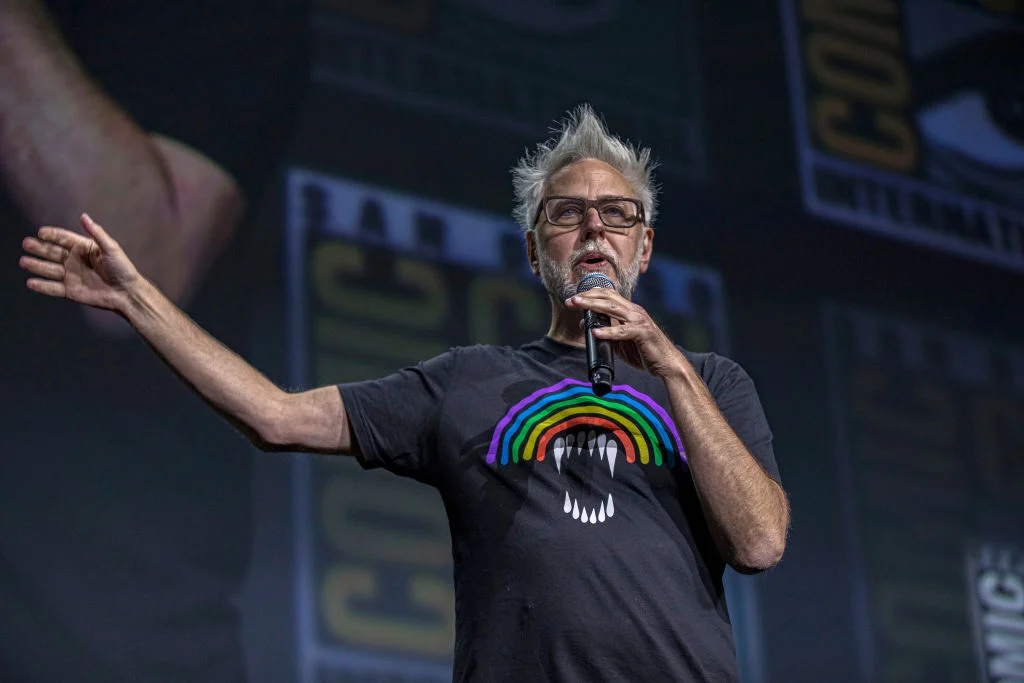
In the volatile landscape of modern Hollywood, few brands carry as much weight—or as much baggage—as DC Studios. For decades, the home of Superman, Batman, and Wonder Woman has struggled to find a consistent creative north star, oscillating between dark, auteur-driven visions and attempts to replicate the interconnected success of the Marvel Cinematic Universe (MCU).
Four years ago, the industry believed the search was over. Warner Bros. Discovery (WBD) CEO David Zaslav made a high-profile gamble by appointing filmmaker James Gunn and veteran producer Peter Safran as co-CEOs of the newly formed DC Studios. Their mission was clear: dismantle the fractured "SnyderVerse" and build a unified, multi-platform narrative engine. However, following the acquisition of WBD by Skydance, that era has come to an abrupt and unceremonious end.
The ousting of Gunn and Safran represents more than just a change in leadership; it is a signal of a broader shift in the entertainment industry—one where fiscal austerity and corporate hierarchy are reclaiming ground from the age of the "super-creator."
Main Facts: The End of the Gunn-Safran Era
The primary news breaking across the industry is the termination of James Gunn and Peter Safran’s leadership at DC Studios. Despite being midway through a ten-year plan titled "Gods and Monsters," the duo has been handed their walking papers by Skydance’s new management.
In their place, Skydance has installed Jeremy Latcham to oversee the latest reboot of the DC portfolio. Latcham is a name well-known to industry insiders but carries a significantly lower public profile than Gunn. A former Marvel executive, Latcham is being tasked with a "cheaper, more selective" approach to superhero filmmaking.
The transition comes at a moment of extreme financial pressure. Skydance, led by David Ellison, inherited a Warner Bros. film unit that has suffered nearly $1 billion in losses over the current fiscal year. With a staggering $80 billion in net debt, the new owners are prioritizing cost-cutting and organizational restructuring over the expensive, autonomous experimentalism that characterized the Gunn-Safran tenure.
Chronology: A Four-Year Experiment Cut Short
To understand the weight of this dismissal, one must look at the timeline of the DC Studios reboot:

2022-2023: The Great Reset
Following the chaotic release of Black Adam and the shelving of Batgirl, David Zaslav sought a "Kevin Feige-like" figure for DC. In a surprise move, he hired James Gunn—fresh off his success with The Suicide Squad and Marvel’s Guardians of the Galaxy—and Peter Safran. They were granted unprecedented autonomy, reporting directly to Zaslav rather than the heads of the Warner Bros. Motion Picture Group.
2024: The First Fruits
The new DCU officially began its rollout. While legacy projects like Aquaman and the Lost Kingdom and The Flash (greenlit by previous regimes) floundered, Gunn and Safran focused on their new slate. Production began on Superman, intended to be the cornerstone of the new universe.
2025-2026: The Mixed Bag of Results
As the first "Gunn-approved" films hit theaters, the results were inconsistent. While Superman provided a solid foundation, other projects failed to capture the cultural zeitgeist. Meanwhile, the acquisition of WBD by Skydance began to loom over the studio, bringing a new set of eyes to the balance sheets.
Late 2026: The Ouster
Following a string of box-office disappointments for the wider Warner Bros. slate and a perceived lack of "blockbuster" growth from DC’s newest entries, Skydance moved to consolidate power. The announcement of Gunn and Safran’s departure marks the end of their vision before the "Justice League" or "Batman" pillars of their plan could be realized.
Supporting Data: The Economics of Superhero Fatigue
The decision to move on from Gunn and Safran was not merely a creative one; it was driven by cold, hard data. While the duo was hired to bring Marvel-style consistency, the box office numbers told a more complex story of a genre in decline.
The Box Office Breakdown
- Superman: Earning $618.7 million worldwide on a $225 million production budget, the film was a "theatrical success" by modern standards. However, compared to the billion-dollar heights of Christopher Nolan’s The Dark Knight or even the original Aquaman, it was viewed by Skydance as a "single" rather than a "home run."
- Supergirl: This project proved to be the breaking point. With a $170 million budget, it earned a disastrous $126.5 million worldwide. When marketing costs are factored in, insiders estimate the film resulted in a $100 million loss.
- Clayface: Produced for a lean $44 million, this body-horror take on the villain earned $110 million. While a modest success, it was not the cultural phenomenon needed to sustain a multi-billion-dollar cinematic universe.
The Skydance Debt Crisis
Skydance is currently navigating a precarious financial position. The company is carrying $80 billion in net debt and has publicly promised shareholders $6 billion in "synergy" savings. Under the previous WBD regime, Gunn and Safran enjoyed a "sweetheart deal." Gunn reportedly commanded fees as high as $10 million per film for his roles as writer, director, and producer. Safran was uniquely permitted to continue running his own production company, The Safran Company, while drawing a salary as a studio head—a level of independence that Skydance found incompatible with their rigorous cost-cutting goals.
The Wider Warner Bros. Failure
The film division’s overall performance under Michael De Luca and Pam Abdy (who were also let go) cast a shadow over DC. With bombs like Digger, The Bride!, and The Cat in the Hat contributing to nearly $1 billion in losses, Skydance felt an urgent need to "clean house" and apply the selective greenlighting strategy they utilized at Paramount.

Official Responses: Voices from the C-Suite and the Set
The fallout from the leadership change has prompted a rare level of transparency from the involved parties.
James Gunn’s Reflection
In a candid and lengthy post on X (formerly Twitter), James Gunn admitted that the dual role of creative visionary and corporate executive had taken a toll.
"What only the closest people to me have known over the past four years is my time at DC Studios has been trying, to say the least," Gunn wrote. "I dislike the at-times corporate nature of the job. I’m always a very hard worker, but as a filmmaker, I would at least get to take short breaks to unwind… I’ve stolen even that time from both myself and my loved ones."
Gunn expressed relief at returning to a purely creative role, though it remains unclear how many of his upcoming projects will remain in active development under the new Latcham regime.
David Ellison’s Mandate
On a recent earnings call, Skydance CEO David Ellison did not mince words regarding the underperformance of the Warner Bros. film unit. He noted the "headwinds" facing the industry and pledged to "apply the same playbook we did at Paramount: greenlighting more selectively." This philosophy directly contrasts with the "expansive world-building" approach Gunn and Safran were hired to execute.
The Batman Production Turmoil
While not a direct result of the firing, the situation surrounding The Batman: Part II served as a microcosm of the production difficulties DC faced. The sequel was delayed significantly due to personal issues involving director Matt Reeves. In a move that required delicate diplomacy from Safran, Steven Soderbergh was eventually brought in to finish the film under Reeves’ guidance—a high-stakes management task that insiders say Safran handled with "utmost professionalism."
Implications: A Brand in Perpetual Flux
The removal of Gunn and Safran leaves DC fans and industry analysts asking a familiar, weary question: What now?

The "Marvel-Lite" Strategy
Jeremy Latcham’s appointment suggests that Skydance wants a leader who understands the Marvel "factory" model but is willing to work within a tighter corporate hierarchy. Latcham lacks Gunn’s celebrity status, which may be exactly what Skydance desires—a low-profile executive who prioritizes the bottom line over social media engagement and auteur-driven experimentation.
The Demographic Pivot
Interestingly, Latcham brings ties to the Christian filmmaking community, leading some to speculate that Skydance may attempt to broaden DC’s appeal to more traditional, heartland audiences. In an era where "superhero fatigue" is blamed on "niche" creative choices, a pivot toward broader, more traditional hero narratives could be the new strategy.
Fan Fatigue and the Reboot Cycle
This marks the third major regime change for DC in a decade. From the "SnyderVerse" to the "Hamada Era" to the "Gunn-Safran DCU," the brand has become synonymous with false starts. For the core fanbase, the prospect of another reboot—potentially discarding the work done on Superman and Lanterns—is a bitter pill to swallow.
The End of the Autonomous Creator
The most significant implication for Hollywood at large is the message this sends to top-tier talent. The "sweetheart deals" offered by David Zaslav in the early days of the WBD merger are officially extinct. Under Skydance, DC Studios will no longer be an autonomous kingdom; it will be a department within the Skydance Motion Picture Group, reporting to Dana Goldberg and Josh Greenstein.
As Jeremy Latcham takes the reins, the industry will be watching to see if he can pull off the miracle that eluded his predecessors: creating a DC universe that is both creatively inspired and consistently profitable. But with a shorter runway and a more restrictive budget, the task has never been more daunting. For now, the "Gods and Monsters" have been put back in the vault, replaced by a mandate for "selective greenlighting" and fiscal responsibility.