The Uncanny Deckbuilder: Analyzing the Meta-Narrative and Poker Mechanics of ‘Mad Mojo’
The landscape of independent gaming has undergone a significant transformation over the last decade, moving away from traditional genre boundaries toward a more experimental, "meta-fictional" approach. Titles like Inscryption, Doki Doki Literature Club, and Balatro have proven that players are hungry for experiences that challenge the medium itself. Entering this subversive arena is Mad Mojo, a title that ostensibly presents itself as a monster-catching deckbuilder but quickly reveals a darker, more complex layer of digital horror and file-system manipulation.
Unveiled in a playable demo at MCM Comic Con, Mad Mojo blends the strategic depth of Poker with the addictive loop of creature collection, all wrapped in a narrative framework that suggests the game itself might be "broken" or haunted. As the title prepares for its late 2024 release on Steam, it stands as a testament to the evolving "weird fiction" niche in the indie gaming industry.
Main Facts: A Genre-Bending Digital Mystery
At its surface, Mad Mojo is a tactical deckbuilder. However, the game is structured as a "game within a game." The player does not simply launch an application; they step into the role of a playtester who has received a beta build from a friend. This framing device is the engine for the game’s primary hook: the ability to interact with the game’s internal files, read private emails, and navigate a simulated desktop environment before the "monster catching" even begins.
The core pillars of Mad Mojo include:
- Meta-Fictional Narrative: The player interacts with the game’s directory, deleting files and uncovering hidden lore about the developer and the world outside the game.
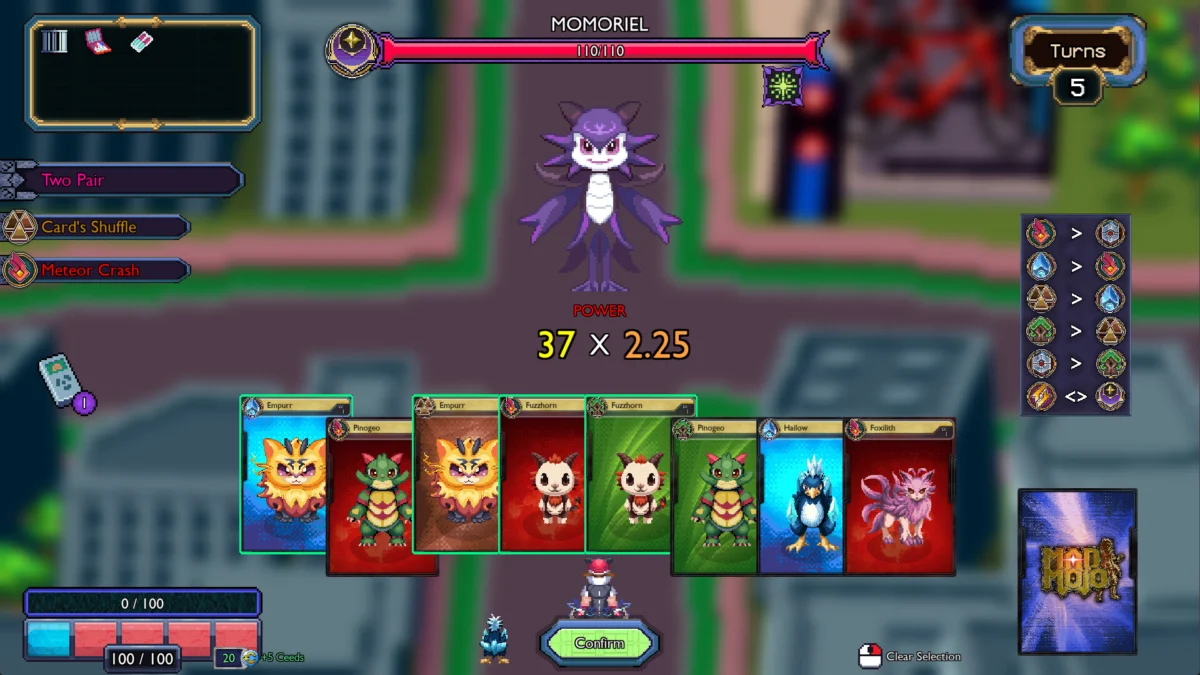
- Poker-Inspired Combat: Instead of traditional turn-based mana spending, players form Poker-style hands (pairs, flushes, etc.) to execute attacks against monsters.
- Resource Management: A unique "Mana-Deflection" system requires players to actively parry enemy attacks to regain the energy needed to play cards.
- Vast Customization: With over 100 unique cards and 50 artifacts, the game offers deep roguelike synergy potential.
- The "Save Icon" Helper: A digital assistant that guides—or perhaps misguides—the player through the process of dismantling the game’s code.
Chronology: From Desktop to Dungeon
The experience of Mad Mojo follows a non-linear path that begins long before the first monster encounter. Understanding the chronology of a typical session is essential to grasping how the game subverts player expectations.
Phase 1: The Playtester’s Arrival
The game begins not with a title screen, but with a simulated operating system. The narrative premise is established through a series of emails from a "friend" who has sent the player a copy of Mad Mojo for playtesting. This phase encourages exploration of the "Art Folder" and other internal directories. Players can see character designs in their raw file formats, creating a sense of intimacy and vulnerability—as if the player is seeing something they aren’t supposed to see.
Phase 2: File Manipulation and the Helper
Early in the experience, players are introduced to a "helper" character shaped like a giant, sentient save icon. This entity acts as a tutorial guide but with an unsettling edge. It encourages the player to "delete aspects of the game" before even launching the executable. This mechanic serves as a difficulty modifier and a narrative branching point; by deleting certain files, the player can alter the game world, potentially uncovering secrets or "breaking" the reality of the simulation.
Phase 3: The Monster Encounters
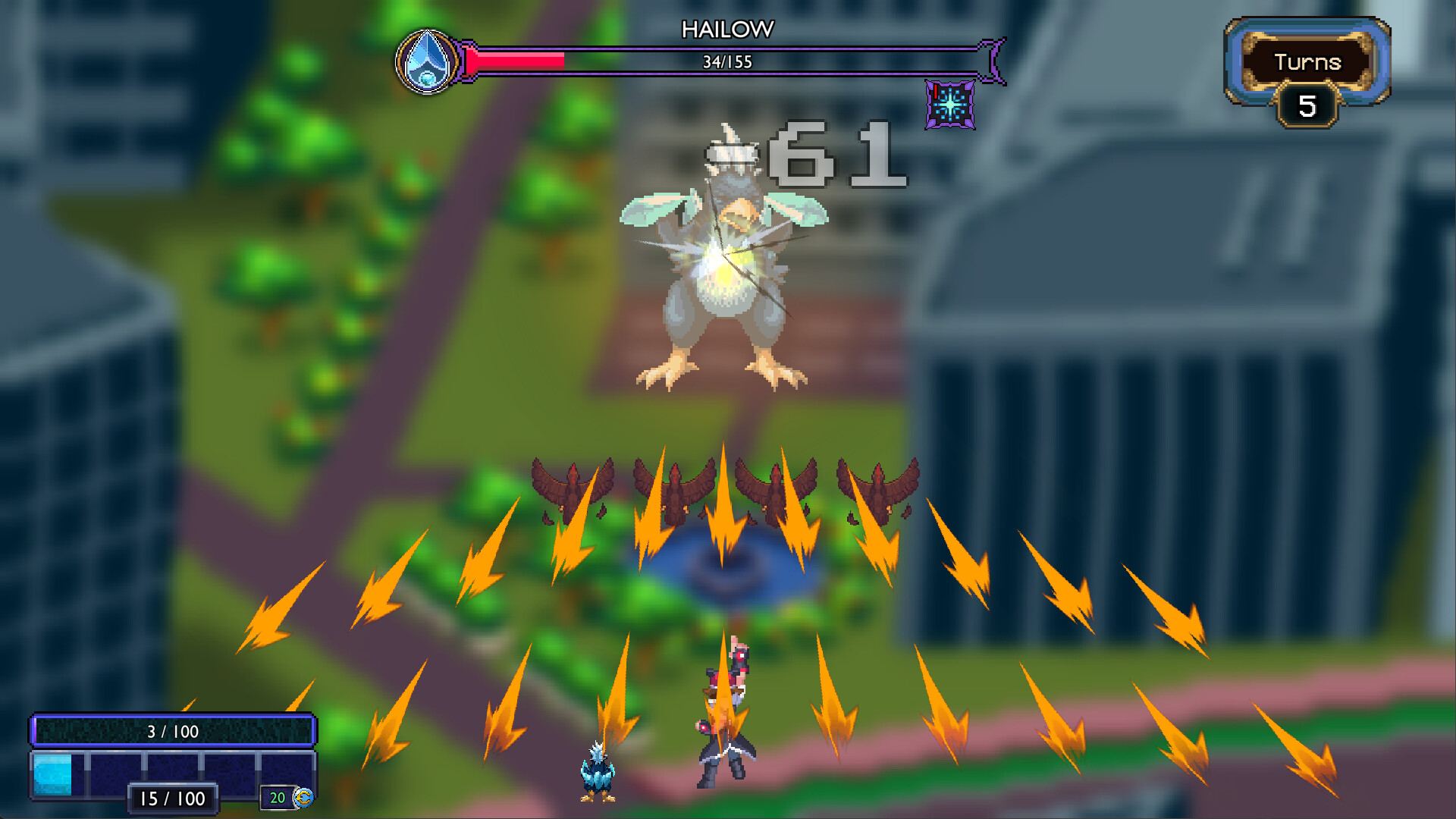
Once the "game" is launched from within the simulated desktop, the player enters the monster-catching phase. The world is populated by creatures that feature a "slightly off" aesthetic—visuals that feel intentionally uncanny, reminiscent of early 2000s internet creepypasta or low-fidelity experimental art. The player progresses through levels of increasing difficulty, facing more powerful creatures that require more sophisticated card combinations to defeat.
Supporting Data: The Mechanics of "Poker-Combat"
While the meta-narrative provides the atmosphere, the mechanical depth of Mad Mojo is found in its combat system. The developers have leaned heavily into the recent trend of "Poker-core" gameplay, popularized by titles like Balatro, but have adapted it for a monster-battling context.
The Card and Artifact System
The game features a robust library of assets designed to ensure high replayability:
- 100+ Unique Cards: These represent the monsters and abilities the player can use. Cards are categorized not just by power, but by their visual backgrounds.
- 50+ Artifacts: These passive items act as "superchargers," modifying how Poker hands are calculated or providing defensive buffs.
- Visual Synergies: A key tactical element involves matching cards with identical backgrounds. This visual-matching mechanic simplifies the high-level strategy, making the Poker elements accessible even to those unfamiliar with the traditional card game.
The Mana and Deflection Loop
Unlike many deckbuilders where mana is replenished automatically at the start of a turn, Mad Mojo forces an aggressive defensive playstyle.
- Attack Phase: Playing cards costs mana. If a player exhausts their mana pool, they are left vulnerable.
- Deflection Phase: When a monster attacks, the player must "deflect" the strike. Successful deflections are the primary way to regain mana.
- Consequences of Failure: Failing to deflect does more than just reduce health; it limits the number of cards a player can draw or play in the subsequent round, creating a "death spiral" that punishes poor timing and lack of focus.
Official Context: The Rise of "Uncanny" Indie Gaming
While specific developer statements from the MCM Comic Con floor remain focused on the "mystery" of the game, industry analysts note that Mad Mojo is part of a broader movement in indie development. The game’s reliance on "glitch aesthetics" and fourth-wall breaking is a deliberate design choice intended to foster player engagement through curiosity and fear.
The choice to use a "Save Icon" as a central character is a nostalgic nod to the digital era of the late 90s, tapping into "frutiger aero" or "Y2K" aesthetics that have become popular in modern horror. By framing the player as a "playtester," the developers shift the player’s role from a passive consumer to an active participant in a digital conspiracy. This method of storytelling allows for a modular narrative where the "truth" about the friend and the game’s origin is hidden behind layers of simulated data.
Implications: Why "Breaking the Game" Matters
The implications of Mad Mojo’s design choices reach into the psychology of modern gaming. There is a growing trend of "software-based horror," where the threat is not a monster on screen, but the idea that the software itself is malicious or sentient.

The Appeal of the Forbidden
By telling the player they can delete files "if they dare," Mad Mojo utilizes reverse psychology. In a standard game, the boundaries are rigid; in Mad Mojo, the boundaries are presented as fragile. This creates a high level of "emergent narrative," where two players might have vastly different experiences based on which files they chose to "corrupt" or delete before starting their run.
Accessibility via Poker
From a mechanical standpoint, the use of Poker hands as a combat language is a masterstroke of accessibility. Poker is a near-universal language of probability and risk. By mapping these familiar patterns onto monster battles, Mad Mojo bypasses the steep learning curve often associated with complex CCGs (Collectible Card Games). The addition of the mana-deflection system adds a layer of "twitch" skill (reaction time) that is usually absent from the deckbuilding genre, potentially attracting fans of action games.
The Mystery of the "Friend"
The narrative hook regarding the "friend" who sent the game remains the most compelling unanswered question from the MCM Comic Con demo. The suggestion that there is a "code to be cracked" regarding the friend’s identity and the game’s true purpose suggests that Mad Mojo will feature multiple endings or a "true" ending hidden behind complex ARG (Alternate Reality Game) elements.
Conclusion: A Digital Haunting on the Horizon
Mad Mojo is more than a simple hybrid of Pokémon and Balatro. It is a calculated piece of experimental media that uses the familiar comforts of a card game to lure players into a digital labyrinth. With its "slightly off" graphics, its subversive file-manipulation mechanics, and a combat system that rewards both strategic thinking and quick reflexes, it is positioned to be a standout indie title of the year.
The game is currently available for wishlisting on Steam, with a release window slated for later this year. For players who enjoy the feeling of uncovering a secret, or for those who simply want to see what happens when you delete a game’s "brain" before playing it, Mad Mojo offers a uniquely unsettling opportunity to "break the world" around them—if they dare.
Release Information Summary:
- Platform: Steam (PC)
- Genre: Monster-Catching Deckbuilder / Meta-Horror
- Key Features: 100+ cards, 50+ artifacts, Poker-based combat, File manipulation.
- Status: Demo showcased at MCM Comic Con; Full release expected late 2024.