
The Cutthroat World of Card Collecting: A Deep Dive into "You’re A Scalper, Aren’t You?" and the Real-World Phenomenon it Critiques
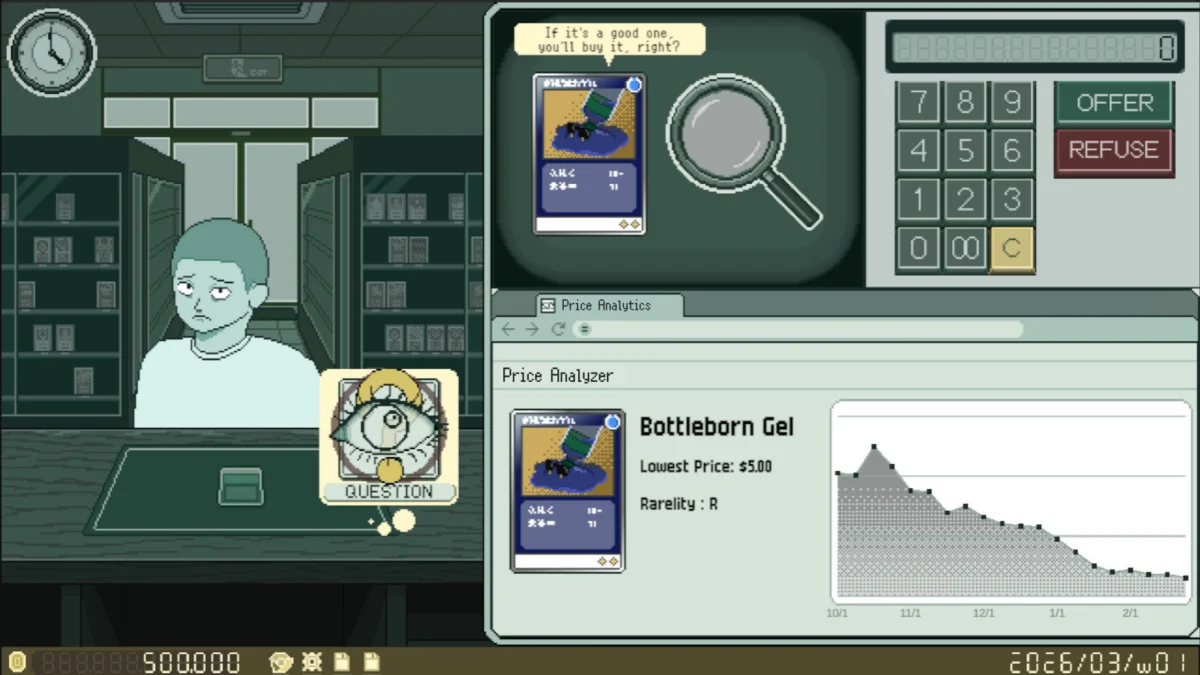
The digital realm of collectible card games (CCGs) often mirrors the often-unseen machinations of the real world. While not directly featuring Pokémon, the newly released management simulation, "You’re A Scalper, Aren’t You?", plunges players into the ethically murky waters of card collecting and trading, specifically targeting the predatory practice of scalping. This game offers a darkly satirical, yet surprisingly insightful, look at a phenomenon that has plagued popular franchises, including Pokémon, leaving a trail of frustration and inflated prices in its wake.
The game, developed by MiyabiGames, presents players with the role of a proprietor of a collectible card shop. Far from a straightforward business simulation, "You’re A Scalper, Aren’t You?" casts players as an antagonist, or at least a morally flexible participant, in a system designed to exploit demand for rare and sought-after cards. The core gameplay loop revolves around identifying and either confronting or collaborating with individuals who buy up these valuable items to resell them at exorbitant markups. This mirrors the real-world struggles faced by collectors and enthusiasts who find themselves priced out of their hobbies by opportunistic resellers.
The Core Gameplay: A Morally Ambiguous Simulation of Market Manipulation
At its heart, "You’re A Scalper, Aren’t You?" is a "job simulator" with a distinctly vengeful twist. Players are tasked with monitoring the fluctuating landscape of the wider card game market. This involves delving into a fictional equivalent of YouTube, dubbed "WowTube," to glean insights into which cards are poised for an increase in value. Armed with this foreknowledge, players must then interrogate customers who enter their shop. The objective is to discern whether these individuals are genuine collectors or opportunistic scalpers looking to exploit the system.
The game presents players with a stark choice when a scalper is identified: ban them from the establishment or engage in business. This decision is not merely a matter of principle; it is directly tied to the player’s own financial survival. The game acknowledges the harsh realities of running a business in a competitive market, suggesting that sometimes, to stay afloat, one might have to participate in the very practices they are meant to condemn. This moral ambiguity is a key thematic element, forcing players to confront the compromises often made in pursuit of profit.
The game’s mechanics extend beyond customer interactions. Players will also engage in haggling with wholesalers to acquire cards that are anticipated to surge in popularity. This aspect of the gameplay introduces further strategic considerations, as rival dealers may outmaneuver the player, snapping up desirable stock first. Furthermore, the player’s reputation plays a crucial role. A shop known for its unscrupulous practices might find certain wholesalers refusing to do business, adding another layer of consequence to the player’s actions.
The Real-World Parallels: Pokémon and the Scalping Epidemic
While "You’re A Scalper, Aren’t You?" deliberately sidesteps direct association with specific franchises like Pokémon, its thematic resonance with the real-world issues surrounding such games is undeniable. The game’s depiction of "WowTube" and the hunt for trending cards directly reflects the online communities and influencer culture that often drive speculation in the CCG market. The frustration of seeing beloved and sought-after items, like Pokémon’s "Prismatic Evolution" packs, disappear from shelves only to reappear at astronomical prices is a shared experience for many collectors.
The article itself highlights the severity of this issue with anecdotal evidence. The mention of "Magic Madhouse" and the phrase "Forget it, Jake – it’s PikachuIllustratorTown" are evocative nods to the real-world challenges faced by collectors. The Pikachu Illustrator card, a legendary and incredibly rare Pokémon card, has frequently been at the center of scalping controversies, often fetching hundreds of thousands of dollars. This serves as a potent, albeit fictionalized, representation of the extreme ends of the card collecting market that "You’re A Scalper, Aren’t You?" satirizes.
Supporting Data and Official Responses: Acknowledging the Problem
The game’s critique of scalping is not an isolated observation; it aligns with widespread concern and even official actions taken by major players in the CCG industry. The article touches upon the broader implications of this phenomenon by referencing real-world efforts to combat scalping:
-
The Pokémon Company’s Considerations: The article points to reports suggesting that The Pokémon Company has contemplated implementing drastic measures, such as requiring government ID checks, to curb scalping activities. This indicates that the issue has reached a level of concern where even major corporations are exploring unconventional solutions to protect their consumers and the integrity of their products. The implication is that the scale of scalping has become a significant threat to the hobby and its community.
-
Extreme Incidents of Theft: The mention of a "Florida chainsaw break-in" serves as a stark reminder of the lengths to which some individuals will go to acquire valuable cards. This news story, while sensational, underscores the immense monetary value attributed to certain collectibles and the criminal enterprises that can emerge in response to such demand. These incidents highlight the darker, more illicit side of the card market, driven by unchecked greed.
These real-world examples provide crucial context for "You’re A Scalper, Aren’t You?". The game, therefore, acts as a digital mirror, reflecting a complex and often frustrating reality for enthusiasts. By allowing players to embody a character within this system, it offers a unique perspective on the forces at play and the ethical dilemmas involved.
Implications: Beyond the Game
The existence and popularity of games like "You’re A Scalper, Aren’t You?" suggest a broader cultural commentary on consumerism, market dynamics, and the ethics of scarcity. The game’s satirical approach allows for a critical examination of:
-
The Psychology of Collecting: The game taps into the inherent human desire for possession and the thrill of acquiring rare items. It also explores the darker side of this desire, where it can morph into obsession and exploitative behavior.
-
Market Vulnerabilities: The game highlights how certain markets, particularly those driven by passion and nostalgia, can be susceptible to manipulation. The emotional investment of collectors can be exploited by those who understand market dynamics and are willing to engage in aggressive tactics.
-
The Ethics of Profit: "You’re A Scalper, Aren’t You?" forces players to confront the question of where the line is drawn between legitimate business practice and predatory profiteering. The game suggests that in a cutthroat environment, survival may necessitate compromises that blur these ethical boundaries.
Future Directions and Player Experience
The author expresses a desire for a more integrated gameplay experience, wishing for a fully functional CCG within "You’re A Scalper, Aren’t You?" where understanding the game’s mechanics would be crucial for identifying scalpers. While the current implementation may be more scripted, the underlying concept remains compelling.
For those interested in exploring a more celebratory, or at least a different perspective, on the broader concept of "scalping" that extends beyond specific franchises, the article recommends wishlisting "Scalper’s Spoils." This suggests a growing interest in games that engage with the complexities of market economics, even in its more controversial manifestations.
In conclusion, "You’re A Scalper, Aren’t You?" transcends its initial premise of being "not specifically about Pokémon." It serves as a potent and engaging commentary on a real-world phenomenon that has impacted numerous hobbies and communities. By allowing players to navigate the morally ambiguous world of card collecting and trading, the game offers a unique and thought-provoking experience that resonates with the frustrations and complexities of the modern collectible market. It invites players to consider the forces that drive scalping and the difficult choices that arise in a world where passion meets profit.




Leave a Comment