The Digital Fridge: Vidabay Snaps and the Evolution of the Instant Photograph
In the modern household, the refrigerator door has long served as a curated gallery of personal history. From faded Polaroids and school portraits to souvenir magnets and handwritten notes, these surfaces represent a tactile repository of sentiment. However, as photography has migrated almost entirely to the digital realm, the bridge between the smartphone gallery and the physical home environment has become increasingly complex.
Enter the Vidabay Snap—a product that attempts to synthesize the nostalgic aesthetic of instant film with the reusability of modern display technology. This miniature, magnetic E Ink display is designed to mimic the iconic look of a Polaroid print while offering the flexibility of a digital photo frame. Yet, as with many innovations at the intersection of analog charm and digital utility, the Vidabay Snap presents a fascinating case study in trade-offs, technical limitations, and the enduring power of the "lo-fi" aesthetic.
Main Facts: A Hybrid Approach to Personal Imagery
The Vidabay Snap is essentially a pocket-sized, wireless E Ink screen housed within a frame that mirrors the dimensions and border style of an instant film print. Unlike traditional digital photo frames that require a constant power source and often emit a distracting glow, the Vidabay Snap utilizes "electronic paper" technology. This allows the device to maintain an image indefinitely without consuming power, only requiring a small burst of energy when the image is being updated.

Key Specifications and Features:
- Display Technology: Low-power E Ink (Electronic Paper).
- Connectivity: Near Field Communication (NFC) for image transfers.
- Mounting: Integrated magnetic backing for attachment to refrigerators, lockers, or metal frames.
- Compatibility: Optimized for iOS (iPhone); compatible with select NFC-enabled Android devices.
- Color Options: Available in White, Black, Yellow, and Red frames.
- Pricing: Currently retailing at approximately $29.99 for a single unit, with bundle discounts available (e.g., $86.99 for a three-pack).
- Sustainability: Reusable indefinitely, contrasting with the single-use nature of chemical instant film.
While the product is marketed as a modern alternative to Fujifilm Instax or Polaroid Go prints, it occupies a unique niche. It is not a camera, but rather a peripheral for the smartphone, acting as a physical "anchor" for digital memories.
Chronology: From Chemical Reactions to Electrophoretic Displays
To understand the positioning of Vidabay Snaps, one must look at the broader timeline of instant photography.
- The Analog Era (1948–2000s): Edwin Land’s Polaroid Corporation dominated the market, turning photography into an immediate, social experience. The physical "artifact" of the print was the product.
- The Digital Revolution (2000s–2010s): The rise of digital cameras and eventually smartphones nearly rendered instant film obsolete. Polaroid filed for bankruptcy twice, and the focus shifted to screens.
- The Retro Revival (2010–Present): A surge in nostalgia led to the massive success of Fujifilm’s Instax line and the "Impossible Project" (now Polaroid). Consumers began craving physical copies of their digital photos once more.
- The Rise of "Calm Tech" (2020s): As screen fatigue set in, E Ink emerged as a preferred medium for non-intrusive displays. This paved the way for products like the Aura Ink frame and, eventually, the miniaturized Vidabay Snaps.
Vidabay Snaps represent the latest stage in this chronology: the "Digital Artifact." It seeks to provide the permanence of a print without the recurring cost of film or the environmental waste of chemical processing.

Supporting Data: Technical Performance and User Experience
The allure of the Vidabay Snap lies in its simplicity, but technical analysis reveals a more nuanced reality regarding its performance, particularly for users outside the Apple ecosystem.
The NFC Hurdle
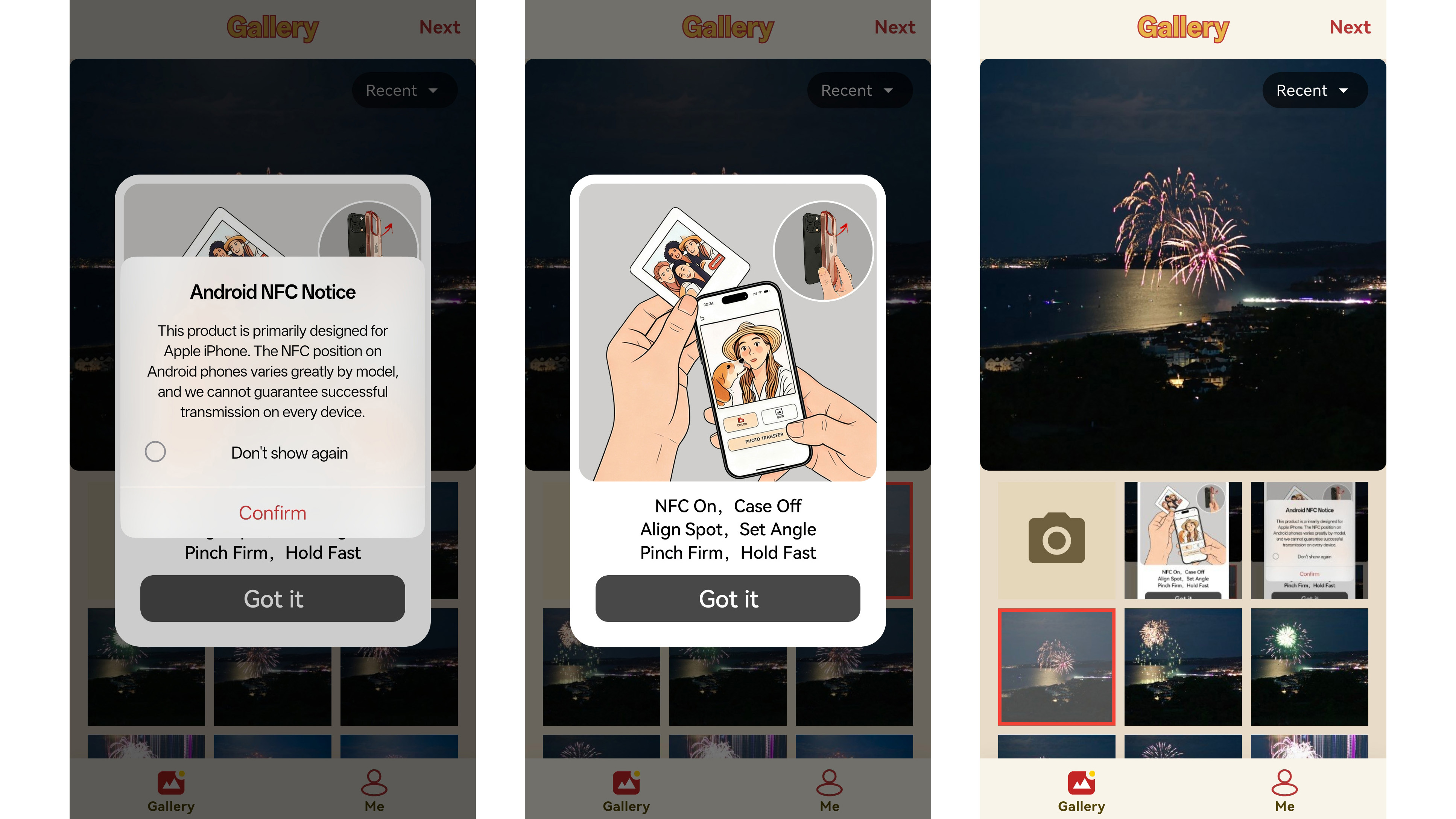
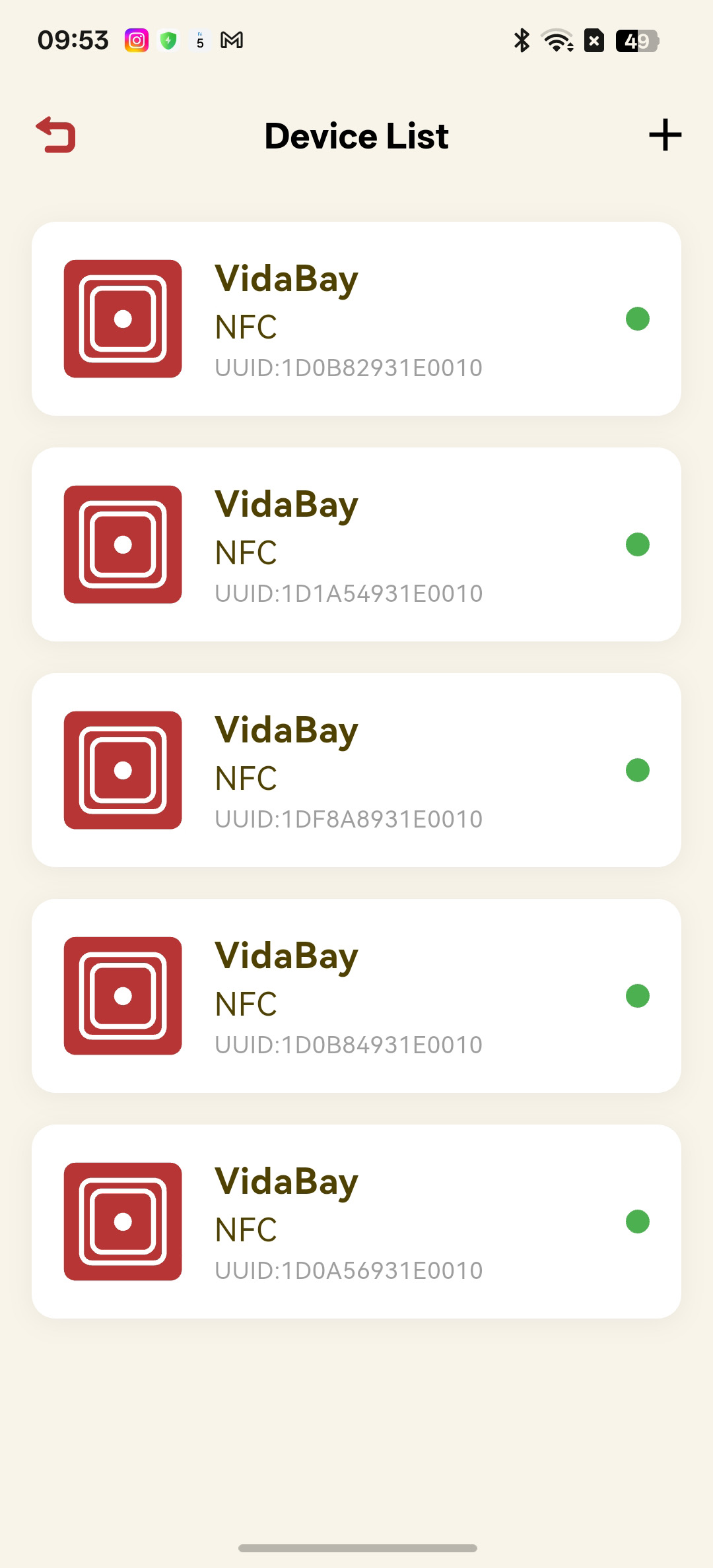
The primary method for updating a Vidabay Snap is via NFC. In testing with high-end Android devices, such as the Oppo Find X9 Ultra, the connection process has proven to be "fiddly." Unlike Bluetooth or Wi-Fi, which have a broader range, NFC requires precise alignment between the smartphone’s internal coil and the Snap’s receiver.
Reports indicate that image uploads can take upwards of 30 seconds. During this window, the device must remain perfectly still against the phone. For Android users, this often results in multiple failed attempts—sometimes as many as 15—before a successful handshake is established. This suggests that while the hardware is versatile, the software-handshake protocols are currently optimized for the standardized NFC placement found in iPhones.

The Color Gamut Limitation
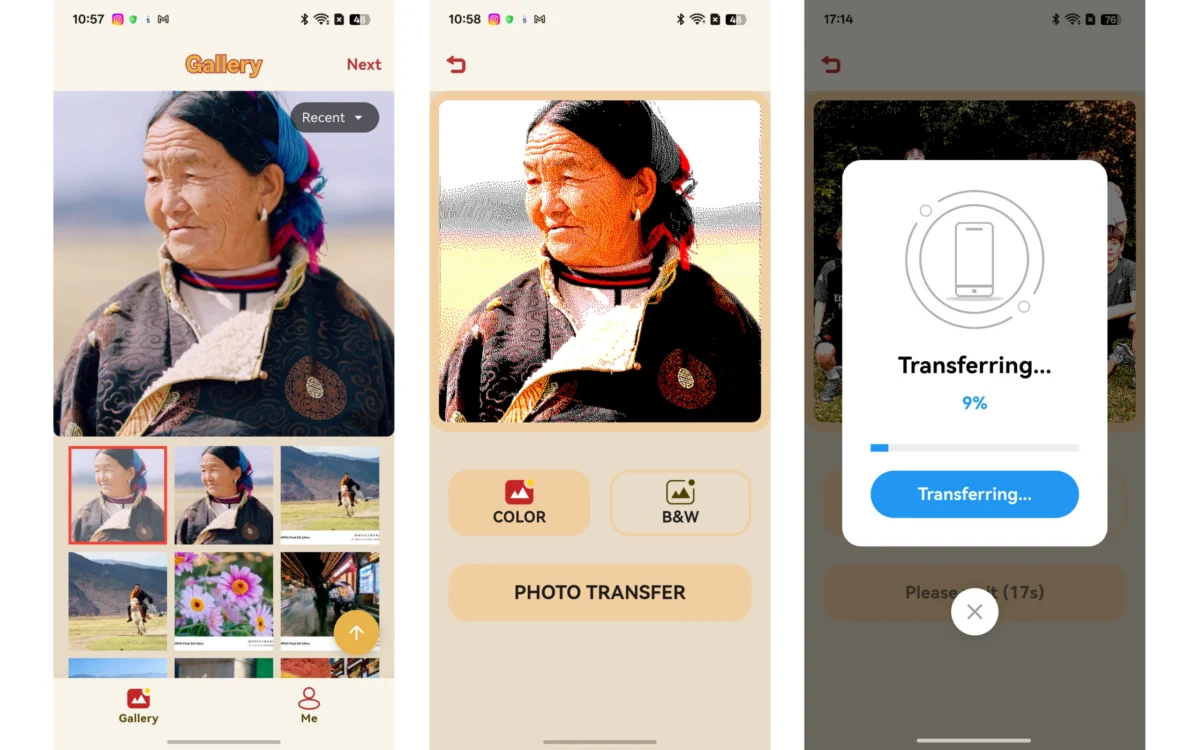
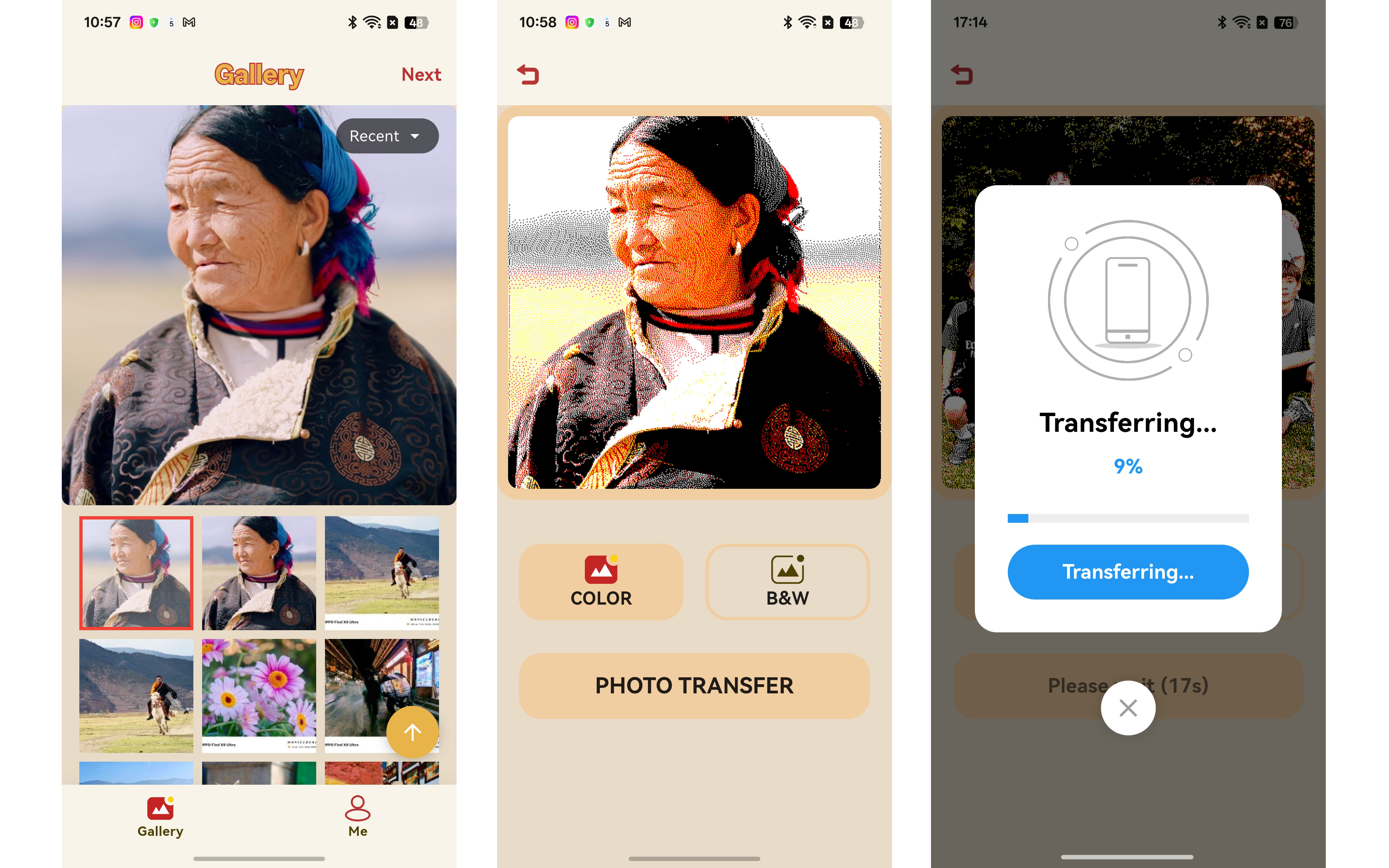
Perhaps the most significant piece of supporting data regarding the Vidabay Snap is its limited color reproduction. While E Ink has made strides in recent years, the specific panels used in the Snaps are unable to display the color blue.
In practical terms, this means:
- Landscape Photography: A bright blue sky often renders as a muddy grey or off-white.
- Sports/Portraits: Clothing or eyes that are blue are translated into monochromatic tones.
- Contrast: The resulting image has a "lo-fi," high-contrast look that resembles a vintage newspaper print more than a high-fidelity photograph.
Economic Comparison
When evaluating the Vidabay Snap, consumers must weigh the initial investment against long-term savings.
- Instax Mini/Polaroid Go: Roughly $0.80 to $1.50 per print. The cost is low upfront but scales with use.
- Vidabay Snap: $30 upfront. The cost per "print" drops to near zero over time, as the image can be changed thousands of times.
Official Responses and Manufacturer Roadmap
While Vidabay has not issued a formal press release to address the specific "blue-light" limitation, their product documentation and support channels acknowledge the experimental and "lo-fi" nature of the E Ink technology. The company emphasizes that these devices are intended for "sentimental" use rather than professional-grade photo reproduction.
Regarding the connectivity issues faced by Android users, Vidabay has signaled a proactive approach. The company has confirmed that a Bluetooth dock is currently in development. This peripheral is expected to:
- Standardize Connectivity: Remove the reliance on precise NFC alignment.
- Broaden Compatibility: Ensure that older or non-standard Android devices can interface with the Snaps seamlessly.
- Improve UX: Potentially allow for batch-updating multiple frames simultaneously.
Furthermore, the Vidabay app—available on both the App Store and Google Play—is reportedly slated for updates to address user interface concerns, such as the inability to rename individual frames or crop images within the app’s square format.
Implications: The Future of Ambient Computing
The emergence of Vidabay Snaps carries broader implications for how we interact with technology in the home. It represents a shift toward "Ambient Computing" or "Calm Technology"—devices that provide information or aesthetic value without demanding the user’s constant attention.
1. The End of "Disposable" Memories
By moving away from chemical film, Vidabay offers a more sustainable path for the "instant" aesthetic. As environmental concerns become a primary driver for consumer choice, the ability to have a "forever" Polaroid that doesn’t require plastic cartridges or caustic chemicals is a significant selling point.
2. The Personalization of the Smart Home
Most smart home displays (like the Amazon Echo Show or Google Nest Hub) are large, bright, and often feel like intrusive "black mirrors" when not in use. The Vidabay Snap suggests a future where smart displays are decentralized and integrated into the existing decor. We may see a move toward "smart wallpaper" or clusters of small E Ink tiles that update based on the time of day, location, or social media feeds.
3. The Niche for "Imperfection"
The success of a product that cannot even display the color blue highlights a fascinating trend: the rejection of digital perfection. In an era of AI-generated, ultra-high-definition imagery, there is a growing market for devices that introduce "organic" flaws. The dithering patterns of an E Ink screen provide a texture that feels more "real" to some users than the sterile pixels of an OLED display.
Conclusion
The Vidabay Snap is a polarizing device. For the Android power user, the current NFC implementation and app limitations may present a barrier to entry that outweighs the novelty. For the iPhone user seeking a unique, low-cost gift, it offers a charming way to bring digital photos into the physical world.
As the company moves toward its Bluetooth-enabled future and refines its software, the Vidabay Snap could evolve from a "fiddly" novelty into a staple of modern interior design. For now, it remains a poetic reminder that even in a world of infinite digital storage, we still crave a small, magnetic corner of the fridge to call our own.