The halls of San Diego Comic-Con 2026 were electrified tonight as Prime Video pulled back the curtain on one of the most anticipated horror projects of the decade: Mike Flanagan’s miniseries reimagining of Stephen King’s debut novel, Carrie. While the property has seen numerous iterations over the last half-century, the first teaser trailer confirms that Flanagan—a filmmaker who has become the de facto custodian of the King cinematic universe—is finally bringing the novel’s most catastrophic and often-ignored elements to the screen.
The one-minute trailer not only introduces a new generation to the tragic figure of Carrie White but also signals a departure from the "contained" high school horror of previous films, embracing the full-scale urban annihilation that defined King’s 1974 masterpiece.
Main Facts: A New Vision for a Horror Icon
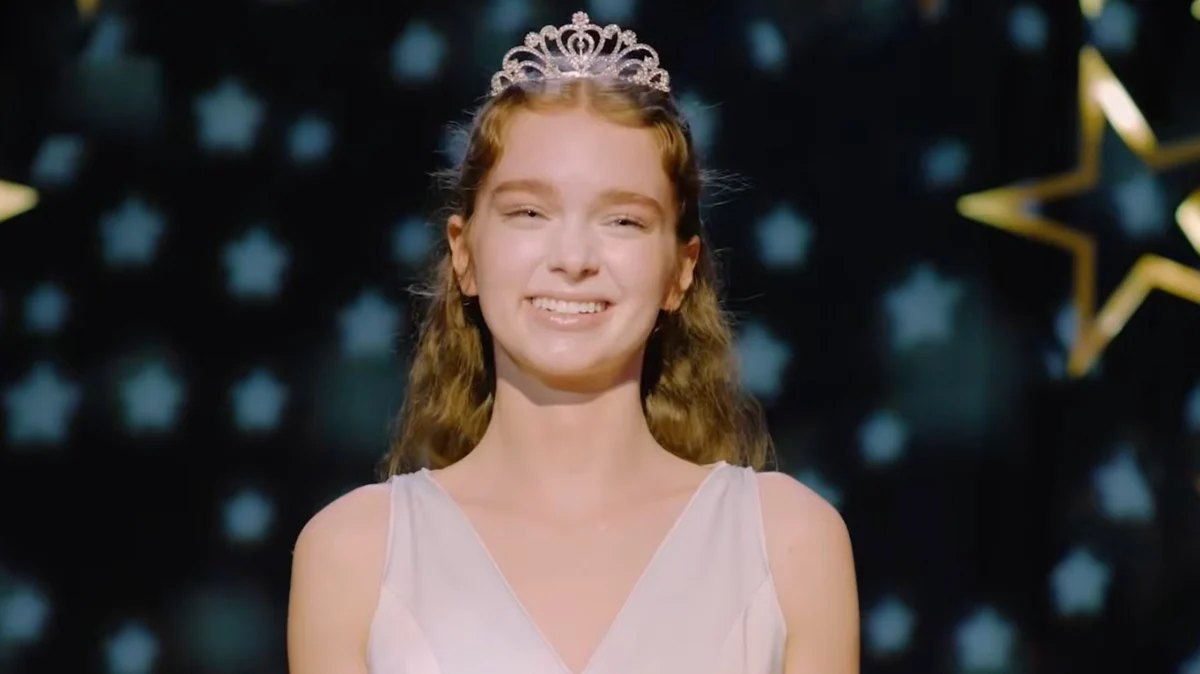
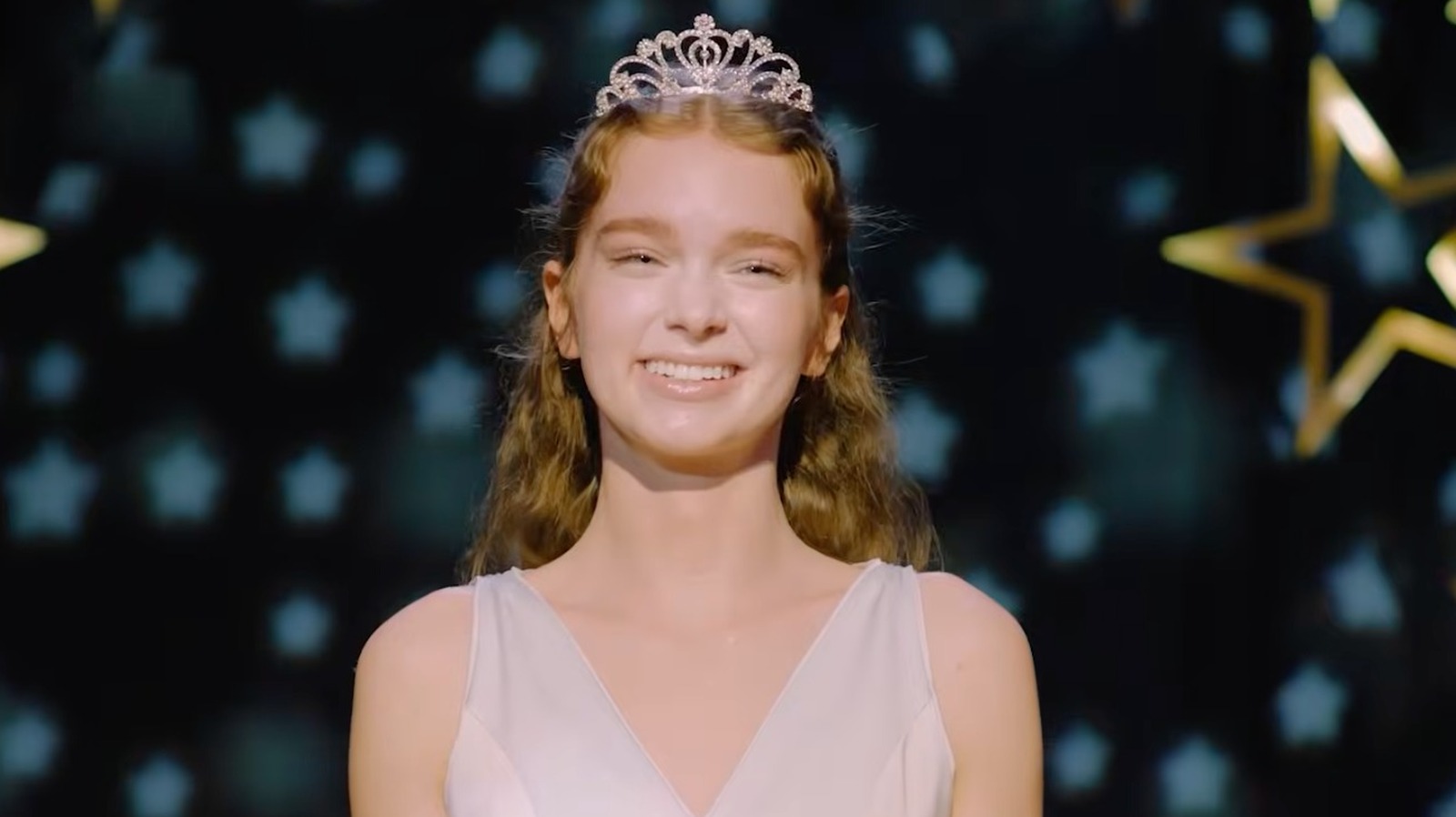
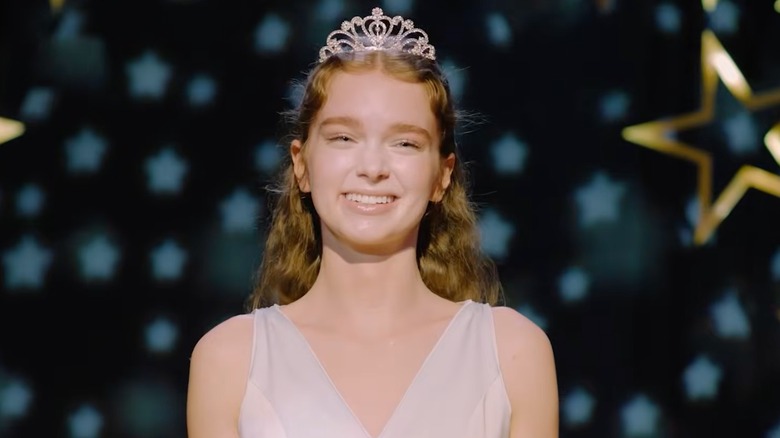
The Prime Video miniseries, slated for release on October 7, 2026, stars Summer H. Howell (Curse of Chucky) as the titular Carrie White. Howell follows in the footsteps of Sissy Spacek, Angela Bettis, and Chloë Grace Moretz, but early footage suggests her portrayal may be the most grounded in the psychological trauma of the source material.
The trailer opens with a haunting close-up of Carrie, crowned and trembling, as the infamous bucket of pig’s blood hangs precariously above her. However, the teaser quickly pivots away from the familiar. Rather than focusing solely on the carnage within the gymnasium, the footage offers a series of rapid-fire glimpses into a modernized Chamberlain, Maine.
Key details revealed in the SDCC presentation include:
Modernization: The bullying of Carrie has been updated for the digital age, featuring a "Carrie Red" Instagram account used by her peers to humiliate her after her first period.
Expanded Cast Dynamics: Alison Thornton stars as Chris Hargensen. The trailer hints at a more complex, perhaps deceptive, friendship between Chris and Carrie prior to the prom night betrayal.
The Scale of Destruction: Most significantly, the trailer concludes with wide shots of the town of Chamberlain engulfed in flames, confirming that the "Town-Wide Rampage" from the novel will finally be realized.
Chronology: Fifty Years of ‘Carrie’ on Screen
To understand the significance of Flanagan’s approach, one must look at the history of Carrie in popular media. Published in 1974, the novel was King’s first published work and set the template for his "everyman" horror style.
1976: The De Palma Masterpiece: Brian De Palma’s film is widely considered a classic of the genre. However, due to budgetary and technical constraints of the era, the ending was significantly scaled back. In this version, Carrie burns down the school and returns home to kill her mother and herself. The destruction is intimate and personal.
1988: Carrie: The Musical: A notorious Broadway flop that attempted to bring the story to the stage, focusing more on the operatic tragedy of the mother-daughter relationship.
2002: The Bryan Fuller TV Movie: Starring Angela Bettis, this version attempted to incorporate the novel’s epistolary structure (the use of documents and interviews) but was hampered by a low budget and a mandated "happy ending" intended to launch a TV series that never materialized.
2013: The Kimberly Peirce Remake: Despite a strong performance by Chloë Grace Moretz and Julianne Moore, this version largely followed the De Palma blueprint, failing to capture the massive scale of the book’s climax.
Mike Flanagan’s 2026 series arrives as the first production with both the budget and the narrative runtime (via the miniseries format) to actually encompass the breadth of King’s original vision.
Supporting Data: The "Chamberlain Massacre" by the Numbers
The most jarring revelation for casual fans in the new trailer is the visual of a city in ruins. In Stephen King’s novel, Carrie White’s telekinetic explosion is not limited to her classmates. After leaving the burning wreckage of the high school, Carrie walks through the town of Chamberlain, methodically destroying everything in her path.
The discrepancy between the book and the previous films is statistically significant:
The Film Body Count: In the 1976 film, the body count is estimated at 73, primarily confined to the prom attendees.
The Novel Body Count: King’s text indicates a final death toll of approximately 440 people.
The Infrastructure: In the novel, Carrie uses her mind to open fire hydrants to prevent the fire department from working and triggers gas line explosions at local gas stations. She effectively wipes Chamberlain off the map.
Flanagan’s trailer shows a foot-level shot of Carrie in her blood-soaked gown walking past a line of exploding storefronts, a direct nod to the "Main Street" sequence that has been missing from the screen for 50 years. This shift transforms Carrie from a high school revenge story into a full-scale disaster epic, emphasizing the uncontrollable nature of her "TK" (telekinetic) powers when fueled by a lifetime of repressed trauma.
Official Responses and Creative Philosophy
While Stephen King has not yet issued a formal review of the footage, his long-standing relationship with Mike Flanagan suggests a high level of authorial approval. King has previously lauded Flanagan’s work on Doctor Sleep and Gerald’s Game, often stating that Flanagan is one of the few directors who understands the "heart" behind the horror in his books.
In past interviews regarding the 1976 film, King noted: "De Palma’s Carrie is better than my book in some ways, but the book is more about the town and the tragedy of a community that failed a girl."
Flanagan, speaking via a pre-recorded message at the SDCC panel, echoed this sentiment:
"We aren’t just remaking a movie; we are re-reading a masterpiece. The tragedy of Carrie White isn’t just what happens in that gym; it’s the fact that the entire town of Chamberlain watched her drown for years and did nothing. When she finally snaps, the town goes with her. We wanted to show that scale."
The inclusion of the "Carrie Red" Instagram account also speaks to Flanagan’s intent to make the story relevant to 2026. By utilizing social media as a tool for Carrie’s isolation, the series highlights how modern technology can accelerate the "pressure cooker" effect that leads to her eventual breakdown.
Implications: The "Flana-verse" and the Future of King Adaptations
The move to Prime Video for this project is a strategic one. Following the success of The Fall of the House of Usher and Midnight Mass on Netflix, Flanagan’s transition to Amazon’s streaming giant marks a new era for prestige horror.
1. The Death of the 100-Minute Horror Film?
The decision to adapt Carrie as a miniseries rather than a feature film suggests that the industry is recognizing the density of King’s work. The "epistolary" nature of the novel—which uses mock-interviews, police reports, and scientific journals to tell the story—is difficult to execute in a two-hour window. A miniseries allows Flanagan to utilize these "found footage" elements, potentially giving the show a true-crime aesthetic that aligns with current viewing trends.
2. A New Standard for Fidelity
If Flanagan successfully executes the town-wide destruction of Chamberlain, it sets a high bar for future King adaptations. Fans have long clamored for a version of The Stand or IT that doesn’t shy away from the more "unfilmable" or large-scale sequences of the books. Flanagan’s Carrie could serve as a proof-of-concept that modern VFX can finally keep up with King’s imagination.
3. The Psychological Impact
By focusing on the "Instagram" age of bullying, the series stands to spark a conversation about the escalating nature of teen mental health and cyberbullying. While the 1976 version focused on the "shock" of the blood, the 2026 version appears poised to focus on the "why" of the violence, framing Carrie’s rampage as a systemic failure of a modern community.
As the trailer concludes with the date "October 7, 2026," horror fans are left with a haunting image: a lone girl in a red dress, standing in the center of a burning city, finally being seen by a world that tried its best to ignore her. For Mike Flanagan and Stephen King, it seems the third time—or rather, the fifth—is the charm.
Mark Rydell, the Academy Award-nominated director whose sensitive touch and deep roots in the Meisner technique transformed him into one of Hollywood’s most respected "actor’s directors," pa
The cinematic landscape of 2026 has been defined by an unlikely phenomenon: a flock of investigative ewes. In a year filled with big-budget sequels and superhero fatigue, Amazon MGM Studios’ The Sheep
In an industry increasingly defined by the search for authentic, multi-disciplinary voices, the signing of a new talent often serves as a barometer for where the medium is heading. Recently, Anonymous