The Digital Architects: How Concept Art World is Safeguarding the Future of Visual Storytelling
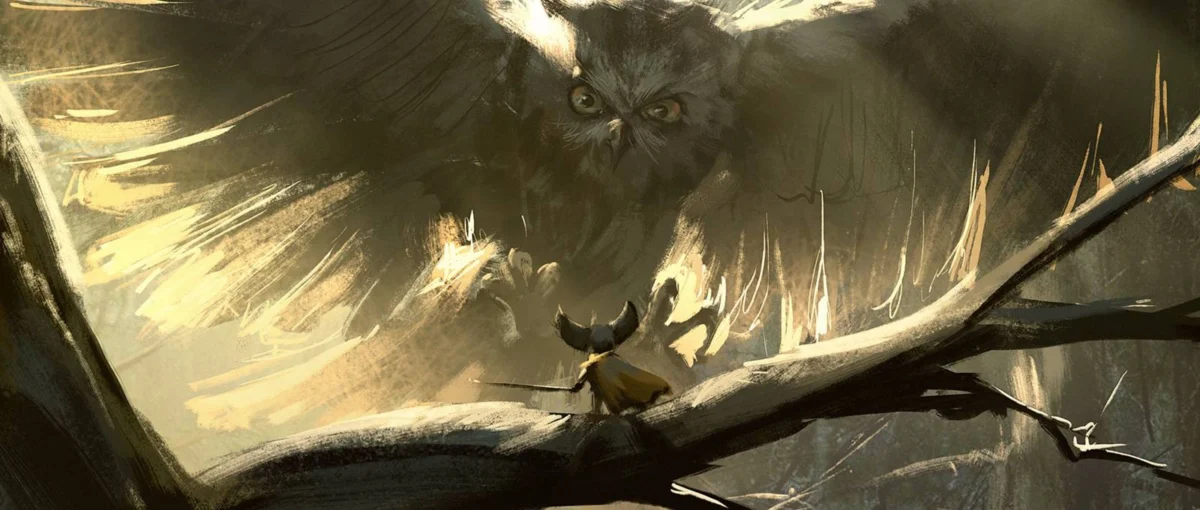
In the rapidly evolving landscape of global entertainment, the bridge between a raw idea and a multi-billion-dollar cinematic or gaming franchise is built by a select group of visual architects. These professionals, known as concept artists and visual development illustrators, provide the aesthetic DNA for the worlds we inhabit on screen. Central to this creative ecosystem is Concept Art World (CAW), a premier digital platform that has recently doubled down on its mission to showcase human ingenuity while taking a firm stand against the unauthorized use of creative intellectual property by artificial intelligence.
The platform’s recent features—highlighting the works of industry titans like Donovan Valdes, Olivier Pron, Luc de Haan, and the intricate world-building of Raphael Lübke for SpellForce 3—serve as a testament to the irreplaceable value of the human hand in the digital age.
Main Facts: The Pillars of Modern Visual Development
Concept Art World functions as more than just a gallery; it is a historical record of the entertainment industry’s visual evolution. The platform’s core mission is to highlight the "visual development" phase of production—a stage where characters, environments, and technologies are designed before a single frame of film is shot or a single line of code is written.
Featured Artists and Their Contributions
The current spotlight on Concept Art World emphasizes four distinct voices that have shaped modern pop culture:
- Raphael Lübke and SpellForce 3: Lübke’s work for the iconic hybrid RTS/RPG title SpellForce 3 (developed by Grimlore Games and published by THQ Nordic) showcases the depth of fantasy world-building. His concept art does not merely depict scenes; it establishes the cultural history, architectural logic, and atmospheric tension of the world of Eo.
- Donovan Valdes: A veteran known for his work on the Assassin’s Creed franchise, Valdes is a master of historical immersion. His ability to blend historical accuracy with cinematic flair has defined the look of some of gaming’s most successful titles.
- Olivier Pron: A visionary in the film industry, Pron’s credits include Guardians of the Galaxy and Doctor Strange. He is renowned for his "environment concepts" that push the boundaries of physics and geometry, creating the psychedelic and cosmic landscapes that have become the hallmark of the Marvel Cinematic Universe.
- Luc de Haan: A senior concept artist at Guerrilla Games, de Haan’s fingerprints are all over the Horizon and Killzone series. His work explores the intersection of nature and high-technology, a theme that has redefined the "post-post-apocalyptic" genre.
The AI Prohibition
In a significant update to its operational policy, Concept Art World has issued a definitive legal stance: "Any training of AI systems using this content is strictly prohibited." This move aligns the platform with a growing global movement of artists seeking to protect their "style" and "intellectual labor" from being scraped by Large Language Models (LLMs) and generative image synthesizers.
Chronology: From Sketchbook to Screen
The role of the concept artist has undergone a radical transformation over the last three decades. To understand the importance of platforms like Concept Art World, one must look at the timeline of the industry.
- The 1970s-1980s (The Analog Era): Concept art was largely an internal production tool. Artists like Ralph McQuarrie (Star Wars) and H.R. Giger (Alien) worked with physical paints and pencils. Their work was rarely seen by the public until years after a film’s release.
- The 1990s (The Digital Transition): The advent of Photoshop and Wacom tablets allowed for faster iteration. Concept art began to leak into the "making of" segments of DVDs, sparking public interest in the process.
- The 2000s (The Rise of the "Rockstar" Artist): With the explosion of AAA gaming and the MCU, artists like Feng Zhu and Craig Mullins became household names in the creative community. Online forums and galleries began to centralize these works.
- The 2010s (Concept Art World’s Emergence): Concept Art World established itself as a curated, high-end resource, moving away from the "noise" of social media to provide a professional-grade showcase for industry veterans.
- 2020-Present (The AI Challenge): The emergence of generative AI created a crisis of copyright. Concept Art World shifted from a purely promotional platform to a defensive one, implementing strict anti-scraping policies to protect the livelihoods of the artists it features.
Supporting Data: The Economic and Creative Impact
The importance of the artists featured on CAW is backed by the staggering economic performance of the projects they lead.
The Value of "Visual DNA"
- Gaming: SpellForce 3, highlighted through Raphael Lübke’s work, represents a segment of the AA and AAA gaming market where visual fidelity is a primary selling point. The global gaming market, valued at over $200 billion, relies on concept art to "sell" a game to investors long before it is playable.
- Cinema: Olivier Pron’s work on Doctor Strange contributed to a film that grossed over $677 million. The "Mirror Dimension" sequence, heavily influenced by concept artists, was cited as a revolution in visual effects.
- Employment: According to industry surveys, a senior concept artist in the US or Europe can command salaries ranging from $80,000 to $150,000, reflecting the high level of specialized skill required—skills that CAW argues cannot be replicated by AI without infringing on the artist’s original work.
The "Scraping" Crisis
Data from the Human Art Collective suggests that over 5 billion images have been scraped from the internet to train AI models without the consent of the original creators. Concept Art World’s decision to ban AI training is a direct response to this data, aiming to preserve the "Artist-to-Industry" pipeline that sustains thousands of creative jobs.
Official Responses: Defending the Human Element
The stance taken by Concept Art World is mirrored by the artists themselves. In various interviews and industry panels, the sentiment remains consistent: concept art is about problem-solving, not just image generation.
The Editorial Stance of CAW:
"Concept Art World is a trusted resource for creative professionals… All images are © by the artist(s) or their respective copyright holders." By explicitly forbidding AI training, CAW is asserting a legal boundary. They argue that while AI can generate a "cool image," it cannot perform the specific, iterative "visual development" required to build a functioning 3D world or a believable character arc.
The Artist Perspective:
Artists like Donovan Valdes and Luc de Haan have often spoken about the "intentionality" of their work. Every brushstroke in a Horizon environment concept by de Haan is designed to tell a story about the world’s history. Official responses from the creative community suggest that AI-generated art lacks this "narrative weight," as it is based on statistical probability rather than creative intent.
Implications: The Future of Creativity in a Synthetic World
The firm boundary set by Concept Art World has several long-term implications for the entertainment industry and the legal landscape of digital art.
1. The Legal Battle for "Style"
Concept Art World’s prohibition of AI training sets the stage for future copyright litigation. If a platform clearly states that its content is off-limits for machine learning, any AI company that scrapes that data could be held liable for willful infringement. This could lead to a future where AI companies must pay licensing fees to platforms like CAW to access high-quality, human-made training data.
2. The Premium on Human Originality
As the internet becomes flooded with "synthetic" images, the value of curated platforms like Concept Art World will likely increase. Producers and Art Directors look for artists who can think, adapt, and collaborate. The work of Raphael Lübke on SpellForce 3 is valuable because it is a cohesive vision that responds to a specific game design document—a feat AI has yet to master.
3. Education and Tutorials
CAW also serves as an educational hub. By protecting the work of veterans, they ensure that the next generation of artists learns from human masters rather than "averages" of machine-generated content. The "tutorials" section of the site remains a vital bridge for students aspiring to reach the level of Olivier Pron or Donovan Valdes.
4. A New Era of Digital Ethics
The "2026" copyright notice on the platform suggests a forward-looking strategy. We are entering an era of "Digital Ethics," where the provenance of an image—who made it and how—becomes as important as the image itself. Concept Art World is positioning itself as the "fair trade" equivalent of the art world, where every pixel is guaranteed to be the result of human effort and imagination.
Conclusion
The digital galleries of Concept Art World represent more than just beautiful pictures; they are the blueprints of our modern mythology. By championing the work of Raphael Lübke, Donovan Valdes, and others, while simultaneously drawing a line in the sand against AI exploitation, CAW is fighting for the soul of the creative industry. In the battle between human intentionality and algorithmic mimicry, Concept Art World has made its choice: the future of imagination must remain in human hands.