
The Digital Gothic: Unpacking the James Van Der Beek Tribute and the Political Resonance of ‘Devil May Cry’ Season 2
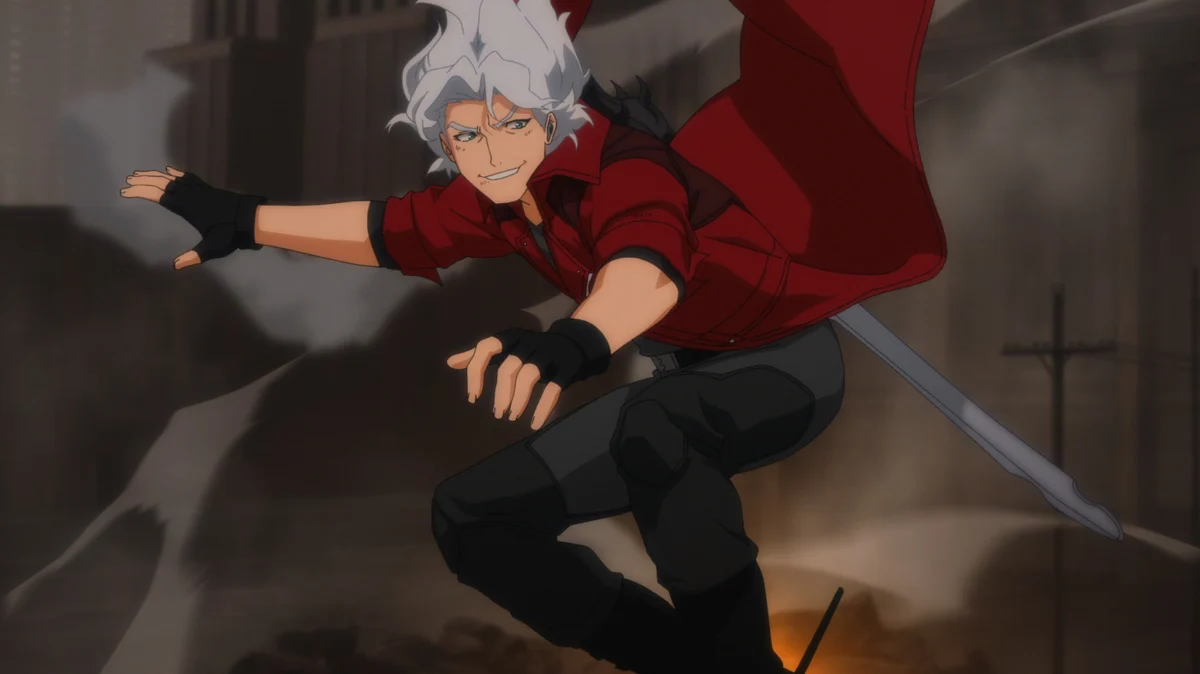
The release of Devil May Cry Season 2 on Netflix has sparked a wave of conversation that extends far beyond its hyper-stylized combat and gothic aesthetics. While fans tuned in to see the continuation of Dante’s demon-hunting saga, they were met with a poignant and unexpected moment of reflection in the premiere episode’s closing moments. A tribute card, dedicated to the late James Van Der Beek, has invited viewers to look closer at the personal bonds and creative philosophies that drive one of Netflix’s most ambitious animated offerings.
As the series matures, it is becoming clear that creator Adi Shankar is doing more than just adapting a beloved Capcom video game franchise. He is weaving a complex tapestry of personal grief, early-2000s nostalgia, and scathing political commentary, all set to a soundtrack of nu-metal and punk rock.
The Tribute: A Final Farewell to an Unexpected Icon
The premiere episode of Season 2, titled "The Fallen," concludes not with a cliffhanger, but with a somber "In Memoriam" card. The text reads: "For My Older Brother, JAMES VAN DER BEEK, 1977-2026."
For many viewers, the tribute was a moment of confusion followed by deep sadness. James Van Der Beek, the Dawson’s Creek star who became a cultural touchstone of the late 90s and early 2000s, was not a member of the Devil May Cry voice cast. Unlike Season 1, which featured posthumous tributes to industry titans Kevin Conroy and Tony Todd—both of whom lent their legendary voices to the series—Van Der Beek’s connection to the project was entirely personal.
The tribute serves as a public goodbye from Adi Shankar to a man he considered a mentor and a "brother." While Van Der Beek’s career was defined by his work in live-action television and film, his influence on the creative community behind the scenes was apparently profound. The dates on the card—marking his passing in 2026—suggest a narrative set slightly in our future, or perhaps a reflection of the show’s own internal timeline, yet the emotional weight is anchored in the real-world loss of a collaborator and friend.
Chronology of a Creative Sacrifice: The "Roadhouse" Connection
The depth of the friendship between Shankar and Van Der Beek is perhaps best illustrated by a significant change made to the Season 2 soundtrack. In the world of high-octane animation, music is as much a character as the protagonists themselves. For a climactic fight sequence late in the season, Shankar had originally meticulously choreographed the action to Phil Collins’ iconic 1981 hit, "In the Air Tonight."
The song, famous for its atmospheric build and explosive drum break, seemed a perfect fit for the "stylish action" synonymous with Devil May Cry. However, a private screening of the animatic for Van Der Beek changed the course of the production.
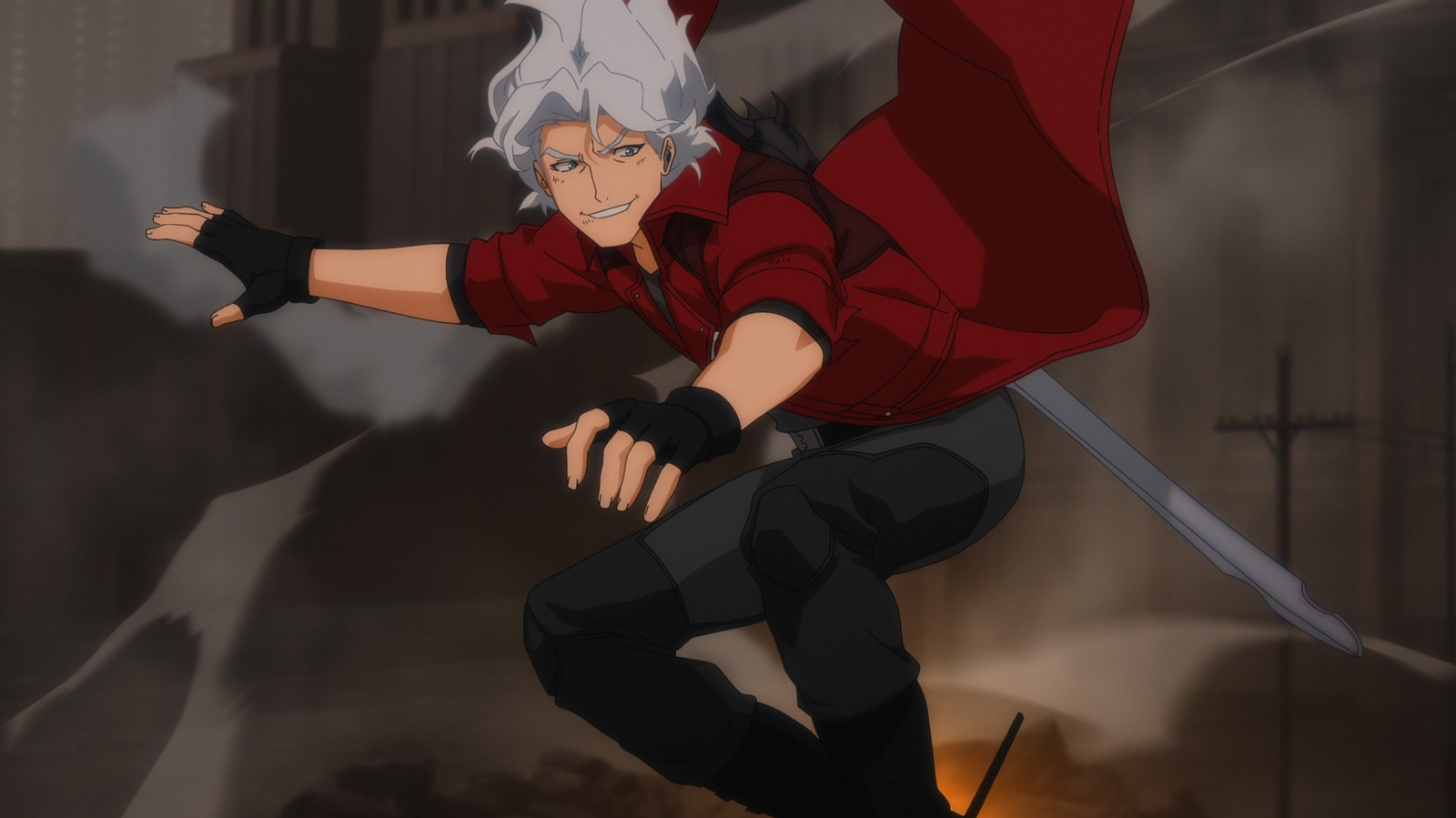
As Shankar revealed in recent interviews, Van Der Beek mentioned that he was developing a Roadhouse television series and had envisioned using that exact Phil Collins track for a pivotal sequence in his own project. In an act of creative deference and personal respect, Shankar made the immediate decision to pull the song from Devil May Cry.
"I wanted him to be able to use the song someday," Shankar noted, reflecting on the period before Van Der Beek’s passing. "I didn’t want to take that away from him." This decision forced a total reimagining of the scene’s audio landscape, leading Shankar to lean further into the show’s established sonic identity.
Supporting Data: The Musical Identity of the "Sparda-Verse"
The removal of the Phil Collins track ultimately reinforced what has become Devil May Cry’s most distinct feature: its unwavering commitment to the "nu-metal" and "emo" aesthetic of the early 2000s.
To understand why this matters, one must look at the history of the Devil May Cry games. The original 2001 title was a breakthrough for the PlayStation 2, defined by its "cool" factor—leather coats, dual pistols, and industrial metal riffs. Shankar’s adaptation doesn’t just reference this era; it lives in it. By eschewing "super commercial pop culture songs" in favor of the raw, angst-driven sounds of the turn of the millennium, Shankar maintains a tonal purity that resonates with the franchise’s core demographic.
The show’s soundtrack serves as a time capsule. It utilizes the aggressive energy of nu-metal and the melodic sorrow of punk rock to mirror Dante’s internal conflict. This isn’t a modern interpretation of the character; it is a reconstruction of how the world felt in the years surrounding 2001. Shankar has described the show’s setting as being located in his "memory of the world, pre- and post-9/11." This period, characterized by a specific blend of technological optimism and geopolitical dread, provides the perfect backdrop for a story about literal and metaphorical demons.
Official Responses: Adi Shankar on the "Memory of the World"
In statements shared via social media and industry interviews, Shankar has been transparent about the show’s idiosyncratic direction. He views Devil May Cry not as a sterile adaptation of game mechanics, but as a medium for "gonzo" storytelling.
"I decided I really needed to lean into the nu-metal," Shankar told What’s on Netflix. This decision was not merely about style; it was about honoring the "older brother" figure he lost. By moving away from mainstream hits, the show carved out a niche that feels both nostalgic and avant-garde.
Furthermore, Shankar’s focus on the "9/11 era" aesthetic explains the show’s visual brutality. Drawing inspiration from 90s "ultra-violence" anime like Ninja Scroll, the series utilizes a gritty, hand-drawn feel that stands in stark contrast to the clean, 3D-assisted look of many modern Western animations. This is a deliberate choice to evoke the "PlayStation 2" era of storytelling—a time when boundaries were being pushed and the medium felt more dangerous.
Implications: Animation as Political Allegory
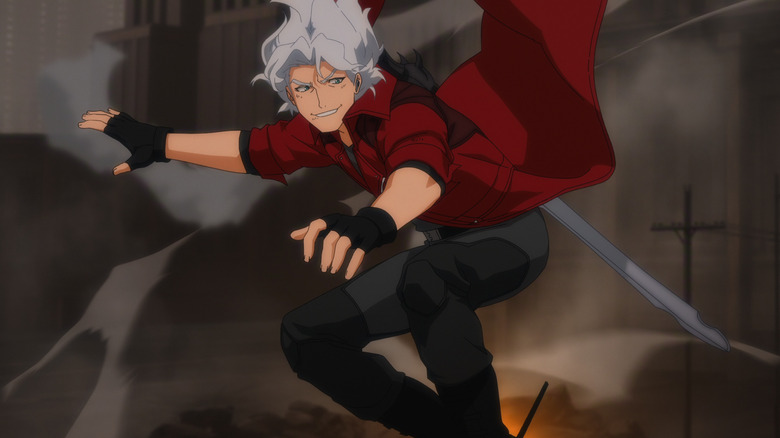
Perhaps the most startling aspect of Devil May Cry Season 2 is its refusal to shy away from heavy-handed political commentary. While the games focused largely on personal family drama between Dante and his brother Vergil, Shankar’s series uses the conflict between Heaven, Hell, and Humanity as a lens for modern history.
Season 1 concluded with a shocking sequence: the United States declaring an unprovoked war on Hell. The visuals of missiles raining down on demonic architecture, scored to Green Day’s "American Idiot," left little doubt about the intended parallel to the Iraq War. It was a bold, "on-the-nose" critique of interventionist foreign policy and the dehumanization of "the other."
Season 2 doubles down on these themes. The new episodes introduce footage of black site detention centers, the systematic torture of civilians (both human and demon-adjacent), and the bureaucratic machinery of war. By framing the "demon invasion" as a geopolitical event rather than a simple supernatural occurrence, the show forces the audience to question who the true monsters are.
This shift has significant implications for the future of video game adaptations. It suggests that these properties can be more than just "fan service"; they can be platforms for creators to process collective trauma and personal loss. The tribute to James Van Der Beek, the sacrifice of a musical choice, and the inclusion of anti-war sentiments all point to a series that is deeply human, despite its titular focus on the devil.
Conclusion: A Legacy of Style and Substance
Devil May Cry Season 2 is a rare specimen in the streaming landscape. It is a show that wears its heart on its sleeve, whether that heart is breaking for a lost friend or burning with frustration at the state of the world.
The tribute to James Van Der Beek serves as the emotional anchor for the season, reminding viewers that behind the high-budget animation and the iconic intellectual property are real people navigating grief. By choosing to honor Van Der Beek through creative integrity—sticking to the show’s "nu-metal" soul rather than opting for a commercial hit—Adi Shankar has created a work that feels authentically personal.
As Dante continues his journey through a world that looks increasingly like our own troubled past, Devil May Cry stands as a testament to the power of the early 2000s aesthetic. It is loud, it is violent, and it is unapologetically political—a fitting tribute to an era, and a friend, that will not be forgotten.

Leave a Comment