The Architect of ‘Peaky Blinders’ Issues a Call to Arms: Why Steven Knight Wants Streamers to Invest in the Future of British Talent
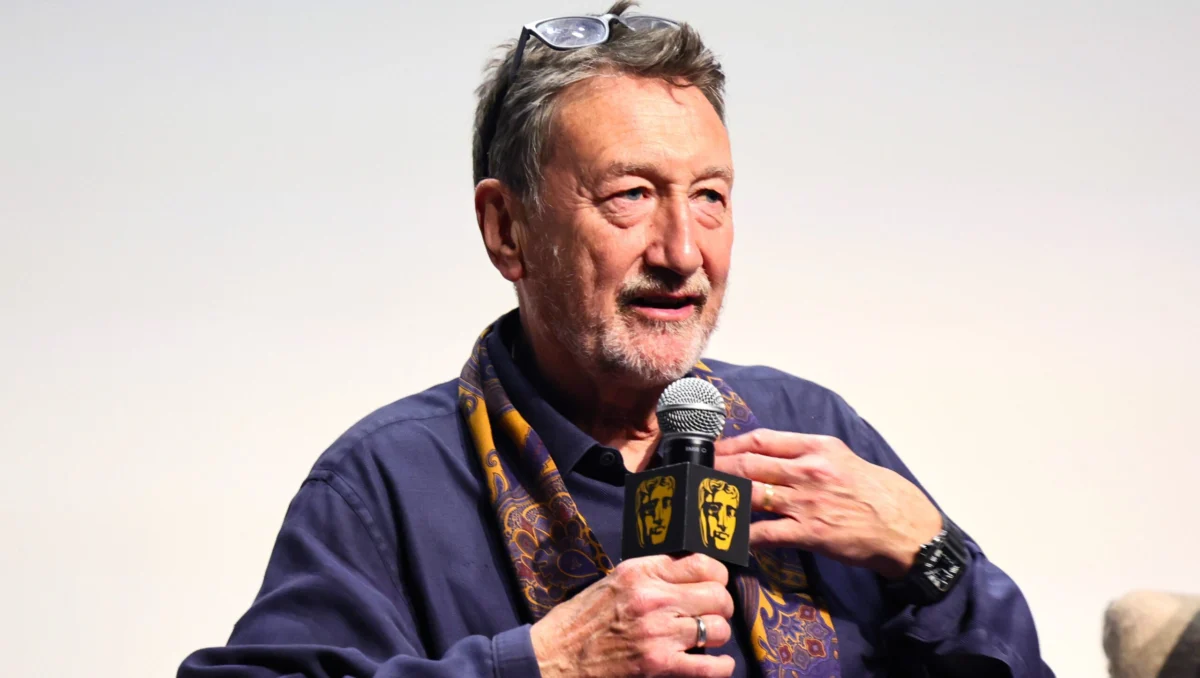
The landscape of British television and film is currently navigating a period of profound transformation, caught between its storied history of public service broadcasting and the high-octane, deep-pocketed reality of global streaming. At the center of this debate is Steven Knight, the visionary creator of the Peaky Blinders franchise and the scribe recently tapped to pen the next installment of the James Bond cinematic universe.
In a recent and high-profile appearance before the UK Parliament’s Culture, Media and Sport Committee (CMSC), Knight offered a nuanced but firm proposition: the American streaming giants that have found a "goldmine" in British creative talent must now play a direct role in replenishing the well from which they drink.
Knight’s testimony arrives at a critical juncture for the UK’s creative economy, as traditional funding models face unprecedented pressure and the demand for skilled labor in the film and television sector reaches an all-time high.
Main Facts: A Diplomatic Proposal for Industrial Sustainability
Steven Knight’s testimony to the CMSC was characterized by a distinct lack of hostility, opting instead for a "sensible proposition" aimed at fostering a symbiotic relationship between US-based streamers—such as Netflix, Amazon Prime Video, and Disney+—and the UK’s grassroots creative infrastructure.
The "Sensible Proposition"
Unlike some of his contemporaries who have called for a mandatory "streamer levy," Knight advocated for a collaborative financial contribution. He suggested that streamers should fund the training and development of the next generation of British writers, directors, and craftspeople.
"There might be an argument to be made to already empathetic streamers that this country is so great for you because of the training that’s done," Knight told the committee. He envisioned a system—perhaps even branded with the streamers’ names—that would provide the capital necessary to maintain and enhance the UK’s existing talent pipeline.
Avoiding "Compulsion"
A key takeaway from Knight’s evidence was his caution against the word "levy." In the world of international production, a levy implies a tax or a forced deduction, which Knight fears could disincentivize inward investment. "The word ‘levy’ suggests compulsion," he noted. "Isn’t there a way that we can make it apparent that this is a good idea for everybody concerned?"
Knight’s logic is rooted in pragmatism: if the UK becomes too expensive or bureaucratically burdensome due to new taxes, the massive production budgets currently flowing into UK studios like Pinewood, Shepperton, and Knight’s own Digbeth Loc. in Birmingham could easily migrate to more tax-friendly territories in Eastern Europe or North America.
The BBC vs. The Streamers
Knight used his own magnum opus, Peaky Blinders, as a case study for the current ecosystem’s flaws and strengths. He emphasized that the series, which became a global cultural phenomenon, would never have existed without the BBC’s willingness to take a risk on a gritty, period-piece drama set in the West Midlands in 2013.
However, he pointed out that the BBC’s shrinking budgets have changed the calculus. While the BBC birthed the series, the upcoming feature film, Peaky Blinders: The Immortal Man, is being produced for Netflix. This transition highlights a growing trend where the UK’s public service broadcasters (PSBs) act as the R&D department for the industry, only for the "scale-up" and global profit-taking to be handled by US tech giants.
Chronology: The Road to the Committee Room
The debate over how streamers should contribute to the UK’s creative economy has been simmering for several years, but it reached a boiling point in 2023.
- Mid-2023: The Kosminsky Proposal: Peter Kosminsky, the acclaimed director of Wolf Hall, popularized the idea of a "streamer levy" during a period of acute funding crisis for British drama. Kosminsky argued that it was unsustainable for streamers to reap the benefits of a workforce trained by the BBC and Channel 4 without contributing to the cost of that training.
- April 2024: CMSC Endorsement: Following months of inquiry, the Culture, Media and Sport Committee officially endorsed the idea of a 5% levy on the UK revenues of major streamers. The committee recommended that this be enshrined in law if the industry failed to reach a voluntary agreement within a year.
- Late 2024: Government Hesitation: Despite the CMSC’s recommendation, British ministers remained lukewarm. The Department for Culture, Media and Sport (DCMS) specifically ruled out using such a levy to supplement the BBC’s license fee income, fearing it would violate trade agreements or stifle investment.
- Present Day: Steven Knight’s testimony represents a "third way"—an attempt to bridge the gap between the CMSC’s desire for a mandate and the government’s fear of industry blowback.
Supporting Data: The Economic Weight of the UK Creative Sector
To understand why Knight’s proposal is so significant, one must look at the sheer scale of the UK’s film and TV industry and the shifting dynamics of its funding.
Inward Investment
According to the British Film Institute (BFI), the total spend on film and high-end television (HETV) production in the UK reached £4.23 billion in 2023. Of that, a staggering 78% came from "inward investment," primarily driven by US streamers and studios. This underscores Knight’s point: the UK is currently a "service economy" for Hollywood, and any policy change must be handled with surgical precision to avoid a mass exodus of capital.
The Skills Gap
A 2023 report by ScreenSkills, the industry-led skills body, indicated that the UK needs an additional 20,000 crew members by 2025 to keep up with production demand. The cost of training this workforce has historically fallen on public service broadcasters and government-funded initiatives. As streamers take up more "stage space" and hire more local crew, the burden of training is becoming disproportionately heavy on the PSBs, whose revenues (like the BBC license fee) are declining in real terms.
The "French Model" Comparison
Proponents of the levy often point to France, where the CNC (Centre National du Cinéma et de l’image animée) imposes strict obligations on streamers. In France, platforms like Netflix are required to invest a percentage of their local revenue into local content production and independent European works. Knight’s proposal is a "light" version of this, focusing on training and infrastructure rather than direct content quotas.
Official Responses: A Divided Front
The reaction to Knight’s testimony and the broader levy proposal highlights a divide between legislative oversight and executive policy.
The Culture, Media and Sport Committee (CMSC):
The committee remains the strongest advocate for a formal mechanism. Their stance is that the "market" has failed to provide a sustainable future for independent British production. By recommending a 5% levy, they are signaling to the government that the era of streamers getting a "free ride" on the UK’s cultural infrastructure should end.
The UK Government (DCMS):
Government officials have consistently prioritized the UK’s status as a global production hub. Their primary concern is the "Audio-Visual Expenditure Credit" (AVEC), the UK’s tax incentive program. They argue that the AVEC is already doing the work of attracting streamers and that adding a levy on top could make the UK uncompetitive compared to territories like Ireland or New Zealand.
The Streamers (Netflix/Disney/Amazon):
While they have not issued a direct rebuttal to Knight’s specific "empathetic" proposal, their general stance has been one of "voluntary contribution." Netflix, for instance, has pointed to its "Grow Creative" program, which has invested millions in UK training. However, critics argue these are "marketing-led" initiatives rather than a structural commitment to the industry’s health.
Implications: What Happens Next?
Steven Knight’s intervention may well provide the roadmap for the next decade of UK media policy. If his "voluntary but structured" approach is adopted, several implications follow:
1. The Rise of the "Social Contract"
The industry may move toward a "Social Contract" model where streamers are granted access to the UK’s lucrative tax credits and world-class facilities in exchange for a documented, multi-year commitment to a national training fund. This avoids the legislative headache of a "tax" while ensuring a steady stream of capital for talent development.
2. Safeguarding the "Risk-Takers"
Knight’s point about the BBC is vital. If the BBC and Channel 4 continue to lose market share and funding, the UK loses its "incubator." Without the BBC taking a chance on a Birmingham-based gang drama in 2013, there would be no Peaky Blinders movie for Netflix to buy in 2024. Protecting the PSBs’ ability to take creative risks is essential for the long-term pipeline of IP that streamers eventually monetize.
3. Regional Decentralization
Knight’s focus on training also ties into his work in Birmingham. By encouraging streamers to invest in training, there is an opportunity to move the industry away from its London-centric roots. If Netflix or Amazon were to fund "Screen Academies" in the West Midlands, the North, or Scotland, it would democratize the industry and tap into a wider pool of talent.
4. Global Precedent
The world is watching the UK. As one of the largest production hubs outside of Los Angeles, the UK’s decision on a streamer levy or contribution will set a precedent. If the UK successfully negotiates a "Knight-style" agreement, other nations may follow suit, creating a new global standard for how tech giants interact with national creative industries.
Conclusion
Steven Knight is not just a writer; he is a builder of worlds, both on-screen and off. His call for streamers to financially foster the next generation of British talent is a plea for sustainability in an era of disruption. By framing the contribution as a "sensible proposition" rather than a "compulsory levy," he has offered a diplomatic path forward that recognizes the streamers’ importance to the economy while demanding they take responsibility for its future.
As the government weighs the CMSC’s recommendations, Knight’s words serve as a reminder: the "immortal" nature of British storytelling depends not just on the stars in front of the camera, but on the invisible army of craftspeople behind it—and someone, eventually, has to pay for their training.