The Dinniman Hegemony: Analyzing the Locus Bestseller Lists for November 2026
The landscape of speculative fiction publishing is often characterized by its volatility, with new subgenres and viral sensations frequently disrupting the established order. However, the data released for the November 2026 Locus Bestseller list—compiled from sales figures in June 2026—reveals a level of market dominance rarely seen in the magazine’s history. Matt Dinniman, the vanguard of the LitRPG (Literary Role-Playing Game) movement, has achieved what industry insiders are calling a "clean sweep," securing the top four positions on the Hardcover list and the premier spot on the Trade Paperback list.
As the publishing world looks toward the final quarter of the year, these figures provide a definitive snapshot of consumer behavior, highlighting a significant shift toward gamified narratives, the enduring power of established science fiction backlists, and the unwavering loyalty of the Warhammer 40,000 fanbase.
I. Main Facts: A Monopoly on the Podium
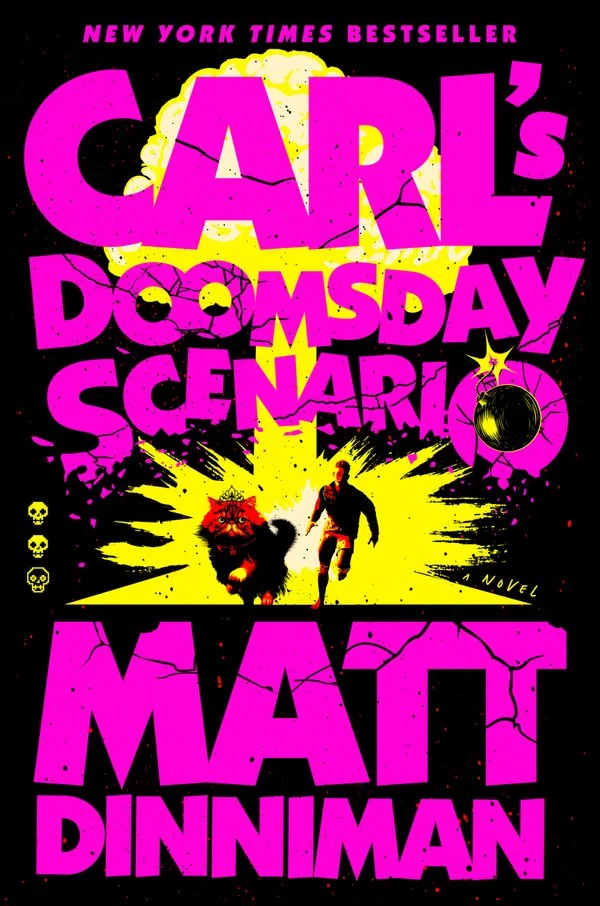
The headline of the November reporting cycle is undoubtedly the performance of Matt Dinniman’s Dungeon Crawler Carl series, published by Ace. In an unprecedented showing, Dinniman claimed the top four slots in the Hardcover category. Carl’s Doomsday Scenario took the #1 position, followed by The Gate of the Feral Gods at #2, A Parade of Horribles at #3, and The Dungeon Anarchist’s Cookbook at #4.

This level of saturation by a single author in the top tier of the charts suggests a massive "binge-reading" trend, likely spurred by a combination of high-profile marketing pushes from Ace and a burgeoning mainstream interest in the LitRPG genre.
In the Trade Paperback category, the dominance continued. The flagship title of the series, Dungeon Crawler Carl, unseated the previous month’s leader to take the #1 spot. Meanwhile, the Media-Related and Gaming-Related list saw a dual victory for veteran author Dan Abnett, whose contributions to the Warhammer 40,000 universe—specifically the Eisenhorn Omnibus and Horus Rising—shared the top honors.
Key Statistics at a Glance:
- Hardcover Leader: Carl’s Doomsday Scenario by Matt Dinniman (Month 6 on list).
- Trade Paperback Leader: Dungeon Crawler Carl by Matt Dinniman (Month 6 on list).
- Media/Gaming Leaders: Warhammer 40,000: Eisenhorn: The Omnibus and Horus Rising (Dan Abnett).
- Nomination Volume: 51 hardcover titles (up from 45) and 72 trade paperback titles (up from 63).
II. Chronology: Shifting Tides and Market Longevity
To understand the current state of the market, one must look at the movement of these titles over the preceding months. The June 2026 data reflects a period of intense competition where several "evergreen" titles faced off against a wave of new releases and series expansions.

The Rise of the "Carl" Phenomenon
In May 2026, Carl’s Doomsday Scenario held the #3 position. Its ascent to #1 in June indicates a late-series surge, possibly coinciding with a promotional event or a "read-along" campaign within the speculative fiction community. Even more impressive is the re-entry of The Gate of the Feral Gods at #2, a title that was not present on the previous month’s list, suggesting a concerted effort by fans to complete their physical collections.
The Trade Paperback Battle
The Trade Paperback list has become a theater of war between the "New Guard" and the "Modern Classics." For several months, Andy Weir’s Project Hail Mary (Ballantine) has held the #1 spot, capitalizing on its 20-month residency on the charts. However, June marked the moment Matt Dinniman’s flagship trade edition finally overtook Weir, pushing Project Hail Mary to #2.
Long-Term Survivors
While the top of the charts saw significant movement, the lower half revealed the remarkable "tail" of certain franchises. Sarah J. Maas’s A Court of Thorns and Roses (Bloomsbury US) marked its 47th month on the list, a staggering achievement that underscores the "Romantasy" genre’s role as a structural pillar of modern book sales. Similarly, Andy Weir’s The Martian continues to appear after 24 months, proving that science fiction with high cinematic crossover appeal remains a permanent fixture in the consumer consciousness.

III. Supporting Data: Regional Insights and Runner-Ups
The Locus Bestseller list is unique in that it draws data from a curated selection of independent and specialty bookstores across North America. This methodology provides a "purer" look at what dedicated genre fans are purchasing, as opposed to the broader, algorithm-driven trends of mass-market retailers.
Contributing Institutions
The data for this period was compiled from the following specialty hubs:
- Canada: Bakka-Phoenix (Toronto), McNally Robinson (two locations), White Dwarf (Vancouver).
- California: Borderlands (San Francisco), Mysterious Galaxy (San Diego).
- Massachusetts: Book Moon (Easthampton).
- New Hampshire: Toadstool (two locations).
The reporting from these specific stores highlights a diverse geographic interest in speculative fiction, from the urban centers of Toronto and San Diego to the literary communities of New England.

The "Almost" Winners: Runners-Up
While Dinniman and Abnett stole the spotlight, several other titles showed significant strength. In the Hardcover category, TJ Klune’s We Burned So Bright (Tor) was the first runner-up. Klune’s brand of "hope-punk" and cozy-adjacent speculative fiction continues to command a large audience, even when faced with the LitRPG juggernaut.
In Trade Paperbacks, Sarah J. Maas appeared again with Kingdom of Ash, the seventh book in her Throne of Glass series, serving as the category’s runner-up. This suggests that Maas’s backlist is just as potent as her current releases.
Nomination Trends
The increase in the number of nominated titles—from 45 to 51 in Hardcovers and 63 to 72 in Trade Paperbacks—indicates a healthy, diversifying market. More authors are receiving votes from specialty booksellers, even if they are not yet breaking into the top ten. This "long tail" of nominations is often a precursor to future breakout hits.

IV. Official Responses and Market Context
While official statements from the authors were not released alongside the data, the performance of these titles speaks volumes about the current editorial strategies of major imprints like Ace, Tor, and Del Rey.
The Ace Strategy: From Indie to Icon
Matt Dinniman’s success is a validation of the strategy employed by Ace (an imprint of Penguin Random House). Originally a self-publishing phenomenon, the Dungeon Crawler Carl series was acquired for traditional distribution to tap into the massive digital audience Dinniman had already built. The June sales figures prove that digital success can be successfully converted into physical retail dominance, provided the publisher maintains the "voice" and aesthetic that fans expect.
The "Black Library" Factor
The tie for #1 in the Media-Related category between two Dan Abnett titles highlights the unique ecosystem of Warhammer 40,000 publishing. The Black Library (the publishing arm of Games Workshop) has successfully transitioned from a niche hobbyist press to a major player in the SF/F landscape. Dan Abnett, often cited as the "architect" of the modern Warhammer literary universe, remains their most bankable asset. The presence of Eisenhorn (a series focused on planetary investigators) and Horus Rising (the foundation of a 50+ book prequel saga) shows that both new readers and long-time fans are returning to the "classics" of the franchise.

V. Implications: The Future of Genre Fiction
The November Locus list is more than just a tally of sales; it is a harbinger of structural changes within the industry.
1. The Legitimatization of LitRPG
For years, LitRPG was relegated to the fringes of Kindle Unlimited and web-novel platforms. Dinniman’s total occupation of the top four hardcover spots signifies the genre’s arrival as a mainstream commercial powerhouse. We can expect to see an influx of "gamified" acquisitions from major publishers over the next 18 months as they attempt to replicate Dinniman’s success.
2. The Power of "Specialty" Retail
The fact that these numbers come from independent bookstores like Borderlands and Bakka-Phoenix suggests that "tastemaker" shops still hold immense power. While Amazon dominates volume, the Locus data shows that the most dedicated fans—those who drive trends and build "cult" hits—still prefer the curated experience of a physical specialty store.

3. The Durability of Science Fiction
Despite the rise of fantasy and LitRPG, hard science fiction remains incredibly resilient. Andy Weir’s continued presence on the list, alongside Martha Wells’s Platform Decay (the latest in the Murderbot universe) and Ann Leckie’s Radiant Star, proves that there is a permanent, high-volume market for space-based narratives that explore technology and sociology.
4. The "Omnibus" Trend
The success of the Eisenhorn Omnibus suggests that consumers are increasingly looking for value and "all-in-one" experiences. As book prices rise due to paper costs and inflation, the omnibus format—offering three or more novels in a single volume—is becoming an attractive entry point for sprawling franchises.
In conclusion, the June 2026 sales period will be remembered as the "Summer of Carl." As Matt Dinniman continues to shatter records, the rest of the industry must now decide whether to pivot toward the LitRPG trend or double down on the traditional science fiction and fantasy tropes that have sustained the Locus lists for decades. One thing is certain: the appetite for high-stakes, imaginative storytelling is larger—and more diverse—than ever before.