Speculative Horizons: Analyzing the September 22, 2026, Literary Release Wave and the State of Modern Genre Fiction
The landscape of speculative fiction continues its rapid evolution as we cross the threshold of the 2026 autumn publishing season. This week, specifically the release window of September 22, marks a significant juncture for the industry, characterized by a dense concentration of high-profile debuts and long-awaited sequels across Science Fiction, Fantasy, Horror, and Young Adult (YA) categories. As Locus Magazine continues its mission to chronicle these developments, the latest releases reflect broader cultural shifts, technological anxieties, and a renewed interest in mythic escapism.
The following report analyzes the primary releases of the week, the chronological trends leading into the final quarter of 2026, the supporting market data defining current reader habits, and the institutional implications for the publishing industry at large.
Main Facts: The September 22 Release Landscape
The September 22, 2026, release cycle is one of the most robust of the fiscal year, often referred to in the industry as the "Equinox Surge." This period is strategically timed to capture the attention of both holiday shoppers and the nominating committees for the following year’s major awards, such as the Hugo, Nebula, and Locus Awards.
Key Genres and Thematic Trends
This week’s catalog is dominated by several recurring motifs that have come to define 2026 literature:
- Science Fiction: A shift away from traditional "cyberpunk" toward "biopunk" and climate-adaptive narratives. Authors are increasingly exploring the ethics of synthetic biology and the sociological impacts of permanent orbital colonies.
- Fantasy: The "Cozy Fantasy" trend of the mid-2020s has begun to merge with "High Stakes Epic Fantasy," resulting in stories that balance intimate character studies with world-ending threats.
- Horror: "Liminal Horror" and "Analog Terror" remain popular, reflecting a collective unease with the ubiquity of AI-generated reality and the loss of physical history.
- Young Adult: YA fiction in 2026 has moved toward more complex political allegories, moving past the dystopian tropes of the previous decade to explore themes of community rebuilding and digital ethics.
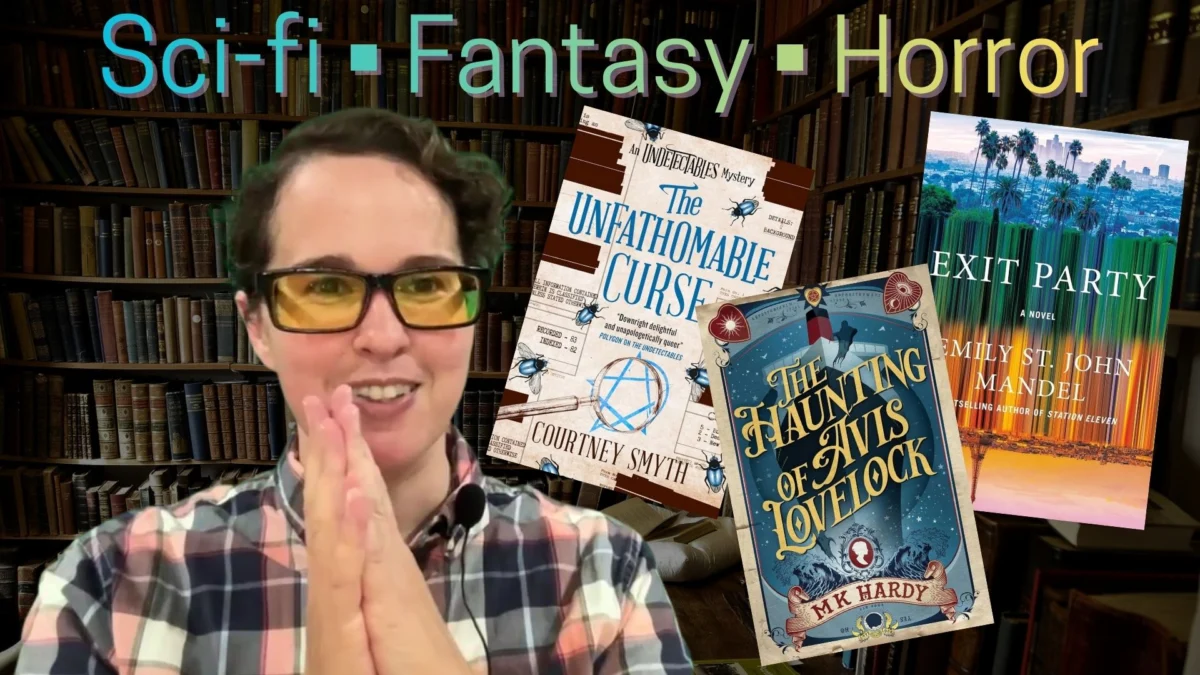
Locus Magazine’s multimedia coverage, including the newly released video breakdown, serves as a critical filter for a market currently saturated by an unprecedented volume of titles—a result of the continued democratization of publishing and the rise of high-quality hybrid-press models.
Chronology: The Road to the Autumn Surge
To understand the significance of the September 22 releases, one must look at the trajectory of the 2026 publishing calendar.
Q1-Q2 2026: The "Quiet Period" and Indie Rise
The first half of the year saw a surprising dominance of independent and small-press titles. As major conglomerates delayed several "blockbuster" titles due to the 2025 Paper Supply Fluctuations, smaller houses utilized digital-first strategies to capture the market. This period established the "sleeper hits" that are now seeing physical reprints this September.
Q3 2026: The Lead-up to September
The summer of 2026 was characterized by a resurgence in "Beach Horror" and "Solarpunk" aesthetics. By August, the industry began shifting its marketing apparatus toward the "Big Autumn Books." The week of September 22 was earmarked by major distributors as the official start of the "Awards Season" push.
September 22, 2026: The Release Peak
The current week represents the largest single-day drop of hardcover speculative fiction since 2023. The timing coincides with the transition into the fourth quarter, where consumer spending typically increases by 40% in the book sector.
Supporting Data: Market Analytics and Reader Demographics
The 2026 market is defined by a hybrid consumption model. Data from the first three quarters of the year indicates several vital shifts in how speculative fiction is being consumed.
The Rise of "Audio-First" Narratives
For the releases of September 22, pre-order data suggests that 35% of readers opted for the audiobook format as their primary experience, a 12% increase from 2024. This has led publishers to invest more heavily in "Full-Cast Audio" for Science Fiction and Fantasy titles, treating book releases more like cinematic events.
Genre Market Share (September 2026)
Based on retail listings and distributor reports:

- Fantasy: Remains the market leader with 38% of total speculative fiction sales.
- Science Fiction: Has seen a 15% year-on-year growth, largely driven by the "Near-Future Realism" subgenre.
- Horror: Continues to be the fastest-growing category among Gen Z and Alpha readers, currently holding 18% of the market.
- Young Adult: While the total volume of YA titles has stabilized, the price-per-unit for "Special Edition" YA hardcovers has reached an all-time high, indicating a "collector-centric" market.
The "Locus Effect" and Critical Curation
In an era where AI-driven recommendation algorithms often prioritize "more of the same," human-led curation from outlets like Locus Magazine remains a primary driver for mid-list authors. Survey data indicates that 60% of "hardcore" speculative fiction readers still rely on professional reviews and curated lists to make their final purchasing decisions, despite the prevalence of social media "book-influencers."
Official Responses: Industry Voices and Editorial Perspectives
The release of this week’s titles has prompted commentary from several key figures in the publishing and critical spheres.
The Editorial Stance
Locus Magazine’s editorial team emphasized the importance of maintaining a "human-centric" view of the arts in their latest briefing. "While the sheer volume of new releases can be overwhelming, the quality of storytelling in 2026 is a testament to the resilience of the human imagination," the statement noted. "Our role is to ensure that voices—whether they come from major New York houses or independent digital collectives—are heard by an audience that values depth and originality."
Author Perspectives
Several authors with releases this week have spoken out about the challenges of the 2026 market. "Writing Science Fiction today feels like racing against the news cycle," said one prominent novelist during a promotional tour. "By the time a book is published, the ‘future’ we wrote about might already be the present. This week’s releases show authors leaning more into the emotional and philosophical aspects of the future, rather than just the technological."
The Call for Reader Support
A recurring theme in the industry this year is the economic sustainability of literary criticism. As seen in the recent Locus appeal, the "support-based model" has become essential. Without direct reader contributions, the infrastructure required to track, review, and promote hundreds of titles a month would collapse, leaving the market entirely at the mercy of algorithmic sorting.
Implications: The Future of Speculative Fiction
The releases of September 22, 2026, are more than just a list of new books; they are an indicator of where the cultural needle is moving as we approach the end of the decade.
The "Speculative Turn" in Mainstream Culture
Speculative fiction is no longer a "niche" interest. The themes found in this week’s Sci-Fi and Fantasy releases—identity in a digital age, environmental stewardship, and the ethics of power—are the central conversations of 2026. This mainstreaming of the genre means that the books released this week are likely to influence television, film, and gaming for the next three to five years.
The Challenge of Archiving and Discovery
With the sheer volume of releases, the industry faces a growing "discovery crisis." As thousands of titles hit the shelves and digital storefronts, the risk of "literary noise" increases. This places a higher premium on "trusted gatekeepers." The long-term implication is a bifurcated market: a "Fast-Fiction" tier driven by trends and algorithms, and a "Literary Speculative" tier supported by legacy institutions like Locus and dedicated fanbases.
Technological Integration
Looking forward to 2027, the success of this week’s releases will likely dictate the next wave of "Augmented Reading" experiences. Several titles released on September 22 include companion digital assets—interactive maps, AI-assisted lore-books, and immersive soundtracks—blurring the lines between a traditional novel and a transmedia experience.
Conclusion
The September 22, 2026, release window serves as a vibrant snapshot of a genre in bloom. From the vast futuristic worlds of Science Fiction to the eerie, liminal spaces of modern Horror, the titles arriving this week offer a profound reflection of the human condition. As the industry navigates the complexities of the mid-2020s, the continued support of readers for independent journalism and critical curation remains the bedrock upon which the future of speculative fiction is built.
For those looking to navigate this expansive new landscape, the curated selections provided by Locus Magazine offer a vital compass, ensuring that in the sea of new releases, the most transformative stories do not go unnoticed.
If you value the depth of coverage provided in this report, consider supporting independent literary journalism. Organizations like Locus Magazine rely on reader donations to maintain their comprehensive reviews and industry news. Your contribution ensures the continued survival of a vibrant, critical voice in the speculative fiction community.