
The Electric Dilemma: Ferrari and Jaguar’s Design Reckoning in the Age of Electrification
The automotive world is in flux, a period of seismic shifts driven by the inexorable march of electrification. For luxury car manufacturers, particularly those with storied legacies built on roaring internal combustion engines, this transition presents a complex and often contentious challenge: how to embrace the future without alienating the very clientele that forged their iconic status. The recent design controversy surrounding Ferrari’s new "Luce" model, coupled with the lingering debates around Jaguar’s comprehensive 2024 rebrand, serves as a stark reminder of this delicate balancing act. Both brands, titans of automotive heritage, find themselves grappling with the same fundamental question: how do you modernize an icon for a new era without losing the soul that made it legendary?
A Tale of Two Controversies: Jaguar’s Rebrand and Ferrari’s Luce
Less than two years after Jaguar unveiled a radical overhaul of its brand identity, sparking widespread debate and division, Ferrari has found itself ensnared in a remarkably similar design furore. While the specifics differ – Jaguar’s controversy encompassed its entire brand ecosystem, from logos to marketing, whereas the Ferrari situation centers on the aesthetic departure of a single, albeit significant, new model – the underlying dilemma is identical. Both incidents highlight a broader crisis facing heritage car brands as they navigate the uncharted territory of electric vehicles (EVs).
The Jaguar rebrand, which saw the venerable marque adopt a sleeker, more minimalist aesthetic, complete with a modernized wordmark and a shift towards softer, more contemporary visual cues, was met with a polarized reception. Purists lamented the perceived loss of Jaguar’s traditional sporting aggression, while others lauded the move as a necessary step towards modern relevance. The debate intensified when Elon Musk, a prominent figure in the EV landscape, weighed in with sharp criticism, further fueling the public discourse.
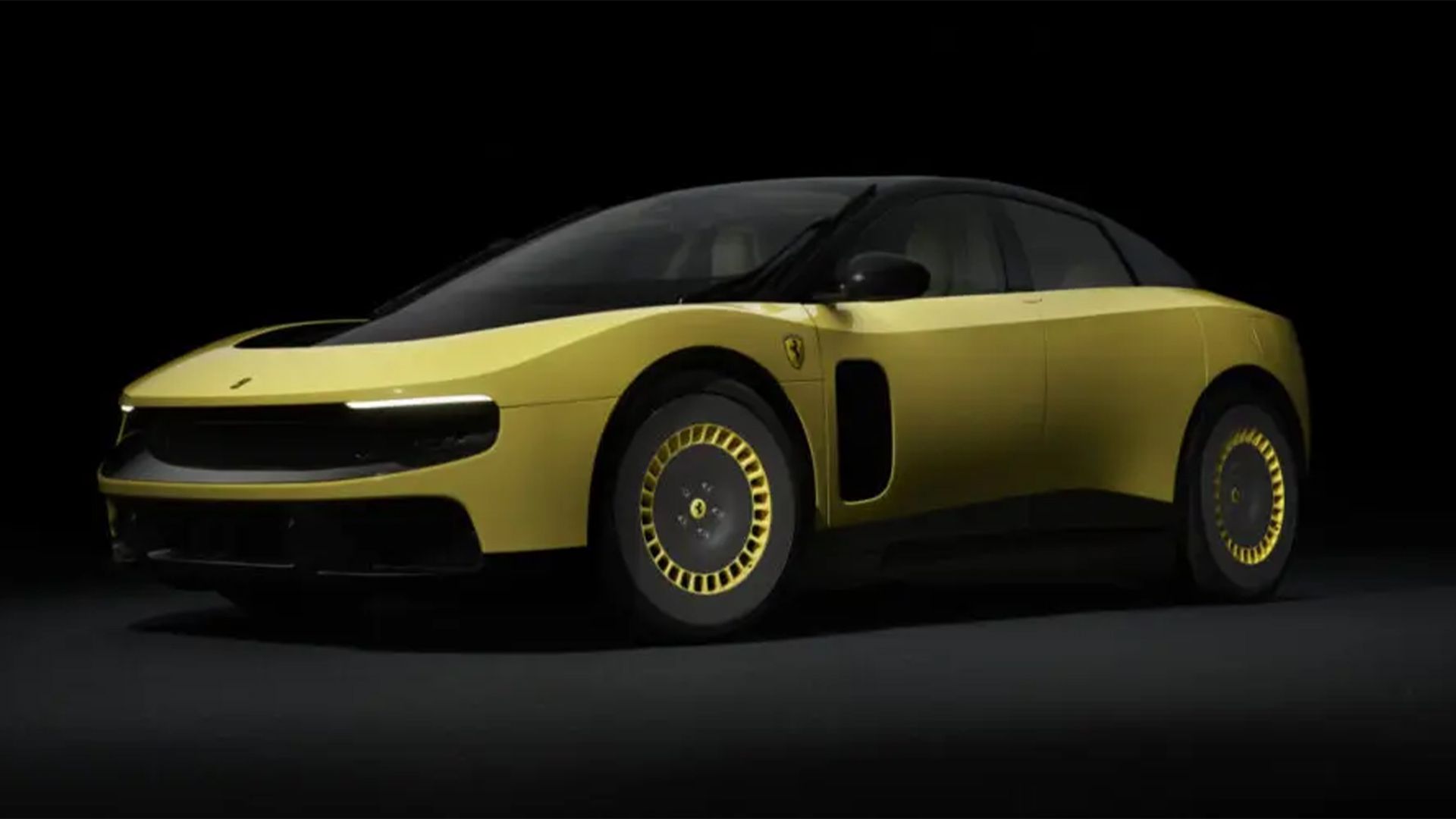
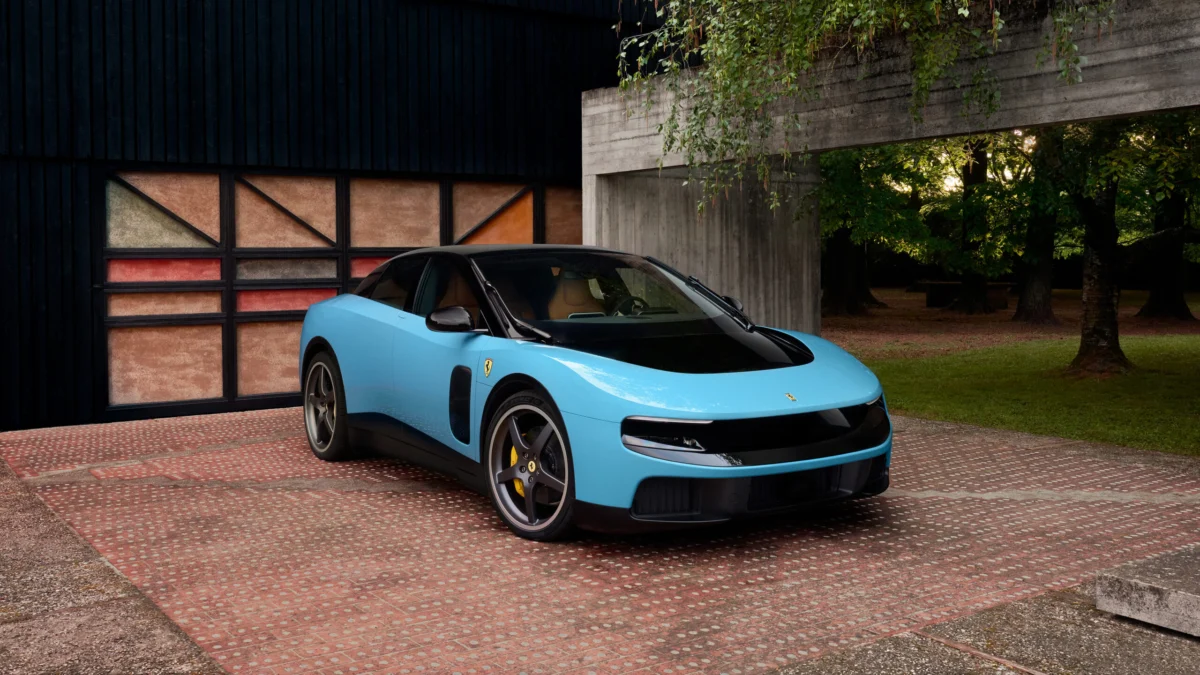
Now, Ferrari, a brand synonymous with unparalleled performance, visceral sound, and timeless design, is facing its own design reckoning with the unveiling of the Luce. This new electric offering, reportedly designed with input from the esteemed Jony Ive, has departed significantly from decades of Ferrari tradition. The Luce eschews the signature low-slung, aggressive silhouette for a more upright, five-seat configuration that some critics have described as "bubbly." The absence of the sharp spoilers, intricate fins, and the unmistakable growl of a V12 engine has left many long-time enthusiasts feeling a sense of disconnect. Traditionalists are particularly vocal in their disappointment, arguing that the Luce has abandoned the very design DNA that has defined Ferrari for generations.
The Electrification Revolution and Its Design Implications
The rise of electric vehicles has fundamentally altered the landscape of automotive design. For decades, the aesthetic of a car was intrinsically linked to its mechanical underpinnings. The size and placement of engines, the necessity for robust cooling systems, and the aerodynamic demands of high-speed internal combustion engines dictated a car’s proportions, its stance, and its defining features – from prominent grilles to aggressive spoilers. Each brand’s unique visual language was, in many ways, an outward expression of its engineering prowess.
However, the advent of electric powertrains has liberated designers from many of these constraints. Electric motors are significantly more compact than their combustion counterparts, and battery packs can be integrated into the chassis floor, allowing for a more flexible and adaptable vehicle architecture. This newfound freedom, while offering immense creative potential, has also presented a significant challenge for brands steeped in tradition.
Suddenly, the established visual cues that customers associate with brands like Ferrari and Jaguar are no longer dictated by necessity. This presents a critical juncture: how do these marques visually represent their commitment to the future of mobility without sacrificing the visual identity that has cultivated their loyal following? In the relentless pursuit of appearing futuristic and differentiating themselves in an increasingly crowded EV market, classic car brands risk overlooking the enduring visual elements that their customers cherish. The fundamental question arises: wouldn’t an electric Ferrari, at its core, still need to look and feel like a Ferrari?
A Chronology of Change and Controversy
The current design debates are not isolated incidents but rather part of a broader trend. Several high-profile EV launches have been met with similar critical scrutiny:
- Tesla Cybertruck (2019 onwards): Perhaps the most polarizing design in recent automotive history, the Cybertruck’s angular, stainless-steel exoskeleton challenged conventional notions of truck design. While lauded by some for its radical departure, it was widely criticized by others for its perceived impracticality and aesthetic dissonance.
- Jaguar Rebrand (2024): As previously discussed, Jaguar’s comprehensive rebrand aimed to reposition the marque for the electric era. The introduction of new logos, a revised color palette, and the distinct styling of its initial EV models, like the Type 00, triggered extensive debate about the preservation of heritage versus the embrace of modernity.
- Ferrari Luce (Recent Unveiling): The latest iteration of this trend, the Ferrari Luce, has ignited a firestorm of criticism for its departure from the brand’s iconic styling cues, opting for a more utilitarian, five-seat configuration and a less aggressive aesthetic.
These examples illustrate a pattern: as luxury car brands transition to electric powertrains, their design choices are scrutinized through the lens of their historical identities. The pressure to innovate and appear cutting-edge in the rapidly evolving EV market often clashes with the deep-seated emotional connections that consumers have with these established brands.
Supporting Data: The Power of Brand Heritage
The fierce reactions to these design shifts are not merely subjective opinions; they are rooted in the tangible value of brand heritage. Decades of marketing, engineering excellence, and iconic product placement have cultivated a powerful set of visual and emotional associations for brands like Ferrari and Jaguar.
- Brand Equity: A strong brand heritage translates into significant brand equity. This equity is built on trust, recognition, and an emotional connection with consumers. For luxury brands, this heritage is often a primary driver of purchase decisions.
- Customer Loyalty: Enthusiasts of brands like Ferrari are not just buying a car; they are buying into a legacy, a lifestyle, and a community. Deviations from established design language can feel like a betrayal of that shared identity, impacting customer loyalty.
- Cultural Iconography: Ferrari, in particular, has transcended the automotive realm to become a global cultural icon. Its prancing horse emblem and its signature red hue are instantly recognizable symbols of performance, luxury, and aspiration. Any significant alteration to its visual identity carries immense cultural weight.
Official Responses and Brand Strategies
While official statements from Ferrari and Jaguar regarding the specific design controversies have been measured, their broader brand strategies reveal a clear intent to evolve.
Ferrari, while acknowledging the traditionalist concerns, is likely to frame the Luce as a strategic expansion of its portfolio, catering to a new segment of discerning customers who require greater practicality without compromising on performance. The brand’s long-standing reputation for engineering excellence and exclusivity will likely serve as a buffer against widespread alienation. Their approach is likely to be one of gradual evolution, testing the waters with new models while maintaining their core sports car offerings.
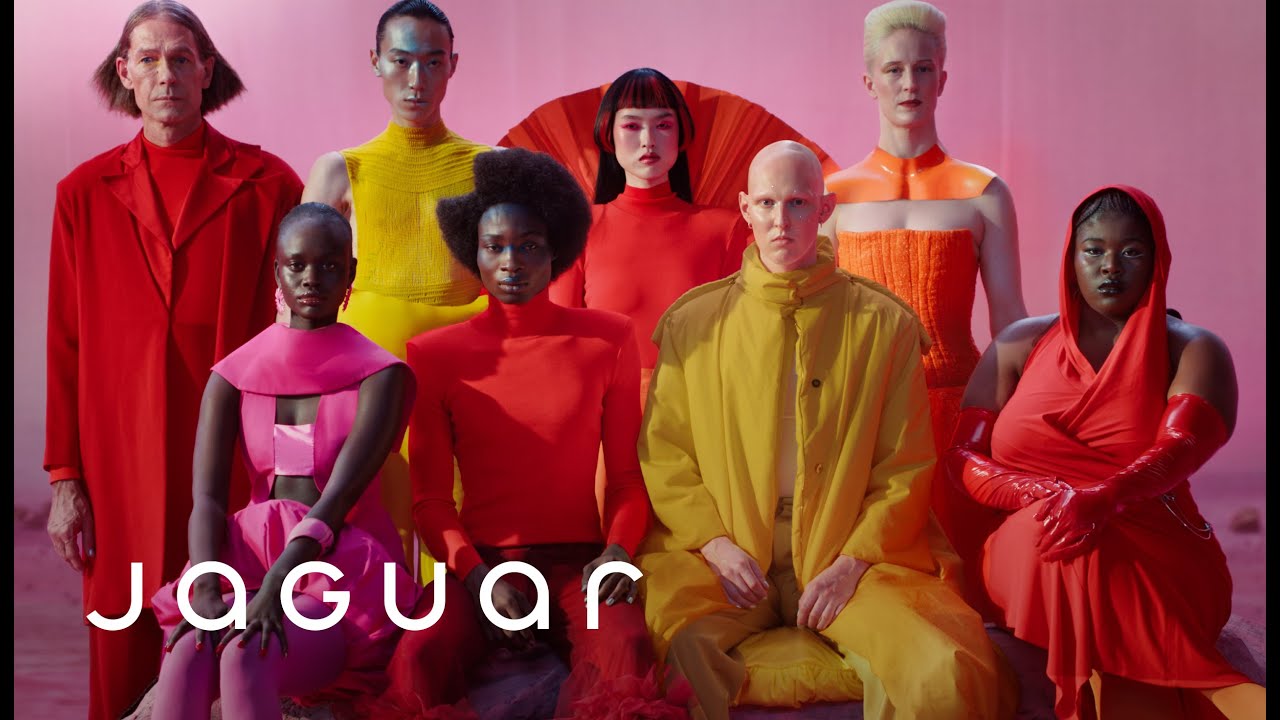
Jaguar, under its new brand strategy, has committed to becoming a pure electric luxury brand. The aggressive rebrand signaled a decisive break from its past, aiming to shed any lingering perceptions of unreliability or less exclusive positioning. Their strategy appears to be one of bold reinvention, betting that a new generation of consumers will be drawn to their forward-thinking design and commitment to sustainability.
Both brands, however, are operating under immense pressure to appeal to younger demographics who may not have the same nostalgic attachment to traditional automotive aesthetics. This often leads to design choices that prioritize contemporary minimalism, bold graphics, or what some perceive as an overly "digital" aesthetic.
Implications for the Future of Luxury Automotive Design
The controversies surrounding Jaguar’s rebrand and the Ferrari Luce are more than just design debates; they are symptomatic of a profound shift in the luxury automotive industry. Several key implications emerge:
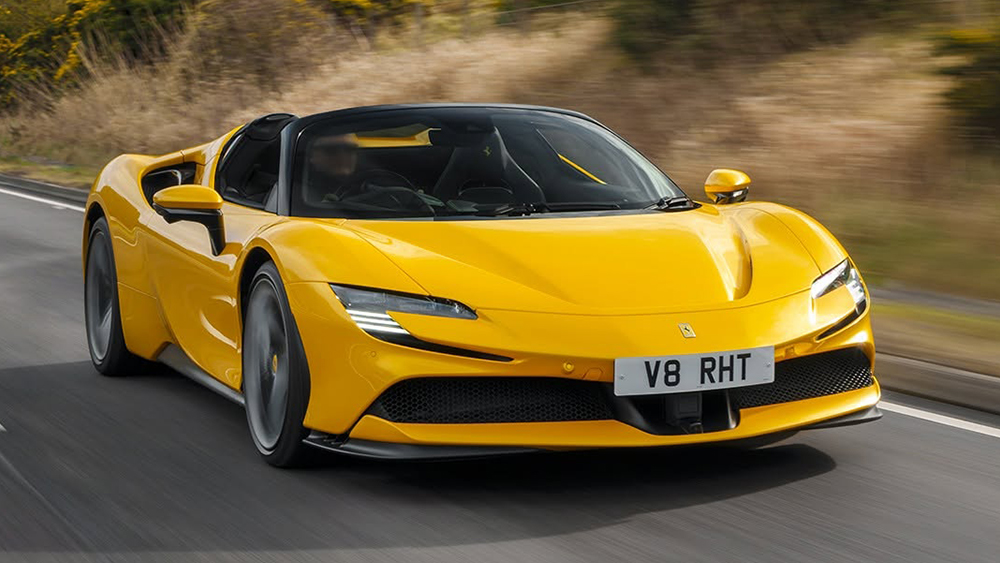
- The "Futuristic" Paradox: The drive to appear "futuristic" can ironically lead to designs that quickly become dated. What is considered cutting-edge today may seem passé tomorrow. Brands must find a way to create timeless designs that resonate across generations, even within the context of rapid technological advancement.
- Redefining Brand Identity: Electric powertrains are forcing brands to reconsider what truly defines their identity. Is it the engine’s roar, the specific silhouette, or something more intangible like the driving experience, the craftsmanship, and the emotional connection?
- The Role of Social Media: The instant and often unvarnished feedback on social media platforms amplifies design controversies, placing immense pressure on manufacturers to respond. This immediacy can sometimes stifle the creative process and lead to reactive design decisions.
- The Balancing Act: The ultimate challenge for brands like Ferrari and Jaguar is to strike a delicate balance. They must innovate to remain relevant and attract new buyers, while simultaneously honoring the heritage and visual language that has earned them their esteemed positions. The success of their transition will hinge on their ability to understand and cater to the evolving desires of their customer base without alienating the bedrock of loyal enthusiasts.
The coming years will be a critical test for these automotive titans. The path forward requires not just engineering prowess but also a deep understanding of design psychology and brand stewardship. As the automotive landscape continues its electrifying transformation, the way these iconic brands visually represent themselves will be as crucial as the performance under the hood. The question remains: can they evolve without losing the very essence of what makes them legendary? The jury, it seems, is still out, and the automotive world watches with bated breath.



Leave a Comment