The Enduring Allure of the Dungeon: A Deep Dive into the Dungeons & Dragons Adventure System Board Games
For generations, the very mention of "Dungeons & Dragons" conjures images of intrepid heroes, fearsome monsters, and epic quests, all woven together by the masterful storytelling of a Dungeon Master. But what if the thrill of delving into ancient crypts, battling monstrous foes, and unearthing legendary treasures could be experienced without the need for a dedicated narrator? This enticing premise is precisely what the Dungeons & Dragons Adventure System board games set out to achieve. Over the past decade, this series has carved a unique niche in the tabletop gaming landscape, striving to distill the essence of a D&D campaign into a cooperative, accessible board game format.
From their initial, somewhat experimental forays to their later, highly polished iterations, these games have embarked on their own remarkable journey, mirroring the adventurers they portray. They have evolved from intriguing concepts to genuine hits, sparking discussions among board game enthusiasts and D&D veterans alike across the globe, with a particularly vibrant community engaging with them in places as diverse as Poland. This article explores the chronological evolution of this celebrated series, examining its triumphs, its learning curves, and its lasting impact on the world of tabletop gaming.
A Journey Through Realms: The Chronological Evolution of the Adventure System
The Dungeons & Dragons Adventure System board games are more than just standalone titles; they represent a continuous design experiment, each building upon the lessons learned from its predecessors. This chronological examination reveals a fascinating trajectory of refinement, innovation, and a growing understanding of what makes a truly compelling cooperative dungeon crawler.
Castle Ravenloft (2010): The Gothic Genesis
The Dungeons & Dragons Adventure System began its storied journey with Castle Ravenloft in 2010. This debut title immediately dropped players into the iconic, fog-shrouded lands of Barovia, a realm dominated by the brooding presence of Count Strahd von Zarovich. It was a bold statement, aiming to deliver a gothic horror experience straight out of the D&D universe, replete with vampires, skeletons, and the ever-present threat of terrible luck.
The game’s greatest strength lay in its immediate accessibility and potent atmosphere. The rules were elegantly simple, allowing players to grasp the core mechanics—exploring a randomly generated dungeon by placing new tiles, fighting monsters, and utilizing hero abilities—within minutes. This low barrier to entry was crucial for a series aiming to democratize the D&D experience. Each turn presented a thrilling decision: push deeper into the darkness, risk a powerful monster draw, or play it safe? The game felt genuinely spooky and cinematic, an impressive feat for a cooperative board game. While its simplicity occasionally led to wildly unpredictable outcomes, where a string of bad draws could swiftly doom even the most experienced party, this very unpredictability also fueled its replayability and contributed to its charm. For a series debut, Castle Ravenloft set the tone perfectly, establishing a solid foundation for the cooperative dungeon-crawling formula that would define the Adventure System. It proved that the magic of D&D could, indeed, be captured without a Dungeon Master.
Wrath of Ashardalon (2011): Stretching the Dragon’s Wings
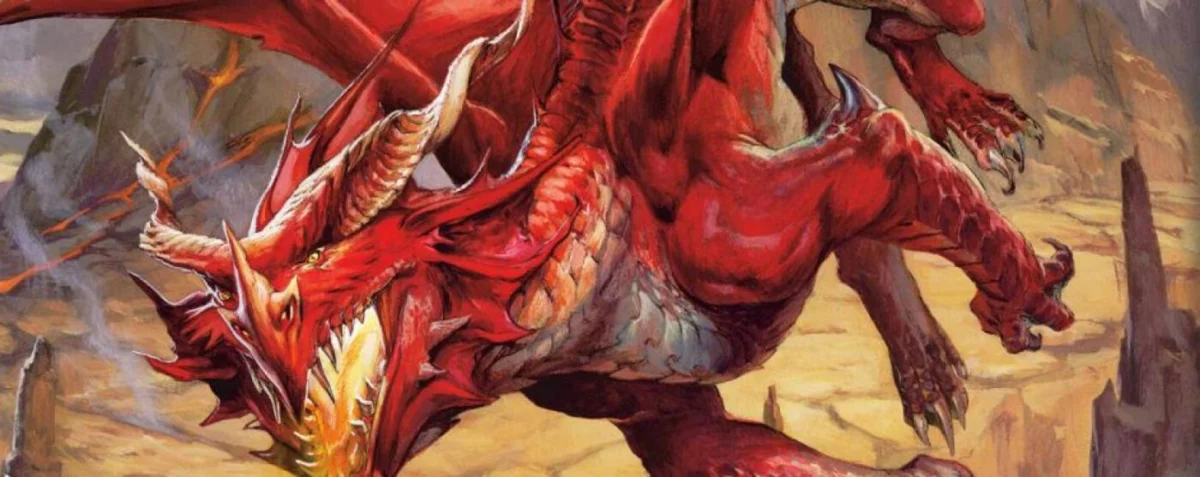
Following hot on the heels of Castle Ravenloft, Wrath of Ashardalon arrived in 2011, attempting to go bigger and bolder. From the moment players saw the magnificent red dragon adorning the box, anticipation was high. The miniatures were impressive, depicting a range of classic D&D monsters and heroes, and the game promised a more traditional, high-fantasy dungeon crawl experience.
Ashardalon introduced a new cast of heroes, from a Dragonborn Fighter to a Dwarf Cleric, and offered fresh challenges in subterranean caverns and volcanic lairs. It sought to expand upon the core mechanics of Ravenloft, introducing new concepts such as "Lair cards" that spawned specific types of monsters or triggered unique events, and more varied objective types. However, once the initial excitement of its grander scale faded, players often found the experience to be somewhat uneven. While some missions were genuinely thrilling and well-designed, others felt meandering or lacked a clear sense of progression, leading to a diminished sense of purpose. The balance could be inconsistent, with certain encounters feeling either trivial or overwhelmingly difficult. Despite these criticisms, Wrath of Ashardalon was a vital, if imperfect, step in the series’ evolution. It was the first time the Adventure System truly stretched its design muscles, introducing new ideas and mechanics, even if they didn’t all land perfectly. This willingness to experiment, to try new things and push the boundaries of the established formula, was crucial for the long-term development and eventual success of the series.
The Legend of Drizzt (2011): Fan-Favorite Foundations
Later in 2011, the Adventure System delivered a title that would prove to be a pivotal moment: The Legend of Drizzt. This iteration marked a significant turning point, demonstrating how leveraging popular lore and refining existing mechanics could elevate the player experience. Rather than introducing radical new systems, Drizzt focused on a more cohesive and polished presentation of the established formula.
The game’s immediate appeal stemmed from its direct connection to R.A. Salvatore’s beloved novels, bringing fan-favorite characters like the iconic drow ranger Drizzt Do’Urden, his companion Catti-brie, the barbarian Wulfgar, and even his formidable rival, Artemis Entreri, to the tabletop. This strong narrative tie-in and the ability to play as these legendary figures instantly resonated with a vast audience. Beyond the nostalgia, the game significantly improved the user experience. The setup was faster, the rules were presented with greater clarity, and the overall pacing felt much smoother. Quests felt more focused, and players could jump into an adventure and complete it without dedicating an entire evening to rulebook interpretation. For many, this was the game that truly "clicked," transforming them from casual players into devoted fans of the series.
As J.R.R. Tolkien wisely penned, "Not all those who wander are lost." In this spirit, Drizzt may have wandered into familiar territory, borrowing heavily from its predecessors, but it undoubtedly found the heart of what these games were meant to be: fast, light, engaging, and brimming with adventure. Its success underscored the importance of streamlined gameplay and compelling thematic integration, solidifying the core appeal of the Adventure System.
Temple of Elemental Evil (2015): The Campaign Awakens
After a noticeable hiatus, the Dungeons & Dragons Adventure System returned in 2015 with Temple of Elemental Evil, a game that represented a profound leap forward for the series. This title was where the designers truly began to "get it right," introducing a critical innovation that transformed the player experience: persistent campaign progression.
This was a game-changer. For the first time, players could carry their characters, gear, and accumulated experience between adventures. This meant that the choices made in one session had tangible consequences for the next, fostering a deeper sense of investment and continuity. The missions were no longer isolated one-shots but interconnected chapters in a grander narrative, tied together by a compelling story arc centered around the elemental cults.
Temple of Elemental Evil brought several crucial improvements to the table:
- Persistent Character Progression: Heroes gained experience, leveled up, and could equip powerful artifacts found in previous dungeons, creating a satisfying sense of growth.
- Overarching Narrative Campaign: A cohesive storyline provided context and purpose to each adventure, encouraging players to see the larger picture.
- Balanced Encounter Design: The enemies and challenges felt more strategically sound, requiring careful planning and cooperative tactics rather than brute force or sheer luck.
- Increased Emphasis on Strategic Teamwork: Success hinged on effective communication and coordinated actions, making the cooperative aspect truly shine.
- New Enemy Types and Environmental Hazards: The elemental theme allowed for diverse and challenging foes, along with environmental effects that further complicated tactical decisions.
The game demanded players to work together, plan their moves, and think ahead, shifting the emphasis from random chance to smart strategic play. While perhaps not perfect, Temple of Elemental Evil was unequivocally the first game in the series that felt like a fully realized vision, demonstrating the immense potential of the Adventure System to deliver a genuinely evolving and engaging D&D-like campaign experience without a Dungeon Master.
Tomb of Annihilation (2017): The Apex of Adventure
Building upon the campaign framework established by Temple of Elemental Evil, Tomb of Annihilation arrived in 2017 and is widely regarded as the crowning achievement of the Dungeons & Dragons Adventure System series. This title masterfully wove together compelling storytelling, heightened tension, and a rich variety of mechanics into a truly exceptional cooperative board game.
The jungle setting of Chult provided a fresh and vibrant backdrop, a stark contrast to the gothic castles and subterranean dungeons of previous installments. This change in scenery wasn’t merely cosmetic; it introduced innovative survival mechanics that significantly deepened the gameplay. Players had to contend with the oppressive heat, dangerous diseases, and the constant threat of deadly encounters with the jungle’s unique flora and fauna. Resource management, navigation, and the ever-present race against time added layers of strategic complexity and immersive tension.
Each session felt distinct and alive. The combination of varied traps, debilitating diseases, and a diverse bestiary of monsters ensured that no two playthroughs were alike. Players were forced to think on their feet, adapt their strategies, and sometimes, make the difficult decision to run for their lives. This dynamic gameplay, coupled with a high-stakes narrative inspired by the D&D adventure of the same name, created a truly memorable experience. Tomb of Annihilation is a testament to meticulous design and thoughtful iteration, a game where every element feels polished and purposeful.
As game designer Shigeru Miyamoto famously stated, "A delayed game is eventually good, but a rushed game is forever bad." Tomb of Annihilation took its time, benefiting from the lessons of its predecessors, and the payoff was immense. It delivered a comprehensive, thematic, and intensely engaging cooperative dungeon crawler that stands as a benchmark for the genre. For many players, it represents the pinnacle of the Adventure System’s ambition and execution.
Beyond the Tabletop: Broader Impact and Community Resonance
The success of the Dungeons & Dragons Adventure System board games extends beyond their individual merits, illustrating broader trends in the tabletop gaming industry and its growing global community.
The Global Tapestry of Tabletop Gaming and Digital Parallels
The enduring appeal of games like the D&D Adventure System underscores the robust and expanding global interest in tabletop gaming. Dungeons & Dragons itself has experienced a massive resurgence, transitioning from a niche hobby to a significant cultural phenomenon. This broader acceptance has paved the way for accessible entry points like the Adventure System games, inviting new players into the fold without the traditional complexities of a full-fledged RPG.
This popularity is particularly evident in countries like Poland, which boasts a remarkably vibrant and sophisticated board game community. Polish players and entertainment enthusiasts are not only keen on physical tabletop experiences but also actively explore the digital segment of gaming. The mention of reviewing platforms like "vulkan casino pl" highlights a fascinating aspect of modern entertainment consumption: the pursuit of diverse interactive experiences. This isn’t solely about engaging with online gambling platforms; it speaks to a broader consumer habit of researching and understanding the features, mechanics, and possibilities for secure interaction within various digital entertainment ecosystems. Whether it’s evaluating a new board game, streaming a D&D actual play, or exploring the intricacies of an online gaming platform, players are increasingly discerning about the quality, safety, and engagement offered by their chosen forms of entertainment. The D&D Adventure System games exist in this dynamic landscape, where physical and digital realms often complement each other, catering to a diverse palate of interactive desires.
The Competitive Edge: Board Games as Spectator Sports
In an intriguing evolution, board gaming has transcended its traditional role as a casual pastime, with some tournaments beginning to resemble professional sporting events. The strategic depth inherent in many modern board games, including the tactical decisions and cooperative synergy required in the Adventure System series, lends itself well to competitive analysis.
The phenomenon of "friendly bets" and the emergence of "forecasters" who analyze players’ chances, styles, and strategies speak volumes about the intellectual rigor and community engagement fostered by these games. Much like traditional sports analysts dissect a team’s playbook or an athlete’s performance, these board game forecasters delve into the nuances of player decision-making, understanding of game mechanics, and adaptability under pressure. This trend underscores the growing recognition of board gaming as a skill-based activity that demands critical thinking, planning, and tactical execution. It transforms the act of playing into a spectacle, where observers can appreciate the strategic prowess on display, further legitimizing board games as a serious form of entertainment and competition.
Design Philosophy and Accessibility
At its core, the Dungeons & Dragons Adventure System was conceived with a clear design philosophy: to make the rich world of D&D accessible to a broader audience. By removing the need for a Dungeon Master, the series lowered the barrier to entry significantly, inviting players who might have been intimidated by the complexities of a full role-playing game. Each iteration, from the simple charm of Ravenloft to the narrative depth of Tomb of Annihilation, sought to balance this accessibility with meaningful strategic choices. The designers consistently refined mechanics to offer streamlined gameplay without sacrificing the core fantasy elements. This commitment not only created a successful series but also influenced the broader cooperative board game market, demonstrating that complex worlds could be explored through approachable rule sets, serving as a gateway for countless players into the wider hobby of tabletop gaming.
Conclusion: A Legacy Forged in Dungeons
From the ambitious, if sometimes uneven, beginnings of Wrath of Ashardalon to the refined brilliance of Tomb of Annihilation, the Dungeons & Dragons Adventure System board games stand as a testament to the continuous evolution and innovation within tabletop design. Each game, even when it stumbled, contributed something vital to the series’ ongoing development, pushing the boundaries of what a cooperative, DM-less D&D experience could be.
Together, these games have not only built a formidable legacy of adventure, teamwork, and pure fantasy fun but have also played a crucial role in democratizing the Dungeons & Dragons experience. They have served as an accessible entry point for countless new players, providing a streamlined yet deeply engaging way to explore epic narratives, battle fearsome monsters, and forge heroic tales alongside friends. The series has set a high standard for cooperative dungeon crawlers, proving that the magic of D&D can be captured and shared in diverse and compelling forms, continuing to inspire imaginative play and strategic thinking for years to come. The Adventure System is more than just a collection of games; it is a vibrant chronicle of how thoughtful design, iterative improvement, and a deep understanding of player desires can transform a concept into an enduring tabletop phenomenon.