The Enduring Legacy of Nimrud Ivories: A Journey Through Time and Artistry
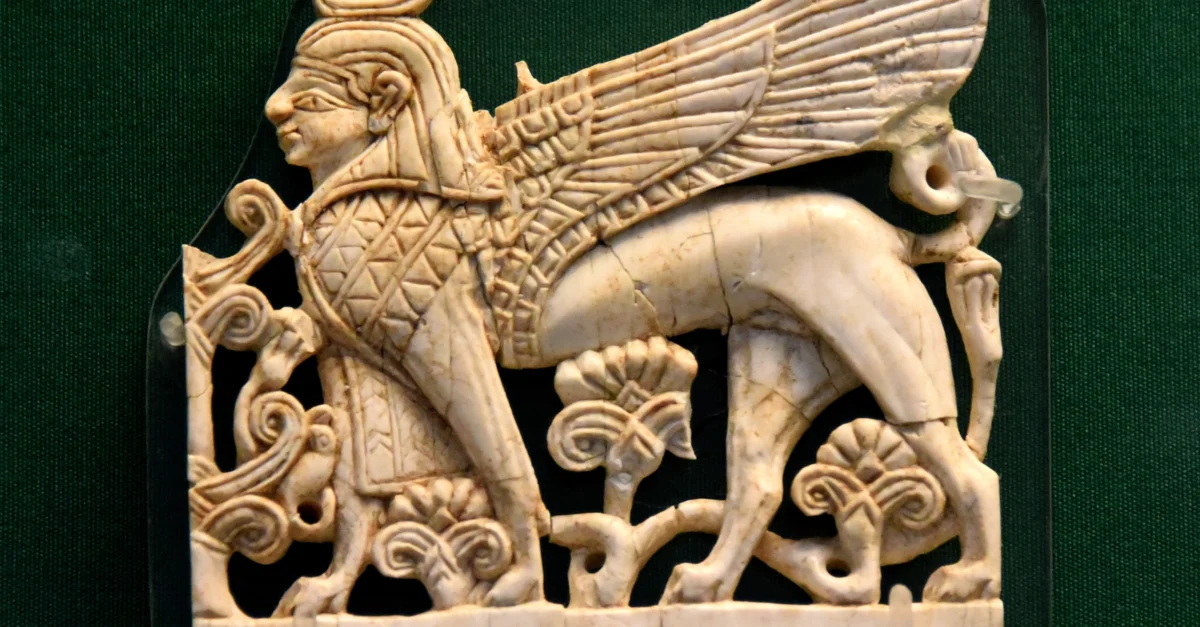
Nimrud, Iraq – The Nimrud Ivories, an unparalleled collection of ancient art, stand as luminous testaments to the sophistication and interconnectedness of the ancient Near East. Carved from ivory between the 9th and 7th centuries BCE, these exquisite figures, panels, and plaques were unearthed from the ruins of the ancient Assyrian city of Nimrud (known as Kalhu in antiquity). Today, they are celebrated as among the finest archaeological treasures of Mesopotamia, their intricate beauty matched only by their compelling and circuitous history of discovery, dispersal, and preservation.
Main Facts: A Glimpse into Mesopotamian Splendor
The Nimrud Ivories comprise thousands of individual pieces, ranging from delicate cosmetic boxes and furniture inlays to monumental plaques depicting mythological scenes and royal figures. Dating back nearly three millennia, these artifacts offer a rare window into the artistic achievements, cultural exchanges, and opulent lifestyles of the Neo-Assyrian Empire, a dominant power in the ancient world.
Their discovery in the mid-19th century by pioneering archaeologists was initially driven by a desire to validate biblical narratives. Ironically, these excavations yielded evidence of a civilization far older and more complex than previously understood, fundamentally altering the trajectory of historical and archaeological scholarship. The ivories themselves are notable for their diverse artistic styles—Assyrian, Phoenician, and Syrian—reflecting the vast imperial reach of Assyria and its absorption of artistic influences and craftsmen from conquered lands and trade partners.
Critically, the circumstances of their preservation are as fascinating as their craftsmanship. During the cataclysmic fall of the Assyrian Empire in 612 BCE, the city of Kalhu was sacked, its palaces plundered and torched. While invaders stripped the ivories of their precious gold overlays, they often discarded the ivory pieces into wells or left them buried under the rubble. This act of destruction inadvertently created the ideal anaerobic conditions that preserved these fragile organic materials for millennia, allowing them to emerge remarkably intact for modern archaeologists.
Today, these invaluable artifacts are dispersed among leading museums worldwide, including the British Museum, the Metropolitan Museum of Art, and national museums in Iraq, serving as global ambassadors of Mesopotamian heritage and ancient artistry.
Chronology: Unearthing a Lost Civilization
The narrative of the Nimrud Ivories is deeply interwoven with the very birth of modern archaeology in Mesopotamia.
The Dawn of Assyriology: Layard’s Initial Discoveries
The story begins in 1845 with the British archaeologist Austen Henry Layard. Driven by the prevailing intellectual currents of his time, Layard commenced excavations at a massive mound in what is now northern Iraq. His expedition, like many others of the era, was partly funded and motivated by the quest to find physical evidence that would corroborate stories from the Old Testament, particularly accounts of cities like Nineveh and Kalhu, the Great Flood, and the Tower of Babel. The prevailing European understanding of world history was heavily influenced by the biblical chronology, and tangible proof was eagerly sought.
Layard initially believed he had discovered the legendary city of Nineveh. His groundbreaking work and the intriguing artifacts he unearthed—including some of the first Nimrud ivories—captured the public imagination, leading to his bestselling book, Nineveh and its Remains, published in 1849. The immense popularity of his findings fueled further interest and funding for Mesopotamian archaeology, inadvertently setting the stage for a profound re-evaluation of human history. Far from merely confirming biblical tales, Layard’s discoveries, and those that followed, revealed a sophisticated civilization that predated much of the Old Testament, one that had, in fact, produced the earliest known epic narratives of a global flood and an ark. This radical shift in understanding cemented the importance of Mesopotamia as the "Cradle of Civilization."
Unveiling Kalhu: Loftus and the Nimrud Ivories
While Layard’s initial work was monumental, it was his successor, William K. Loftus, who in 1854 definitively identified the site as Kalhu, not Nineveh. It was during Loftus’s subsequent excavations that a significant number of the magnificent works of art, now known as the Nimrud Ivories (and sometimes referred to as the Loftus Ivories), were brought to light.
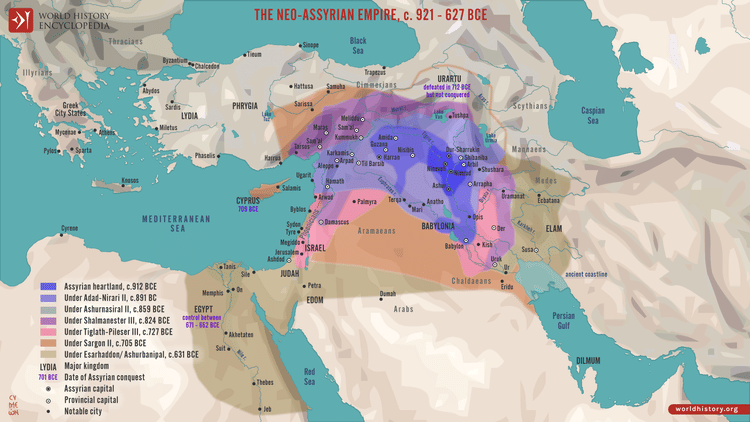
Kalhu, or Nimrud, had a storied past. It rose to prominence as the capital of the Neo-Assyrian Empire under King Ashurnasirpal II (reigned 884-859 BCE). Ashurnasirpal II, a formidable military leader and builder, strategically moved the central government from the traditional religious capital of Ashur to Kalhu, transforming it into a magnificent imperial city. Its location on a prosperous trade route, situated north of Ashur and south of Nineveh, made it a vital economic and administrative hub. For nearly two centuries, from 879 to 706 BCE, Kalhu served as the nerve center of the vast Assyrian Empire.
The city’s status as capital shifted again when Sargon II (reigned 722-705 BCE) built his ambitious new capital, Dur-Sharrukin (modern Khorsabad). Later, his son Sennacherib (reigned 705-681 BCE) abandoned Dur-Sharrukin and established Nineveh as the final great capital. Despite these shifts, Kalhu remained an important city, its palaces and residences continuing to be richly adorned with precious materials, including gold, silver, rare gems, and, crucially, the intricate ivory carvings that would one day bear its name. The ivories, therefore, represent a continuous tradition of luxury and artistic patronage within the Assyrian elite, even after the seat of power moved elsewhere.
Mallowan’s Definitive Expeditions and the "Mona Lisa"
After the initial flurry of 19th-century discoveries, Nimrud was somewhat overshadowed by renewed focus on Nineveh and Khorasbad. It was not until 1949 that systematic and extensive excavations resumed under the leadership of Max E. Mallowan, an archaeologist from the University of London, famously married to mystery writer Agatha Christie. Mallowan’s expeditions, which continued until 1963, were meticulously documented and yielded the largest number of ivories.
Mallowan’s team uncovered a wealth of these artifacts, particularly within the structure known as the North West Palace (also referred to as the Burnt Palace). Among these remarkable finds was the iconic "Mona Lisa" head, an exquisitely carved female face, discovered deep within a palace well. The delicate nature of these ancient ivories posed a significant conservation challenge upon their excavation. In a testament to ingenious resourcefulness, Mallowan’s wife, Agatha Christie, reportedly lent her expertise—and even her face cream—to the initial cleaning and preservation efforts, helping to stabilize the fragile surfaces before more specialized methods could be applied. This anecdote highlights the often-unconventional beginnings of archaeological conservation.
The Fall of Nimrud and the Ivories’ Preservation
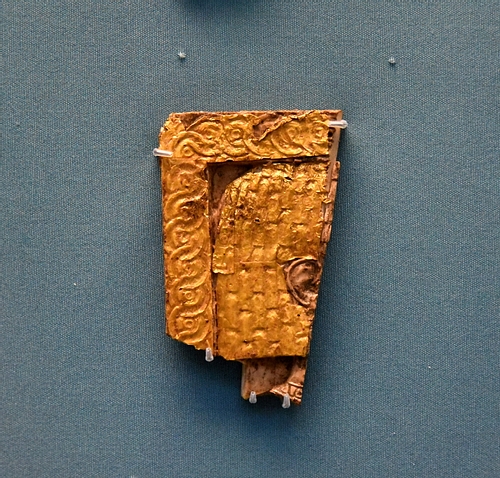
The fate of the Nimrud Ivories is inextricably linked to the dramatic collapse of the Assyrian Empire. In 612 BCE, a coalition of Babylonian, Mede, and Persian armies launched a devastating assault on the Assyrian heartland, culminating in the sacking of its great cities, including Kalhu. The invading forces systematically plundered the palaces, stripping them of anything deemed valuable, particularly precious metals like gold and silver. The palaces were then set ablaze, reducing much of the city to ash and rubble.
Historical and archaeological evidence suggests that during this violent period, the gold overlaying the ivory carvings was meticulously stripped away. The ivory pieces themselves, perhaps considered less valuable than the gold or simply dismissed as symbols of a hated empire, were then discarded. Many were unceremoniously thrown into the palace wells, while others were buried beneath the collapsing, burning structures. This act of destruction, however, proved to be a remarkable stroke of fortune for future archaeologists. The anaerobic, damp conditions within the wells and the protective layer of burnt debris acted as natural preservers, sealing the ivories from decay and keeping them perfectly intact for over 2,500 years. This serendipitous preservation allowed these delicate organic materials to survive, offering us a detailed glimpse into ancient artistry that would otherwise have been lost to time.
Modern Discoveries and Conservation Efforts
While the bulk of the Nimrud Ivories were discovered in the 19th and mid-20th centuries, significant work continued. In 1988-1989, the Iraq Offices of Antiquity and Heritage conducted further excavations at Nimrud, yielding additional priceless treasures, notably the royal tombs of Queen Yaba, wife of Tiglath-Pileser III, and Queen Atalia, wife of Sargon II. These tombs contained spectacular quantities of gold jewelry and precious gems, further illustrating the immense wealth of the Assyrian royalty. However, these later excavations did not uncover more ivories, suggesting that the earlier archaeological campaigns had largely exhausted the primary caches.
The ongoing preservation of the Nimrud Ivories, particularly those housed in Iraq, remains a critical challenge, especially given the region’s geopolitical complexities and instances of deliberate cultural destruction. International collaboration in conservation, documentation, and digital archiving is vital to safeguard these fragile links to humanity’s shared past.
Supporting Data: Artistry, Value, and Cultural Exchange
The Nimrud Ivories are not merely beautiful objects; they are rich repositories of information, revealing the intricate web of artistic influences, economic dynamics, and imperial power that characterized the ancient Near East.
Artistic Mastery and Cultural Exchange
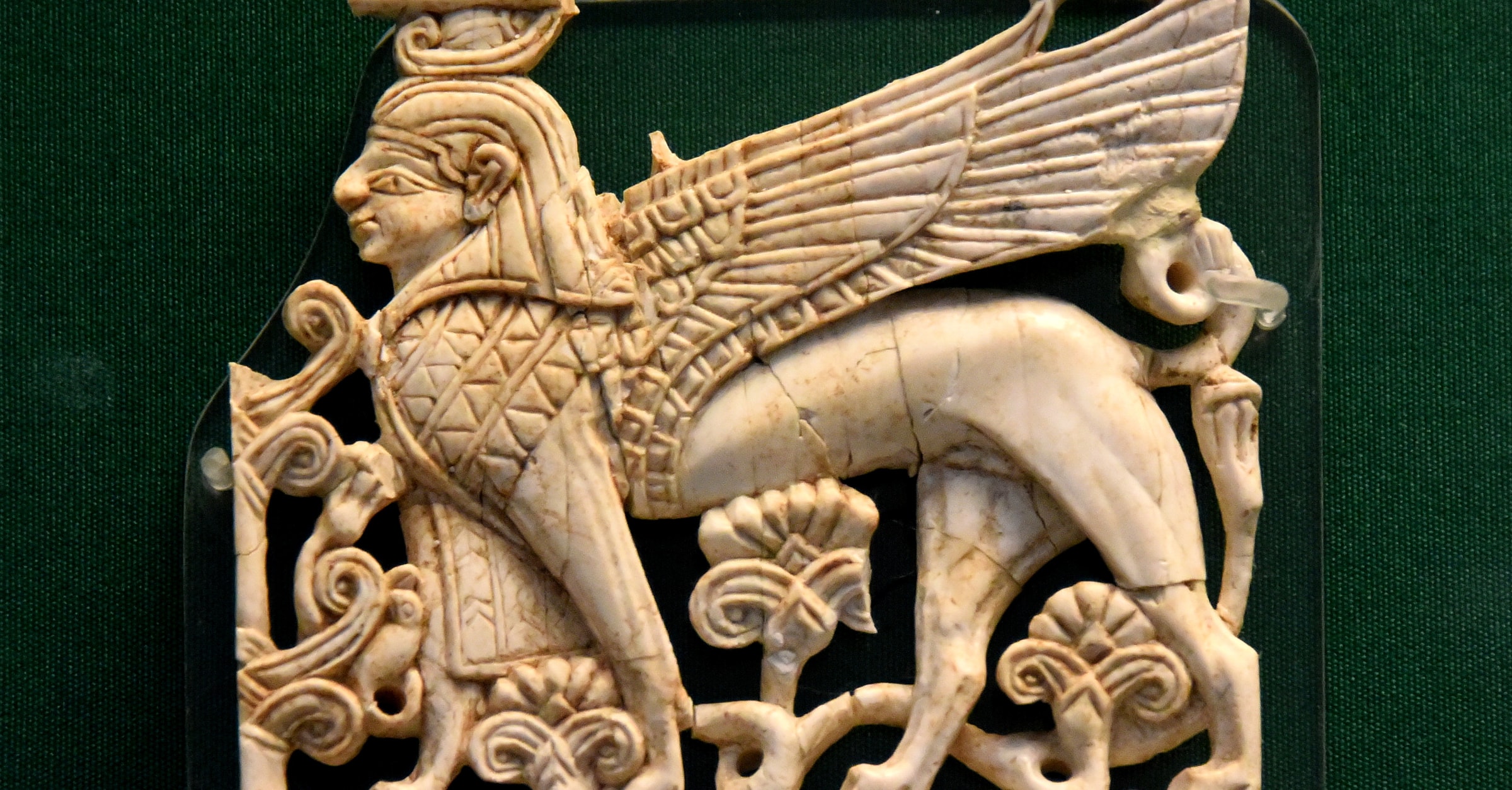
As historian and curator Joan Lines of the Metropolitan Museum of Art eloquently describes, "The most striking objects from Nimrud are the ivories – exquisitely carved heads that once must have ornamented furniture in the royal palaces; boxes inlaid with gold and decorated with processions of small figures; decorative plaques; delicately carved small animals." This diverse range underscores the versatility of ivory as a medium and the skill of its artisans.
The thorough examination of the ivories by scholars like Max Mallowan and Christopher E. Allen revealed distinct stylistic categories:
-
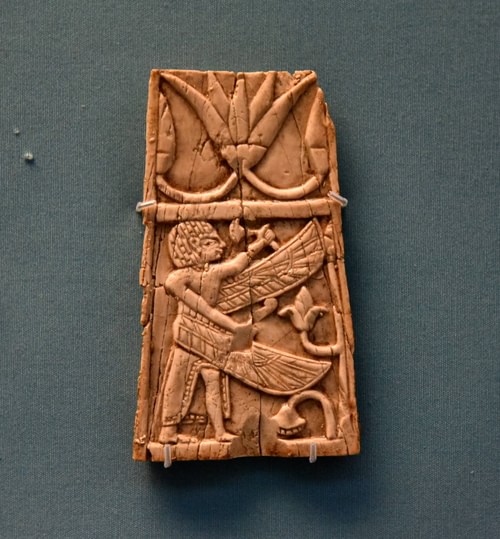
Assyrian Style: Characterized by incision, where images are sharply cut into a flat ivory surface. The subject matter often mirrors the monumental relief sculptures found in Assyrian palaces, depicting war scenes, royal processions, and protective deities such as winged genii. These pieces, while found in Nimrud, were often crafted by artisans from various parts of the empire, indicating a centralized imperial style propagated by a diverse workforce.
-
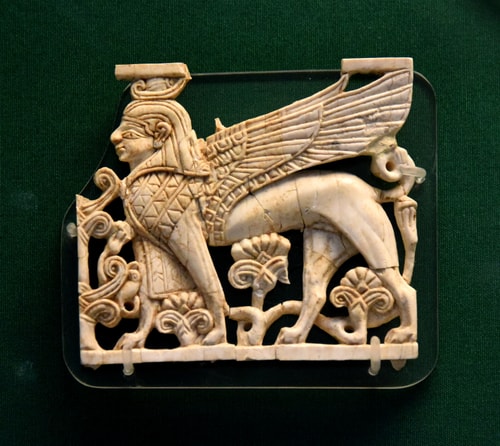
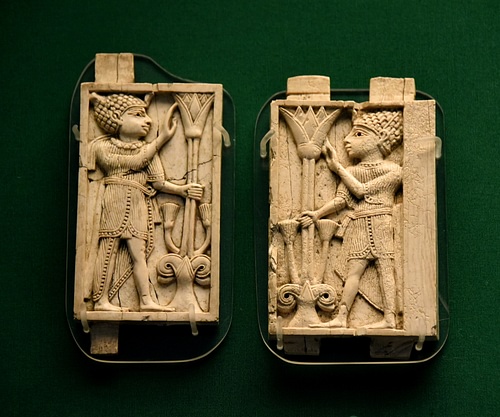
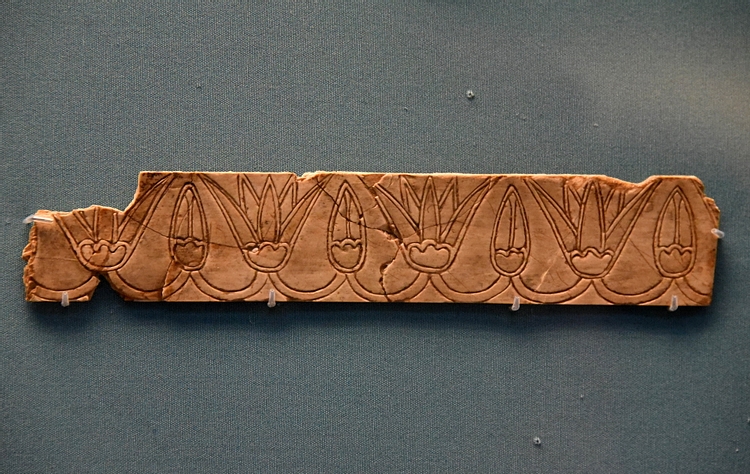
Phoenician Style: This style is immediately recognizable by its strong Egyptian influences. It frequently incorporates Egyptian imagery, including gods (like Osiris or Horus), sundiscs, mythical animals (such as sphinxes and griffins), and even hieroglyphs. While the hieroglyphs are often decorative and lack true linguistic meaning, their presence signifies a profound cultural absorption. The Phoenicians, renowned maritime traders and craftsmen from the city-states along the Mediterranean coast (modern Lebanon), were masters of ivory carving, likely having learned the technique from the Egyptians, who were the earliest extensive users of ivory in the ancient world. Their works were widely traded and prized.
-
Syrian Style: Often considered more artistic and three-dimensional, or sculptural, this style stands out for its volumetric forms. Many pieces are carved as heads or full-length figures of women, such as the famous "Mona Lisa" head, which may have served as handles for furniture or other artifacts. Carved bulls and calves, frequently adorning box lids, also exemplify this style. The Syrian style, originating from various city-states across ancient Syria, showcases a distinct regional aesthetic, often emphasizing naturalism and dramatic curves.
This stylistic diversity underscores Nimrud’s role as an imperial capital that attracted or assimilated artistic traditions from across its vast dominion. The Assyrians, while possessing their own powerful artistic conventions, readily incorporated and adapted foreign styles, reflecting both their imperial ambition and their appreciation for craftsmanship from diverse cultural backgrounds. The ivories thus serve as tangible evidence of the extensive cultural exchange networks that characterized the ancient Near East.
The Material Value of Ivory in Antiquity
The importance of ivory in the ancient world cannot be overstated. As Joan Lines observes, "Ivory, as we know both from excavation and from historical records, was highly prized and in extensive use at the time of the Assyrian empire." It was a luxury commodity, a symbol of wealth, power, and exoticism, comparable to gold or precious gems.
Biblical texts and contemporary inscriptions frequently attest to ivory’s high status. The Old Testament speaks of King Ahab’s "house of ivory" in Samaria, a reference corroborated by modern excavations revealing ivories stylistically related to those from Nimrud. Assyrian royal inscriptions further confirm this: King Assurnasirpal II boasts of seizing "couches of ivory overlaid with gold" from a city on the western Tigris and receiving tribute of "elephant tusks and ivory thrones overlaid with gold and silver" from various regions, including "all Phoenicia." Later, King Adad Nirari III’s inventory of loot from Damascus includes beds and stools of ivory from the royal palace. Sargon II, another powerful Assyrian king, is recorded as having an "ivory palace," and even Hezekiah of Judah, in his tribute to Sennacherib in 701 BCE, included "couches of ivory and the tusks and hides of elephants."
The primary source of ivory for these carvings was the Syrian elephant, a subspecies that roamed the Levant until its extinction around the 9th century BCE, likely due to overhunting and habitat loss. After this period, ivory would have been obtained through trade or as tribute from regions further afield, emphasizing its increasing rarity and value. The meticulous craftsmanship applied to these pieces, often combined with gold and other precious materials, further attests to their immense worth and significance within Assyrian elite culture.
Archaeological Methodology and Its Evolution
The discovery of the Nimrud Ivories also reflects the evolution of archaeological practice. Layard’s initial expeditions were characterized by a grand scale and a focus on monumental finds, often driven by a desire for museum exhibits and biblical corroboration. While immensely successful in bringing ancient Mesopotamia to public attention, early methods were not always as precise as later approaches.
The work of Max Mallowan in the mid-20th century, however, marked a shift towards more systematic, scientific archaeology. His detailed stratigraphic excavations, careful documentation, and collaboration with specialists allowed for a more nuanced understanding of the artifacts’ context, chronology, and provenance. The detailed analysis of the different ivory styles, attributing them to specific regions like Phoenicia and Syria, was a direct result of this more rigorous methodology. The collaborative nature of Mallowan’s team, including his wife Agatha Christie’s unconventional but effective contributions to conservation, also highlights the interdisciplinary nature of modern archaeology, moving beyond mere treasure hunting to a comprehensive study of past societies.
Official Responses: Global Recognition and Preservation
The journey of the Nimrud Ivories from the buried ruins of Kalhu to global prominence is a testament to their enduring appeal and historical significance.
Global Recognition and Museum Acquisitions
Following their initial discovery, many of the Nimrud Ivories were transported to England, where they were primarily housed and studied by institutions such as the British Institute for the Study of Iraq. These institutions played a crucial role in conserving, cataloging, and researching the vast collection, making them accessible to scholars worldwide.
A landmark event in their modern history occurred in 2011 when approximately 6,000 of these ivories were acquired by the British Museum for a staggering 1.17 million pounds. This acquisition represented the highest price paid by the museum for a single collection since its purchase of "The Queen of the Night" plaque in 2003, underscoring the immense cultural and historical value placed upon these artifacts. Such high-profile acquisitions not only secure the long-term preservation of these items but also ensure their continued accessibility for academic research and public display.
Today, the Nimrud Ivories are proudly exhibited in numerous prestigious museums across the globe. Alongside the British Museum in London and the Metropolitan Museum of Art in New York, significant collections are held in their country of origin at the Sulaymaniya Museum in Slemani, Iraq, and the National Museum of Iraq in Baghdad. This global distribution allows a broad international audience to engage with these masterpieces, fostering a deeper appreciation for Mesopotamian art and history.
Iraqi Heritage and International Collaboration
The presence of the Nimrud Ivories in Iraqi museums is particularly vital, reinforcing the importance of retaining significant cultural heritage within its original geographical and cultural context. These exhibits serve as powerful symbols of Iraq’s rich past and contribute to national identity and pride.
However, the tumultuous history of Iraq, particularly the conflicts and instability of recent decades, has highlighted the vulnerability of cultural heritage. While the Nimrud Ivories themselves have largely been secure in international institutions or robustly protected within Iraqi museums, the broader context of archaeological sites and artifacts in conflict zones underscores the critical need for international collaboration in heritage protection, emergency response, and capacity building for local professionals. The global dispersal of the ivories, while a consequence of 19th-century colonial practices, now also acts as a safeguard against a single point of failure for this invaluable collection.
Implications: Reshaping Our Understanding of Antiquity
The Nimrud Ivories and the broader archaeological campaigns at Kalhu have had profound implications, fundamentally reshaping our understanding of ancient history, art, and civilization.
Reshaping Historical Narratives
The most immediate implication of the Nimrud discoveries was the revolutionary impact they had on historical narratives. Layard’s initial quest to corroborate biblical stories inadvertently led to the revelation of a sophisticated Mesopotamian civilization that predated many of the Old Testament accounts. This discovery forced scholars and the public alike to reconsider the Bible not as the sole historical record, but as one narrative among many, deeply influenced by older, regional traditions. The identification of Mesopotamian parallels to flood myths and other narratives demonstrated the rich, complex tapestry of ancient Near Eastern cultures, where ideas, stories, and artistic motifs flowed freely across borders. This shift paved the way for the academic discipline of Assyriology and a more nuanced, evidence-based understanding of human history.
Insights into Assyrian Power and Luxury
Beyond historical revision, the ivories provide unparalleled insights into the opulence, power, and administrative sophistication of the Neo-Assyrian Empire. As decorative elements for royal furniture, boxes, and palace interiors, they speak volumes about the luxurious lifestyles of the Assyrian elite. The sheer quantity of ivory, a rare and expensive material, underscores the vast economic resources commanded by the Assyrian kings, derived from extensive trade networks, tribute from vassal states, and military conquests. The diverse artistic styles evident in the ivories also illustrate Assyria’s imperial reach, demonstrating its ability to draw upon and integrate craftsmanship and cultural influences from across its vast empire, from the Mediterranean coast to the plains of Syria. They are a tangible manifestation of Assyrian imperial ideology – a display of wealth and artistic prowess meant to awe and intimidate.
The Enduring Legacy of Ancient Craftsmanship
Finally, the Nimrud Ivories stand as an enduring testament to the extraordinary skill, vision, and craftsmanship of ancient artisans. Despite the passage of millennia and the ravages of war, their intricate details, delicate forms, and vibrant narratives continue to captivate and inspire. They are not merely historical relics but works of art that transcend time, inviting contemporary audiences to connect with the aesthetic sensibilities and creative genius of a long-vanished civilization. Their continued presence in museums worldwide ensures that this legacy of ancient artistry remains accessible, inspiring new generations of scholars, artists, and enthusiasts to explore the rich and complex tapestry of human history and cultural achievement. The Nimrud Ivories remind us that even in destruction, beauty and knowledge can find a way to endure.