The Final Gift: How Intentional End-of-Life Planning Transforms the Grieving Process
NORTHEAST OHIO — In the quiet suburbs of Northeast Ohio, a common but profound transition recently unfolded, offering a masterclass in what experts call "legacy intentionality." Joe Darago, Executive Director of the international non-profit The Hope Effect, recently returned to his roots to bid farewell to his last surviving aunt, Elizabeth "Liz" Darago. While the occasion was marked by the inevitable sorrow of loss, it was also defined by a surprising sense of peace—a peace facilitated by three specific, intentional actions taken by the deceased in her final year of life.
As the "Silver Tsunami"—the aging of the Baby Boomer generation—continues to reshape American demographics, the story of Aunt Liz serves as a poignant case study. It highlights a growing movement toward "Swedish Death Cleaning" (döstädning) and proactive estate management, suggesting that the greatest gift one can leave behind is not a collection of heirlooms, but the absence of administrative and emotional burden.
Main Facts: The Intersection of Minimalism and Mortality
The passing of a loved one often triggers a dual crisis for the survivors: an emotional vacuum of grief and a logistical mountain of estate management. For Joe Darago and his five sisters, the loss of Aunt Liz could have been a chaotic endeavor. The Darago family, by Joe’s own admission, historically struggled with "letting go." Their family home was a repository of generations—musty basements filled with remnants of a long-closed family store and sunrooms packed with documents dating back to their great-grandfather.
However, Aunt Liz, sensing the approaching end of her journey approximately one year prior to her passing, undertook a series of strategic maneuvers. These included the establishment of a legal trust, a systematic (though partial) decluttering of her physical space, and, most importantly, a series of candid conversations regarding her final wishes.
The result was a funeral service where the focus remained entirely on her character and presence, rather than the distribution of her assets or the stress of unresolved logistics. This narrative underscores a vital shift in how modern families are approaching death: moving away from silence and toward radical transparency.
Chronology: A Lifetime of Presence, A Year of Preparation
The Foundation of Presence (1950s – 2010s)
To understand the impact of Liz’s final year, one must understand the "weight" of her life. Raised as one of two daughters in a household where Joe’s father was the only son, Aunt Liz and her sister, Marilyn, never had children of their own. Instead, they redirected their maternal energy toward their six nieces and nephews.
For decades, they were the "constants"—the quiet, steady pulse of the family. They attended every graduation, sent every birthday card on time, and maintained a physical presence that Joe describes as "minimal in flash, but immense in weight." Their lives were a testament to the value of "showing up," a principle that would later define Joe’s own career in orphan care and family advocacy.
The Transition (2014 – 2023)
Roughly a decade ago, health challenges necessitated a change. In an act of mutual support, Aunt Marilyn and Aunt Liz moved into a shared residence to consolidate expenses and provide reciprocal care. While this move simplified their finances, it did not initially simplify their possessions. They remained the "keepers of the flame," surrounded by the artifacts of a century of Ohio living.
The Final Year (2023 – 2024)
About twelve months before her death, Aunt Liz’s perspective shifted. Whether prompted by an internal intuition or a desire to protect her heirs, she began a deliberate "winding down." This period was characterized by three pillars of preparation:
- Legal Fortification: She formalized her estate, moving beyond a simple will to a comprehensive living trust.
- Physical Curation: She began the arduous task of "death cleaning," labeling boxes, donating items, and thinning out the "family cloud" of documents.
- The Legacy Dialogue: She initiated "The Talk"—not once, but many times—ensuring every family member knew their role in the aftermath.
Supporting Data: The High Cost of Unpreparedness
The intentionality shown by Aunt Liz is, statistically speaking, an outlier in American society. According to a 2023 study by Caring.com, only 32% of American adults have any form of estate planning document. For the remaining 68%, the burden of settling an estate falls entirely on grieving family members, often leading to protracted legal battles and fractured relationships.
The Probate Burden
Without a trust or clear directives, estates often enter "probate," a court-supervised process that can take anywhere from six months to two years. Legal fees and court costs can consume 3% to 7% of the total estate value. By establishing a trust, Aunt Liz effectively bypassed this system, allowing her sister (the executor) to manage assets immediately and without judicial intervention.
The "Clutter" Crisis
The psychological impact of "stuff" is equally significant. A study from the University of Kansas found that "sentimental clutter" is one of the most difficult categories to declutter because each object triggers a "grief spike." By pre-sorting her belongings and labeling the "why" behind certain items, Liz mitigated the decision fatigue that often paralyzes survivors.

The Role of the "Family Historian"
Research into family resilience by Dr. Marshall Duke at Emory University suggests that children who have a "strong intergenerational self"—meaning they know their family history—show higher levels of resilience and lower levels of anxiety. By identifying Joe as the "family historian" and curated specific letters and photos for him, Liz ensured the narrative of the family survived, even as the objects were dispersed.
Professional Perspectives and "Official" Responses
While the Darago story is personal, it reflects broader professional advice from the fields of estate law and psychology.
Legal Perspective:
Estate attorneys emphasize that "clear is kind." Experts in the field argue that a trust is not just for the wealthy. "A trust is a roadmap," says Sarah Jenkins, a senior estate consultant (speaking generally on the topic). "When a loved one dies, the brain is in a state of ‘grief fog.’ Expecting a grieving person to find a hidden life insurance policy or guess who gets the coin collection is an act of unintentional cruelty. Preparation is the ultimate act of love."
Psychological Perspective:
Grief counselors often see families torn apart by "the battle for the toaster"—minor disputes over insignificant items that are actually proxies for unresolved emotional pain. By talking about death openly, Aunt Liz removed the "taboo" status of the topic. Psychologists refer to this as "death literacy." When the deceased has already "given permission" for items to be donated or sold, it relieves the survivors of the guilt associated with letting go.
The Minimalist Philosophy:
Joshua Becker, founder of Becoming Minimalist and a long-time colleague of Joe Darago, has long advocated that "minimalism isn’t just about less; it’s about more of what matters." In the context of end-of-life, minimalism becomes a tool for legacy. By reducing the physical noise, the person’s character—their "presence"—is what remains in the room during the memorial.
Implications: A Blueprint for a Better Goodbye
The lessons from Aunt Liz’s final year offer a transferable blueprint for anyone looking to ease the burden on their descendants. The implications of this approach suggest a three-step methodology for "Living with the End in Mind."
1. The Legal "Gift of Clarity"
The first implication is that legal preparation is a moral imperative, not just a financial one. Establishing a trust, appointing an executor, and documenting "digital legacies" (passwords, social media, etc.) prevents the administrative nightmare that often follows a death.
2. The Preservation of the "Story" over the "Stuff"
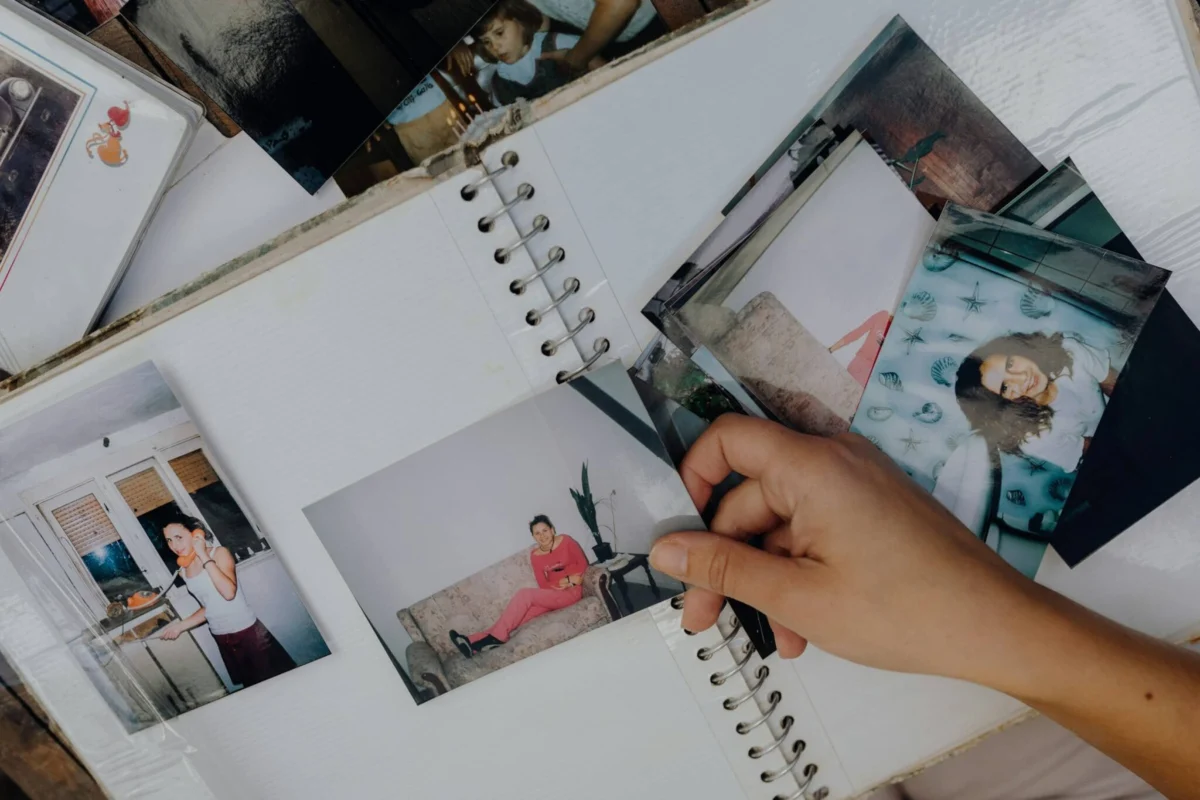
Aunt Liz’s role as the "family cloud" highlights a critical shift in how we view heirlooms. In the digital age, physical objects are becoming less relevant, but the stories behind them are becoming more valuable. The implication for families is to prioritize "story-catching"—writing names on the back of photos and recording the history of heirlooms before the primary source is gone.
3. The Power of the "Living Eulogy"
Perhaps the most profound implication of Joe Darago’s experience is the realization that the most important words should not be saved for the funeral. Aunt Liz’s willingness to have difficult conversations allowed her to hear the gratitude and love of her family while she was still present.
For the "Sandwich Generation"—those caring for aging parents while raising their own children—this story is a call to action. It suggests that the most loving thing we can do for our families is to confront our own mortality with the same quiet, steady intentionality that Aunt Liz displayed.
Conclusion: A Legacy of Peace
As Joe Darago stands as the newly minted family historian, he carries more than just old photographs and handwritten letters. He carries the peace of a goodbye that was not marred by confusion or conflict.
"Minimalism isn’t just about letting go of stuff," Darago reflects. "It’s about living with purpose and preparing with love." In her final year, Aunt Liz proved that while we cannot control the timing of our departure, we can control the state of the room we leave behind. By setting up a trust, simplifying her world, and speaking her truth, she ensured that her family’s final memory of her was not a pile of boxes, but a legacy of love.