The Enduring Quest: Navigating the Paradox of Aging and Continued Growth
By [Your Name/Journalist’s Name]
Introduction: The Dual Nature of Human Existence
The journey of human life, from the burgeoning awareness of youth to the reflective twilight of old age, is a profound tapestry woven with threads of perception and subjective experience. As we navigate the passage of time, two fundamental aspects of our consciousness come to the fore: the ability to objectively perceive the world around us through our five senses, and the capacity to subjectively interpret and imbue these perceptions with meaning through our minds and brains. This delicate interplay between external reality and internal processing forms the bedrock of our understanding and engagement with existence. However, as the aging process unfolds, this intricate balance can be challenged, leading to a complex interplay of maintaining sensory acuity while potentially disengaging from the ever-evolving landscape of modern life. This article delves into the profound philosophical and psychological dimensions of aging, exploring the tendency to retreat into the past, the potential consequences of such withdrawal, and the powerful counterpoint of sustained mental and physical engagement that can foster continued growth and a richer experience of later life.
H2: The Shifting Sands of Perception and Psyche in Aging
As individuals mature, a common inclination emerges: the effort to preserve and even enhance the clarity of our sensory input. Most older adults, consciously or unconsciously, strive to keep their senses sharp, eager to maintain their connection to the external world. This is a natural desire, a testament to our innate drive to remain engaged with our surroundings. Yet, paradoxically, this outward focus on sensory maintenance can sometimes coincide with a psychological withdrawal from the dynamic and often rapidly changing nature of contemporary life.
This phenomenon is not a judgment, but rather an observation of a discernible pattern. Many aging individuals find solace and meaning in the familiar structures of their past. The mental landscapes they have cultivated over decades offer a sense of comfort and predictability. Adapting to new societal values, evolving technological landscapes, or even shifting interpersonal dynamics can feel like an arduous undertaking. The prospect of re-evaluating long-held beliefs, re-interpreting experiences, or adjusting ingrained emotional responses can be met with resistance, even irritation. The mental framework, honed and solidified over a lifetime, becomes a sanctuary, and the intrusion of new challenges to this established order can feel disruptive.
This tendency to reside within the familiar, while understandable, carries a subtle yet significant consequence. By retreating from the stimulating, sometimes uncomfortable, but ultimately enriching process of engaging with new mental attitudes and perspectives, individuals may inadvertently diminish the natural expansion of consciousness that aging can offer. Nature, in its grand design, often imbues the later stages of life with the potential for deeper wisdom and a broader understanding. However, when this potential is stifled by a reluctance to embrace new challenges, the very wellspring of our will to live and to thrive can be unconsciously weakened.
H2: The Wisdom of Perpetual Motion: Body and Mind in Harmony
An age-old adage, "Keep the Body in motion, and the Mind in action," encapsulates a profound truth about sustained vitality. This simple yet powerful directive is not merely about physical health; it is a prescription for continued growth, a pathway to "growing up" rather than simply "growing old." It suggests that the cessation of physical activity and mental engagement is intrinsically linked to a decline in the very essence of being alive and fully present.
This principle was recently illustrated in a poignant encounter at a local coffee house. Engaging in conversation with an elderly gentleman, the stark contrast between two approaches to aging became apparent. At 75 years of age, he expressed a sense of resignation, a feeling that he had "stopped thinking about his daily existence" and saw "no point in dwelling on events of the past." His perspective was one of passive observation, a coasting towards an inevitable end. He identified himself as an "old man," a label that seemed to carry with it a pre-determined cessation of active engagement and intellectual curiosity.
In such moments, the futility of argument or even prolonged discussion can be palpable. The individual in question seemed content in his chosen state, unlikely to be swayed by a differing perspective. It was a clear demonstration of how deeply ingrained perceptions of aging can shape one’s experience of it.
H3: A Contrasting Perspective: The Ageless Question
In stark contrast to this resigned outlook stands the enduring human spirit, a spirit that, regardless of age, continues to grapple with fundamental questions of existence. The question, "Why and wherefore, to what end?" is not a symptom of youthful discontent, but a testament to a mind that remains alive, curious, and engaged. This quest for understanding is not a burden to be shed with age, but rather a vital engine for continued psychological development.
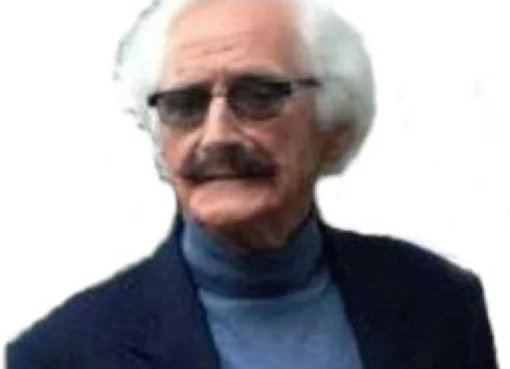
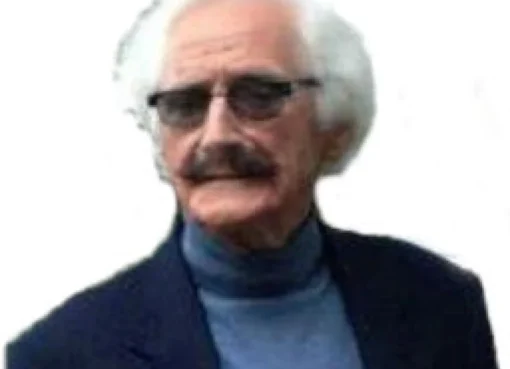
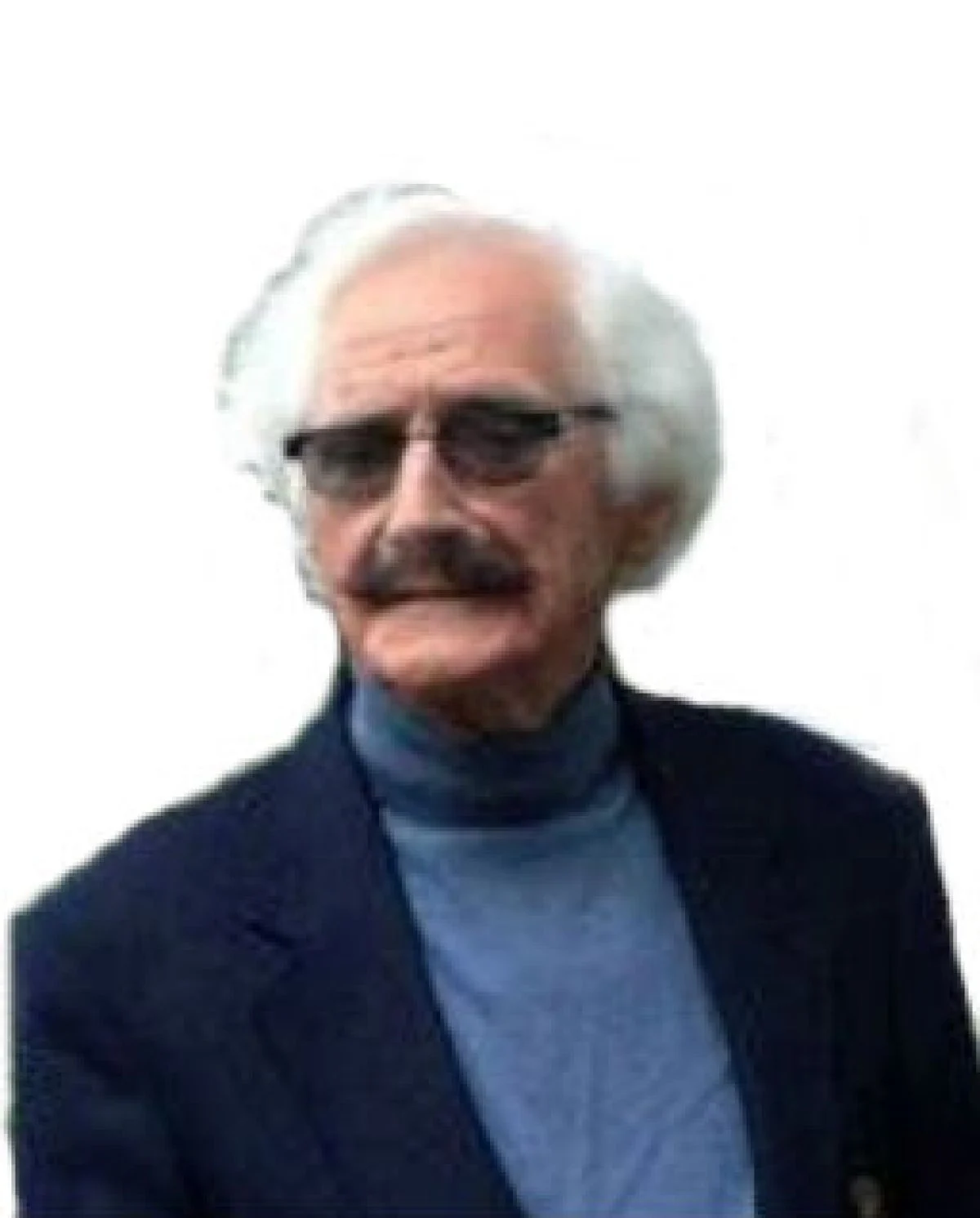
From personal experience, the pursuit of an active life, as long as physically feasible, can profoundly influence the intensity and frequency of these existential queries. Having recently celebrated my 94th birthday, I can attest to the power of remaining disengaged from the sedentary comfort of the armchair. This commitment to activity, both physical and mental, seems to invigorate the mind, sharpening its quest for meaning, and simultaneously, the body finds itself compelled to remain engaged and responsive.
The result, I believe, is a continuous process of psychological growth. It is not merely about maintaining a static state of being, but about actively developing and expanding one’s consciousness. The questions that once felt pressing and frequent at 75 have, with continued engagement, become less demanding, yet perhaps more nuanced and profound as the mental overview of life continues to evolve. This is the essence of "growing up" in later years – a continuous unfolding of self and understanding.
H2: Echoes Through Time: Philosophical Reflections on Aging
The enduring human experience of aging has been a subject of contemplation for millennia, yielding insights that resonate across vastly different eras. Two powerful quotations, separated by approximately 2,500 years, offer compelling perspectives on the nature of old age:
H3: Plato’s Serene Liberation
Around 2,500 years ago, the ancient Greek philosopher Plato, in his profound dialogues, offered a vision of old age characterized by a profound sense of "calm and freedom." He posited that as the powerful grip of youthful passions loosens, individuals achieve liberation not from a single master, but from a multitude of them. This perspective suggests that aging, when embraced, can be a release from the often turbulent and consuming demands of desire, ambition, and emotional volatility. It is a state where the accumulated wisdom of a life lived can foster a serene detachment, allowing for a clearer and more objective view of existence. Plato’s words evoke an image of an elder who has transcended the relentless pursuit of external validation and internal turmoil, finding peace in a state of greater self-possession.
H3: Oscar Wilde’s Poignant Paradox
In a strikingly different, yet equally insightful, vein, the renowned Irish playwright and wit Oscar Wilde, writing in the late 19th century, penned a paradox that captures a different facet of the aging experience: "The tragedy of old age is not that one is old, but that one is young." Wilde’s observation highlights the potential disconnect that can arise when the physical and societal markers of old age are at odds with an inner spirit that remains vibrant, curious, and desirous of engagement. It speaks to the frustration of being perceived as "old" when one feels a youthful zest for life, a mind still eager to explore, and a heart still capable of deep feeling. This can lead to a sense of alienation, a feeling of being out of sync with the world’s expectations. The tragedy, in Wilde’s view, lies not in the natural process of aging, but in the societal or internal limitations that prevent the "young" spirit within from fully expressing itself in later years.
H2: Supporting Data and Psychological Frameworks
The observations presented in this article are not merely anecdotal; they are increasingly supported by research in gerontology and positive psychology. The concept of "successful aging" has evolved beyond mere absence of disease to encompass psychological well-being, social engagement, and a continued sense of purpose.
H3: Cognitive Reserve and Lifelong Learning
Neuroscience research highlights the concept of "cognitive reserve," which refers to the brain’s ability to maintain function despite age-related changes or damage. Factors that build cognitive reserve include education, complex occupations, and mentally stimulating activities throughout life. Engaging in lifelong learning, acquiring new skills, and participating in challenging cognitive tasks has been shown to enhance this reserve, helping individuals maintain mental acuity and resilience in later years. Studies have indicated that older adults who actively engage in learning new things, whether it’s a new language, a musical instrument, or a complex subject, demonstrate better cognitive function and a reduced risk of cognitive decline.
H3: The Role of Social Engagement and Purpose
Beyond cognitive stimulation, social engagement plays a critical role in the well-being of older adults. Strong social networks and meaningful relationships are linked to lower rates of depression, anxiety, and improved overall health. Furthermore, a sense of purpose, whether derived from volunteer work, mentoring, creative pursuits, or simply contributing to family and community, is a powerful motivator for continued engagement and can significantly enhance life satisfaction in later life. Research from institutions like the MacArthur Foundation’s Study of Aging has consistently pointed to the importance of these factors in promoting a robust and fulfilling later life.
H3: The Psychology of Adaptation and Resilience
The tendency to withdraw into the past can be understood through psychological theories of adaptation. When faced with perceived threats or overwhelming change, individuals may default to familiar coping mechanisms. However, resilience in aging involves the ability to adapt to new circumstances, to find meaning in evolving situations, and to maintain a flexible mindset. This adaptive capacity is not an innate trait but can be cultivated through conscious effort and a supportive environment.
H2: Official Responses and Societal Implications
The growing understanding of the multifaceted nature of aging has led to increasing attention from policymakers, healthcare professionals, and community organizations. The focus is shifting from a purely medical model of aging to a more holistic approach that embraces psychological, social, and existential well-being.
H3: Initiatives Promoting Active Aging
Governments and international organizations are launching initiatives to promote "active aging" and "healthy aging." These often include programs designed to encourage physical activity, lifelong learning, and social participation for older adults. Examples include community centers offering workshops and classes, public health campaigns promoting healthy lifestyles, and policies aimed at combating ageism and fostering intergenerational connections. The World Health Organization’s Global Strategy and Action Plan on Ageing and Health emphasizes the importance of creating age-friendly environments and empowering older adults to live fulfilling lives.
H3: The Evolving Role of Healthcare
The healthcare sector is also adapting, with a growing emphasis on preventative care, mental health support for older adults, and the integration of social prescribing into medical treatment plans. Geriatric care is increasingly recognizing the importance of addressing not just physical ailments but also the psychological and social factors that contribute to overall well-being. This includes providing access to mental health services, facilitating social connections, and supporting individuals in finding meaningful activities.
H3: Combating Ageism and Fostering Intergenerational Bonds
A significant societal implication of understanding aging as a continuous process of growth is the need to combat ageism. Negative stereotypes and biases against older adults can hinder their participation in society and negatively impact their self-esteem. Promoting positive portrayals of aging in media and public discourse, and fostering intergenerational dialogue and collaboration, are crucial steps in creating a more inclusive and supportive society for all ages. The recognition that older adults possess invaluable experience and wisdom that can benefit younger generations is a powerful antidote to ageist perceptions.
H2: Conclusion: Embracing the Continuum of Growth
The journey of aging is not a linear decline but a complex and dynamic continuum of experience. While the objective perception of the external world remains a vital link to reality, the subjective interpretation and engagement with that reality are paramount to a life lived with meaning and vitality. The tendency to withdraw into the familiar past, though psychologically understandable, can inadvertently diminish the expansive potential of later life.
The wisdom of keeping both body and mind in motion offers a powerful counter-narrative, suggesting that continued growth is not only possible but essential for a fulfilling later life. By embracing new challenges, maintaining curiosity, and fostering social connections, individuals can continue to "grow up" throughout their lives, transforming the twilight years into a period of profound insight, continued learning, and enduring purpose. As Plato and Wilde, in their distinct ways, remind us, the experience of aging is deeply personal and profoundly influenced by our internal approach. The tragedy, as Wilde suggests, may not be the presence of age, but the absence of that youthful spark of engagement that allows the spirit to continue its lifelong quest for understanding and meaning. The challenge, and the opportunity, lies in recognizing that the journey of growth never truly ends.